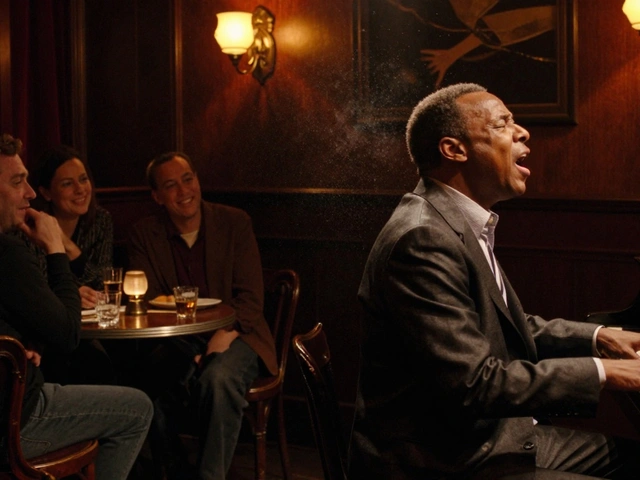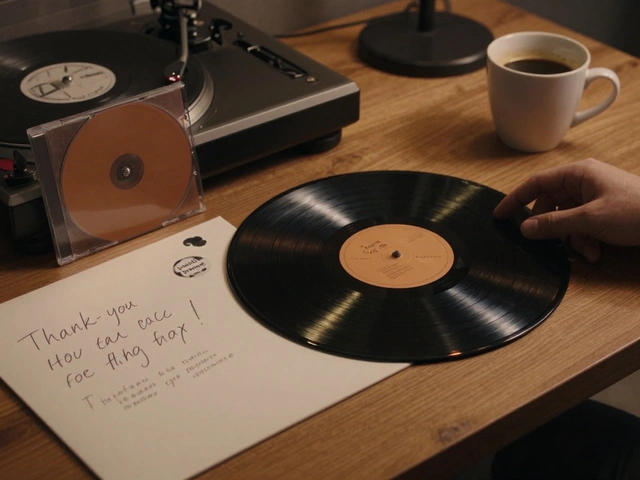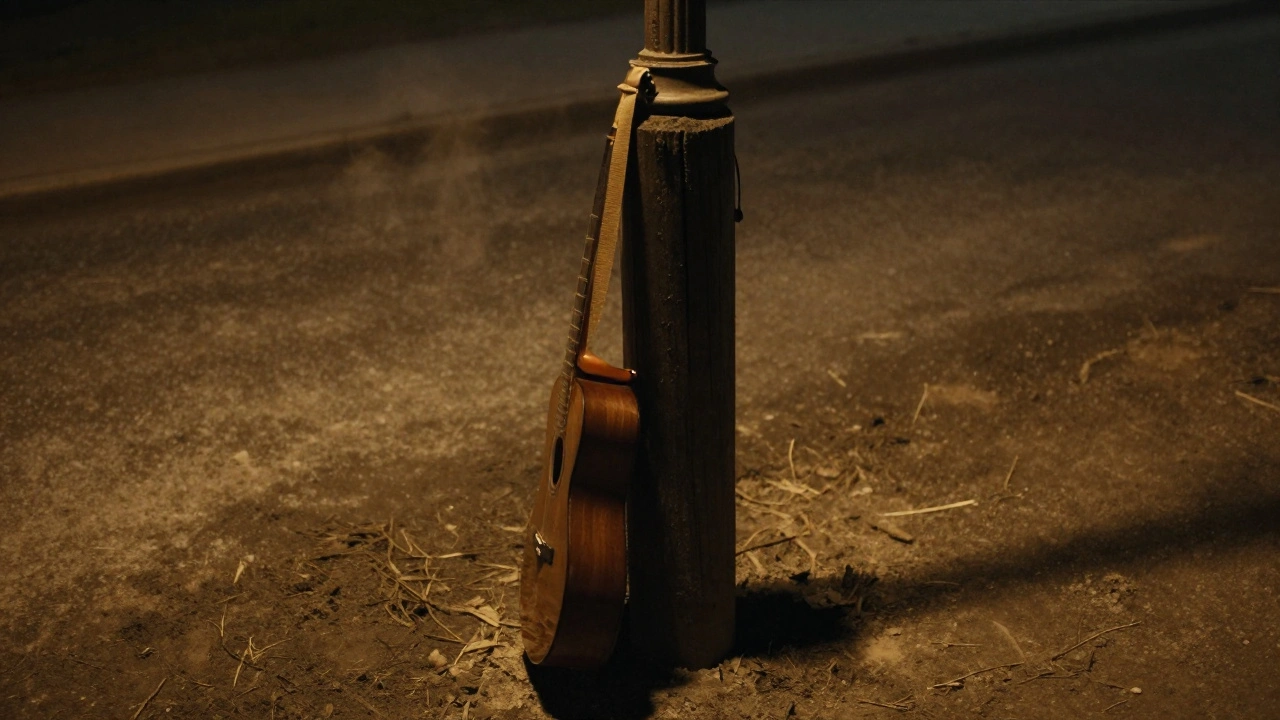
When you think of blues music, what comes to mind? A dusty road, a lone guitarist under a streetlamp, the cry of a slide guitar cutting through the night? That feeling - raw, real, and deeply rooted - is what makes blues merch more than just a T-shirt. It’s a tribute. A visual chant. A way to carry the weight and soul of the music wherever you go.
Why Blues Culture Demands Its Own Visual Language
Blues isn’t just a genre. It’s a history written in calluses, sweat, and broken strings. From the Mississippi Delta to Chicago’s South Side, the music was born from hardship, resilience, and quiet defiance. And yet, most merch you see today leans into clichés: a generic guitar silhouette, a black-and-white photo of B.B. King, or a tired slogan like "Blues Ain’t Dead."
Real blues merch doesn’t need to shout. It whispers. It shows the roots - the dirt under the fingernails, the rust on a resonator, the way a slide glides across steel like a prayer. The best designs don’t copy history. They honor its texture.
Roots Imagery: More Than Just a Field or a Cabin
When designers try to capture blues roots, they often pick the obvious: a sharecropper’s cabin, a cotton field, a train track vanishing into haze. Those images have power - but they’re overused. The deeper connection lies in the small, overlooked details.
Look at the work of artists like John Lee Hooker is a Delta blues legend known for his hypnotic rhythms and raw vocal delivery or Son House is a pioneering Delta blues guitarist whose fingerpicking style influenced generations. Their lives weren’t just about big moments. They were about the worn-out boots left by the porch, the kerosene lamp flickering in a cabin window, the single chair where someone sat after midnight, guitar across their lap.
Some of the most powerful merch designs now feature:
- A single wooden fence post with a single guitar strap draped over it
- Hand-drawn footprints leading from a porch to a train station
- A cracked teacup beside a worn-out harmonica
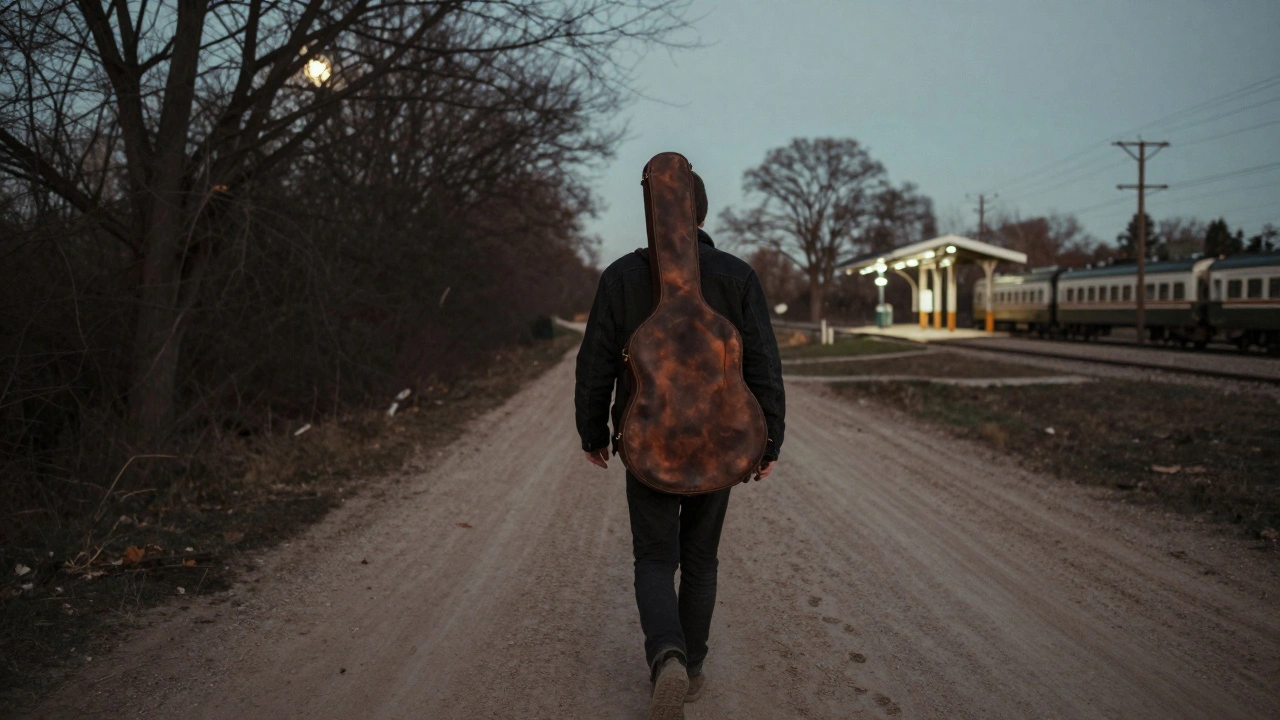
- A shadow of a man, back turned, walking down a dirt road with a case slung over his shoulder
These aren’t just graphics. They’re symbols. They don’t explain the blues - they let you feel them. You don’t need to know the name of the song. You just know someone lived this.
Slide Guitar Art: The Sound Made Visible
If roots imagery is the soul of blues merch, then slide guitar art is its voice.
Slide guitar isn’t just a technique. It’s a language. The slide - whether it’s a bottleneck, a knife, or a piece of pipe - turns metal into moan. The notes don’t land cleanly. They glide. They bend. They cry. That’s what makes it so hard to capture visually.
Most slide guitar merch tries to show the slide itself: a glass bottle, a metal tube. But the real art lies in what happens when that slide moves.
Take the design from Elmore James is a blues guitarist known for his electrified slide playing and the iconic song "Dust My Broom"’s legacy: a single line, wavy and uneven, stretching across the fabric like a ripple in a river. That line isn’t just a guitar string. It’s the sound of his slide on the high E, bending from G# to A, the way he did in "The Sky Is Crying."
Modern artists are turning this into abstract patterns:
- A wave of color that dips and rises - no guitar, no hand, just the motion of sound
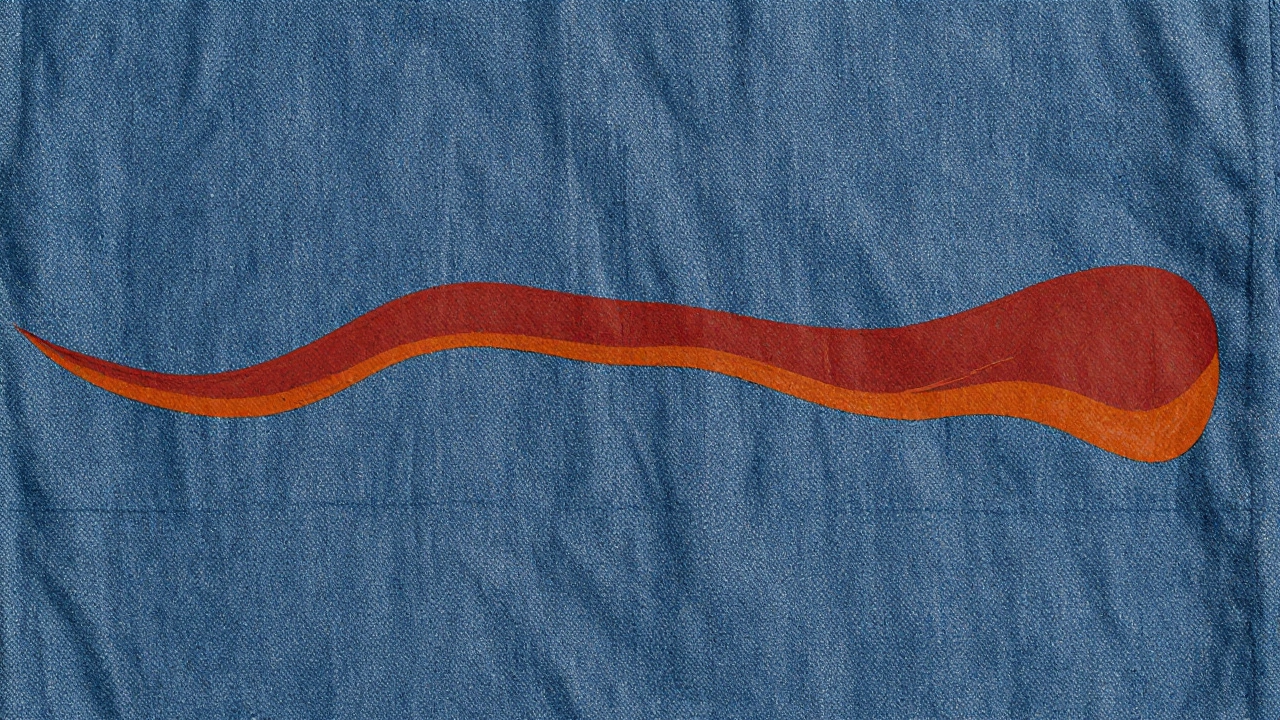
- Streaks of rust-red and burnt orange that look like the trail of a slide on a sun-warmed guitar neck
- Fractured lines that mimic the crackle of an old 78 rpm record
One tour shirt from 2025, designed for the Delta Blues Festival, used a single, hand-painted slide path that changed with each wash. The first time you wore it, the line was bold. After ten washes, it faded into a ghost. That wasn’t a flaw. It was the point.
Color That Carries History
Blues merch doesn’t use bright colors. It uses earth tones that have been worn down by time.
Think:
- Deep mud brown - not chocolate, not tan. The color of riverbank soil after rain
- Smoke gray - not charcoal. The color of a campfire that’s been out for hours
- Blues - not sky blue. The color of faded denim left out in the sun for a decade
- Iron rust - the kind that peels slowly, leaving behind a pattern no painter can replicate
These aren’t just paint choices. They’re emotional tones. They echo the recordings of Muddy Waters is a Chicago blues pioneer whose amplified sound defined electric blues’s early sessions - where the tape hiss was part of the music.
Some designers now source fabrics from reclaimed workwear. Old denim from 1970s factory workers. Cotton from abandoned barns in Alabama. The fabric doesn’t need to be perfect. It needs to have history. A stain? Good. A faded patch? Better. That’s the real blues aesthetic.
What Makes a Design Truly Celebrate Blues Culture?
Not every blues-themed shirt is good. Some are lazy. Some are exploitative. Here’s how to tell the difference:
- Does it honor silence? Blues isn’t loud. It’s the space between notes. The best designs leave room - empty space, negative space, quiet corners.
- Does it avoid stereotypes? No plantation flags. No "lucky" dice. No "soul man" in a top hat. Real blues doesn’t need costumes.
- Does it feel handmade? Even if printed, the design should look like it was drawn by hand, maybe on a napkin at 3 a.m., then copied.
- Is there a story behind it? The best merch comes from real places: a juke joint in Clarksdale, a train yard in Memphis, a porch in Jackson. The design should feel like it was born there.
One design from a small Portland-based label, Cottonmouth Press is a small independent merch company that creates blues-inspired apparel using archival field recordings as design inspiration, features a single image: a woman’s hand holding a slide, but the fingers are gone - just the shadow of them remains. No explanation. No name. Just the shape. People who get it - they don’t ask questions. They just wear it.
Where to Find Authentic Blues Merch
Big brands won’t make this kind of stuff. It’s too quiet. Too slow. Too real.
Look for:
- Small labels run by musicians or descendants of blues families
- Merch sold at regional blues festivals - not online, but at booths with handwritten signs
- Artists who collaborate with blues archivists or oral historians
- Designs that include QR codes linking to field recordings - not just songs, but interviews, ambient sounds, train whistles
Some of the most meaningful pieces come from places like the Delta Blues Museum is a museum in Clarksdale, Mississippi, dedicated to preserving the history and culture of the Delta blues or the National Blues Museum is a museum in St. Louis, Missouri, that showcases the evolution and cultural impact of blues music. They don’t sell shirts. But they partner with local artists to create limited runs.
Don’t buy from Amazon. Don’t buy from generic music merch sites. If it looks like it was designed by an algorithm, it’s not blues. It’s a costume.
Wearing the Blues - A Quiet Act of Respect
Blues merch isn’t about being cool. It’s about being present.
When you wear a design that shows a single slide path, or a shadow on a porch, you’re not saying "I like blues." You’re saying, "I hear it."
It’s not about the number of likes on Instagram. It’s about the quiet nod from an old man at a juke joint who sees your shirt and says, "Yeah. That’s right."
That’s the only validation that matters.
What makes blues merch different from other music merch?
Blues merch doesn’t rely on logos, band names, or flashy graphics. It focuses on texture, silence, and history. Instead of showing a guitarist on stage, it shows the empty chair they sat in. Instead of loud colors, it uses faded earth tones. It’s meant to be felt, not seen.
Can I wear blues merch if I’m not from the South?
Absolutely. Blues isn’t tied to geography - it’s tied to feeling. You don’t need to have grown up in Mississippi to understand the weight of a slow bend on a guitar string. What matters is respect. Wear designs that honor the roots, not ones that reduce the culture to a stereotype.
Are there any modern blues artists designing merch?
Yes. Artists like Luther Dickinson is a blues-rock guitarist and member of the North Mississippi Allstars, known for blending Delta blues with modern rock and Shemekia Copeland is a contemporary blues singer who carries forward the tradition with powerful vocals and modern themes collaborate with artists to create merch that blends tradition with personal storytelling. Their designs often include handwritten lyrics, family photos, or locations tied to their upbringing.
Why do some blues shirts look worn or faded on purpose?
Because blues isn’t new. It’s lived-in. Faded colors and textured fabrics mirror the sound of an old record - crackles, warps, and all. A shirt that looks like it’s been through decades tells a story before you even speak. It’s not a fashion choice. It’s a sonic one.
How can I support authentic blues culture through merch?
Buy from small, independent creators who work directly with blues communities. Look for labels that donate a portion of profits to blues preservation funds or local museums. Avoid mass-produced items. The best way to support the culture is to choose pieces that come from real places and real people - not corporate marketing.
Next Steps: Where to Start
If you want to find or create blues merch that truly honors the roots:
- Visit a local blues festival. Talk to the artists. Ask where they get their shirts.
- Follow small labels on Instagram - not the ones with 100K followers, but the ones with 2K and handwritten captions.
- Look for merch that includes field recordings or oral history snippets - even if it’s just a QR code.
- Wear it with quiet pride. You don’t need to explain it. Just let it speak.
Blues doesn’t need to be loud to be powerful. Neither does its art.