Getting noticed by music editors, bloggers, and radio producers isn’t about luck. It’s about giving them exactly what they need-fast. When a journalist gets five emails a day from new blues artists, they don’t have time to dig through demos, bios, and tour dates. They need one clear, clean page that answers their biggest questions in under 30 seconds. That’s a press one-sheet. And if yours doesn’t deliver, your music won’t get heard.
What a Press One-Sheet Actually Is
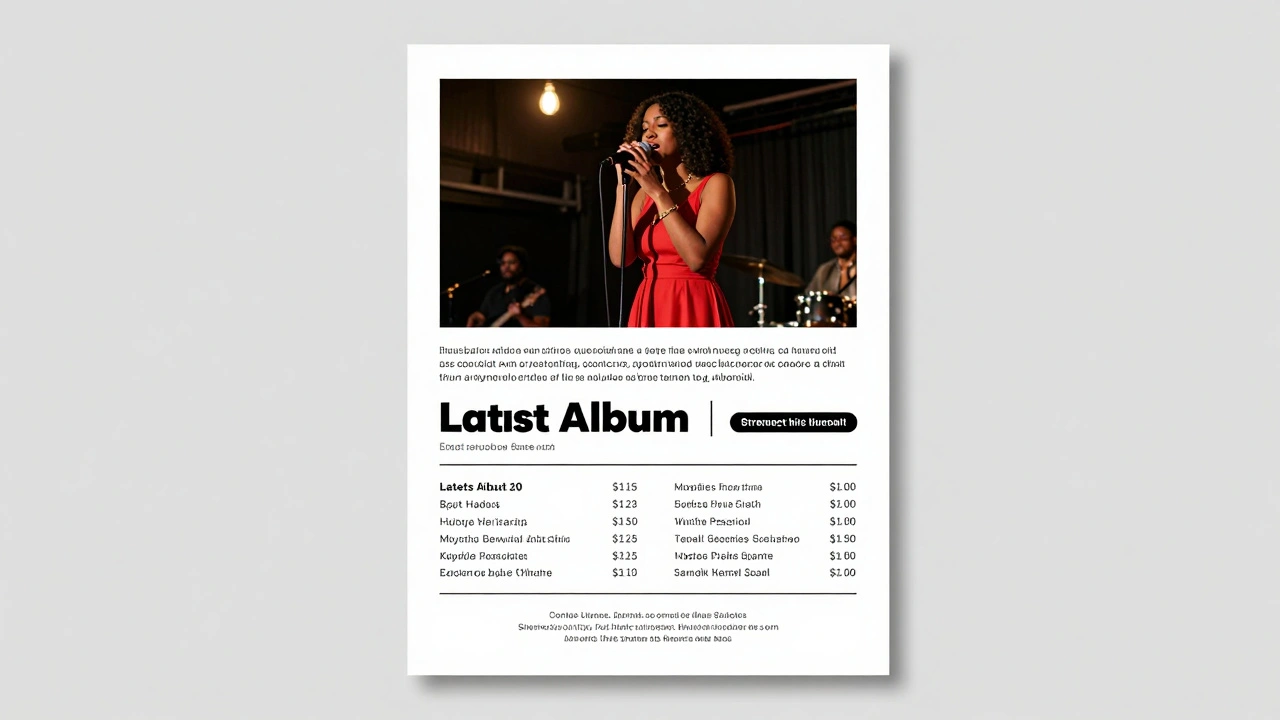
A press one-sheet isn’t a flyer. It’s not a resume. It’s not even a full bio. It’s a single-page, visually clean, information-dense tool designed for editors who are overwhelmed. Think of it like a business card for your music career-except instead of just a name and phone number, it gives them everything they need to decide whether to feature you, review your album, or book you for a show.
Most blues artists make the mistake of overloading it. They include every award they’ve ever been nominated for, every venue they’ve played, and every quote from a fan. That’s noise. Editors don’t want noise. They want clarity.
Must-Have Elements
Here’s what actually works-based on feedback from editors at Blues Today, AllMusic, and regional radio stations across the U.S.:
- High-res photo - A professional, well-lit headshot or performance shot. No selfies. No blurry stage shots. Editors need to see who they’re writing about. If you’re playing traditional Delta blues, show that. If you’re a modern electric blues rocker, show that too. Visual tone matters.
- One-line artist description - Not a paragraph. One line. Example: “Portland-based blues guitarist and vocalist blending Robert Johnson grit with Chicago soul.” That’s it. No fluff. No adjectives like “legendary” or “groundbreaking.” Let the music speak.
- Latest release - Name the album or EP, the release date, and a direct link to stream or buy. If you’re self-releasing, include Bandcamp or Apple Music. If you’re on a label, mention it. Editors care about context. Is this an indie release? A label-backed project? That changes how they pitch it.
- Key tracks - List 2-3 standout songs with timestamps if possible. Example: “Midnight Train to Clarksdale (2:15), Broken Bottles (3:08)” - so they know where to jump in. Don’t list every song. Pick the ones that define you.
- Press highlights - If you’ve been featured before, say so. “Featured on KEXP’s Blues Hour,” “Reviewed in Living Blues Magazine,” or “2025 Pacific Northwest Blues Award Nominee.” If you have nothing, leave this out. Fake press looks worse than no press.
- Tour dates (next 90 days) - List cities and venues. Don’t list every one-off gig. Only include shows with real venues, not open mics. Editors use this to decide if they can send someone to cover you live.
- Contact info - One email. One phone number. No social handles unless they’re actively managed. Use a professional email like [email protected], not [email protected].
What to Leave Out
You might think including your entire discography or your childhood story will help. It won’t. Here’s what editors skip over every time:
- Full biography - Save that for your website. One-sheet = one page. No exceptions.
- Endorsements - “John Mayer says I’m the future of blues.” That doesn’t mean anything unless John Mayer actually played with you. Don’t use quotes from people who don’t know you.
- Technical specs - “12-string resonator, custom tuning, 100-watt amp.” Editors don’t care about gear unless it’s part of your story. If you play slide on a resonator because you learned from Son House, say that. Otherwise, skip it.
- Links to every social platform - One Instagram, one YouTube. That’s enough. If your Facebook page hasn’t been updated in three years, don’t link it.
Design Matters More Than You Think
There’s a reason most press kits look like Word documents from 2008. People think, “It’s just for editors, so it doesn’t need to look good.” Wrong. If your one-sheet looks like a PDF printed from a free template, editors assume you don’t take your career seriously.
Use a clean layout. White space isn’t empty space-it’s breathing room. Use one font. Two max. Black text on white background. No gradients. No clipart. If you’re not a designer, use Canva’s “Press Kit” template (they have one for music). Or hire someone on Fiverr for $25. That’s cheaper than a single gig.
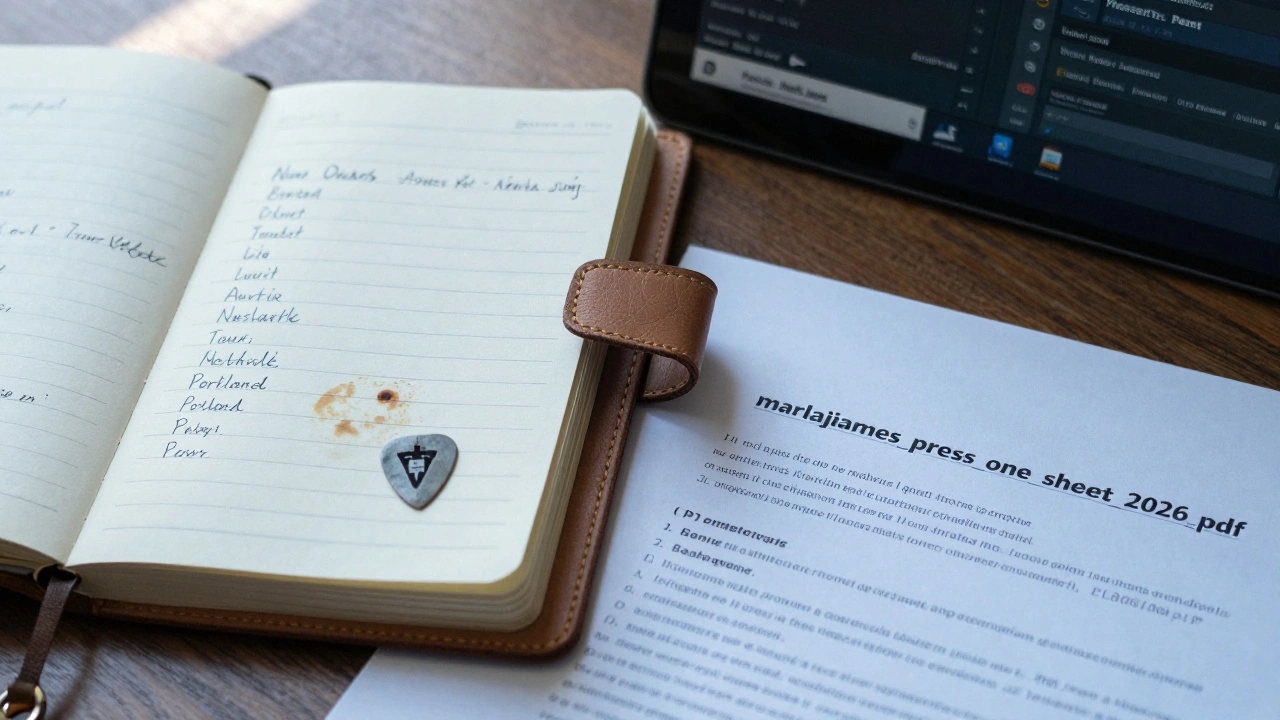
And always save it as a PDF named something like yourname_press_one_sheet_2026.pdf. Not “final_final_v3.pdf.” That’s unprofessional.
Real Example: What Works
Take Marla James, a blues singer from Jackson, Mississippi. Her one-sheet includes:
- A photo of her in a red dress, holding a Gibson, singing live at a juke joint
- One line: “Deep South blues vocalist with a voice shaped by gospel choirs and B.B. King’s late-night sessions.”
- Latest release: Back Porch Blues (released Jan 2026, available on Spotify and Bandcamp)
- Key tracks: “Dust on My Shoes” (2:51), “Cryin’ for the Train” (4:17)
- Press: “Featured on BBC Radio 2 Blues Show (Dec 2025), Reviewed in Blues Magazine (Feb 2026)”
- Tour: Shows in New Orleans, Austin, Nashville, Portland (Feb-April 2026)
- Contact: [email protected] | (601) 555-0192
She’s been booked for three radio interviews and one magazine feature in six weeks. Why? Because every editor could answer their questions in under 20 seconds.
Update It Like a Calendar
Your one-sheet isn’t a one-time thing. It’s a living document. Every time you release a new album, hit a new city, or get a new feature, update it. Keep it current. Outdated info is worse than no info. An editor who sees a 2023 tour date and assumes you’re not active won’t bother calling back.
Set a reminder every 90 days. Check your release dates. Confirm your tour schedule. Remove old press mentions. Replace low-quality photos. Make sure the email still works.
Why This Works for Blues Artists
The blues scene thrives on authenticity. But authenticity doesn’t mean sloppy. Editors want to believe in your story. They want to feel the grit in your voice, the history in your playing. But they can’t do that if they’re stuck deciphering a cluttered PDF.
A clean, sharp one-sheet says: “I know what I’m doing. I respect your time. And I’m ready to be taken seriously.”
That’s the difference between being ignored and being featured.
Do I need a press one-sheet if I’m not touring?
Yes. Even if you’re not touring, editors still need to know who you are, what you’ve released, and how to contact you. A one-sheet helps you get playlist placements, online features, and podcast interviews. Touring isn’t the only path to exposure.
Can I use the same one-sheet for blues and jazz festivals?
You can, but tailor it. If you’re applying to a jazz festival, highlight any crossover elements-like your use of swing rhythms or horn arrangements. If you’re purely traditional blues, mention your influences and authenticity. Editors look for fit. Don’t send a generic sheet to every genre.
What if I’ve never been featured anywhere?
Then leave the press highlights section blank. Don’t make up quotes or fake reviews. Instead, focus on your strongest release and tour dates. Editors understand new artists. What they don’t understand is dishonesty. A clean, honest one-sheet with great music will open doors faster than fake press.
Should I include a QR code?
Only if it leads to your latest album or a high-quality video performance. Don’t link to your Instagram. Don’t link to a generic website homepage. Make sure the QR code takes them to something valuable-something that answers their next question: “Where do I hear more?”
How often should I send my one-sheet?
Send it once when you release new music. Then again if you have a major tour, a new award nomination, or a significant media feature. Don’t spam. One thoughtful email with your updated one-sheet attached is better than five generic ones.