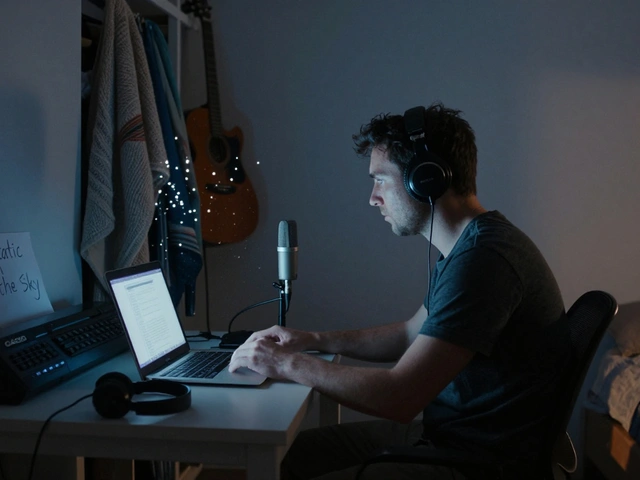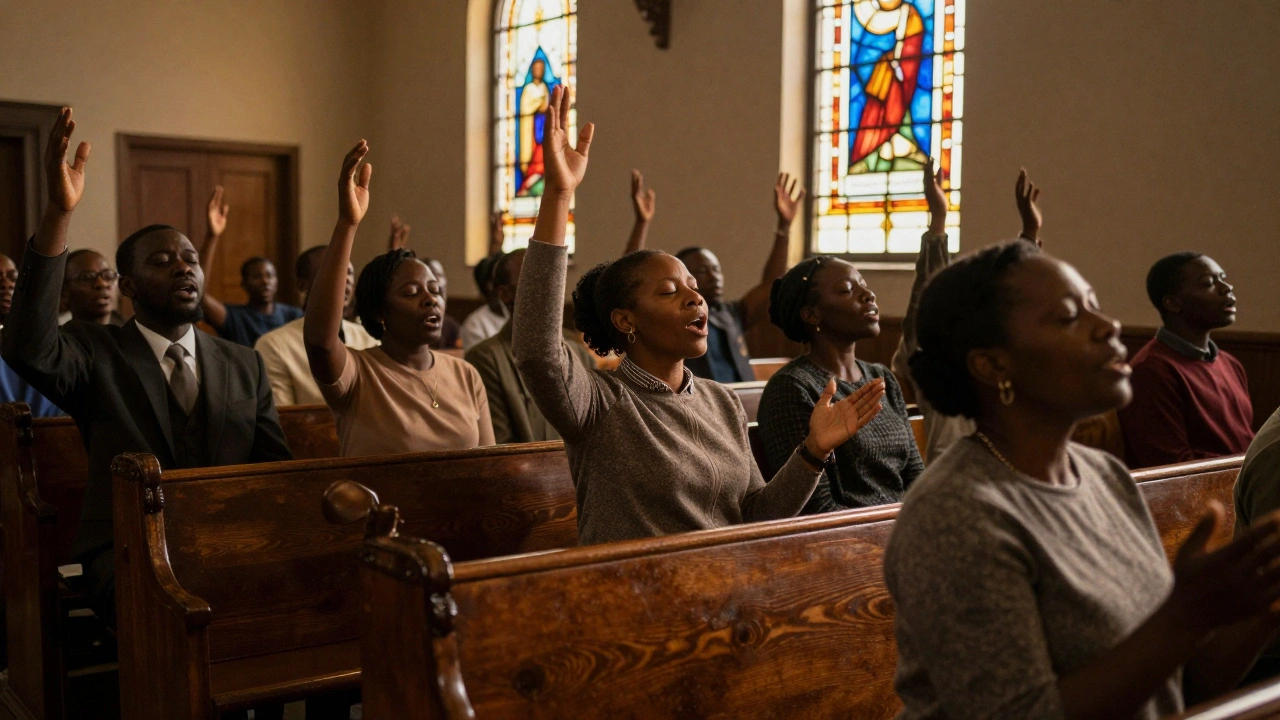
When you hear a country ballad with aching steel guitar and a voice that cracks like an old porch swing, you're not just listening to folk music. You're hearing the echo of a church choir in the South, the call-and-response of a Sunday service, the heartbeat of a gospel hymn turned into a bluesy lullaby. Gospel didn’t just influence Americana-it gave it soul.
The Sound That Moved From Pews to Porches
Gospel music began in Black churches across the American South in the late 1800s and early 1900s. It wasn’t just about singing praises-it was about survival. The harmonies were tight because voices had to carry over crowded rooms without microphones. The rhythm was steady because feet tapped in time with the spirit. The feel? Raw, honest, and unpolished. That’s the same feel you hear in Johnny Cash’s growl, in Dolly Parton’s tender delivery, in The Carter Family’s simple three-part harmonies.
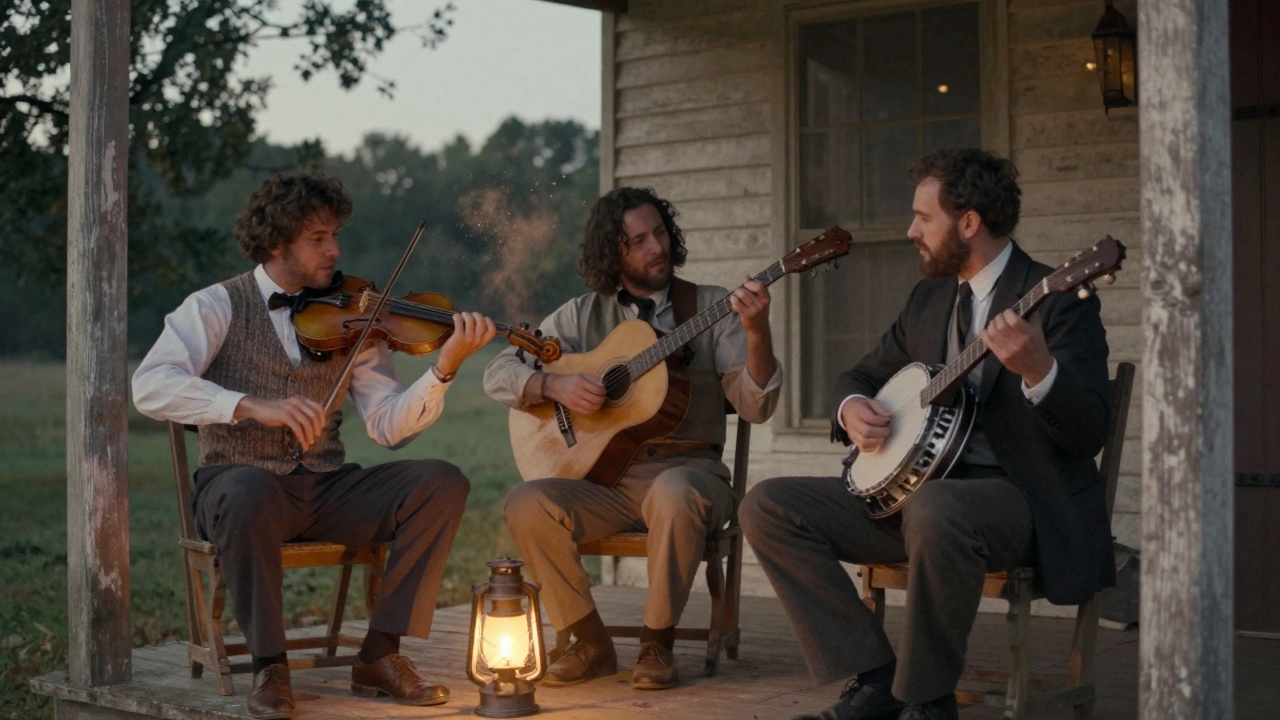
When white Appalachian musicians started recording in the 1920s, they didn’t invent their sound from scratch. They learned from Black field hands, from church gatherings, from traveling preachers who sang as they worked. The Carter Family’s 1927 recording of ‘Wildwood Flower’ doesn’t sound like a hymn, but the way the three voices lock into a single harmony? That’s gospel structure-rooted in the tradition of lining out psalms, where one voice leads and others follow in close, sliding intervals.
Harmony: More Than Three Voices
Gospel harmony isn’t about perfect chords. It’s about tension and release. The third note doesn’t always land where music theory says it should. Sometimes it’s flat. Sometimes it’s sharp. That’s intentional. It’s called the ‘blue note’ in blues, but in gospel, it’s called the ‘holy note.’ It’s the sound of someone singing through pain and still finding joy.
Look at the Everly Brothers. Their 1957 hit ‘Bye Bye Love’ has two voices weaving around each other like vines. That tight, high-lonesome harmony? It’s gospel. Their uncle, Ike Everly, was a Pentecostal preacher who sang in church every Sunday. The boys didn’t learn harmony from sheet music-they learned it from the way their aunt and uncle’s choir would lift a note, then drop it, then climb back up, all in one breath.
Even in modern Americana, you hear it. In The Band’s ‘The Weight,’ the way the voices stack on ‘Take a load off, Fanny’-it’s not pop. It’s not rock. It’s church. You can trace that sound straight back to the Staple Singers, who started in a Chicago gospel choir and later became one of the most influential acts in roots music.
Rhythm: The Beat That Wouldn’t Stay Still
Gospel rhythm isn’t counted in 4/4 like a metronome. It’s felt. It sways. It stumbles. It catches fire.
Early country fiddlers didn’t play in time-they played in feel. That’s why old recordings sound slightly off-beat. It’s not a mistake. It’s a groove. Gospel music taught musicians to let the rhythm breathe. The drummer didn’t keep time-the singer did. And if the singer stretched a note, the band stretched with them. That’s why you can’t play a traditional country ballad with a rigid drum machine. It dies.
Look at the difference between a modern pop song and a classic Hank Williams track. ‘I’m So Lonesome I Could Cry’ doesn’t have a backbeat. It has a heartbeat. The bass line doesn’t thump-it shuffles. The guitar doesn’t strum-it brushes. That’s gospel rhythm: loose, human, alive. It’s why Emmylou Harris’s version of ‘Boulder to Birmingham’ feels like a prayer. It’s why Chris Stapleton’s ‘Parachute’ doesn’t just move your feet-it moves your chest.
Feel: The Unmeasurable Ingredient
You can’t quantify feel. But you know it when you hear it.
It’s in the way Patsy Cline’s voice breaks on ‘Crazy’-not because she lost control, but because she let the emotion lead. It’s in the way Willie Nelson’s guitar licks hang in the air like incense after a service. It’s in the way Lucinda Williams sings ‘Passionate Kisses’ like she’s telling a secret to a friend who’s been through the same thing.
Gospel taught musicians to sing like they meant it. Not like they were performing. Not like they were selling a product. But like they were testifying. That’s why Americana music still feels real, even in an age of auto-tune and algorithm-driven playlists. The genre’s backbone isn’t banjos or fiddles-it’s the courage to be vulnerable.
That’s why you’ll still find gospel-influenced songs at bluegrass festivals. Why a band like The Devil Makes Three can cover a traditional hymn like ‘I’ll Fly Away’ and turn it into a rowdy, foot-stomping anthem. Why the same voice that sings ‘Amazing Grace’ in a chapel can sing ‘I’m a Man of Constant Sorrow’ in a bar and make you cry just the same.
Modern Echoes: Where Gospel Lives Today
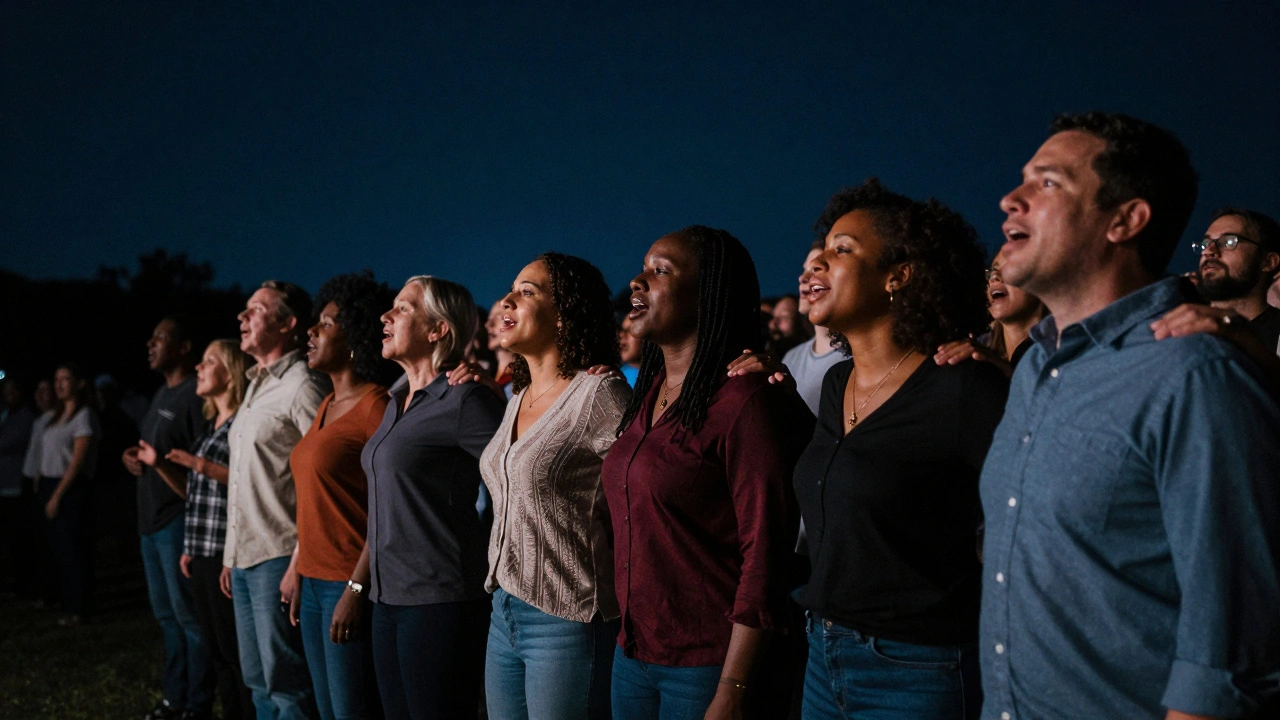
Gospel isn’t buried in history. It’s alive in the music people make right now.
Look at Margo Price. Her 2016 album ‘Midwest Farmer’s Daughter’ opens with a track called ‘A Little Pain.’ The background vocals? A choir of women singing in tight, sliding harmonies-just like a Southern Baptist revival. The production is clean, but the emotion? Raw. That’s gospel.
Or consider The Highwomen, the supergroup with Brandi Carlile, Natalie Hemby, Maren Morris, and Amanda Shires. Their 2019 album doesn’t just honor women in country-it honors the tradition of women singing together in church. The way they layer their voices on ‘Redesigning Women’? It’s gospel. It’s the same sound that made the Fisk Jubilee Singers famous in the 1870s.
Even in indie Americana, you hear it. In Phoebe Bridgers’ ‘I Know the End,’ the final chorus swells with layered vocals that sound like a church congregation rising as one. In The Avett Brothers’ ‘Swept Away,’ the harmonies don’t just support the melody-they carry it, like a group of people lifting a heavy door.
Why This Matters
Too often, Americana is treated as a nostalgic genre-old-timey, romanticized, stuck in a 1950s time capsule. But that’s not true. Its power comes from its roots in struggle, in faith, in community. Gospel music didn’t just give Americana its sound. It gave it its truth.
When you listen to a song that moves you in a way you can’t explain, you’re not just hearing notes. You’re hearing centuries of people singing through hardship, finding beauty in brokenness, and lifting each other up with their voices. That’s the legacy of gospel in Americana: not a style, but a spirit.
And as long as someone sings with their whole heart-not just their voice-that legacy will keep growing.
How did gospel music influence the harmonies in early country music?
Early country musicians, especially in Appalachia, learned harmonies from Black gospel choirs and church gatherings. The tight, close-knit three-part harmonies heard in groups like The Carter Family weren’t invented in white folk traditions-they were borrowed from gospel’s call-and-response structure, where one voice leads and others follow in sliding, emotionally charged intervals. These harmonies often included ‘blue notes’-slightly sharp or flat tones-that gave the music its distinctive ache and depth.
Is gospel rhythm different from other musical rhythms?
Yes. Gospel rhythm isn’t about strict timing-it’s about feel. It sways, breathes, and shifts with the emotion of the singer. Unlike pop or rock, which rely on steady backbeats, gospel rhythm lets the vocalist lead the tempo. If the singer stretches a note, the band stretches with them. This creates a human, imperfect groove that’s central to Americana. You hear it in Hank Williams’ shuffling bass lines and in Chris Stapleton’s delayed phrasing-both carry the soul of gospel, not the clock of a metronome.
Why do modern Americana artists still use gospel-style vocals?
Because gospel vocals carry emotional truth. In a world of polished production, audiences still crave authenticity. Gospel singing-raw, unfiltered, and full of conviction-connects on a deeper level. Artists like Margo Price, Brandi Carlile, and The Avett Brothers use choir-like harmonies and soulful delivery not as a gimmick, but as a way to honor the music’s roots. When a group of voices lifts together in a chorus, it doesn’t just sound good-it feels like community, like testimony, like something real.
Can you name a modern song that clearly shows gospel influence?
Yes. Phoebe Bridgers’ ‘I Know the End’ from her 2020 album ‘Punisher’ ends with a massive, layered vocal climax that sounds like a church choir rising in worship. The harmonies are dense, the dynamics swell like a sermon, and the emotion builds until it breaks. It’s not a religious song-but its structure, vocal approach, and emotional arc are pure gospel. The same can be said for The Highwomen’s ‘Redesigning Women,’ where the stacked female vocals echo the tradition of Black gospel quartets.
Did gospel music only influence Black musicians in Americana?
No. While gospel originated in Black churches, its influence spread widely across racial lines. White Appalachian musicians in the 1920s and 30s learned from Black field workers, preachers, and singers. The Carter Family, Jimmie Rodgers, and later artists like Johnny Cash and Dolly Parton all absorbed gospel’s emotional delivery, vocal techniques, and harmonic structures. Gospel wasn’t a genre owned by one group-it was a shared language of pain, hope, and resilience that shaped all of Americana.