When you’re filming a music video, the difference between a good take and a great one often comes down to one thing: how the artist performs on camera. It’s not just about singing in tune or hitting the choreography. It’s about connection - the kind that makes viewers feel like they’re inside the song, not just watching it. Robert Hill, a director known for his work with indie and mainstream acts alike, has spent over 15 years figuring out how to pull that out of artists who’ve never acted before.
Stop Telling Them to "Feel It"
You’ve heard it before: "Just feel the music." Or worse, "Be more emotional." Those phrases don’t help. They’re vague, frustrating, and often make artists shut down. Robert Hill doesn’t say that. Instead, he asks specific questions that anchor emotion in real behavior.
For example, if a song is about heartbreak, he won’t ask the singer to look sad. He’ll say: "Think about the last time you sent a text you regretted - the one you deleted after three seconds. Now, imagine that person just replied. What’s your first reaction?"
This works because it turns abstract emotion into a concrete memory. The artist doesn’t have to perform sadness. They just have to remember. And that memory shows up naturally in their eyes, their hands, their breathing.
Use the Music as a Timer, Not a Mood
Most directors treat the song like a mood board. They play it on loop and hope the artist gets into the vibe. Robert does something different. He breaks the track into micro-sections - not just verses and choruses, but down to the half-second gaps between beats.
He’ll say: "On the snare hit at 1:23, your head tilts left. On the next breath, your hand lifts - not because it looks cool, but because you’re catching yourself from reaching out. That’s the moment you’re holding back. Don’t fix it. Amplify it."
This approach turns performance into a physical response to rhythm, not a forced expression. Artists start moving with the music instead of trying to match a feeling they’re not sure how to access.
Shoot the Take Before You Shoot the Take
Robert never starts filming on day one. He spends the first hour of each shoot just walking the artist through the scene - not as a performance, but as a real moment.
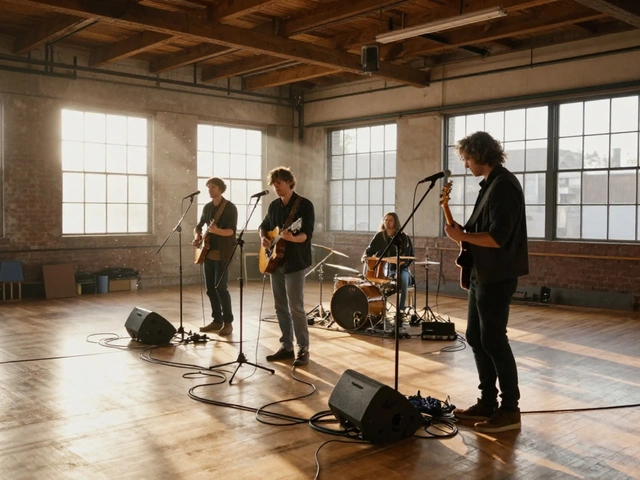
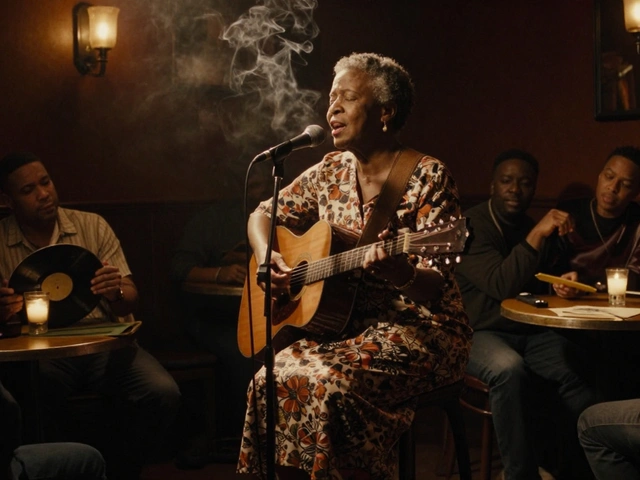
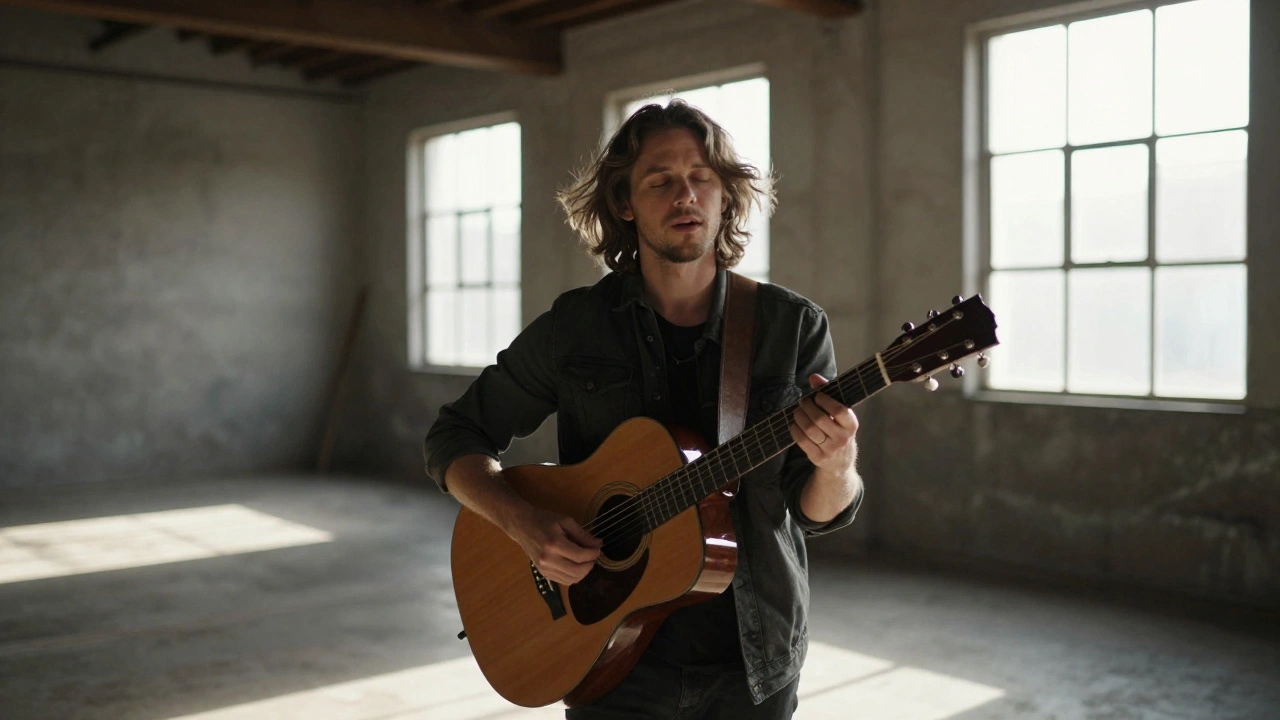
For a recent video with a folk singer, he had her stand in the empty warehouse where they’d film, hold the same guitar she’d use, and sing the first line out loud - no camera, no crew, just her and the echo. He recorded it on his phone. Later, he played it back and said: "That’s the take. We’re just going to make it look pretty."
That raw version became the foundation. Every retake was measured against it. Not for technical perfection - but for emotional truth. The final video kept 87% of that original audio. The visuals were layered around it.
Let the Environment Act
Most music video sets are controlled environments: clean lighting, no wind, no distractions. Robert’s sets are the opposite. He builds tension into the space.
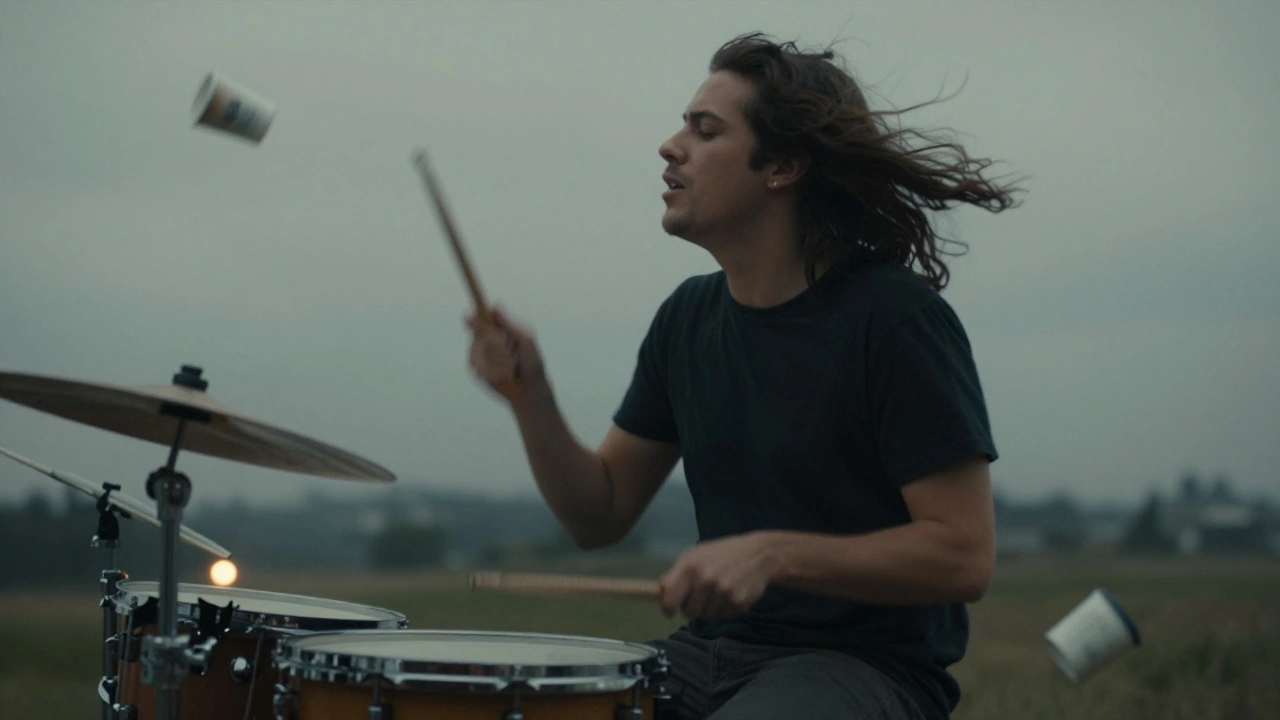
He’ll film in a room with a drafty window so the artist’s hair moves unpredictably. He’ll have a crew member drop a coffee cup off-camera just before a key line - not to startle, but to force a real reaction. He once had a lighting assistant flick a switch mid-take to make the room go dark for two seconds. The artist didn’t pause. She kept singing. That moment made the video.
It’s not about chaos. It’s about authenticity. Real emotion doesn’t happen in perfect conditions. It happens when something unexpected interrupts your focus - and you keep going anyway.
Use the Camera Like a Mirror, Not a Weapon
Artists often fear the camera. They think it’s judging them. Robert flips that. He tells them: "The camera isn’t watching you. It’s reflecting you."
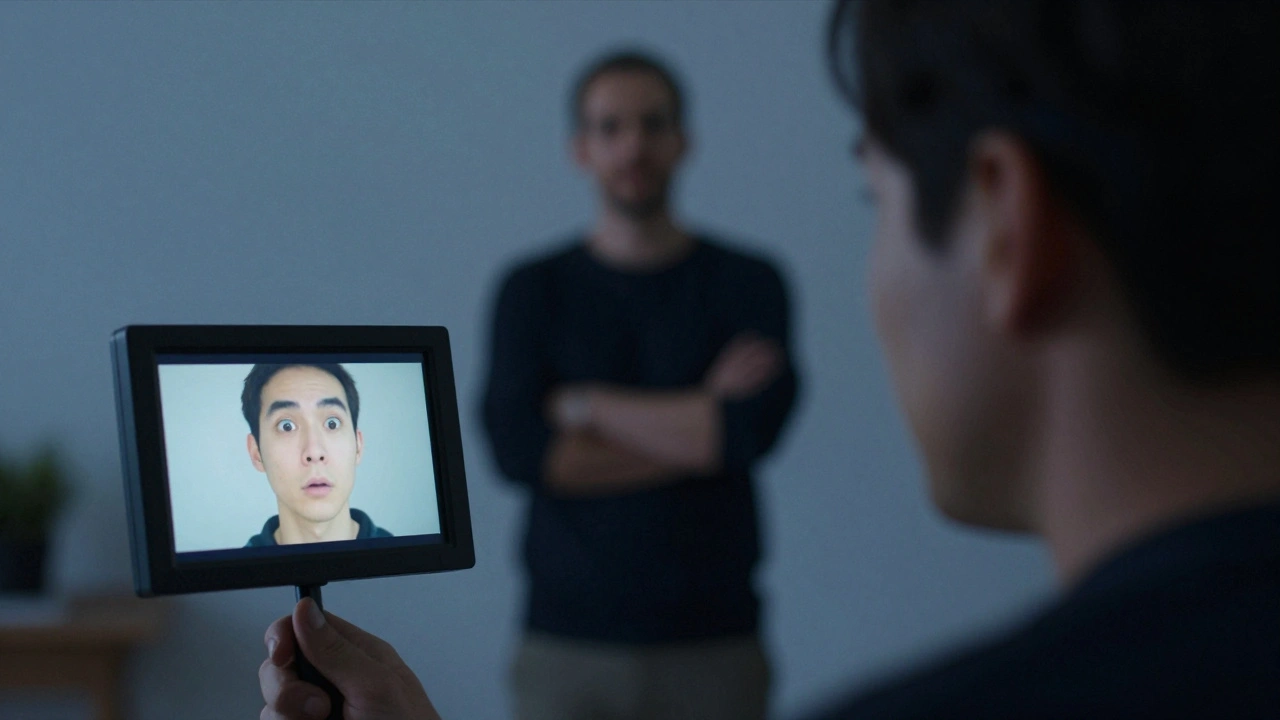
He positions the lens so it’s slightly off-center - not to be arty, but so the artist has to lean into it. He uses a small monitor so they can see themselves in real time, but only after they’ve done three takes without looking. The goal isn’t to fix their expression. It’s to help them notice how their body moves when they’re not trying to look good.
One artist told him after filming: "I didn’t know I looked like that when I sang." That’s the moment Robert waits for. Not applause. Not tears. Just surprise.
It’s Not About the Performance. It’s About the Pause.
Robert’s most powerful tool isn’t his direction. It’s his silence.
He’ll say: "Do it again." Then he’ll stand still. No notes. No praise. Just wait. Sometimes for 20 seconds. Sometimes for two minutes.
Most directors rush to fill silence with feedback. Robert lets the silence sit. And in that quiet, something shifts. The artist starts to listen to themselves. They stop performing for the director. They start performing for the song.
He calls it "the space between the notes." That’s where the real take lives.
What Happens After the Take?
Robert doesn’t review footage right away. He waits 24 hours. Then he watches alone - no notes, no comments. Just one question: "Did this feel like something that couldn’t have been planned?"
If the answer is yes, he keeps it. If it’s no, he doesn’t reshoot. He resets. He changes the environment. He changes the question. He changes the moment.
There’s no such thing as a bad take, he says. Just a take that didn’t catch the truth.
Do I need to have acting experience to work with Robert Hill?
No. Robert specializes in working with musicians who’ve never acted. His method is built around unlocking natural behavior, not teaching performance techniques. He’s directed pop stars, rappers, and folk singers with zero acting background - and their most powerful moments came from things they didn’t even realize they were doing.
How long does it usually take to get the right take?
It varies. Sometimes it’s one take. Sometimes it’s 20. But Robert rarely needs more than two days of shooting per song. The key isn’t quantity - it’s whether the artist has had time to connect with the emotional core of the song. He’ll spend hours on one 10-second moment if it’s the heart of the video.
Can this method work for high-energy music videos?
Absolutely. Energy doesn’t come from jumping around. It comes from conviction. Robert once filmed a hyperpop artist doing a 90-second dance sequence. The breakthrough came when he asked the artist to think about the first time they felt seen - not by fans, but by a friend. That memory changed the whole performance. The movements stayed the same, but the intent behind them became undeniable.
What if the artist is nervous or shy on camera?
Robert’s first rule: no audience. No crew in the room during the first few takes. Just the artist, the camera, and one assistant who’s trained to be invisible. He also uses small, handheld cameras that feel less intimidating than big studio rigs. He builds trust by showing the artist the raw footage - not edited, not polished - and saying, "That’s the real you. Let’s make it look like music."
Is this method only for indie artists?
No. Robert has directed videos for major label acts, including platinum-selling albums. The method doesn’t change based on budget. It changes based on the person. Whether you’re an underground rapper or a global pop star, the emotion behind the song is the same. His job is to find it - not to make you look like someone else.
Robert Hill doesn’t make music videos. He makes moments. And those moments stick because they’re not manufactured. They’re remembered. And the best way to get a real take? Stop directing. Start listening.