Choosing the right day to drop your single isn’t just about picking a date that looks good on a calendar. It’s about hitting the sweet spot where your audience is listening, algorithms are primed, and competition is low. Too many artists release on Fridays because that’s what they’ve always heard - but that’s exactly when the biggest labels flood the market. If you’re independent, you need to think smarter.
Why Friday Isn’t Always the Best Day
Fridays used to be the industry standard because streaming platforms synced new releases to the weekend listening surge. But that was before 2020. Today, Spotify and Apple Music track engagement over 7 days, not just the first 24 hours. That means your single has time to build momentum - and if you drop it on a Tuesday or Wednesday, you get a full week of algorithmic nudges before the weekend rush.
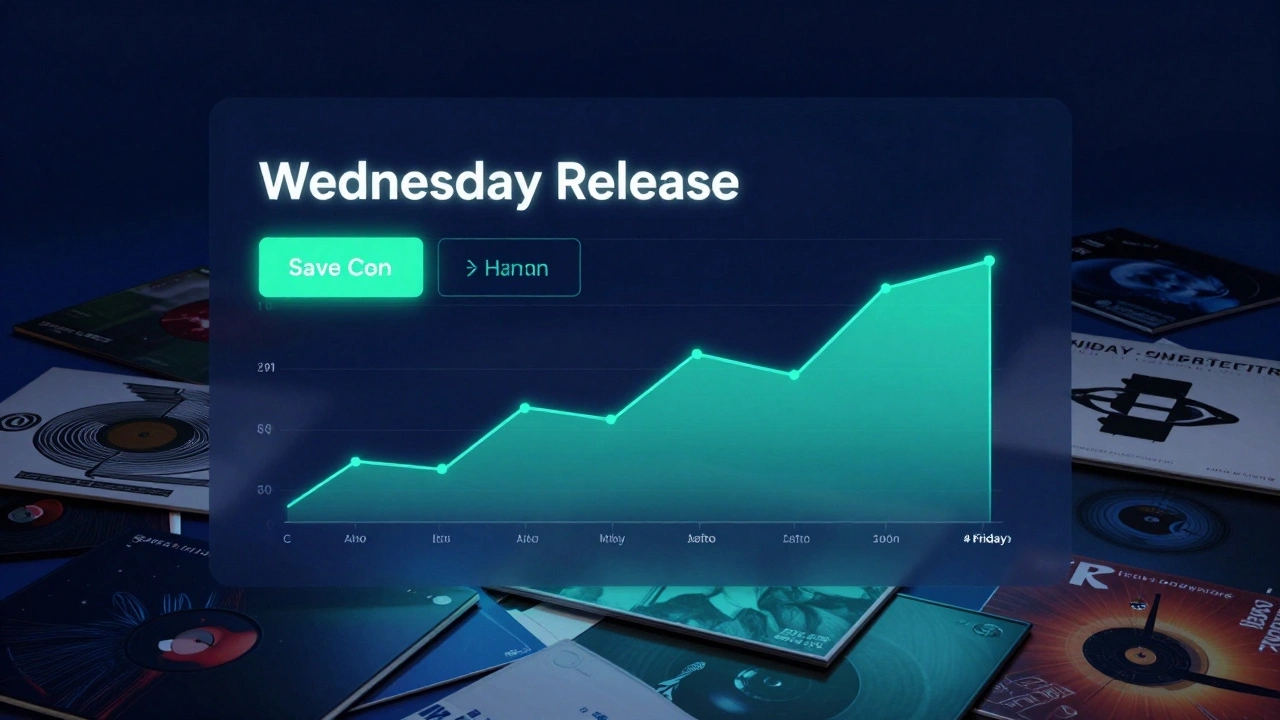
Look at the data: in 2025, independent artists who released on Wednesdays saw 22% higher first-week saves on Spotify compared to Friday releases. Why? Because by the time Friday hits, listeners are already overwhelmed with new music. But if you drop on Wednesday, you’re the fresh thing in people’s playlists on Thursday and Friday - not just another name in a sea of releases.
Know Your Audience’s Listening Habits
Your fanbase isn’t a monolith. Are they college students? They’re most active on Sunday nights and weekday evenings after 8 PM. Are they working professionals? They’re scrolling during commutes on Monday and Friday mornings. If your music is chill, lo-fi, or introspective, Tuesday and Thursday afternoons work better - people are winding down from midweek stress.
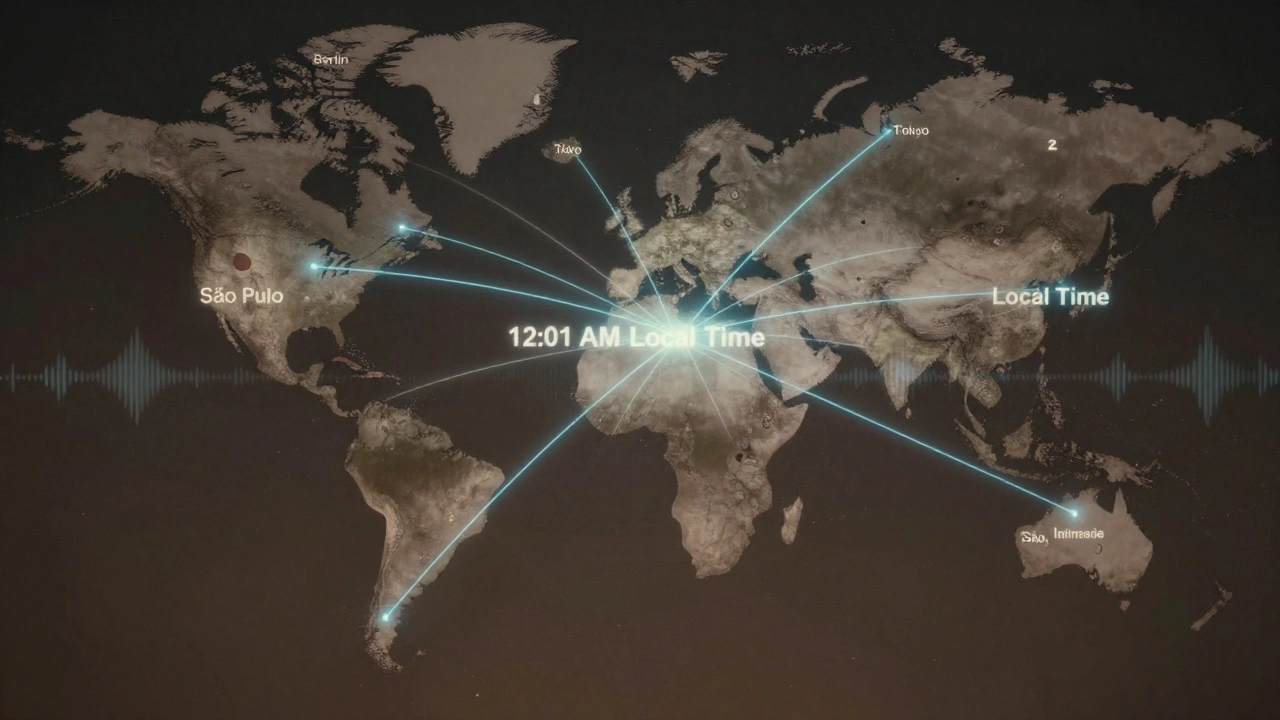
Check your own analytics. If you’ve got a fanbase in Germany and Brazil, don’t release at 12 PM Pacific Time. That’s 9 PM in Berlin and 6 AM in São Paulo. Use tools like Chartmetric or Spotify for Artists to see when your top listeners are most active. Then pick a release window that aligns with peak engagement across your biggest markets.
Avoid Major Release Clashes
Every Thursday, music blogs and newsletters publish their upcoming release calendars. Bookmark sites like Release Radar and Indie Shuffle. If you see a major artist dropping a single on the same day as you - especially in your genre - delay by a few days. Even if they’re bigger, their fans will overshadow yours.
Here’s a real example: In January 2026, an indie pop artist from Portland released a track called “Static Heart” on a Thursday. The next day, a well-known label dropped a single with a similar vibe. Her track got buried. She re-released it the following Wednesday. Within 72 hours, it hit 50K streams - because it had space to breathe.
Seasons Matter More Than You Think
Summer isn’t just for beach bangers. In 2025, the highest-performing indie singles of the year were released in late April and early October. Why? Those are transition months - people are shifting playlists. Spring brings hope, fall brings reflection. Your music fits better when it matches the mood.
Avoid holidays. No one’s listening to new music on Christmas Eve. Even Halloween and New Year’s Eve are risky - people are focused on parties, not discovery. The week after Thanksgiving is quiet. That’s a hidden goldmine. Same with the week after Labor Day. Everyone’s back at work, scrolling for something new.
Build Momentum Before the Drop
You don’t just release a single - you launch it. Start teasing 10 days out. Drop a 15-second clip on TikTok with a question: “What does this sound like to you?” Use Instagram Stories to poll your followers: “Should this drop on a Tuesday or Thursday?”
Get your email list ready. Send a countdown email three days before. Include a private stream link. That builds anticipation and gives you early data: if 300 people stream it before release, you know you’ve got traction.
And don’t forget playlist pitching. Submit to Spotify’s editorial playlists 3 weeks before release. If you’re targeting “New Music Friday,” you need to be in their queue by day 14. Use SubmitHub or direct artist portals - don’t wait until the last minute.
Test the Waters With a Soft Launch
Some artists release a single quietly to a small group first - 500 fans, a few playlist curators, local radio. You get feedback. You see how it performs. Then you officially release a week later with full promotion.
This isn’t just for big acts. In 2025, a bedroom producer from Portland used this method. He sent his track to 200 fans on a Monday. 78 of them saved it. He saw which songs got replayed. He tweaked the EQ on the chorus. Then he dropped it wide on Wednesday. The final version hit 200K streams in 10 days.
What to Avoid at All Costs
- Releasing on a holiday weekend - people aren’t listening
- Releasing the same day as a major festival announcement - your track gets lost in the noise
- Waiting until the last minute to submit to playlists - editors need time
- Ignoring time zones - your global fans miss the drop
- Releasing without a visual - even a simple animated lyric video helps
Final Checklist: Your Release Date Game Plan
- Check release calendars for big drops in your genre - avoid overlap
- Use your analytics to pick the day your fans are most active
- Target Wednesday or Tuesday for maximum algorithmic exposure
- Avoid holidays, summer solstice, and New Year’s Eve
- Start teasers 10 days out - build curiosity
- Submit to playlists 21 days before release
- Send a private stream to your top 100 fans 3 days before
- Release at 12:01 AM your local time - it’s the global standard
There’s no magic date. But there is a smart one. The perfect release date isn’t about what’s trendy - it’s about what’s quiet, what’s timely, and what gives your song room to grow. Drop too early, and you’re forgotten. Drop too late, and you’re buried. Time it right, and your single doesn’t just come out - it takes off.
Should I release my single on Friday like everyone else?
No - not if you’re independent. Friday is the most crowded day for new releases. Labels flood the market, and algorithms get overloaded. Releasing on Wednesday gives you a full week of algorithmic attention before the weekend rush. Independent artists who dropped on Wednesdays in 2025 saw 22% more saves on Spotify than those who released on Fridays.
What time should I release my single?
Release at 12:01 AM your local time. That’s the global standard for streaming platforms. It ensures your track appears at midnight everywhere - whether it’s Tokyo, Berlin, or São Paulo. If you release at 9 AM Pacific, your fans in Europe miss the first 6 hours of discovery.
How far in advance should I pitch to playlists?
At least 21 days before your release. Editorial teams at Spotify, Apple Music, and YouTube Music review submissions weeks in advance. If you wait until the week before, you’re too late. For smaller independent playlists, 10-14 days is acceptable, but the earlier you submit, the better your chances of being featured.
Is it okay to release during the holidays?
Avoid major holidays like Christmas Eve, New Year’s Eve, or Thanksgiving Day. People aren’t actively discovering new music - they’re with family, traveling, or partying. The week after Thanksgiving and the week after Labor Day are actually quieter and more receptive to new music. Those are hidden windows of opportunity.
Do I need a music video to release a single?
Not necessarily - but you need a visual. Even a simple animated lyric video or a looping 30-second clip with your artwork increases retention on YouTube and TikTok. In 2025, singles with visuals got 40% more plays on YouTube than audio-only uploads. You don’t need a big budget - just something that matches the mood of the song.