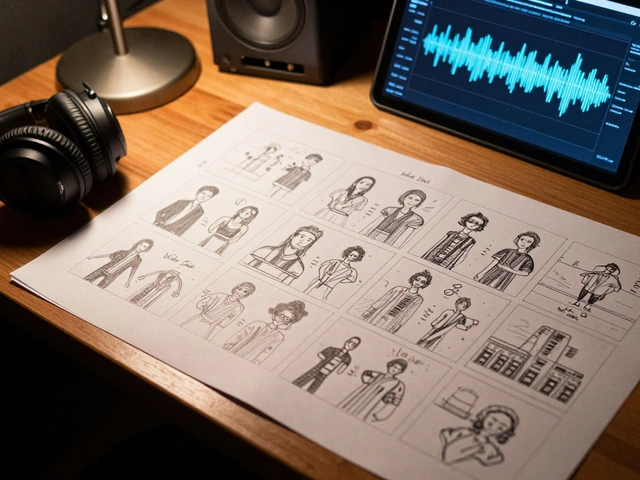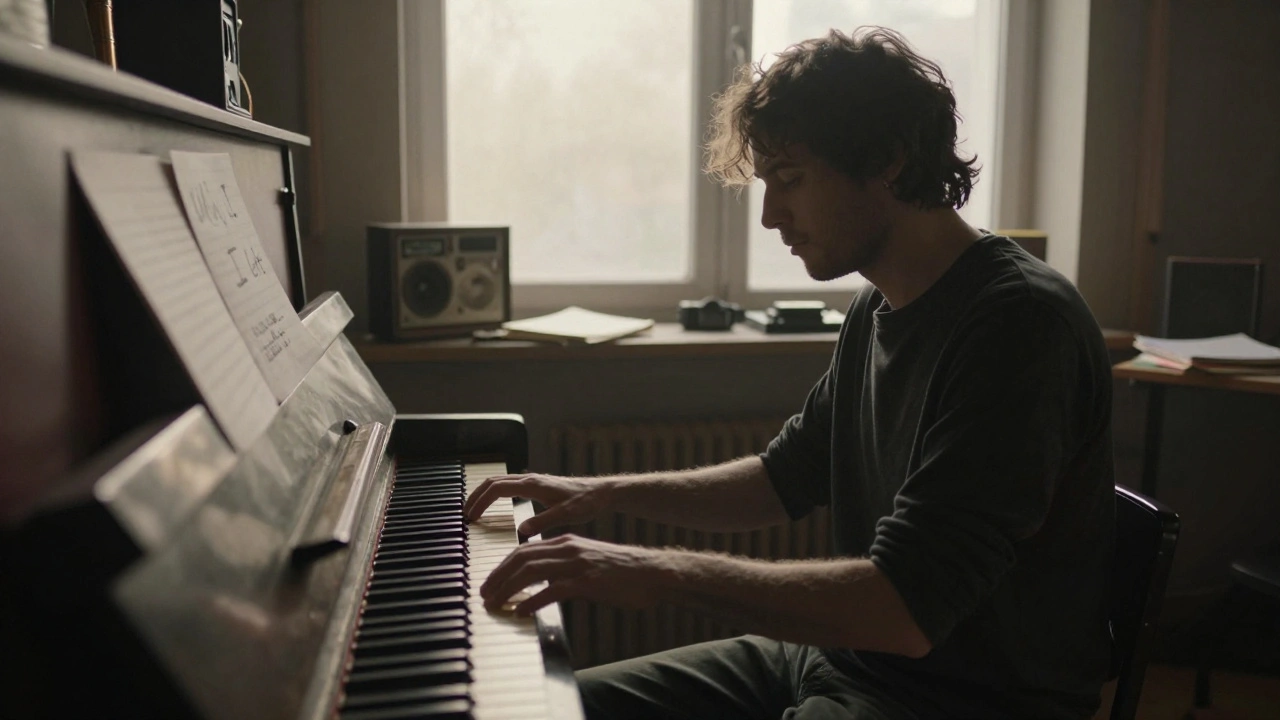
Taking a break isn’t quitting. For many musicians, stepping away from the spotlight isn’t a sign of failure-it’s the smartest move they’ll ever make. Bands break up. Solo artists vanish for years. And then, sometimes, they come back louder than before. The difference between a forgotten name and a renewed force? Strategy. Not luck. Not timing. A clear, intentional plan.
Why Musicians Take a Hiatus
It’s not always burnout. Sometimes it’s creative block. Other times, it’s personal-family, health, mental health. A 2023 survey by the Music Artists Coalition found that 68% of musicians who took a break of six months or longer cited mental exhaustion as the top reason. Another 21% said they lost connection with their music. Only 9% admitted to financial pressure. That last one surprises people. But the truth? Most artists don’t leave because they can’t afford to play. They leave because they can’t stand to play anymore.
Think of Fiona Apple’s seven-year gap between albums. Or Radiohead’s two-year silence after Amnesiac. These weren’t failures. They were recalibrations. Without space, creativity dries up. Without rest, identity fractures. A hiatus isn’t an emergency-it’s a reset button.
The Three Mistakes That Kill Comebacks
Not all comebacks work. Some vanish forever. Why? Three common errors:
- Returning too soon - Jumping back into touring or releasing music before you’re emotionally ready. Fans notice. They feel the disconnect.
- Trying to be who you were - You’re not the same person. Your voice changed. Your sound evolved. Clinging to your old image feels fake.
- Ignoring your audience - Assuming fans are still waiting. Many aren’t. They moved on. You need to remind them, not beg them.
Look at Alanis Morissette’s 2012 return after a five-year break. She didn’t release a greatest hits album. She didn’t tour the same setlist. She dropped Havoc and Bright Lights-a raw, electronic-tinged record that shocked fans. And they loved it. Why? Because she didn’t try to be 1995 Alanis. She was 2012 Alanis. And that was enough.
Building Your Comeback Plan
A comeback isn’t an event. It’s a process. Here’s how to build one:
- Define your why - Why are you coming back? To reconnect with music? To support your family? To prove something to yourself? Write it down. Keep it visible.
- Rebuild your sound - Don’t just re-record old songs. Experiment. Try new gear. Collaborate with someone outside your genre. A producer you’ve never worked with. A poet. A dancer. Let the pause change you.
- Start small - No need to drop a full album or book a national tour. Begin with a single. A livestream. A local show. A fan-only EP. Let your audience re-engage slowly.
- Communicate honestly - Don’t ghost. Post a short video. Write a letter. Say: “I needed to step away. Here’s what I learned. Here’s what’s new.” Vulnerability builds trust.
- Track your metrics differently - Don’t obsess over Spotify streams or ticket sales right away. Measure connection: How many people comment? How many DM you? How many say, “I missed you”? Those are the real indicators.

How Long Should a Hiatus Last?
There’s no magic number. Six months? Two years? Five? It depends. But here’s what works:
- 3-6 months - Good for short-term burnout. Enough time to rest, recharge, and return with fresh ears.
- 1-2 years - Ideal for creative rebirth. You’ll likely write new material. Maybe even change your sound.
- 3+ years - Riskier. You’ll need a stronger narrative. Your fanbase will have aged. Your label (if you have one) may have moved on.
Consider the case of Sade. After Lovers Rock in 2000, she vanished for 11 years. When she returned with Sade in 2011, she didn’t tour. She didn’t do interviews. She just dropped the album. And it went platinum. Why? Because she never promised to be a constant presence. She promised to make music worth the wait.
What to Do During Your Break
Don’t just sit around. Use the time wisely:
- Write without pressure - Keep a journal. Record voice memos. Hum melodies into your phone. Don’t aim for a song. Aim for honesty.
- Learn something new - Take a drum class. Study music theory. Learn Ableton from scratch. Even if you don’t use it, it changes how you think.
- Talk to non-musicians - Talk to teachers, nurses, mechanics. Hear their stories. They’ll give you lyrics you never knew you needed.
- Reconnect with your why - Go back to the first song you ever wrote. Why did you write it? What did it feel like? That feeling is still in you.
- Build a quiet community - Start a private Instagram account. Post one photo a week. No captions. Just music snippets. Let your most loyal fans feel like insiders.
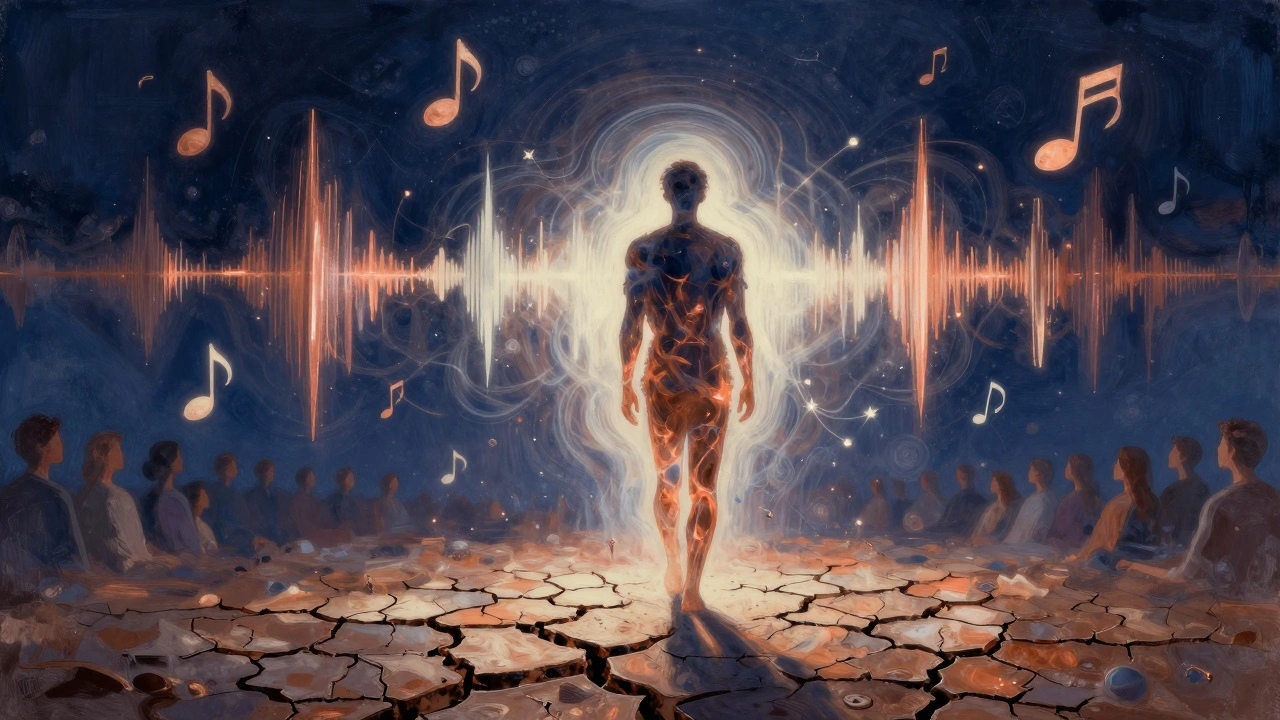
When to Announce Your Return
Don’t announce it. Tease it.
Announcing a comeback feels like a press release. Teasing feels like a secret shared. Here’s how:
- Post a 15-second clip of a new song with no context. Just: “2026.”
- Release a single photo of your studio, no caption. Let fans guess.
- Send an email to your mailing list: “I’ve been quiet. I’ve been working. Here’s a glimpse.”
Let curiosity do the work. Don’t beg for attention. Earn it.
Real Examples That Worked
- Prince - Took a break after The Gold Experience (1995). Returned in 2004 with Musicology, won a Grammy, and sold out arenas. He didn’t apologize. He didn’t explain. He just played. Beck - After Midnite Vultures (1999), he disappeared for years. Came back with Morning Phase (2014), won Album of the Year at the Grammys. The sound was softer, slower, deeper. Fans said it felt like home.
- St. Vincent - Took a year off after touring Masseduction (2017). Returned with Daddy’s Home (2021), a funk-inspired record influenced by 70s New York. She said: “I needed to stop being a machine.”
Each of them didn’t try to recreate their past. They rebuilt from the inside out.
What If Nobody Cares?
That’s possible. And okay.
Not every comeback needs to go viral. Not every return needs a stadium. Some artists come back for themselves. For the joy. For the quiet moment when they hear a new melody and think, “Yes. This is mine.”
If your comeback only reaches 500 people? That’s 500 people who needed to hear it. That’s enough.
Music isn’t a race. It’s a conversation. And sometimes, the most powerful thing you can say is silence.
How do I know if I’m ready to come back?
You’ll know when the music feels like it’s coming from inside you again-not from pressure, expectation, or fear. If you’re excited to write, even if no one hears it, that’s the sign. If you feel calm instead of anxious about performing, you’re ready. Don’t wait for a signal from the outside. Listen to the quiet voice inside.
Should I release new music or re-release old stuff?
New music. Always. Even if it’s just one song. Re-releasing old material feels like a rerun. Fans want to see you’ve grown. A single new track-even if it’s raw-shows you’re still evolving. It proves you didn’t just wait. You worked.
What if my label doesn’t support my comeback?
Many musicians today don’t need labels. Use Bandcamp, Patreon, or SoundCloud. Build your own platform. A loyal fanbase of 1,000 people who buy your music, merch, and tickets is more valuable than a label with 100,000 passive listeners. You own your art. You own your comeback.
Can I take a hiatus and still post on social media?
Yes-but differently. Don’t post daily updates. Don’t chase likes. Instead, share moments: a lyric you wrote, a studio photo, a playlist you’re listening to. Let your audience feel like they’re peeking into your process-not your promotion.
How do I handle fans who say I’ve forgotten how to make music?
Don’t respond. Don’t argue. Your music will speak for you. The ones who truly care will wait. The ones who don’t? They weren’t listening anyway. Your comeback isn’t for critics. It’s for the people who still hear your voice in their heads when they’re alone.