When you hear a raw, punchy harmonica line cut through a blues track-like the one on Robert Hill’s 1978 album Midnight Train to Memphis-you’re not just hearing the player. You’re hearing the mic. And in Hill’s sessions, the choice between a bullet mic and a condenser wasn’t just technical. It was emotional.
Why Mic Choice Matters for Harmonica
The harmonica isn’t like a guitar or a vocal. It’s small, loud in short bursts, and packed with overtones. A player breathing hard into a 10-hole diatonic can generate peaks over 120 dB. But the real challenge? Capturing the breath, the grit, the room sound-all without distortion or thinness. Robert Hill didn’t use fancy studios. He recorded in a converted garage in Nashville, with a single Shure 545SD and a Sony C-37A side by side. He’d switch mics depending on the song’s mood. For a driving shuffle, he’d grab the bullet. For a slow, moaning ballad, he’d go condenser.The Bullet Mic: Grit in a Metal Tube
The Shure 545SD, often called the "bullet mic," was built for police radios in the 1940s. It’s a dynamic mic with a tiny, rugged coil and a metal housing shaped like a flashlight. It doesn’t need phantom power. It doesn’t care if it gets dropped. And it handles high SPL like it’s breathing. In Hill’s hands, the 545SD did three things perfectly:- It rolled off the low-end rumble from breath and foot taps
- It emphasized the 2-5 kHz range where harmonica growl lives
- It naturally compressed the signal before it even hit the preamp
The Condenser: Air and Detail
The Sony C-37A, on the other hand, was a studio relic. A large-diaphragm condenser with a cardioid pattern, it needed 48V phantom power and a quiet room. Hill kept it on a boom stand, 6 inches back, angled slightly down. Where the bullet mic gave you attack, the condenser gave you air. It picked up the subtle harmonics-those shimmering overtones that make a note feel alive. On "Cryin’ for My Baby," the condenser captured the way Hill’s breath shimmered through the reeds, like a whisper trapped in a tin can. But it had downsides. The C-37A distorted easily on loud passages. One take of "Highway Blues" had to be scrapped because a single high note overloaded the preamp. Hill learned: condensers need control. You can’t just blow hard. You have to play with finesse.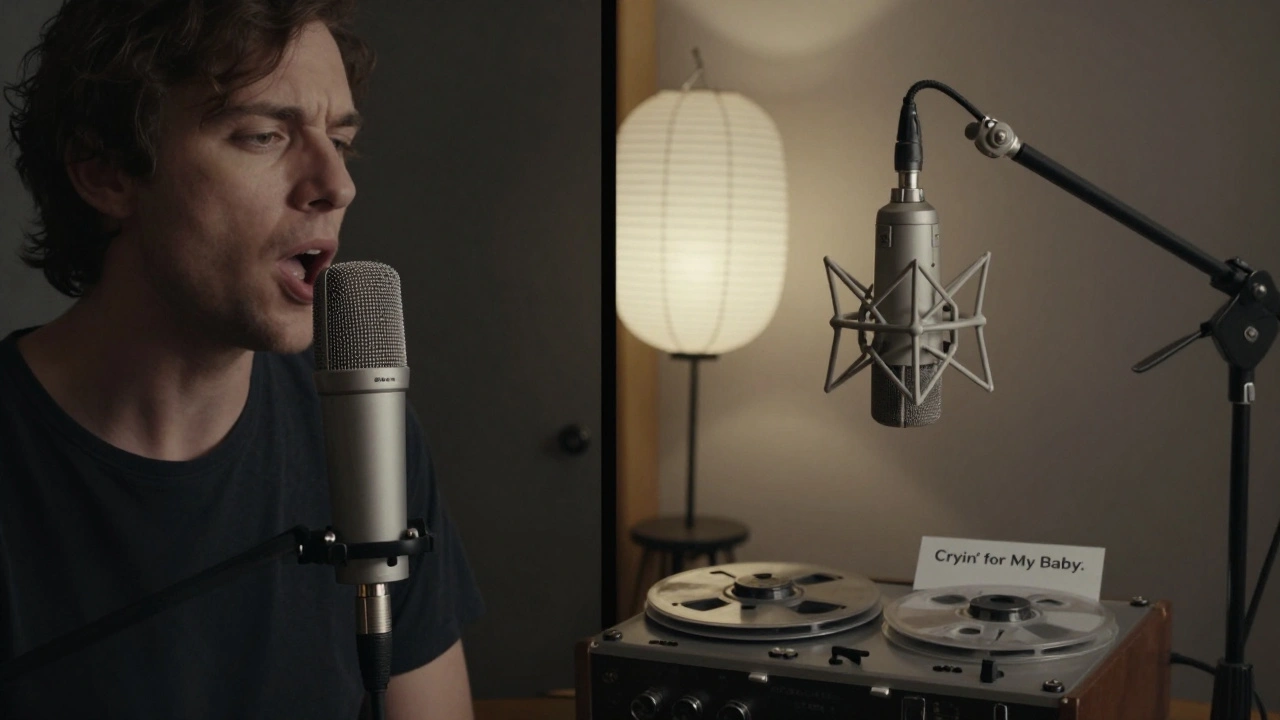
How Hill Switched Between Them
Hill didn’t use both mics on the same track. He chose based on the song’s heartbeat.- Up-tempo shuffle (e.g., "Rattle and Roll"): Bullet mic. Tight, snappy, in-your-face.
- Slow blues (e.g., "Last Train Home"): Condenser. Smooth, wide, emotional.
- Mid-tempo with call-and-response: He’d double-track-bullet on the left, condenser on the right-and pan hard. The contrast made the harp feel like it was moving across the stereo field.
Modern Gear: What’s Changed?
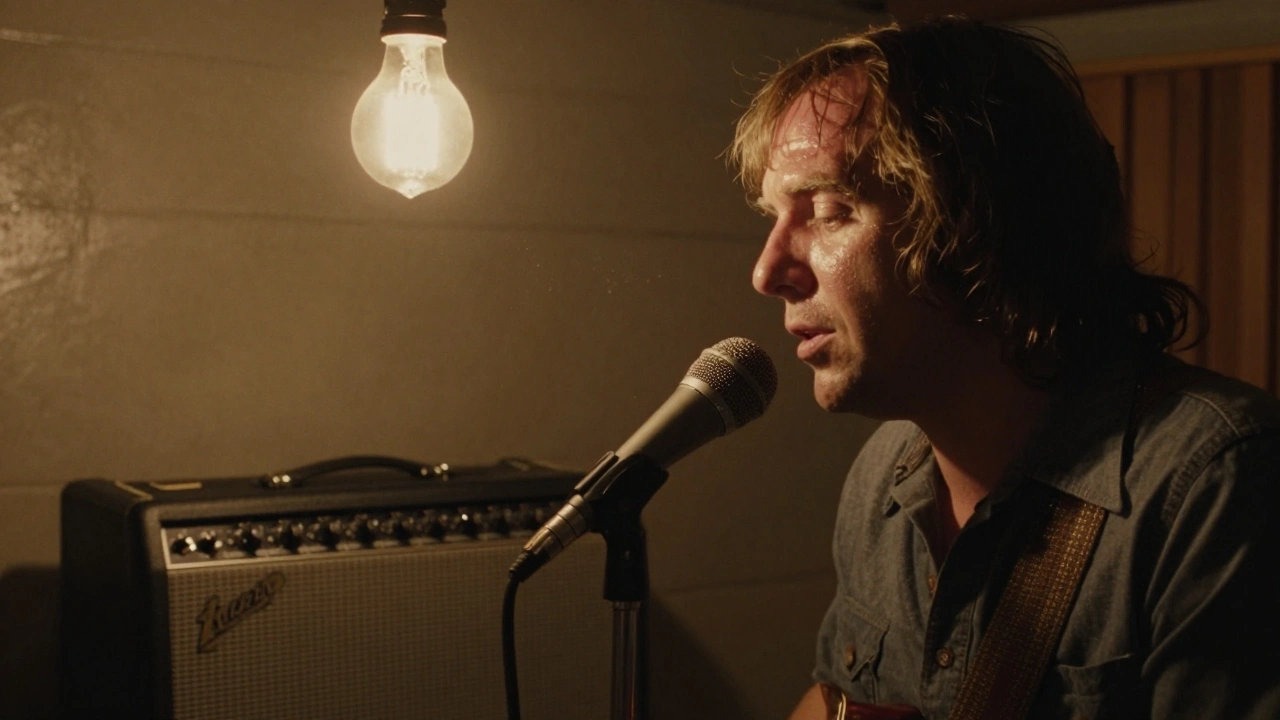
Today, you’ve got options. The Shure 545SD is still made, but now you can get the Audio-Technica ATM750, the Beyerdynamic M88, or even a ribbon like the Royer R-121. Condensers? The Audio-Technica AT4050, the Neumann TLM 103, the Rode NT1. But here’s the thing: none of them sound like Hill’s setup. Why? Because he didn’t just use the mic. He used the room. The garage had concrete walls, a metal roof, and a single 100-watt bulb. That room added a natural slap echo. The bullet mic picked it up as a short, tight slap. The condenser picked it up as a wash of decay. Modern producers try to replicate this with plugins. But you can’t simulate the physical interaction of a player leaning into a metal tube while sweat drips on the floor. The room wasn’t a problem-it was part of the instrument.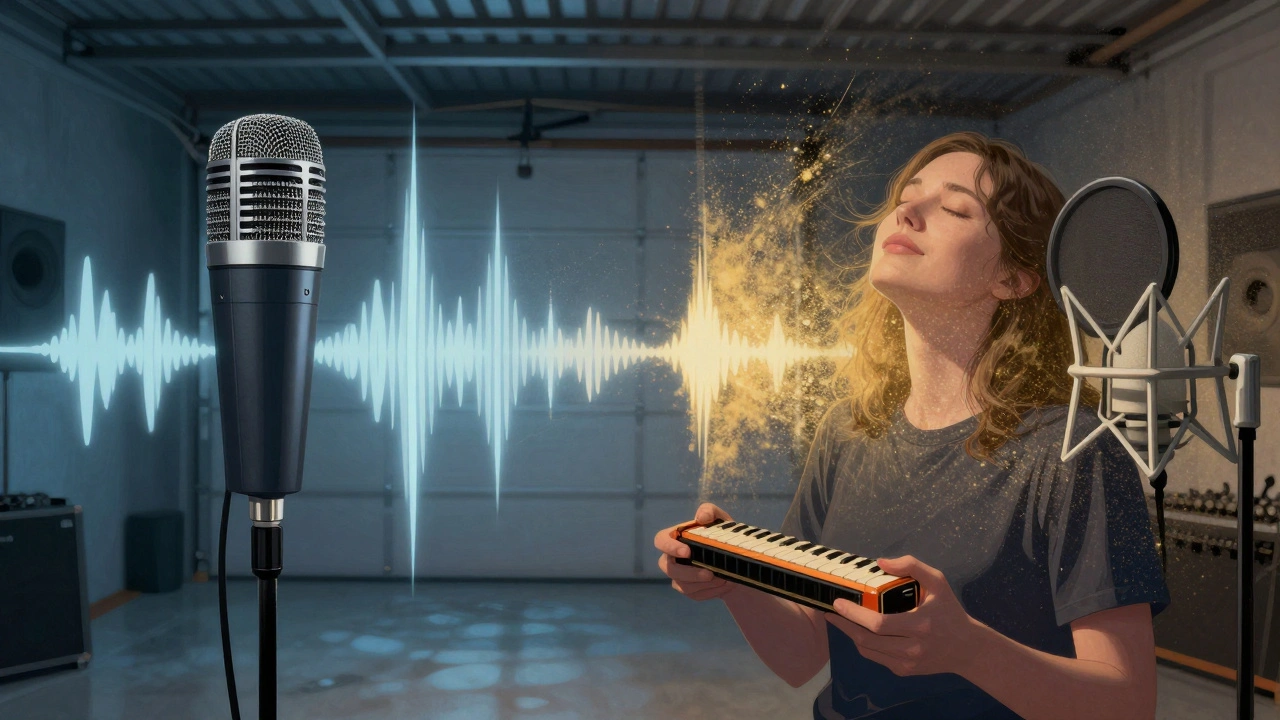
What You Should Try
If you’re recording harmonica today:- Start with a dynamic mic. A Shure SM57 or SM7B will give you 80% of Hill’s sound.
- Record close-1.5 to 3 inches. Angle the mic slightly off-center to avoid plosives.
- Use a pop filter only if you’re using a condenser. Bullet mics don’t need them.
- Try recording in a small room with hard surfaces. A bathroom works. A closet with clothes on hangers? Even better.
- Don’t over-EQ. The harmonica doesn’t need bass boost. It needs presence. Try a gentle shelf at 3 kHz.
Why This Still Matters
In an age of plugins and presets, Robert Hill’s method reminds us that tone isn’t made in software. It’s made in the moment. Between the player’s lungs, the reeds, the metal, and the room. The bullet mic isn’t "vintage." It’s direct. It doesn’t color the sound-it channels it. The condenser isn’t "professional." It’s revealing. It doesn’t hide the player’s breath-it sings with it. Hill’s recordings still sound alive because he didn’t chase perfection. He chased truth. And truth doesn’t need a high-end mic. It just needs the right one.Can I use a USB condenser mic for harmonica recording?
Yes, but with limits. USB condensers like the Audio-Technica AT2020USB+ or Rode NT-USB can work for demos or quiet passages. But they often lack the headroom for loud, aggressive playing. They’re also more sensitive to room noise. For serious recording, a standard condenser with an XLR cable and external preamp gives you more control and better sound quality.
Why do some harmonica players cup their hands around the mic?
Cupping the hands creates a resonant chamber that boosts midrange frequencies and adds a slight compression effect. It also helps block background noise and gives the player more control over tone. Robert Hill didn’t cup often-he preferred direct mic placement-but many blues players use it to shape their sound live. It’s a technique, not a necessity.
Is the Shure 545SD still a good choice today?
Absolutely. The Shure 545SD is still manufactured and prized for its durability and midrange punch. It’s a go-to for harmonica players who want that classic blues tone without modern processing. It’s not the only option, but it’s one of the few mics designed specifically for vocal and harmonica use-originally for radio announcers and street performers.
Do I need a preamp when using a condenser mic for harmonica?
Yes. Condenser mics require phantom power and often need a clean, high-gain preamp to bring out their detail. A cheap interface might add noise or distortion on loud passages. A good preamp-like the Focusrite Scarlett 2i2 or Universal Audio Volt-gives you headroom and clarity. Without it, you risk losing the subtle dynamics that make harmonica playing expressive.
Can I record harmonica without a mic, using just a pickup?
Not really. Harmonicas don’t have built-in pickups. Some players use external magnetic pickups (like the Hohner Harmonica Pickup), but these only capture reed vibration, not breath or room tone. The result sounds thin and unnatural. For authentic blues or folk tones, mic’ing is essential. Pickups are for experimental or electric styles, not traditional recordings.