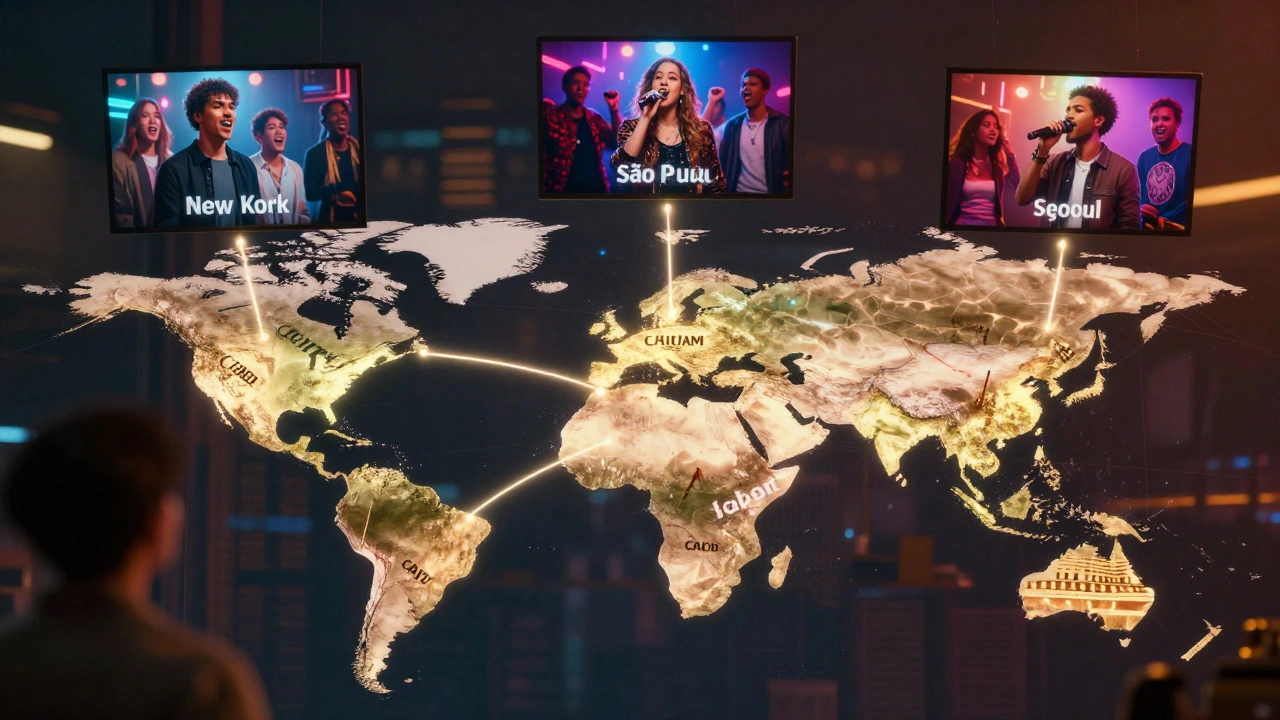
When a music video drops on YouTube or TikTok, it doesn’t just go live for one country. It goes live for the world. But here’s the problem: most fans who don’t speak the artist’s language never get to connect with the lyrics. They feel the beat. They love the vibe. But they miss the story. That’s where multi-language subtitles change everything.
Why Subtitles Are the Secret Weapon for Music Videos
Think about BTS, Bad Bunny, or Rosalía. They didn’t become global icons just because their beats were catchy. They won over millions because fans could finally understand what they were singing. Subtitles turned passive listeners into active participants. When someone reads the lyrics in their own language, they don’t just hear a song-they feel it. They memorize it. They sing along in the shower. They share it with friends who speak the same language.
YouTube data from 2025 shows that music videos with subtitles in three or more languages get 47% more watch time from non-native speaking regions. That’s not a small bump. That’s a surge. And it’s not just about views. It’s about engagement. Comments in Spanish, Indonesian, or Arabic spike. Fan art explodes. Cover versions pop up on TikTok. Subtitles turn a music video from a visual experience into a cultural moment.
How Subtitles Work Better Than Translation Alone
Let’s be clear: translating lyrics isn’t just swapping words. It’s rewriting emotion. A line like “I’m falling through the dark” in English might become “Estoy cayendo entre las sombras” in Spanish-but if you translate it too literally, you lose the rhythm, the rhyme, the punch. Good subtitles don’t just translate. They adapt.
Take the song “Levitating” by Dua Lipa ft. DaBaby. The English version has a playful, bouncy flow. The Spanish subtitle version doesn’t try to match every syllable. Instead, it uses slang like “flotando en el aire” to keep the feeling light and fun. The Portuguese version leans into rhythm with “dançando no espaço.” These aren’t translations-they’re reinterpretations.
Professional subtitle teams for music videos now include lyricists, dialect coaches, and even native-speaking fans who test how the lines sound when sung aloud. The goal? Make the subtitle feel like it was written in that language from the start.
Which Languages Should You Target?
You can’t subtitle in every language on Earth. That’s not practical. But you also can’t ignore the big ones. Based on 2025 streaming data from Spotify, YouTube, and Apple Music, here are the top five languages to prioritize for global music video reach:
- Spanish - Over 500 million native speakers, with massive growth in the U.S., Latin America, and Spain.
- Mandarin Chinese - The largest music market in Asia. Subtitles here open doors to China, Taiwan, and Southeast Asia.
- Portuguese - Brazil alone has 215 million people. Portuguese-speaking audiences are highly engaged on social media.
- Arabic - A unified cultural space across 22 countries. Subtitles in Modern Standard Arabic reach audiences from Morocco to the UAE.
- Indonesian - The fourth most spoken language in the world. Indonesia has over 280 million people, and YouTube is the #1 platform for music discovery there.
And don’t forget regional dialects. In India, a Hindi subtitle might reach 500 million people, but adding a Tamil or Bengali subtitle can double your audience in those states. Same goes for French-standard French reaches France and Canada, but adding Congolese French or Quebecois French taps into entirely new fanbases.
How to Get Subtitles Done Right
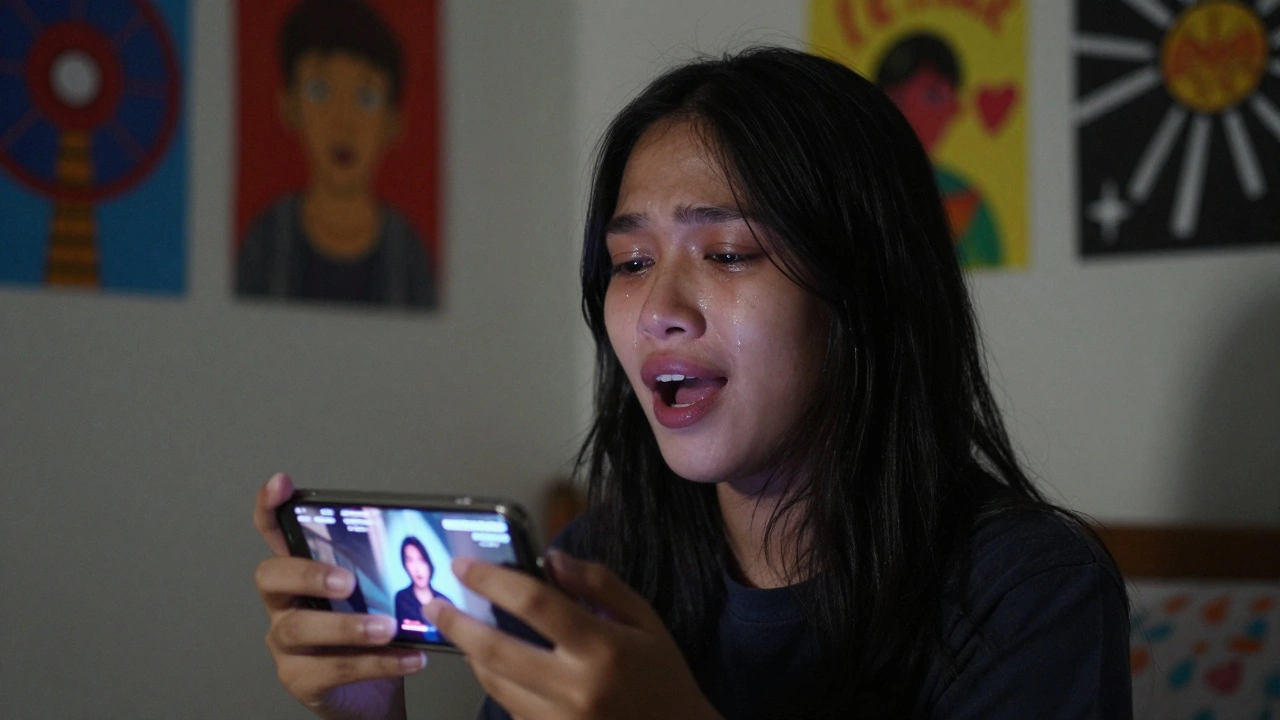
There are two ways to do this: DIY or professional. DIY sounds cheap, but it often backfires. A machine translation from Google or DeepL might get the words right, but it’ll butcher the rhythm. You’ll end up with subtitles that look robotic, awkward, or even offensive.
Here’s what works:
- Work with native lyricists - Not translators. Lyricists who understand music, rhyme, and cultural tone. Platforms like Fiverr and Upwork have specialists who’ve worked with labels like Sony and Universal.
- Use time-synced timing tools - Subtitles need to match the beat. Tools like Aegisub or Subtitle Edit let you align each line with the vocal phrasing. A delay of even half a second breaks the connection.
- Test with real fans - Send your subtitled version to fans in each target region. Ask: “Does this feel like the song?” If they say yes, you’re golden.
- Upload all versions - YouTube lets you upload up to 100 subtitle tracks. Don’t just add one. Add them all. Let the algorithm show the right one based on the viewer’s language settings.
Some artists even release “lyric videos” in multiple languages as separate uploads. That’s not spam. That’s strategy. Each version becomes its own discovery channel.
The Ripple Effect: More Than Just Views
When a music video gets subtitled properly, the impact goes far beyond YouTube stats. You start seeing:
- Local artists cover your song in their language-then tag you.
- Fan clubs form in cities you never marketed to.
- Streaming platforms start featuring your video in “Top International Hits” playlists.
- Brands reach out for sync deals because your video now has global cultural weight.
Look at the K-pop group NewJeans. Their 2023 single “Hype Boy” had subtitles in 12 languages. Within six weeks, it hit #1 on YouTube’s global music chart. Not because of ads. Not because of influencers. Because fans in Brazil, Egypt, and Poland could finally sing along.
Subtitles aren’t an add-on. They’re a bridge. And in 2026, the bridge is the only way to cross.
What Happens If You Skip Subtitles?
Ignoring subtitles isn’t just missing out. It’s leaving money on the table. Music videos without subtitles lose 60% of potential engagement in non-English markets, according to a 2025 study by Music Business Worldwide. That means:
- Your video might trend in the U.S. but stay invisible in Mexico.
- YouTube’s algorithm won’t recommend it to Spanish-speaking users, even if they love your genre.
- Fans will find cover versions in their language instead-and those versions will outperform yours.
It’s not about being perfect. It’s about being present. Even two subtitles-Spanish and Mandarin-can double your global audience. Three? You’re in the top 5% of globally connected artists.
Final Tip: Start Small, Think Global
You don’t need to subtitle your next video in ten languages. Start with one. Pick the language of your biggest international fanbase. If you have a strong following in Colombia, do Spanish. If your TikTok followers are mostly in Indonesia, go with Bahasa. Then track the numbers. Watch the comments. See how people react.
Once you see the jump in engagement, you’ll know: this isn’t a chore. It’s a catalyst. And the next time you drop a video, you won’t just be releasing music. You’ll be releasing a global experience.
Do music videos with subtitles get more views on YouTube?
Yes. Music videos with subtitles in three or more languages average 47% more watch time from non-native speaking regions, according to YouTube’s 2025 creator report. Subtitles also increase click-through rates from search results, especially in countries where English isn’t the primary language.
Can I use automatic subtitles from YouTube?
YouTube’s auto-generated subtitles are better than nothing, but they’re unreliable for music. They mishear lyrics, miss rhythm, and often get slang wrong. For example, “I’m feeling so alive” might become “I’m feeling so alive” with a 3-second delay. Fans notice. And they leave. Professional subtitles that match the beat and emotion are what turn viewers into fans.
Is it worth translating lyrics into languages I don’t speak?
Absolutely. Music isn’t just about language-it’s about feeling. A native speaker who understands the cultural tone of your song can adapt the lyrics in a way that feels authentic, even if they’re not fluent in your original language. Many successful multilingual music videos are subtitled by people who’ve never heard the original artist speak. What matters is their connection to the music and their ability to make it resonate locally.
How many subtitle tracks should I upload to YouTube?
Upload as many as you can reasonably produce. YouTube allows up to 100 subtitle tracks per video. There’s no penalty for having many. In fact, the algorithm uses them to recommend your video to users based on their language settings. Even if only 5% of viewers use a less common subtitle, that’s still thousands of new fans you wouldn’t have reached otherwise.
Do I need to subtitle every song in my album?
Start with your lead single. It’s the one most likely to go viral. Once it gains traction with subtitles, the momentum carries over to your other tracks. You can add subtitles to the rest later. But don’t wait. The first video you subtitle is the one that opens the door for everything else.