Recording vocals that cut through a mix isn’t luck. It’s a mix of technique, environment, and smart choices. Whether you’re tracking a lead vocal that needs to carry the whole song or stacking harmonies that feel alive, the process is the same: you need control, clarity, and character. Most home studios get stuck with thin, muddy, or lifeless vocals because they skip the basics. Let’s fix that.
Start with the Room
Your room is the first microphone. If it’s untreated, no amount of expensive gear will save you. Even a basic vocal booth made from moving blankets and foam panels makes a huge difference. Try this: clap your hands in the room. If you hear a long, ringing echo, you’ve got reflections that smear your vocal. A simple fix? Hang a thick blanket behind the singer, and place a foam panel on the wall directly opposite the mic. You don’t need a studio. You need control.
Try recording the same line in two spots-one near a wall, one in the middle of the room. Listen back. The difference isn’t subtle. The room that sounds dead isn’t necessarily better. You want a space that’s dry but not lifeless. A little natural ambience helps, but too much turns your vocal into a distant memory.
Microphone Choice and Placement
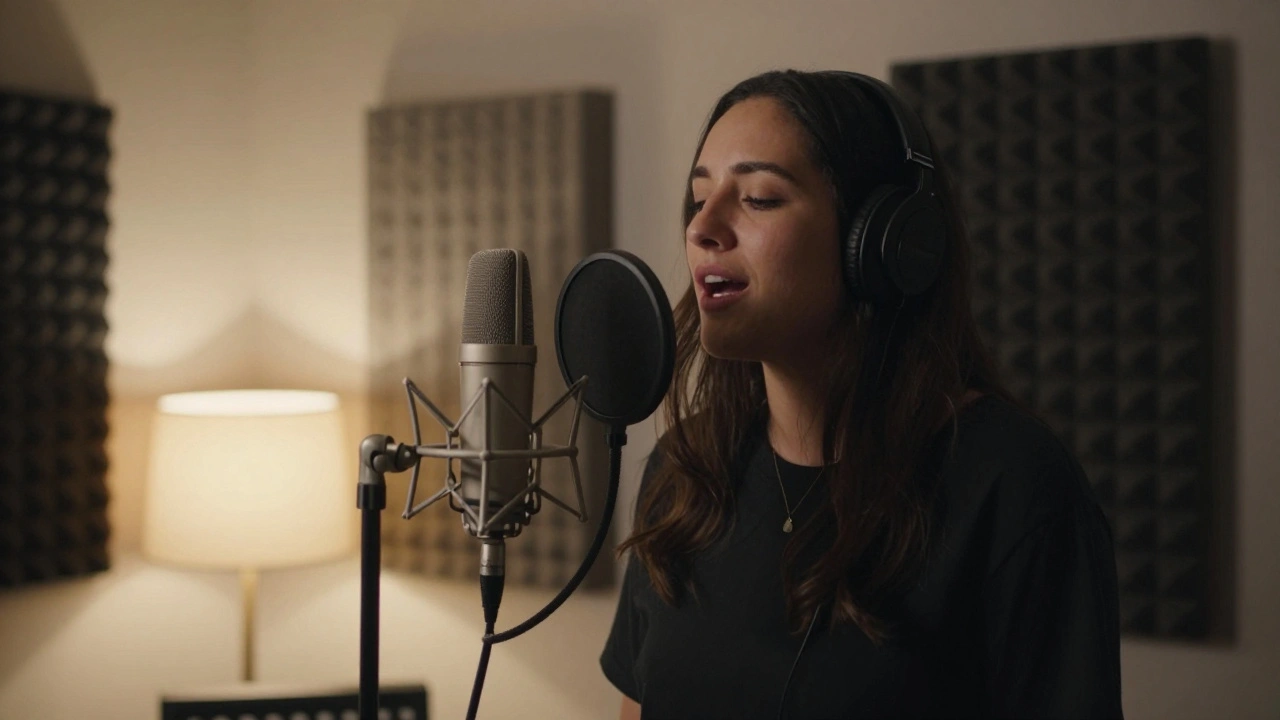
Not every mic works for every voice. A large-diaphragm condenser like the Audio-Technica AT4040 or Shure SM7B is a safe start. But here’s the trick: don’t just point the mic at the singer and hit record. Move it. Try 6 inches away. Then 12. Then 18. Record 3 takes. Compare them. You’ll hear how proximity affects warmth, breathiness, and plosives.
For lead vocals, most singers perform best 4-6 inches from the mic. Too close, and you get boomy bass (proximity effect). Too far, and you pick up room noise and lose presence. Use a pop filter. Always. Even if you think you don’t need one. A puff of air on a ‘P’ can ruin a take. And if you’re recording a high-energy vocal, angle the mic slightly off-axis. It reduces sibilance without killing clarity.
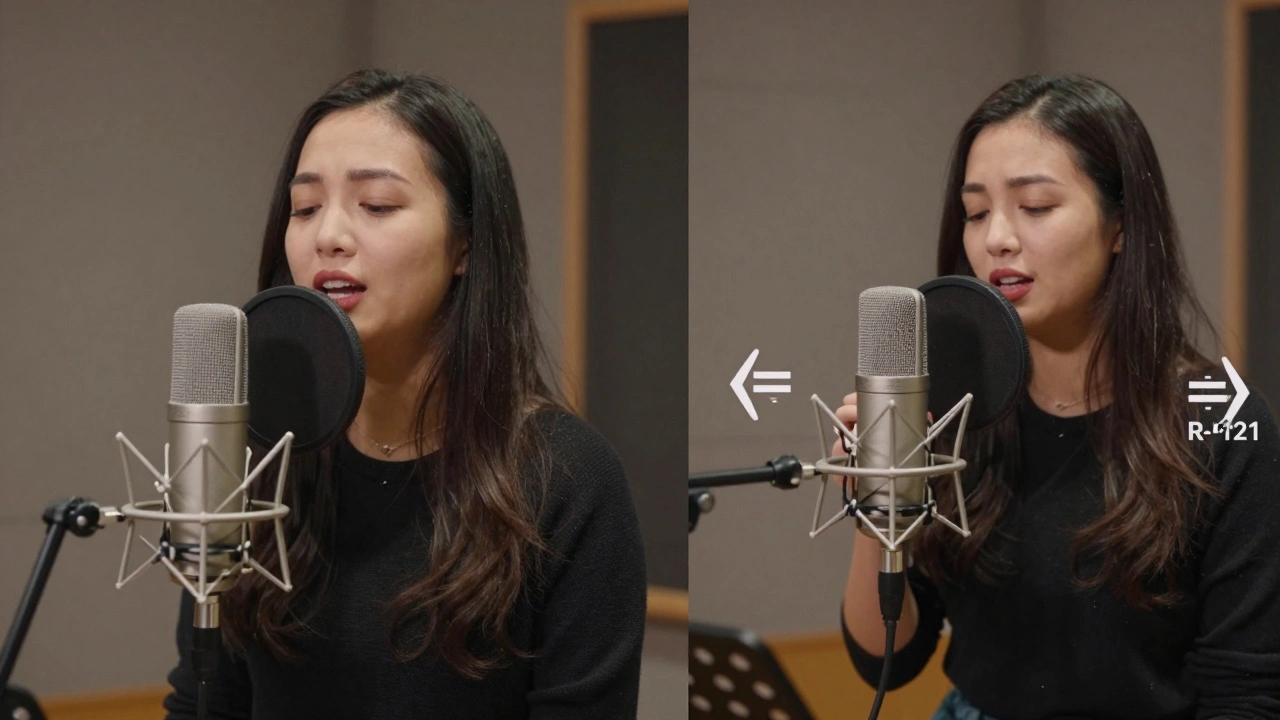
For harmonies, try a different mic. A ribbon mic like the Royer R-121 gives a smoother, less aggressive tone. It tames brightness and blends harmonies into the mix naturally. If you’re doubling harmonies, using a different mic on each layer adds subtle texture. It’s not about matching-it’s about complementing.
Performance First, Processing Later
Here’s the biggest mistake: trying to fix bad singing in the mix. No plugin can turn a flat, rushed, or hesitant performance into a powerful one. The best vocal takes are the ones where the singer forgets the mic is there. Record multiple takes. Don’t just do one pass and call it good. Do one relaxed, one emotional, one aggressive. Then compile the best parts. You don’t need one perfect take-you need one great performance.
Pay attention to timing. A vocal that’s slightly ahead of the beat feels urgent. One that lingers behind feels soulful. Don’t quantize vocals unless you’re going for a robotic effect. Natural timing gives emotion. If the singer rushes on the chorus, let it ride. It’s human. It’s real.
Recording Lead Vocals
Lead vocals are the center of gravity. Everything else orbits them. That means they need presence, clarity, and dynamic control. Record at a consistent level-around -18dBFS peak. This gives you headroom for processing later. Don’t compress while recording. You can always add compression later, but you can’t recover clipped peaks.
Use a high-pass filter. Cut everything below 80Hz. Even if the singer doesn’t sing low notes, the room and mic pick up rumble. That low-end mud eats up space in the mix. A gentle shelf at 3kHz boosts intelligibility. Try +2dB there. It makes the vocal cut through without sounding harsh.
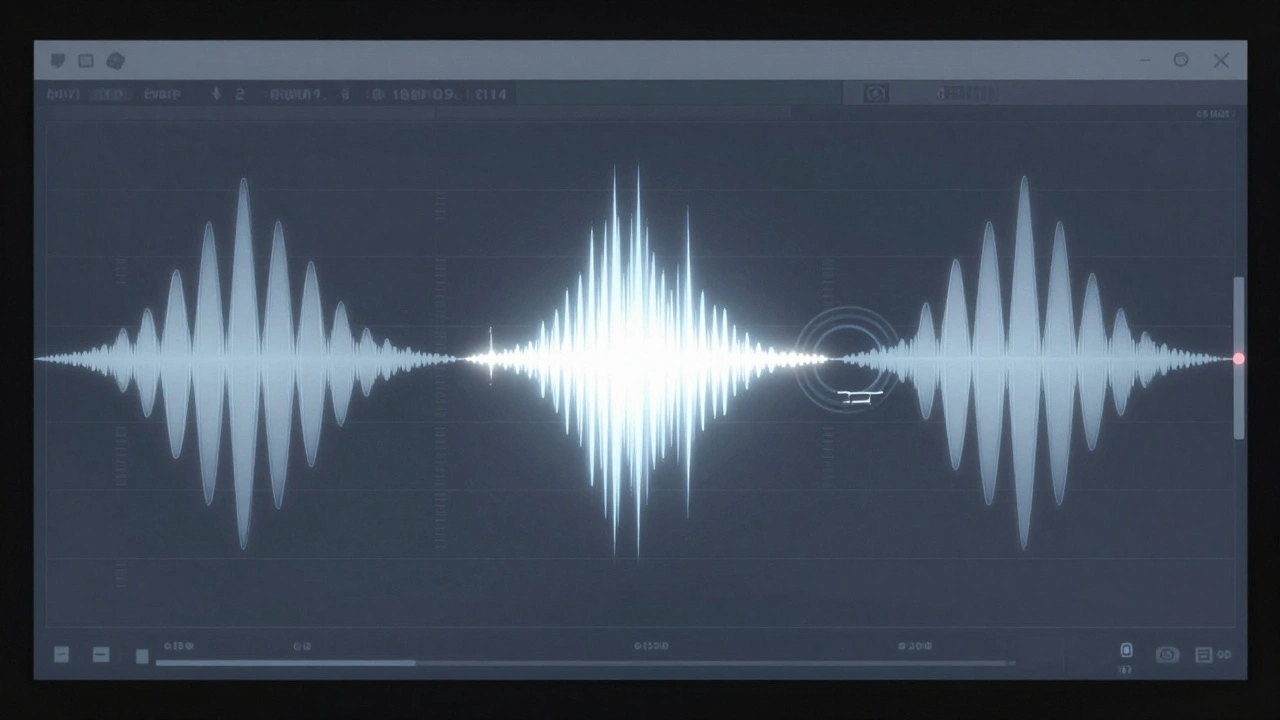
Double-tracking is your friend. Record the same lead vocal twice. Pan one slightly left, the other slightly right. Don’t sync them perfectly. Let them breathe. The slight timing differences create a thicker, more natural sound. It’s not doubling-it’s layering. This works even if you’re singing alone. It’s how most hit records sound.
Recording Harmony Vocals
Harmoies aren’t just backup. They’re emotional glue. The best harmonies don’t compete-they elevate. Start by singing the harmony line yourself. If you can’t sing it, you can’t record it. Write out the harmony parts. Don’t just copy the melody up a third. Try thirds, fifths, sixths. Sometimes a tenth sounds more interesting than a third.
Record each harmony part separately. Don’t stack them all in one take. That creates phase issues and muddiness. One harmony per track. Pan them wide: one at -30%, one at +30%. This opens up the stereo field. If you’re doing three-part harmonies, put the middle one dead center. It anchors the stack.
Use different vocal tones. If your lead is bright, make the harmony slightly darker. If the lead is breathy, make the harmony more chesty. Contrast creates depth. Try recording one harmony with a slightly different mic. A dynamic mic on a harmony can add grit that a condenser doesn’t. It’s not about perfection-it’s about texture.
Don’t overdo it. Three harmony layers max. More than that, and you lose clarity. Listen to classic records-The Beatles, Fleetwood Mac, Queen. They used harmony sparingly. One well-placed harmony hits harder than five muddy ones.
Processing: Less Is More
Don’t chain plugins like a DJ. Start with one compressor. Set the ratio to 3:1, threshold so it’s reducing by 3-6dB on peaks. Use a slow attack (20-30ms) so transients stay alive. Release around 80ms. That’s it. Then add a de-esser. Only if the ‘S’ sounds are piercing. Don’t touch EQ unless something’s clashing. If the vocal sounds good raw, leave it alone.
Reverb? Use a short room. 1.2 seconds max. Send the vocal to a reverb bus, not insert it. That way, you can control how much wet signal you send. For harmonies, use a slightly longer reverb-maybe 1.8 seconds. It blends them together without washing them out.
Delay? One slapback at 80ms can add depth without sounding artificial. Try it on lead vocals. It’s subtle. It’s vintage. It works.
Final Checklist
- Is the room treated enough to reduce reflections?
- Did you record at least 3 takes of each vocal part?
- Are lead and harmony mics chosen for their tone, not just availability?
- Are harmonies panned and layered for space, not just volume?
- Did you avoid over-compressing or over-EQing?
- Is the vocal sitting in the mix without fighting the instruments?
Common Mistakes
Trying to make every vocal sound perfect. Imperfections make it real. A slight breath between lines? Leave it. A note that wobbles a little? That’s emotion. You’re not building a robot-you’re capturing a person.
Using the same processing for lead and harmony. They serve different roles. Lead needs clarity. Harmony needs blend. Treat them differently.
Recording in a noisy environment. Background AC, laptop fans, or traffic ruin takes. Turn off everything that hums. Even your phone. Record in silence.
Not checking phase. If you’re stacking harmonies on the same mic, flip the phase on one track. Sometimes it cleans up the low end. Always listen.
Do I need an expensive mic to record great vocals?
No. Many hit records were made with mid-range mics. The Shure SM58, Audio-Technica AT2020, or even a smartphone can capture great performances if the singer is strong and the room is controlled. Gear matters less than technique. Focus on performance, mic placement, and room treatment before upgrading equipment.
How many harmony layers should I use?
Three layers is the sweet spot. Two harmonies (third and fifth above the lead) plus a doubled lead for thickness. More than that, and the mix gets cluttered. Listen to classic pop and rock-most use one or two harmony parts. Quality over quantity.
Should I compress while recording?
No. Compression during recording limits your options later. Record at a clean level-around -18dBFS-and add compression during mixing. This gives you room to shape the dynamics. If you’re worried about clipping, use a limiter instead, set to -3dB.
Can I use auto-tune for harmonies?
You can, but it’s risky. Auto-tune makes harmonies sound robotic if overused. It’s best for correcting small pitch issues, not creating harmony lines. The best harmonies are sung by a human. Use it sparingly-if at all. If you need perfect pitch, record multiple takes and manually edit the best ones.
What’s the best way to double a lead vocal?
Record the same part twice, with slight variations in timing and pitch. Don’t copy-paste. Sing it like it’s new. Pan one left, one right. Add a tiny delay (15-25ms) to one side. This creates width and depth without sounding artificial. It’s the secret behind most radio-ready vocals.