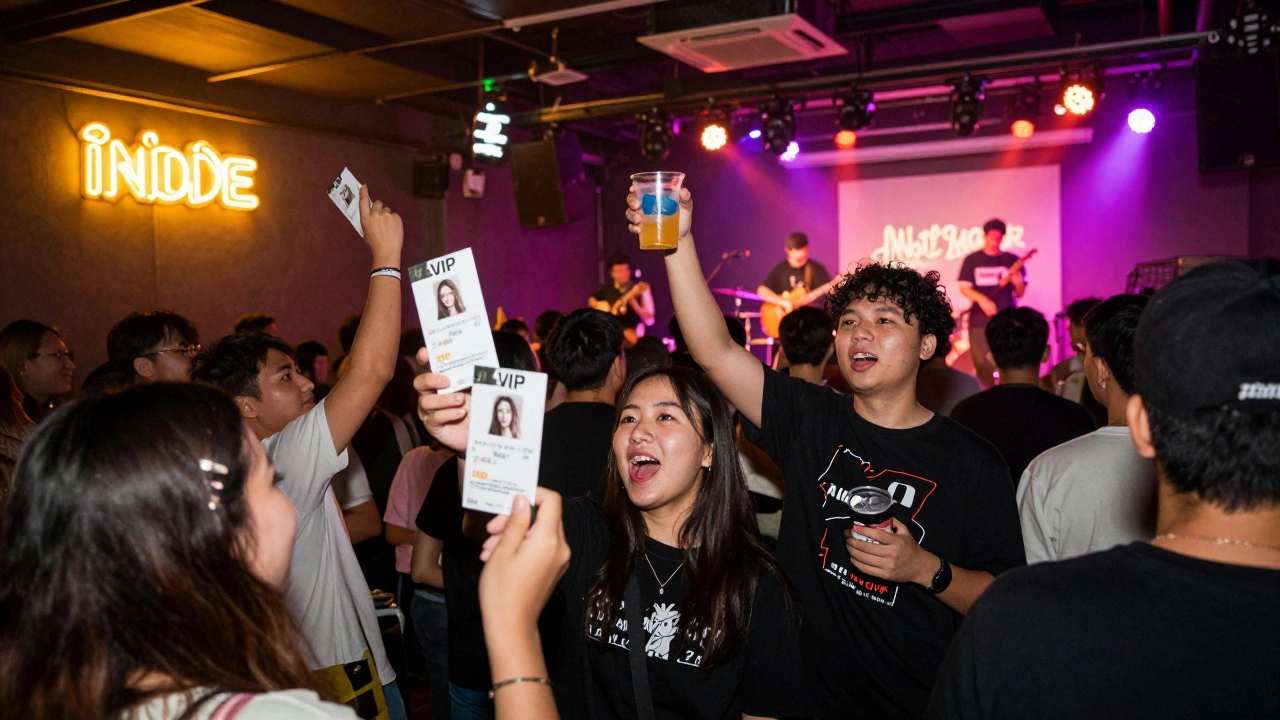
Getting people to buy tickets isn’t just about putting them up for sale. It’s about timing, value, and knowing exactly who your fans are. Too many event organizers treat ticket sales like a vending machine: put it out there, wait for money, and hope for the best. That doesn’t work anymore. If you want to sell out shows, build momentum, and avoid last-minute panic, you need a solid ticket sales strategy-especially when it comes to pricing and presales.
Why Pricing Isn’t Just a Number
Pricing isn’t about maximizing revenue on paper. It’s about perception. A $75 ticket might seem cheap if it’s for a local band playing a small club. But if that same price shows up for a headliner at a 5,000-seat venue, fans will feel nickel-and-dimed. The key is relative value.Look at how successful promoters handle it. In 2024, a major indie tour in the Pacific Northwest sold out 12 shows in under 72 hours. Their secret? They didn’t start at $80. They started at $65 for general admission, with $95 for VIP. That $30 difference wasn’t just for better seats-it came with early entry, a signed poster, and a limited-edition merch item. Fans didn’t see the price as high. They saw it as an experience worth paying extra for.
There’s also the danger of pricing too low. If your tickets are priced at $40 for a national act with a growing fanbase, you’re not just leaving money on the table. You’re telling people the event isn’t worth more. That hurts resale value, fan perception, and future demand. One Portland-based promoter saw ticket prices for their summer festival drop 22% year-over-year after they slashed prices to “increase accessibility.” Result? Ticket resale values cratered, and the event lost its premium positioning. The next year, they raised prices back up and added early-bird perks. Sales jumped 40%.
Presales Are Your Secret Weapon
Presales aren’t just for loyal fans. They’re a strategic tool to control demand, generate buzz, and filter out flaky buyers.Here’s how it works: before tickets go public, you offer them to people who’ve already shown interest. That could be past attendees, email subscribers, social media followers, or members of a fan club. In 2025, a touring folk-rock band used a 48-hour presale for their 2,000-capacity venue. They gave access to 1,800 people who’d bought tickets in the last two years. Within 11 hours, 1,600 tickets were sold. That left only 400 tickets for the public sale-and suddenly, the event looked like a hot ticket. Social media exploded. People started asking, “Why can’t I get in?” That FOMO drove public sales to 90% sell-through in 18 hours.
Presales also help you avoid bot-driven crashes. When tickets go public without a presale, scalpers and bots flood the system. But if 70% of your inventory is already claimed by real fans, the public sale becomes a secondary event-not a battleground. One venue in Portland used this method for their annual blues festival. In 2024, public sales crashed their system. In 2025, they did a presale for 1,500 members. Public sales opened with only 500 tickets left. No crashes. No complaints. Just steady, calm sales.
How to Structure Your Presale Tiers
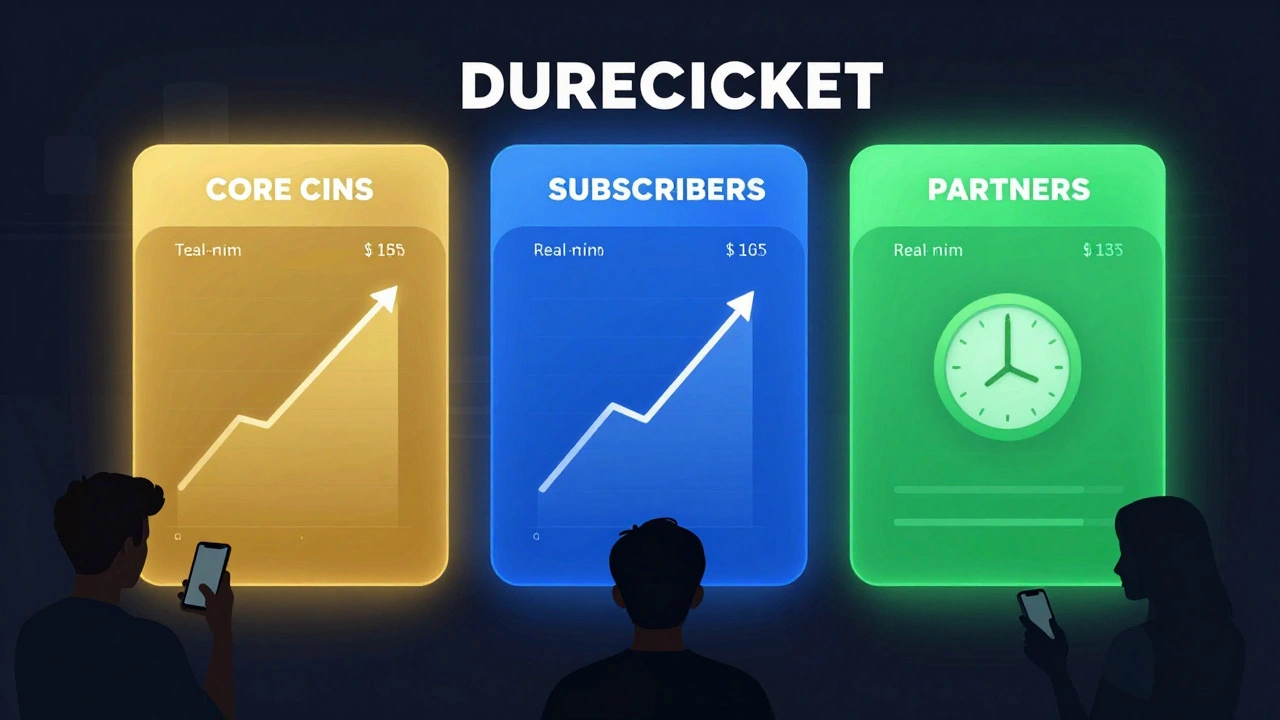
Not all fans are the same. You need to reward different levels of loyalty differently.- Core Fan Presale: People who’ve bought tickets in the last 12 months. Give them first access, 48-72 hours before the public.
- Subscriber Presale: People who signed up for your email list but haven’t bought yet. Offer them a 24-hour window after core fans.
- Partner Presale: Local businesses, radio stations, or sponsors get a small block of tickets to distribute. This builds community goodwill.
Don’t make it too complicated. A 2023 study by the Live Entertainment Association found that events with three clear presale tiers sold 31% more tickets than those with one or none. The key? Clear communication. Tell people exactly when they get access. Send reminders. Use subject lines like: “Your presale access starts in 2 hours-don’t miss out.”
Dynamic Pricing? Yes, But Not Like You Think
Dynamic pricing sounds scary. People think it means prices jump every time someone clicks. That’s not what it is. Real dynamic pricing is about matching supply with demand-without being greedy.Take a festival that sells 5,000 tickets. They start with three price points: Early Bird ($75), Standard ($95), and Last Chance ($120). They release 1,000 Early Bird tickets. If 800 sell in the first 24 hours, they release another 200. If only 400 sell, they hold back and adjust. The goal isn’t to make the most money per ticket. It’s to fill the venue without overpricing early buyers.
One touring act in Oregon used this model for their 2025 spring run. They started at $65. After 72 hours, they had sold 60% of tickets. They raised the next batch to $75. After another 48 hours, they hit 85%. Then they raised to $85 for the final 15%. They sold out. No one complained because the price changes were slow, predictable, and tied to real demand. Fans felt like they got a fair shot.
Bundle It-Don’t Just Sell a Ticket
A ticket is just a piece of paper. What you’re really selling is an experience. And experiences come with extras.Think about what adds value beyond the show:
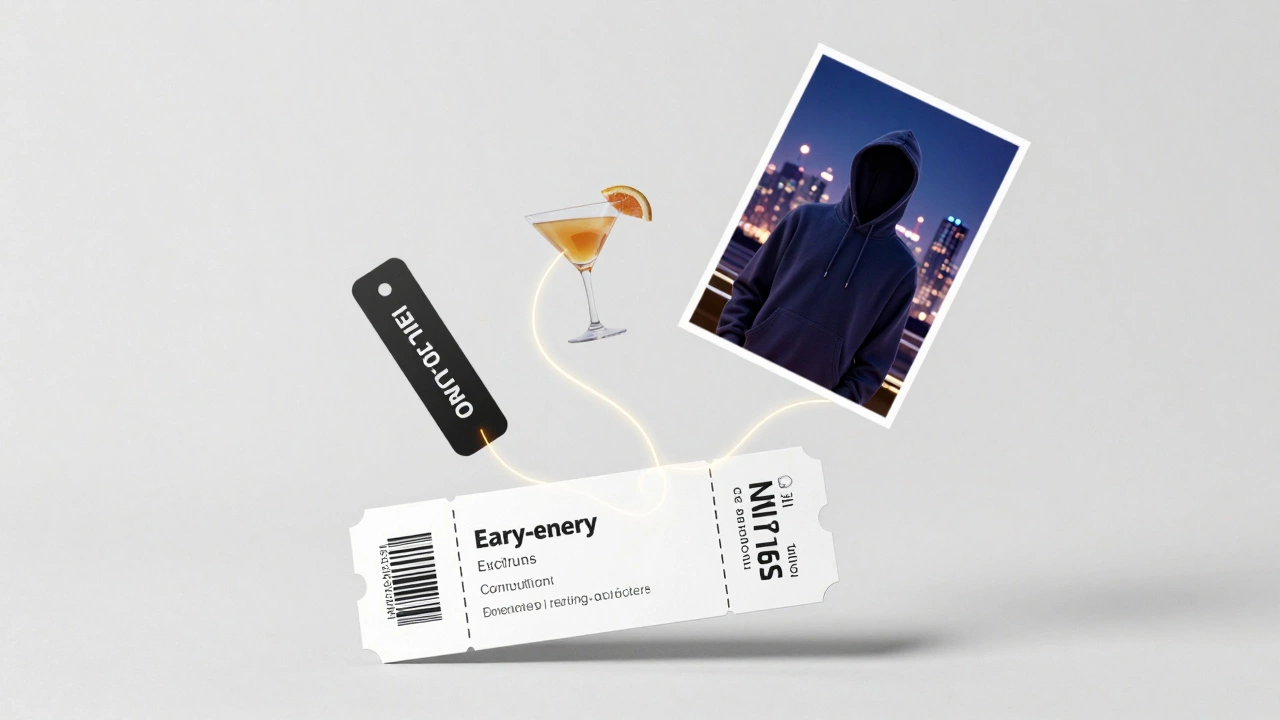
- Merchandise bundles: Buy a ticket + hoodie for $110 instead of $95 + $30 separately.
- Early entry: Let fans get in 30 minutes early for photo ops or meet-and-greets.
- Exclusive content: Access to a backstage livestream or a post-show Q&A.
- Local partnerships: Free drink ticket at a nearby bar, discounted parking, or a meal deal.
A Portland jazz club started bundling tickets with a free craft cocktail from a local distillery. They didn’t pay for the drinks-they partnered with the distillery, who got exposure. The club sold 28% more tickets in the first month. People didn’t just buy a show. They bought a night out.
What Happens When You Get It Wrong
Bad pricing and no presales lead to three things: empty seats, angry fans, and lost trust.In 2024, a national hip-hop tour launched tickets with no presale. The price was $85. Within 10 minutes, bots bought 30% of the inventory. The public sale crashed. Fans were furious. The promoter blamed the ticketing platform. But the real issue? They didn’t build a relationship with their audience. They didn’t give fans a reason to feel special.
By contrast, a smaller blues festival in Eugene, Oregon, used a simple system: 48-hour presale for email subscribers, 24-hour presale for past attendees, then public. They priced tickets at $55, with a $75 VIP option that included a meet-and-greet. They sold out in 17 hours. No crashes. No drama. Just happy fans.
Start Simple. Then Scale.
You don’t need fancy software or a big team. Start with what you have:- Identify your top 1,000 past ticket buyers.
- Send them a presale email 72 hours before public sale.
- Price tickets 10-15% below market for early buyers.
- Offer one small perk-early entry, a digital poster, or a drink ticket.
- Track what sells fastest. Adjust next time.
That’s it. No need to overcomplicate. The best ticket sales strategies aren’t the most high-tech. They’re the ones that make fans feel like they’re part of something special.
What’s the best time to launch a presale?
The sweet spot is 6-8 weeks before the event. That gives fans time to plan, budget, and tell friends. Launching too early (more than 10 weeks out) leads to low conversion. Launching too late (under 3 weeks) means people don’t have time to arrange travel or time off. Most successful events use a 7-week window.
Should I offer discounts for students or seniors?
Only if it aligns with your audience. If your event draws mostly young fans, student discounts make sense. But if your crowd is mostly 30-55, senior discounts won’t move the needle. Instead, offer family bundles or group rates. One venue in Portland found that a “4-for-3” ticket deal increased group sales by 60%-and it worked better than any age-based discount.
How do I prevent bots from taking tickets?
Use presales. Bots can’t access them. Also, require ticket buyers to log into an account tied to a past purchase or email list. Some platforms now offer CAPTCHA-style verification during checkout. But the best defense? Sell 70%+ of tickets through presales so bots only get the leftovers.
Can I change prices after tickets go on sale?
Yes, but be transparent. If you raise prices, explain why-“We’re seeing strong demand and want to ensure fair access.” If you lower them, do it quickly and clearly-“We have extra seats available at reduced rates.” Avoid surprise price drops. They make early buyers feel cheated.
What’s the biggest mistake in ticket pricing?
Pricing based on what competitors charge, not what your fans value. If your event has a unique vibe, a strong local following, or a rare lineup, don’t match someone else’s price. Charge what the experience is worth. Fans will pay more if they feel it’s authentic and exclusive.