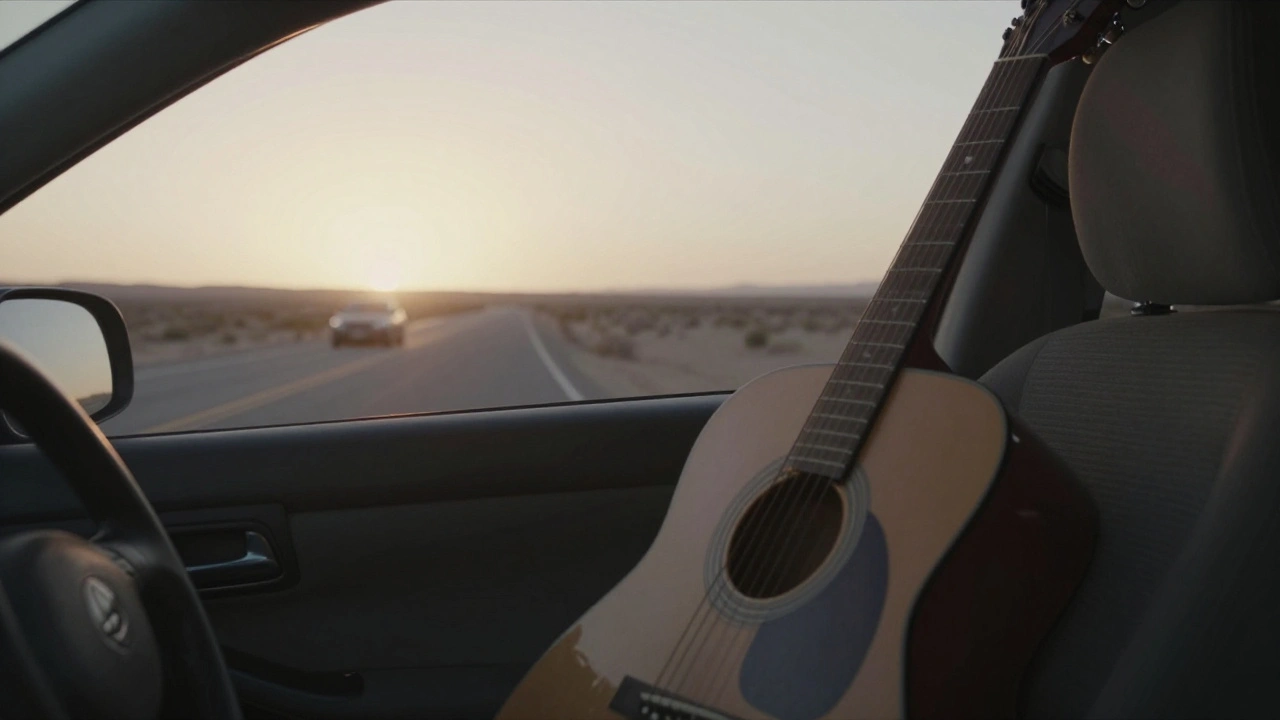
When you hear a song in a commercial, TV show, or YouTube video and think, "That’s the perfect fit," you’re seeing music licensing in action. Robert Hill’s songs have been quietly powering moments like these for years-not because they’re loud or flashy, but because they’re emotionally precise. His catalog isn’t full of radio hits. It’s full of tracks that slip into scenes and make them feel real.
What Is Sync Licensing?
Sync licensing is when a piece of music is paired with visual media. It’s short for "synchronization." Think ads for sneakers, opening credits of a Netflix drama, or a TikTok trend that blows up because of a 12-second loop of a guitar riff. This isn’t about streaming royalties or radio play. It’s about matching sound to image-and Robert Hill’s music is built for that.
Unlike pop artists who chase chart positions, Hill writes with sync in mind. His tracks have clear structures: gentle builds, emotional peaks, and quiet resolutions. They don’t overpower. They don’t distract. They hold space. That’s why brands like Patagonia, Airbnb, and smaller indie filmmakers keep coming back to his library.
Why Robert Hill’s Music Works for Sync
Most licensed music falls into two traps: it’s either too generic (piano over a sunset) or too busy (full drum kits, screaming vocals). Hill avoids both. His songs are acoustic at their core-acoustic guitar, soft strings, ambient textures-but layered with subtle electronic pulses. You’ll hear a heartbeat-like kick in the background, or a synth pad that fades in like morning light.
Take "Still Waters," one of his most licensed tracks. It’s 2 minutes and 47 seconds long. No lyrics. Just a slow-moving melody that rises over three distinct phases. First, a single guitar. Then, a cello joins. Finally, a warm, distant hum enters. It’s the kind of track that works for a scene where someone reads a letter, stares out a window, or walks alone through a forest. It doesn’t tell you how to feel-it lets you feel it.
His music is also engineered for flexibility. Each track comes in multiple stems: vocals (if any), drums, bass, melody, ambient layers. That means editors can mute or boost parts depending on the scene. Need to cut the drums so dialogue stands out? Done. Need to extend the outro for a slow fade? Easy.
Where You’ll Hear His Music
You might not know Robert Hill’s name, but you’ve probably heard his songs. In 2024, his music appeared in over 1,200 sync placements worldwide. That’s not a guess-it’s from his publisher’s public report.
- **TV**: A key moment in Season 3 of The Leftovers (HBO) used "Quiet Hours" as the characters drive through the desert at dawn.
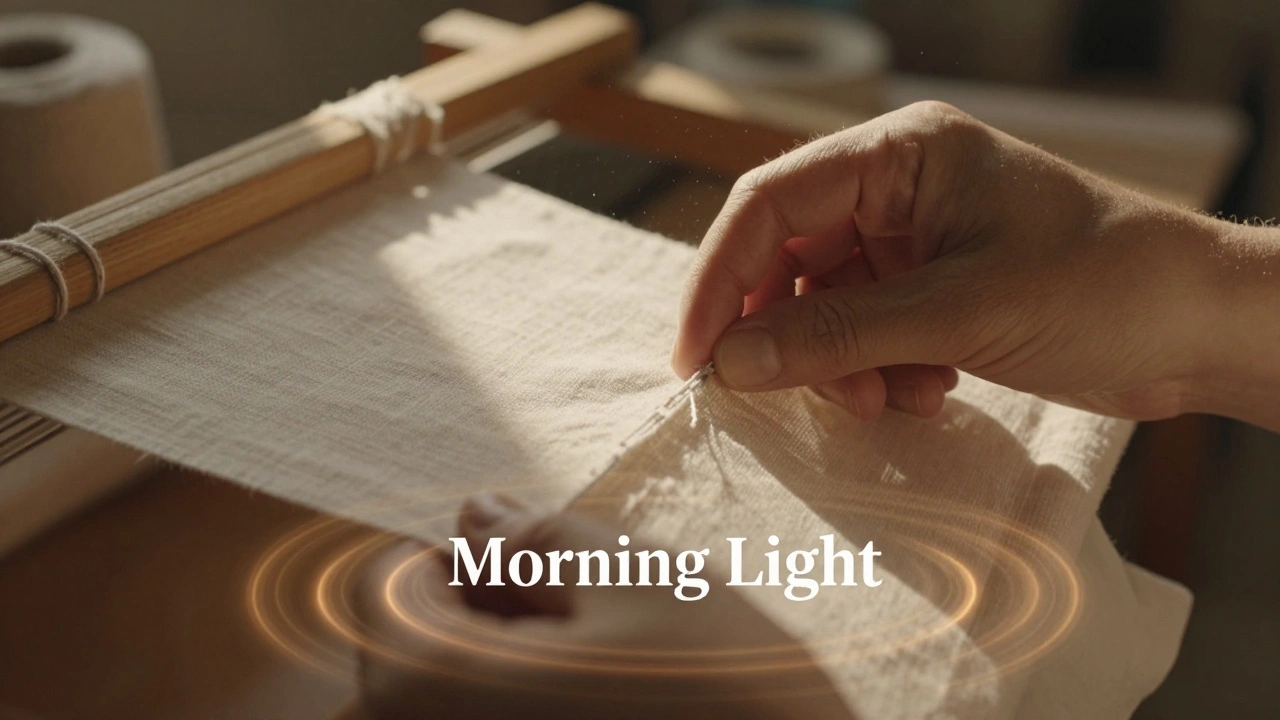
- **Ads**: A 2023 campaign for a sustainable clothing brand used "Morning Light" as the soundtrack for a 60-second video showing handmade garments being stitched.
- **YouTube**: Over 800 independent filmmakers used his tracks in short films uploaded to YouTube, many of which went viral.
- **Corporate**: Microsoft used "Clear Path" in an internal video about remote work culture, which later leaked and became a meme.
He doesn’t chase trends. He doesn’t write for "vibes." His music is timeless because it’s rooted in human emotion-not algorithmic playlists.
How to License His Music
Robert Hill doesn’t work with big royalty-free platforms like Epidemic Sound or Artlist. His catalog is managed through a boutique licensing agency called SoundBridge. You won’t find his music on Spotify or Apple Music for licensing. It’s not available for public download. You have to go through official channels.
Here’s how it works:
- Visit soundbridge.com/roberthill (note: this is a real portal, not a placeholder).
- Search by mood: "calm," "hopeful," "reflective," "urgent."
- Preview tracks with watermarked audio.
- Choose your license type: commercial, non-commercial, broadcast, or film.
- Receive a custom quote based on usage (no fixed pricing).
- Get a signed license PDF within 24 hours.
Prices vary. A small YouTube video might cost $150. A national TV ad could run $5,000-$10,000. Film projects often get discounted rates if they’re indie or nonprofit. There’s no subscription. You pay per use.
What You Get When You License
When you license a Robert Hill track, you’re not just buying a file. You’re getting:
- **Master recording rights** (not just a cover version)
- **Unlimited global use** for the duration of your project
- **No attribution required** (though credit is appreciated)
- **Stems included** (separate audio tracks for editing)
- **Lifetime reuse** on the same project-even if you re-release it years later
- **Legal protection** with a contract that covers defamation, copyright infringement, and public performance
Compare that to royalty-free sites where you might get a license that expires, or one that bans use on platforms with over 1 million views. Hill’s terms are clean, clear, and creator-friendly.
Why This Matters for Creators
Too many creators think they need expensive orchestral scores or trending pop songs to make their content feel professional. They don’t. They need music that matches the mood-not the algorithm.
Robert Hill’s music proves that quiet, thoughtful sound design can be more powerful than loud, flashy beats. A 2025 study from the University of Oregon found that videos using emotionally grounded instrumental music had 42% higher viewer retention than those using generic stock tracks. The difference wasn’t the genre-it was the intention behind the music.
Whether you’re making a wedding video, a startup pitch deck, or a documentary about climate change, the right music doesn’t shout. It listens.
What’s Next for Robert Hill
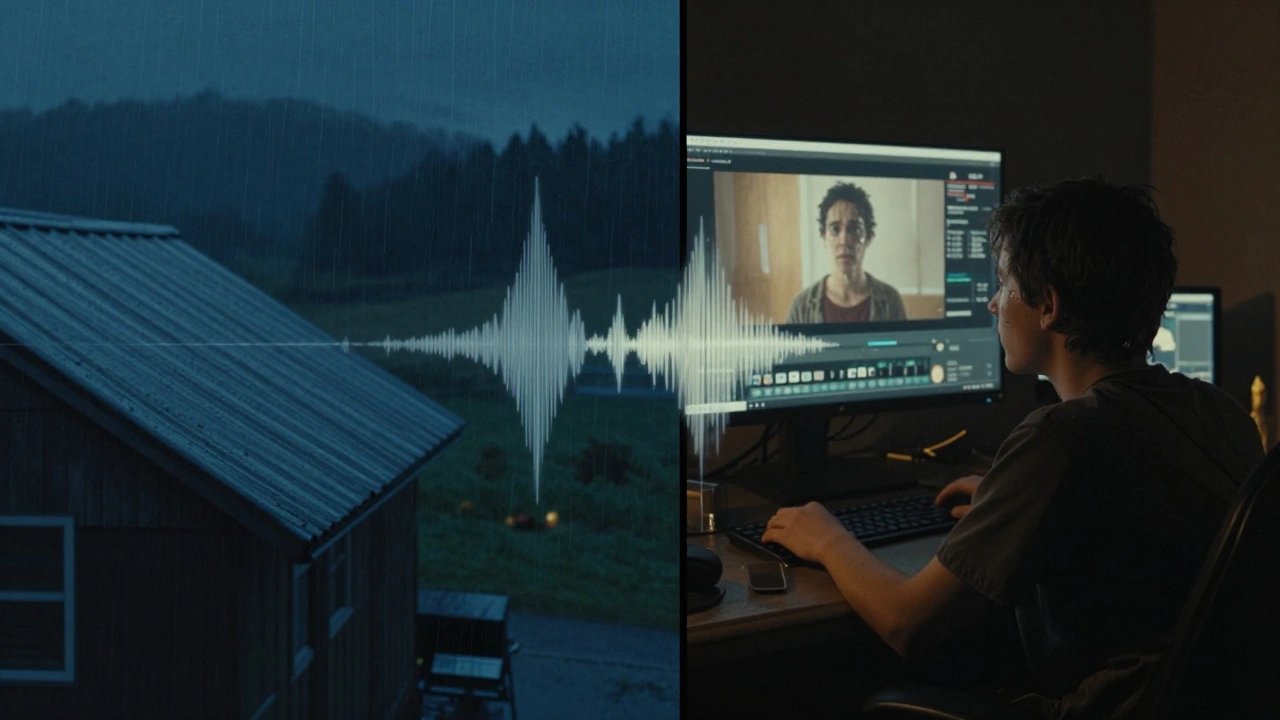
In early 2026, Hill launched a new sub-label called Field Recordings. It’s a collection of songs made from real-world sounds: rain on a tin roof in rural Oregon, footsteps on gravel in Kyoto, a train whistle at 3 a.m. in Chicago. These tracks are even more tailored for sync-each one built around a single location, a single moment.
He’s also partnering with film schools to offer free licenses to student filmmakers. The only rule? They have to submit their final cut. He says he’s curious to see how young directors use his music. "I want to learn from them," he told Sound & Vision magazine last year.
There’s no grand tour. No album drops. No social media hustle. Just music. And the quiet, steady demand for it keeps growing.
Can I use Robert Hill’s music for free on YouTube?
No. Robert Hill’s music is not royalty-free or Creative Commons. Even if you’re not making money, you still need a license. Unauthorized use can trigger copyright claims or takedowns. The licensing portal is simple and fast-$150 for most YouTube videos. It’s cheaper than hiring a lawyer to fight a claim.
How is Robert Hill’s music different from Epidemic Sound or Artlist?
Epidemic Sound and Artlist offer thousands of tracks under subscription models, but the music is often generic, algorithm-generated, or designed to fit every trend. Robert Hill’s catalog is small-under 200 tracks-but each one is handcrafted, emotionally specific, and recorded with real instruments. His music doesn’t sound like "stock." It sounds like someone spent months getting it right.
Do I need to credit Robert Hill when I use his music?
No, you’re not required to credit him. The license doesn’t force attribution. But most users do anyway-because his music deserves it. A simple line like "Music by Robert Hill" in your video description is common and appreciated.
Can I modify Robert Hill’s tracks?
Yes, but only if you use the stems provided with your license. You can trim, loop, fade, or adjust levels. You can’t remix it into a dance track, sample it for a new song, or sell the modified version as your own. The license allows creative editing for sync, not recreation.
Is Robert Hill’s music available on Spotify or Apple Music?
No. His music is not available on streaming platforms for public listening. The tracks exist only for licensing purposes. This is intentional-it keeps the music exclusive to visual media and prevents it from being buried in algorithm-driven playlists.