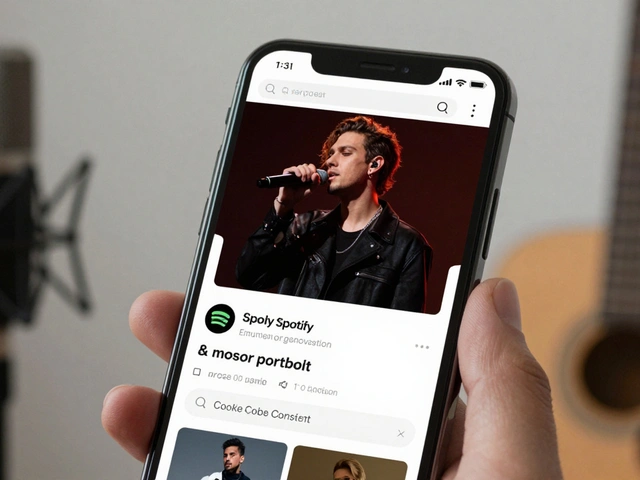
When a music blog runs a post about a new album that sounds exactly like the artist’s last release - but this time, it’s wrapped in glowing praise - you start to wonder. Was this really a genuine review? Or did the label just pay for a positive spin? Paid placements and sponsored posts in music media have become so common that many fans can’t tell the difference anymore. And that’s the problem.
What Paid Placements Really Look Like in Music Media
It’s not always obvious. A sponsored post might start with, “We’re thrilled to partner with [Label] to bring you this exclusive first listen.” That’s disclosure - but it doesn’t mean the content is unbiased. Some outlets run these posts as standalone articles, while others weave them into their regular review section. A 2024 survey of 120 independent music blogs found that 68% accepted payment for posts, and 41% of those didn’t clearly label them as ads. That’s not transparency. That’s deception.
Some creators blur the line further. They’ll say, “I love this album,” then add, “And yes, I was paid to talk about it.” That’s better than hiding it, but it doesn’t fix the deeper issue: if you’re getting paid to say something, your judgment is already compromised. You’re not reviewing music anymore. You’re selling a product.
The Ethical Tightrope
Music media used to be a trusted filter. Fans relied on zines, blogs, and radio hosts to cut through the noise and find real gems. Now, with streaming algorithms and paid promotion dominating discovery, the gatekeepers are being paid by the very companies they’re supposed to judge.
Think about it this way: if a food critic gets paid by a restaurant chain to write about their new burger, would you trust their review? Probably not. But in music media, we’ve normalized it. Why? Because we want to believe the passion is real. We want to believe someone out there still loves music enough to tell us what’s worth listening to - not what’s worth promoting.
There’s no law against paid placements. But there is a code of ethics. The Society of Professional Journalists says journalists should avoid conflicts of interest. The Music Bloggers Collective, a group of over 2,000 independent reviewers, has its own guideline: “If you’re paid to cover it, you’re not reviewing it - you’re advertising.”
ROI: Does It Even Work?
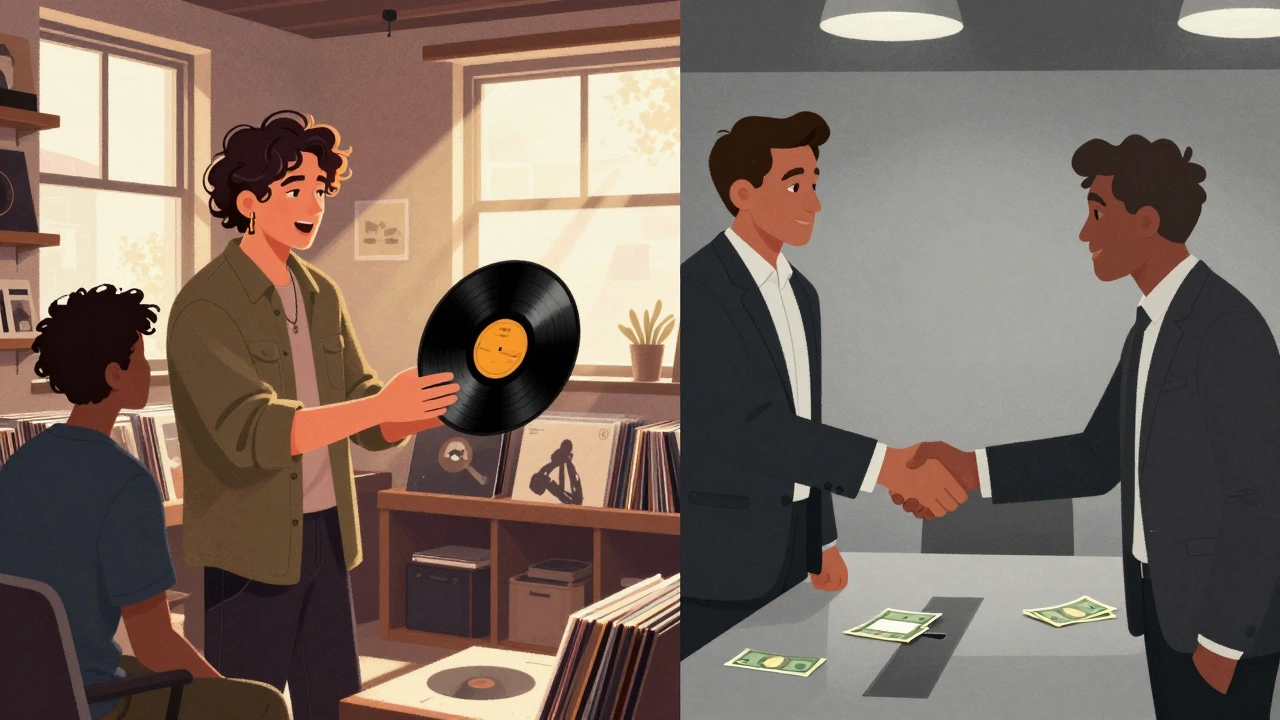
Labels and indie artists pay for these posts because they’re told it drives streams, follows, and ticket sales. But does it? A 2025 study by Music Data Analytics Group tracked 890 sponsored posts across 150 blogs and podcasts. The average increase in Spotify streams in the week after a paid post? 12%. For context, a single playlist placement on Apple Music’s “New Music Friday” typically drives a 400% spike.
And here’s the kicker: 73% of readers who clicked on a sponsored post didn’t remember it was paid. But 61% of those same readers said they felt “tricked” when they found out. That’s not just bad PR - it’s brand damage. The artist’s credibility takes a hit, the blogger loses trust, and the label ends up paying for negative sentiment.
What about long-term ROI? The same study found that artists who relied on paid placements were 3.2 times more likely to see a drop in organic engagement within three months. Fans start tuning out. They stop clicking. They stop sharing. Because they’ve been burned too many times.
What’s the Alternative?
There’s a better way. Some labels are shifting away from paid posts and toward genuine relationships. Instead of paying for a review, they send early access to trusted writers - no strings attached. The writer decides if it’s worth covering. If it is, they write about it. If not, they don’t. That’s how real credibility is built.
Take the indie label Dead Oceans. They stopped buying sponsored posts in 2023. Instead, they hosted a private listening session for 15 top music bloggers. No contracts. No payment. Just music. Three weeks later, 11 of those bloggers wrote about the album - all organically. The album hit #1 on Bandcamp’s indie charts. No paid promotion. Just trust.
Artists can do the same. Reach out to bloggers you actually admire. Share your music. Let them decide. If they love it, they’ll write about it. If they don’t, you’ve still built a real connection - not a transaction.
How to Spot a Paid Placement
You don’t need to be a detective. Here are five red flags:
- The review uses the same phrases as the label’s press release - word for word.
- The post is published right after a new single drops, with no context or background.
- The writer doesn’t mention any flaws - even the obvious ones.
- The article has no author bio, or the bio says “paid partner” but not “sponsored.”
- The post has zero comments, or all comments are from new accounts with no history.
If you see one of these, assume it’s paid. Then ask yourself: does this still feel like music journalism? Or just an ad in disguise?
The Future of Music Media
Some outlets are fighting back. A growing number of blogs now refuse any paid placements. Others are turning to reader-supported models - Patreon, Substack, donations. They’re proving that fans will pay to support honest criticism.
And fans are catching on. Reddit threads like r/MusicMediaWatch now have over 250,000 members who call out sponsored posts. TikTok creators are fact-checking reviews. YouTube channels are dissecting paid content with humor and skepticism.
The old model - pay for praise - is crumbling. The new model? Transparency. Authenticity. Trust. Those are the only things that still move music.
Are paid placements illegal in music media?
No, paid placements aren’t illegal. But they must be clearly labeled as advertisements under FTC guidelines in the U.S. and similar rules in the EU and UK. If a post says “sponsored” or “paid partnership,” it’s legal. If it hides the payment, it’s deceptive and can lead to fines or loss of platform access.
Do big labels only use paid placements, or do indie artists do it too?
Both. Big labels have bigger budgets, so they buy more placements. But indie artists often have less access to real promotion, so they turn to paid posts as their only option. That’s why you’ll see small artists paying $200 for a blog post - hoping it’ll break them out. The problem? Most of those posts get ignored, and the artist ends up worse off because their audience learns to distrust them.
Can a blogger still be trusted if they accept paid placements?
It depends. If they’re transparent, label every paid post clearly, and don’t let payment affect their tone, they can still be trusted. But if they’re hiding payments, giving glowing reviews to everything they’re paid to cover, or avoiding criticism - then no. Trust is built over time. One paid post won’t ruin it. But a pattern will.
What’s the best way for an artist to get real exposure without paying?
Build relationships. Send your music to bloggers you genuinely admire. Don’t ask for coverage. Just share it. If they like it, they’ll write about it. Join local music communities. Play live shows. Get noticed by fans first - the media follows the audience. Organic growth is slower, but it lasts.
Do streaming services care if a post is paid?
Not directly. But they do care about engagement. If a paid post leads to low listener retention - people skip the song after 10 seconds - the algorithm won’t push it. Paid posts might get clicks, but they don’t guarantee streams. Real fans do.
At the end of the day, music media’s value isn’t in how many posts it churns out. It’s in how many people still believe it. That belief is fragile. Once it’s gone, it’s hard to get back.