Translating a musician’s bio for international press isn’t just swapping words from one language to another. It’s about making sure the story still hits the same emotional chord halfway across the world. A bio that works in English might sound stiff, overly dramatic, or just plain confusing when translated literally. That’s why so many artists miss the mark - they treat translation like a technical task instead of a cultural one.
Why Literal Translation Fails
Imagine a bio that says: "This artist is a sonic revolutionary who shattered the boundaries of genre." Sounds cool in English, right? Now translate that word-for-word into Japanese. The result? A sentence that feels like a corporate press release written by a robot. Japanese media expects humility, context, and subtlety. "Sonic revolutionary"? That’s not a phrase anyone uses in a magazine interview there. They’d rather hear: "Her music blends traditional shamisen with electronic beats, creating a new sound that’s resonating with younger audiences."
Same goes for German. Over-the-top adjectives like "legendary," "groundbreaking," or "unmatched" come off as untrustworthy. German journalists want facts, not fluff. They’ll check if you’ve toured in Austria, played at Womad, or been featured on Deutschlandfunk. If your bio doesn’t include concrete details, it gets tossed.
And in Brazil? Emotional connection matters more than credentials. Saying "Award-winning artist with 12 platinum records" doesn’t move the needle. But saying "She wrote this song after her mother passed away - and now thousands sing it at funerals"? That sticks.
The Three Rules of Music Bio Translation
Here’s what actually works when you’re sending a bio overseas:
- Start with the story, not the resume. Who is this artist? What drove them to make music? What moment changed everything? Journalists care more about the why than the how many.
- Replace clichés with local equivalents. "Pioneering"? In France, use "inventive." "Trailblazing"? In Spain, try "redefining." "Fusion"? In Korea, say "blending traditions from [X] and [Y]."
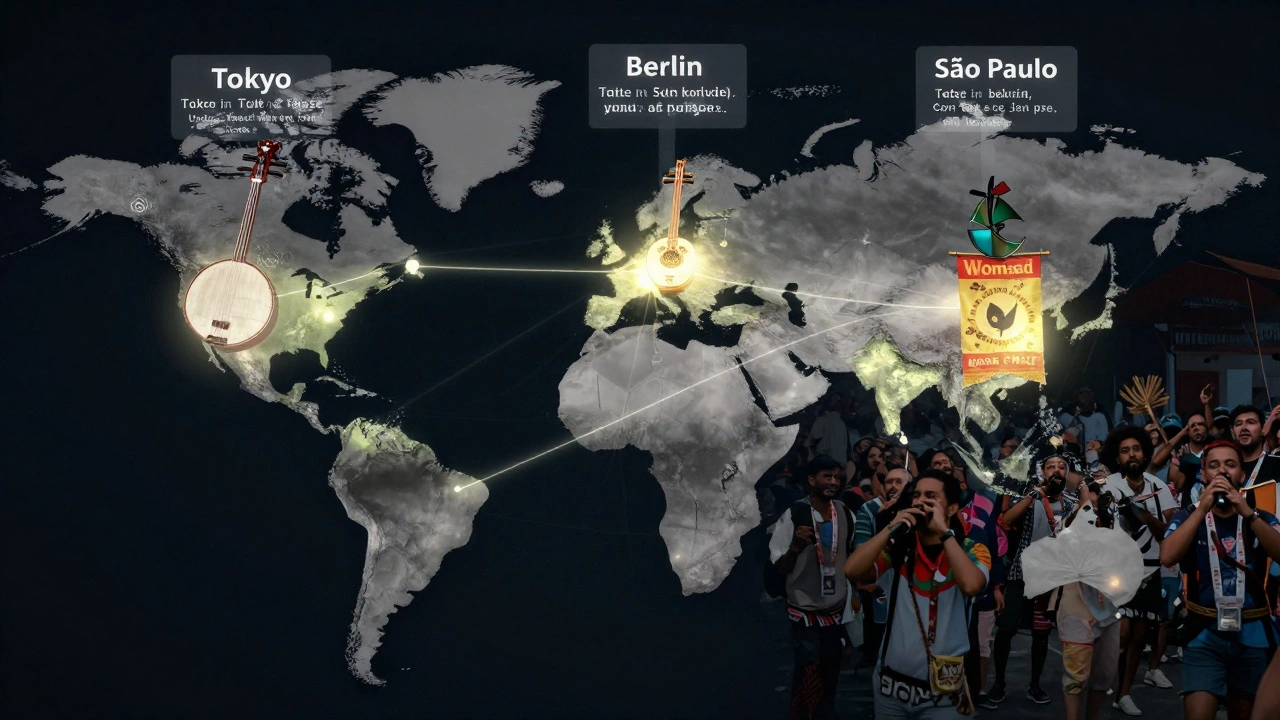
- Include what matters locally. If you’ve played at Coachella, mention it in the U.S. version. But for a French press kit? Name the festivals you played in Lyon or Montreux. For Japan? Mention radio appearances on FM Yokohama or TV spots on MBS. Local context builds credibility.
What to Cut (And What to Keep)
Here’s what usually gets removed in translation - and why:
- "Signed to [Label] since 2018." Unless the label is globally known (like Sony or Universal), leave it out. Most international editors don’t recognize indie labels.
- "Voted #1 Best New Artist by Rolling Stone." That’s U.S.-centric. If you won a prize in Germany, say so. If you were named Artist of the Year by BBC Radio 6 Music, include that.
- "Inspired by Bob Dylan, Prince, and Björk." These names might mean nothing in Indonesia or Nigeria. Replace them with local icons: "Inspired by the storytelling of Iwan Fals and the rhythm of Fela Kuti."
What to keep? Specifics. Dates. Locations. Names of collaborators. Instruments played. Studio names. Tour cities. These aren’t just details - they’re proof.
How to Find the Right Translator
You need someone who speaks both languages - and understands music culture in both places. Not every translator can do this. A legal translator won’t know what "lo-fi bedroom pop" means in Mandarin. A tourism translator won’t get why "noise rock" matters in Mexico City.
Look for translators who:
- Have worked with music PR agencies or labels before
- Follow local music scenes - they know who’s trending on Line Music in Taiwan or SoundCloud in Colombia
- Can explain why a phrase works (or doesn’t) culturally, not just grammatically
Ask them to translate a sample line from your bio - then ask: "Would this sound natural in a magazine interview?" If they hesitate, move on.
Real Example: From English to Korean
Original English bio snippet:
"Known for his explosive live performances and genre-blending sound, Alex Rivera has performed at major festivals including Coachella and Glastonbury. His debut album, Echoes in the Static, was praised by Pitchfork as "a bold new voice in electronic music."
Translated literally (bad version):
"그의 폭발적인 라이브 공연과 장르 혼합 소리로 유명한 알렉스 리버라는 코첼라와 글래스톤버리와 같은 주요 페스티벌에서 공연했습니다. 그의 데뷔 앨범 『Echoes in the Static』은 피치포크로부터 "전자 음악의 용감한 새로운 목소리"로 칭찬받았습니다."
Translated culturally (good version):
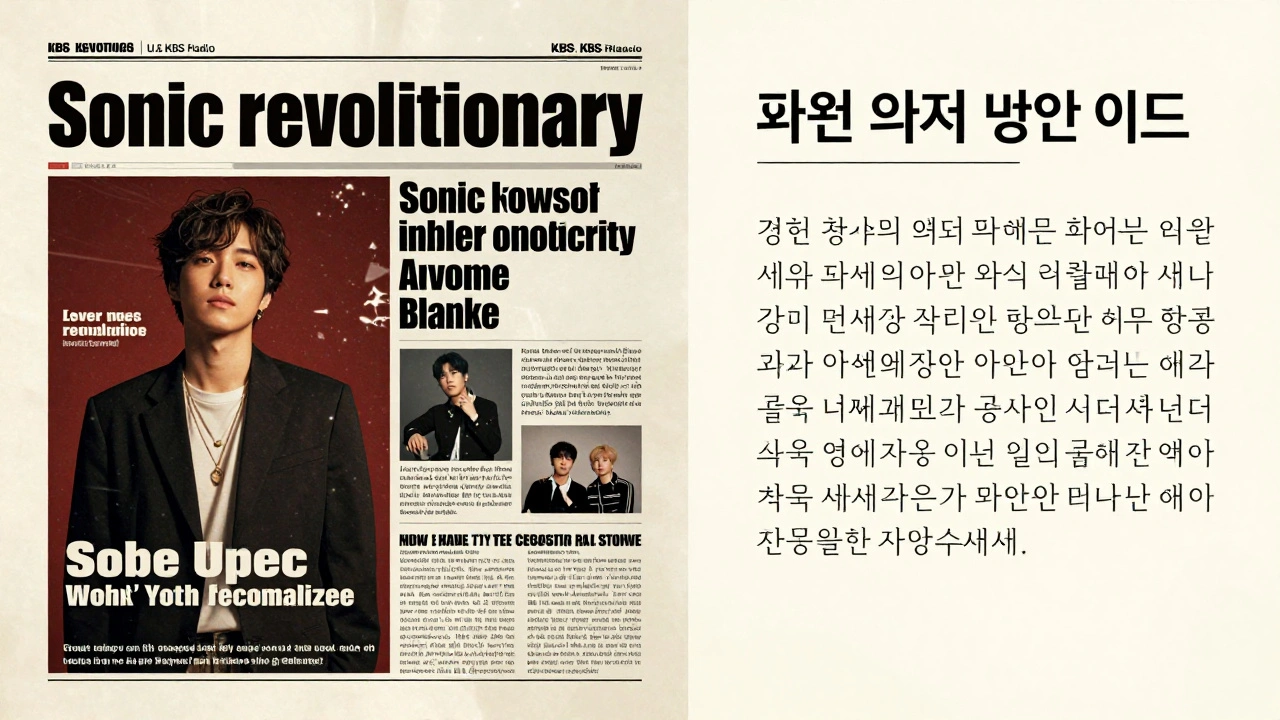
"알렉스 리버라는 전통 한국 선율과 전자 비트를 결합해 독특한 사운드를 만들어냈습니다. 2023년 서울에서 열린 ‘서울사운드 페스티벌’에서 1만 2천 명의 관객을 사로잡았고, KBS 라디오 ‘New Wave’에서는 그의 음악을 주간 추천곡으로 선정했습니다. 데뷔 앨범 『Echoes in the Static』은 미국 Pitchfork에 의해 "전자 음악의 새로운 방향"으로 소개되었고, 일본과 대만에서도 인기를 끌었습니다."
Notice the changes? No mention of Coachella - Korean press doesn’t care. Instead: Seoul Sound Festival, KBS Radio, and mentions of Japan and Taiwan. That’s the kind of detail that gets coverage.
Don’t Forget the EPK
Your bio isn’t the only thing that needs translation. Your entire Electronic Press Kit - photos, videos, press releases - should be adapted. A photo of you in a leather jacket might look cool in the U.S., but in conservative markets like Saudi Arabia or parts of Southeast Asia, it could turn off editors. Include alternate images: one with you in traditional local clothing, one in a studio setting, one performing outdoors.
Video captions? Always subtitled - don’t assume they’ll watch without them. Press releases? Rewrite them. A headline like "BREAKING: New Album Drops Tomorrow!" works in English. In French? "Un nouvel album qui réinvente le son de la génération actuelle." (A new album that reinvents the sound of today’s generation.)
Common Mistakes to Avoid
- Using Google Translate. It gets names wrong, kills tone, and turns metaphors into nonsense.
- Keeping U.S.-centric references. "Like Taylor Swift" means nothing in Nigeria. "Like Yiruma" means something in South Korea.
- Forgetting punctuation rules. In German, quotation marks look like this: „like this.“ In French, there’s a space before colons.
- Not checking for offensive metaphors. "Fighting demons" might sound poetic in English, but in some cultures, it implies mental illness stigma.
Final Tip: Test It
Before sending your translated bio out, give it to someone in that country - not a translator, but a music journalist, a radio host, or even a fan who reads local press. Ask: "Would you believe this? Would you write about this?" If they say no, go back. If they say yes - you’ve got a bio that travels.
Can I use the same bio for every country?
No. A one-size-fits-all bio rarely works. Each market has different expectations. What sounds impressive in the U.S. might sound arrogant in Japan or too vague in Germany. Tailor the focus: highlight local tours, radio play, or cultural influences that matter to that region.
Should I translate my awards and accolades?
Only if the award is recognized there. Mentioning a Grammy in Germany is fine - it’s globally known. But if you won "Best New Artist" from a local indie magazine in Portland, leave it out unless you’re targeting U.S. press. Instead, highlight wins or features from local outlets in the target country.
How do I know if my translator understands music culture?
Ask them to explain the difference between "indie rock" and "lo-fi pop" in their language. Or ask them to name three current artists in their country who are breaking out right now. If they can’t, they’re not the right fit. A good music translator follows local charts, listens to regional playlists, and knows which venues matter.
Do I need to translate my social media bios too?
Yes - especially if you’re targeting international fans. A bio that says "Producer. DJ. Music nerd." won’t connect in Mandarin. Try: "음악을 만드는 사람. 밤새워서 트랙을 고치는 사람. (The person who makes music. The one who stays up all night fixing tracks.)" Keep it human, not robotic.
What if I can’t afford a professional translator?
Reach out to music students at universities abroad, or connect with local music bloggers. Many are eager to help and will trade translation for exposure - maybe a feature on your website, or a shoutout on your socials. Just make sure they understand your music and can write in the tone of the local press.