Choosing the right music video director isn’t just about who has the fanciest camera or the biggest social media following. It’s about finding someone who understands your sound, your vision, and how to turn emotion into moving images. A great director doesn’t just film your song-they make people feel it. And if you’re trying to stand out in a crowded space, the difference between a good video and a viral one often comes down to one person behind the lens.
Start with their portfolio-not their resume
Don’t waste time reading bios that say "award-winning" or "worked with major labels." Look at what they’ve actually made. Scroll through their YouTube channel, Vimeo profile, or Instagram reels. Ask yourself: Do their videos feel alive? Or do they look like templates? A director who only does the same flashy drone shots and slow-motion jumps isn’t the right fit if your song is quiet, intimate, or deeply personal.
Pay attention to how they handle lighting, movement, and pacing. Does the video match the mood of the music? For example, if your track has a haunting, slow build, does their work use long takes and shadowy tones? Or do they jump into chaotic cuts that distract from the emotion? The best directors don’t force their style-they adapt it to the song.
Style matters more than experience
Some directors have worked with Beyoncé. Others have shot videos in basements with a rented DSLR. The ones who matter are the ones whose visual language fits your music. Think about artists like Tame Impala or Billie Eilish-their early videos had distinct looks that became part of their identity. That didn’t happen because they hired someone with 20 years of experience. It happened because the director got their vibe.
If your music leans into surrealism, go for someone who plays with dream logic. If it’s raw punk energy, find someone who shoots handheld, gritty, and real. Don’t try to match industry trends. Trends fade. A strong visual identity lasts.
Ask how they collaborate
A director who treats you like a client to be managed won’t give you the best result. The best ones treat you like a partner. Ask: "How do you involve the artist in the creative process?" Do they send mood boards before you even meet? Do they ask you what scenes or images come to mind when you hear the song? Or do they just show you a pre-made concept and say "this is what we’re doing"?
Good directors don’t just take orders-they ask questions. They want to know what the song means to you. They’ll ask about your childhood, your influences, your fears. That’s how they find the truth in your music. If they don’t care about your story, they won’t capture it.
Check their team and gear
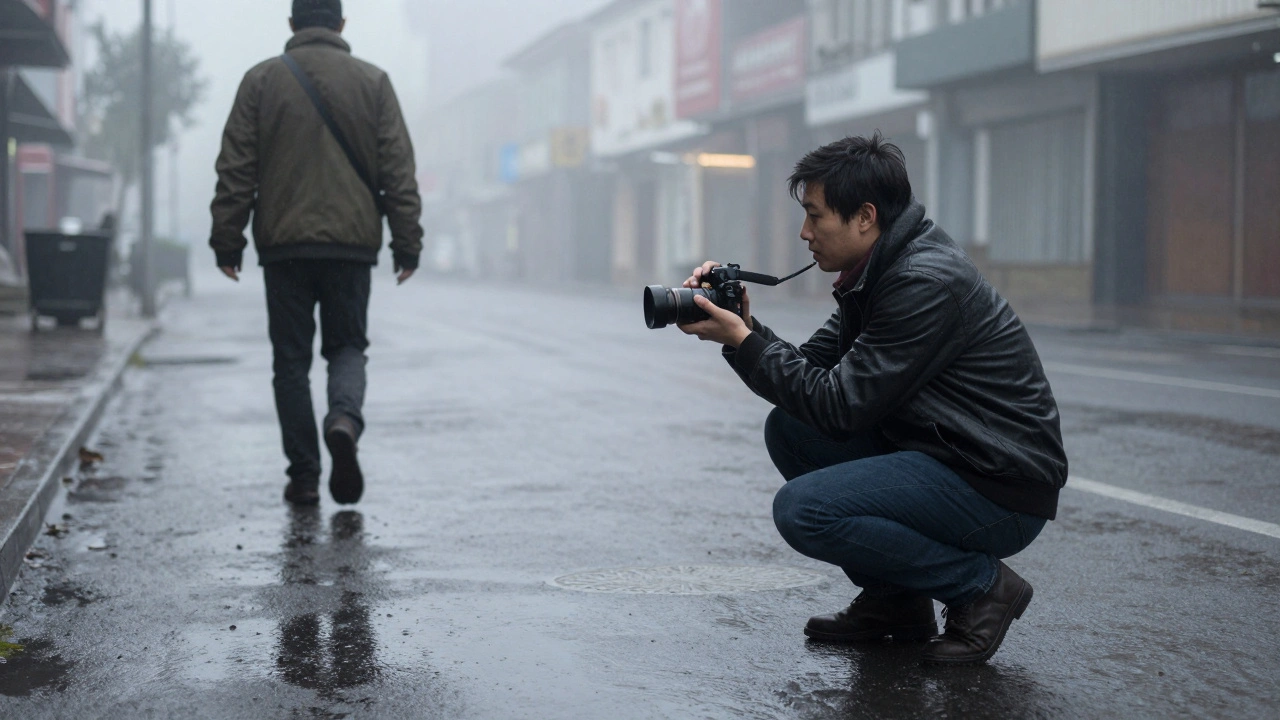
You don’t need a $500,000 production. But you do need someone who knows what tools actually matter. A director who uses a RED camera but doesn’t know how to light a face properly will give you worse results than someone using a Sony A7 IV and natural light.
Ask who’s on their team. Do they have a trusted cinematographer? A stunt coordinator if you’re doing action? A colorist who understands tone? A good director doesn’t do everything alone. They know how to build a crew that elevates the vision. If they say "I do it all," that’s a red flag. No one can be great at everything.
Also, ask about location scouting. A video shot in a real abandoned warehouse feels different than one shot on a set that looks fake. Real places add texture. Real weather adds mood. Real people in the background? That’s gold.
Watch how they handle budget
Most artists work with tight budgets. A great director doesn’t say "no" to your budget-they find creative ways to work within it. They’ll suggest shooting at sunrise to save on lighting. They’ll use friends as extras instead of hiring a casting agency. They’ll find a free location with great architecture instead of renting a studio.
Watch out for directors who immediately push for expensive VFX, drones, or motion control rigs. Those aren’t magic. They’re tools. If they can’t explain how those tools serve the story, they’re selling you specs, not art.
Ask: "What’s the one thing you’d cut if we lost 30% of the budget?" Their answer tells you everything. Someone who cuts the camera? Bad. Someone who cuts the catering? That’s someone who knows what matters.

Trust your gut
You’ll meet three directors. One has a perfect reel. One is super chill. One is intense and talks like a film professor. Which one do you want to spend three days with, covered in sweat and dirt, trying to capture a moment that might never happen again?
The best director isn’t always the most talented on paper. It’s the one who makes you feel safe. Who listens when you say, "I don’t like that." Who laughs when you’re tired. Who shows up early and stays late. Who doesn’t treat this like a job-but like a shared mission.
Music videos aren’t made with gear. They’re made with trust. If you don’t feel it, walk away. You’ll regret hiring someone you don’t believe in-even if their reel looks amazing.
What to avoid
- Directors who only show one style-no variety means no adaptability.
- Those who won’t show you behind-the-scenes footage or bloopers-real work is messy.
- People who talk more about their awards than your song.
- Anyone who says "I’ll make it look like [famous artist]" without asking what your music is about.
- Directors who don’t have a clear contract or timeline. No written plan? No trust.
Final checklist before you sign
- Have you watched at least 5 of their videos all the way through? Not clips-full videos.
- Does their style match the emotional arc of your song?
- Can they explain why they chose certain shots or colors for past projects?
- Do they ask you questions about your music, not just your budget?
- Are they responsive? Do they reply within 24 hours?
- Is there a clear breakdown of deliverables: rough cut, final, social cuts, raw footage?
- Do you feel excited talking to them-or just relieved they said "yes"?
If you answered "yes" to most of these, you’ve found your director. If not, keep looking. The right person is out there. And when you find them, your song won’t just be heard-it’ll be seen.
How do I know if a director’s style matches my music?
Listen to your song on repeat while watching their past videos. Does the mood line up? If your song is angry and fast, do their videos have sharp cuts, bold colors, and kinetic movement? If it’s slow and melancholic, do they use long takes, dim lighting, and quiet compositions? The best match isn’t about technical skill-it’s about emotional tone. If you feel the same feeling in their work as you do in your music, you’ve got the right fit.
Should I hire a director who’s never done a music video before?
Yes-if their other work shows strong visual storytelling. Some of the most memorable music videos were made by directors who came from documentary, fine art, or even theater. What matters is their ability to translate emotion into movement. A first-time director with a killer short film or commercial might bring more originality than someone with 10 years of generic music video work. Look at their creativity, not their credits.
How much should I expect to pay for a music video director?
Budgets vary wildly. A basic video with a small crew might cost $5,000-$15,000. A high-end production with actors, locations, and VFX can go up to $100,000+. But price doesn’t equal quality. Many great directors work for less because they’re building their portfolio. Ask for a detailed breakdown: How much goes to crew, gear, location, editing? Avoid vague quotes. A transparent budget means they respect your money-and your vision.
Can I direct my own music video?
Absolutely-if you have a clear vision and the time to learn. Many artists, especially in indie and punk scenes, direct their own videos. But be honest: Are you good at managing people? Handling lighting? Editing? If not, it’s better to team up with someone who knows those things. You can still be the creative lead, but let a cinematographer or editor handle the technical side. Collaboration beats solo struggle.
What if I don’t have a budget at all?
Start small. Film in natural light. Use your phone. Recruit friends who can help with camera, editing, or acting. Many viral videos were made with zero budget-think "Old Town Road" or "Blinding Lights" early versions. Focus on authenticity over polish. A raw, honest video with real emotion will connect more than a slick one with no soul. Your first video doesn’t need to be perfect. It just needs to be real.