Blues isn’t a single sound. It’s a hundred different stories told through slide guitars in Mississippi, harmonica wails in Chicago, and soulful vocals in Texas. If you’re trying to build a career in blues, you can’t treat every market the same. What works in Memphis won’t fly in Detroit. And that’s where regional A&R comes in-not the corporate kind, but the real, boots-on-the-ground kind that knows who’s playing where, who’s got the crowd, and who’s about to break out.
Why Regional A&R Matters More Than Ever
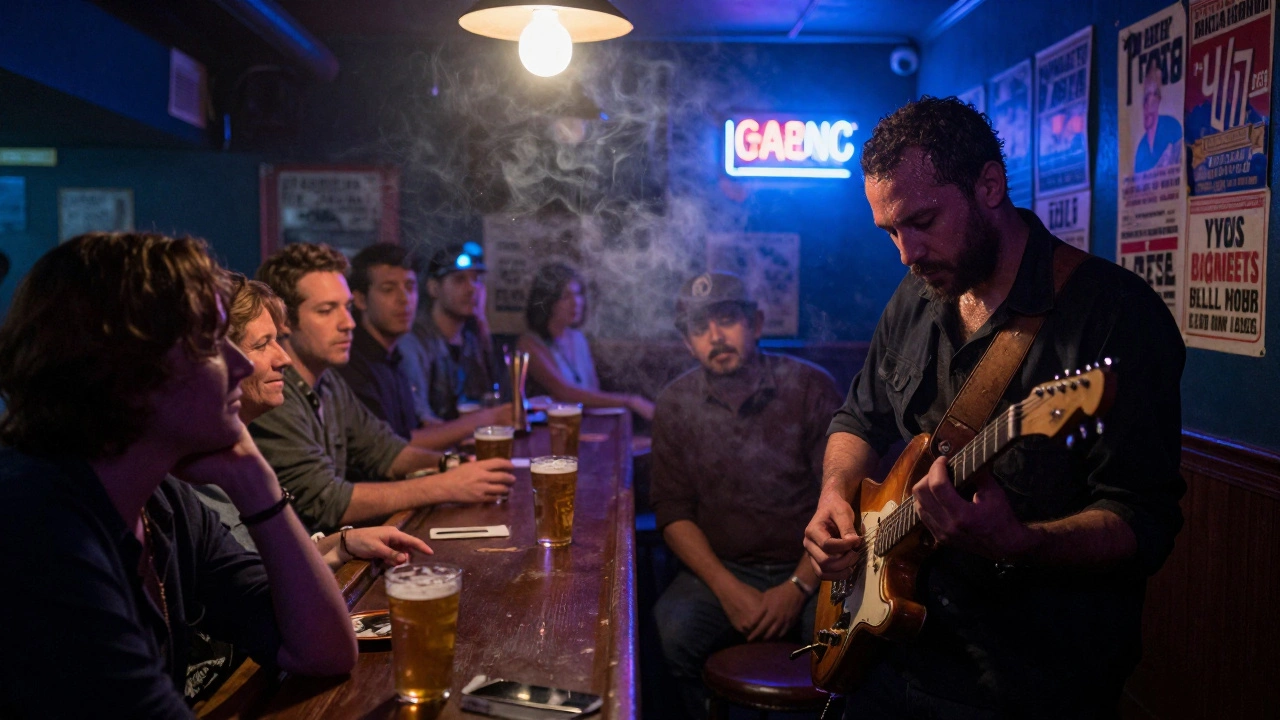
Streaming didn’t kill local scenes-it just made them harder to find. Algorithms push what’s popular nationwide, but blues thrives on intimacy. A club owner in New Orleans doesn’t book you because you got 50K Spotify plays. They book you because you played three nights last year and left the crowd buzzing. That kind of reputation doesn’t show up on a dashboard. It shows up in whispers at the bar, in flyers taped to the hardware store, in texts between drummers who know who’s got the real feel.
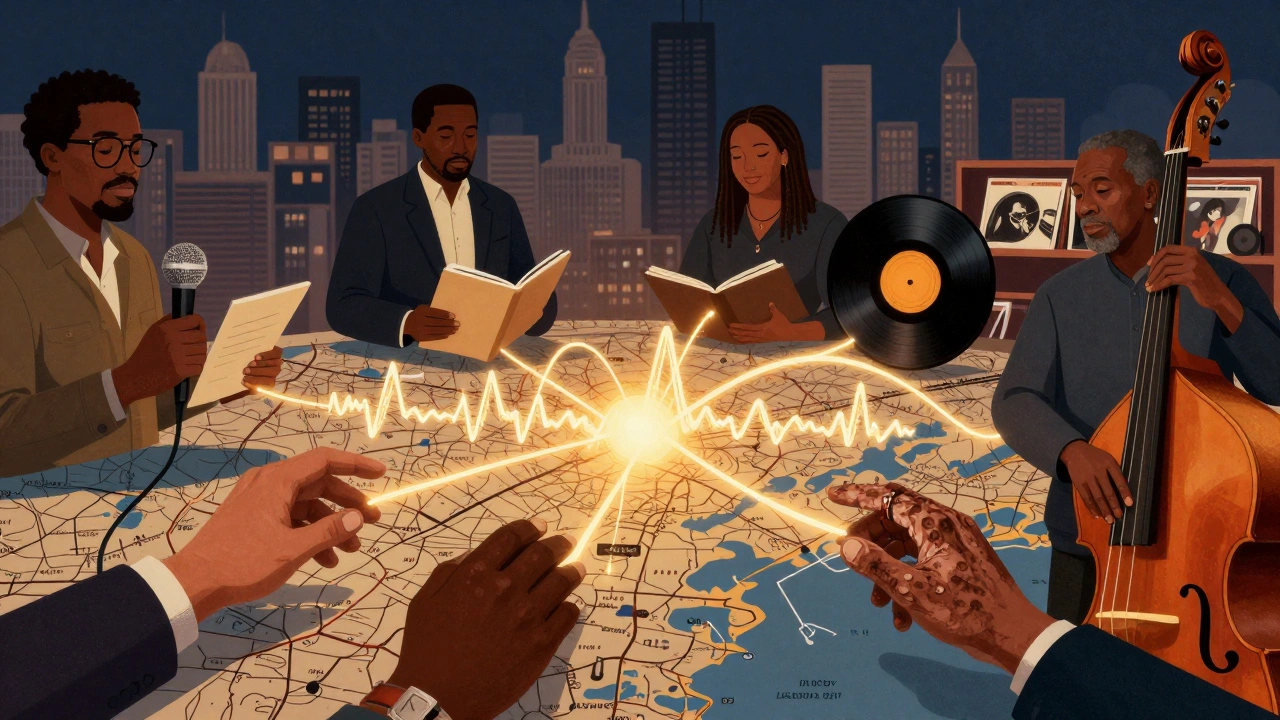
That’s why regional A&R isn’t about signing deals. It’s about building alliances. You need people who live in the scene-not just in the city, but in the culture. The guy who runs the record shop that’s been there since 1987. The woman who books open mics at the diner on weekends. The veteran bassist who’s played with everyone and still shows up to watch new talent. These aren’t gatekeepers. They’re connectors.
The South: Roots Run Deep
In Mississippi, Alabama, and Louisiana, blues is still part of the soil. You don’t just play a show here-you earn your place. The clubs aren’t big. The pay isn’t high. But the loyalty? Unshakable. If you’re serious about this region, you show up every month. You learn the setlists. You know who plays on Tuesday versus Thursday. You buy drinks for the old-timers who remember Howlin’ Wolf’s first gig in Clarksdale.
There’s a reason why artists like T-Model Ford or Tav Falco still draw crowds decades later. They didn’t chase trends. They became part of the rhythm. In this region, your credibility comes from consistency, not promotion. A single performance at the Blue Front Cafe in Bentonia can open more doors than a viral TikTok video.
The Midwest: Chicago’s Blues Machine
Chicago doesn’t just have blues-it has a system. The city’s blues scene runs on a network of small venues, radio shows, and independent labels. The key players? People like the booker at Kingston Mines, the producer at Delmark Records, or the host of Blues Breaker on WFMT. These aren’t just industry figures-they’re archivists.
If you want to break through here, you need to understand the rhythm of the city. Monday nights are for newcomers. Wednesday is for veterans. Friday and Saturday? That’s when the tourists come. Play your best on Friday, but show up on Monday. That’s how you build trust. The labels here don’t sign artists based on numbers. They sign based on reputation. One solid gig at Buddy Guy’s Legends, and you’re already on their radar.
The Southwest: Texas Blues and the Lone Star Vibe
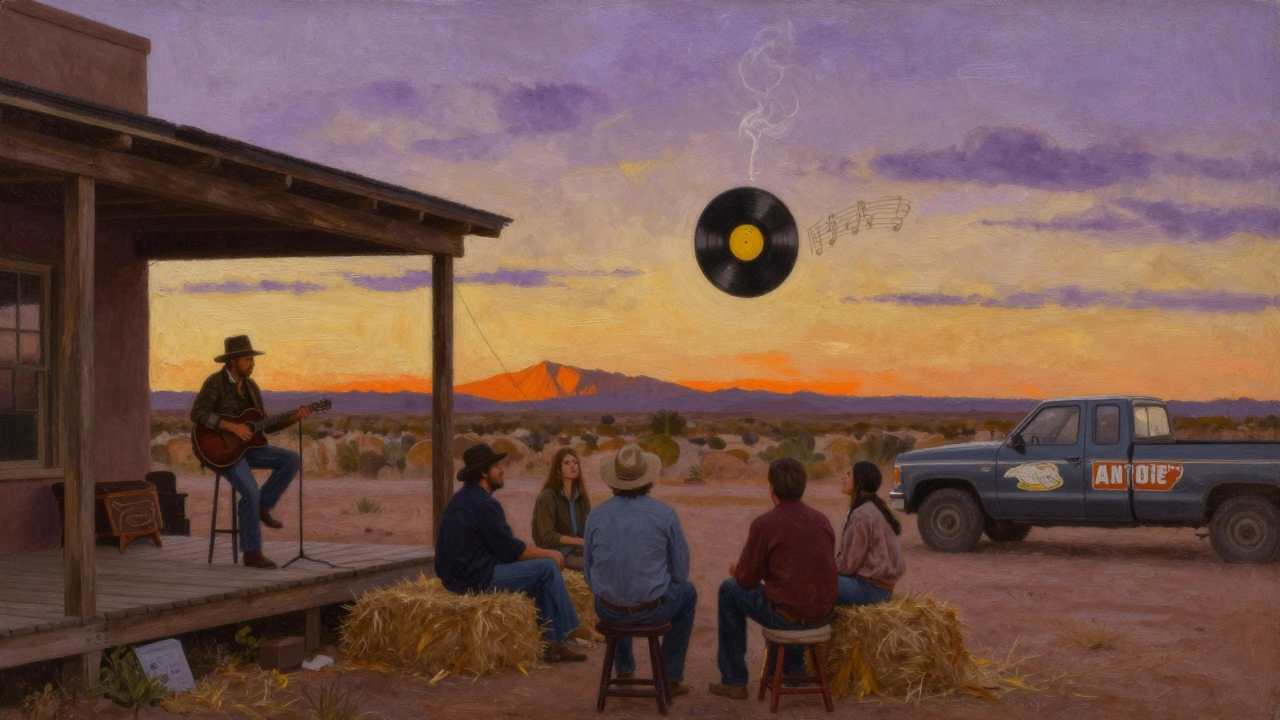
Texas blues doesn’t sound like Mississippi or Chicago. It’s got a swagger. A little country, a little rock, a lot of attitude. Austin doesn’t just have blues clubs-it has blues circuits. The Continental Club, Antone’s, and the Cactus Cafe are holy ground. But the real magic happens outside the big cities. In places like Marfa, San Marcos, or Galveston, you’ll find basement shows where the crowd knows every lyric before you sing it.
Here, your ally isn’t a promoter. It’s the guy who runs the local vinyl shop and also books the summer festival. He doesn’t care if you have a manager. He cares if you showed up last year and didn’t leave early. Texas blues fans don’t follow trends. They follow heart. If your set feels real, they’ll tell ten friends. And those ten will tell twenty.
The Northeast: Blues in the Concrete
New York, Boston, Philadelphia-these aren’t traditional blues towns. But they’ve got scenes. Quiet ones. Underground ones. You won’t find big festivals here. But you’ll find basement jam sessions, open mics at jazz cafes, and late-night gigs in converted warehouses. The audience here is different. They’re not there for nostalgia. They’re there for authenticity.
Build your network here with writers, not promoters. The music bloggers who write for Blues Revue or DownBeat still have influence. The professors who teach blues history at local colleges? They know which students are going to become the next generation of fans. Play a free set at a community center, and you might just get a feature in a local zine. That’s how it starts.
How to Find Your Allies
You don’t find allies by sending demos to labels. You find them by showing up. Here’s how:
- Go to the same venue, same night, for three months straight. Not to play-to watch. Learn who the regulars are. Who nods when you play a slow 12-bar. Who brings a friend after your set.
- Buy a drink for the sound tech. They notice who’s professional. Who shows up early. Who doesn’t complain about the monitor mix.
- Play a free show at a library, a coffee shop, a retirement home. Not because you need the money. Because you need the connection.
- Learn the local history. Know who played at the old club that closed in ’98. Name-drop the right person, and you’ll earn instant respect.
- Don’t ask for help. Ask for advice. “What’s the one thing I should know about playing here?” That question changes everything.
What Happens When You Get It Right
There’s a guitarist from Arkansas who started playing in Memphis in 2021. He didn’t have a manager. Didn’t have a website. Just a worn-out guitar and a habit of showing up every Thursday at the Rum Boogie Cafe. He played for tips. He listened. He learned the names of the regulars. By 2023, he was opening for Bobby Rush. Why? Because the club owner knew he was reliable. The local radio host had heard him play 17 times. The guy who ran the blues archive in Memphis had recorded three of his sets.
That’s regional A&R. It’s not about who you know. It’s about who remembers you.
Don’t Chase the Algorithm
Blues doesn’t live on TikTok. It lives in the spaces between songs-the silence after a bent note, the nod from an old man in the third row, the way the bartender slides you a beer without asking. The algorithms want viral moments. The real scene wants real moments.
If you’re chasing streams, you’ll burn out. But if you’re chasing connection, you’ll build something that lasts. Regional A&R isn’t a strategy. It’s a practice. It’s showing up. Listening. Remembering names. Playing like nobody’s watching-even when they are.
Start Where You Are
You don’t need to move to New Orleans. You don’t need a record deal. You just need to find your corner of the map. Pick one city. One club. One night a month. Show up. Stay. Listen. And let the scene decide if you belong.
What exactly is regional A&R in blues music?
Regional A&R in blues isn’t about signing artists to labels. It’s about building trusted relationships with local figures-club owners, radio hosts, venue bookers, and longtime fans-who know the scene inside out. These people help you gain credibility, book gigs, and connect with audiences who care about authenticity over popularity.
Can I build a blues career without moving to a blues hotspot?
Yes. Many successful blues artists started in places like Portland, Minneapolis, or even rural towns. What matters isn’t location-it’s consistency. Play regularly in your area, build relationships with local venues, and connect with fans who value real music. The scene will find you if you show up, every time.
How do I know if I’m playing for the right crowd?
Look for the quiet nods, not the cheers. If people stay after the set to talk to you about the song choices, ask where you learned the style, or mention a player from the 1950s, you’ve found your audience. Real blues fans don’t clap loudly-they listen deeply.
Do I need to play the same venue repeatedly?
Yes, at least at first. Playing the same place, on the same night, for months shows commitment. It lets the staff, regulars, and other musicians see your growth. That consistency builds trust faster than any social media post.
What’s the biggest mistake blues artists make when trying to break into a new region?
Assuming that what worked in one city will work in another. Blues varies by region-Chicago wants grit, Texas wants swagger, Mississippi wants soul. Trying to force a one-size-fits-all sound will turn off locals. Learn the local flavor first. Adapt second.