Most businesses think email marketing is simple: write a message, hit send, and watch the sales roll in. But if your emails keep landing in spam, get ignored, or worse - get unsubscribed - you’re not alone. The truth is, email marketing fails more often than it succeeds, and the reasons are almost always the same. It’s not about fancy templates or big budgets. It’s about avoiding the little mistakes that add up into big problems.
You’re Sending Too Often (or Too Rarely)
One of the biggest email mistakes is not matching your frequency to your audience’s expectations. Some companies bomb their list with daily emails, thinking more is better. Others send once a quarter, wondering why no one remembers them.
There’s no universal rule. But here’s what works: check your unsubscribe rate. If more than 0.3% of your list unsubscribes after each send, you’re overwhelming people. If open rates drop below 15% over three months, you’re too infrequent. Use your analytics. If your last campaign got 22% opens and 0.5% unsubscribes, you’re close. Adjust by one email per month up or down, then test again.
People don’t mind emails - they mind being treated like a number. If your last email was about a discount, and the next one is a newsletter, and then a survey, and then a promo, you’re confusing your audience. Consistency in content type matters more than frequency.
Your Subject Lines Are Vague or Clickbaity
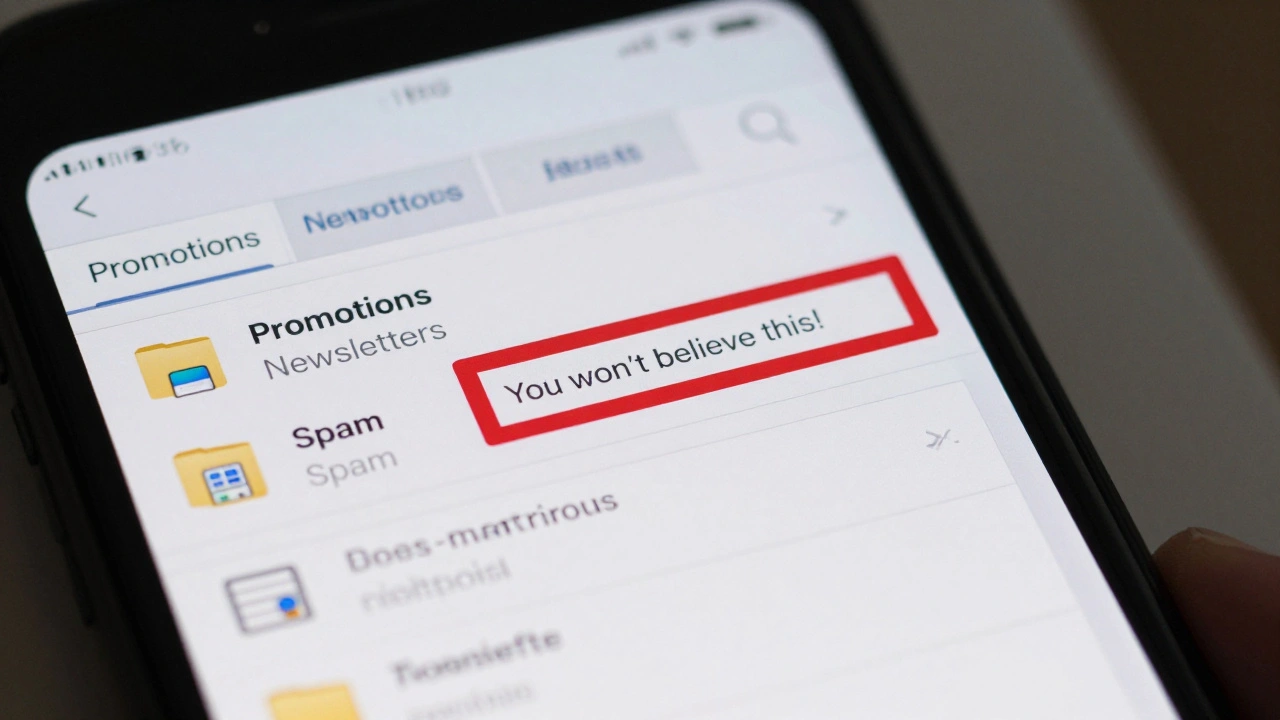
"You won’t believe what happened next!" - that kind of subject line might get opens, but it kills trust. And trust is what keeps people reading, clicking, and buying.
Real data shows that subject lines with clear value outperform clickbait by 37%. For example, "Your monthly report is ready" gets better open rates than "This one thing changed everything!" - even when the content is the same.
Try this formula: Benefit + Specificity. Instead of "Get better results," try "How 327 marketers increased conversions by 21% in 30 days." The number makes it real. The specificity makes it credible.
Also, avoid all caps, excessive punctuation (!!!), and emojis in B2B emails. They trigger spam filters and make you look unprofessional. Even in consumer brands, overusing emojis looks desperate - not fun.
You’re Not Segmenting Your List
If you send the same email to everyone on your list, you’re wasting time. People who bought a product last month don’t need the same message as someone who signed up six months ago but never opened an email.
Segmentation isn’t complicated. Start with three groups:
- People who bought something
- People who opened emails but never bought
- People who never opened anything
Then tailor your message. For buyers: thank them and suggest related products. For openers: remind them why they signed up. For non-openers: ask if they still want to hear from you - don’t just keep sending.
Companies that segment see 50% higher click-through rates. That’s not magic. It’s basic respect. You wouldn’t hand out the same flyer to a new customer and a long-time fan. Why do it with email?
Your Emails Don’t Have a Clear Goal
Every email should have one job: get someone to do one thing. Read a blog. Claim a discount. Schedule a call. That’s it.
But most emails try to do three things at once: promote a product, ask for feedback, and invite you to a webinar. That’s overwhelming. Your reader doesn’t know what to do next - so they do nothing.
Go through your last five emails. Ask: "If this email disappeared, what would the reader miss?" If the answer isn’t clear, rewrite it. Remove anything that doesn’t serve the main goal. One call-to-action. One button. One next step.
Here’s a real example: A SaaS company changed their email from "Check out our features, join our webinar, and leave feedback" to "Your free trial ends in 2 days - here’s how to unlock your discount." Click-throughs jumped from 4% to 19%.
You’re Ignoring Mobile Readers
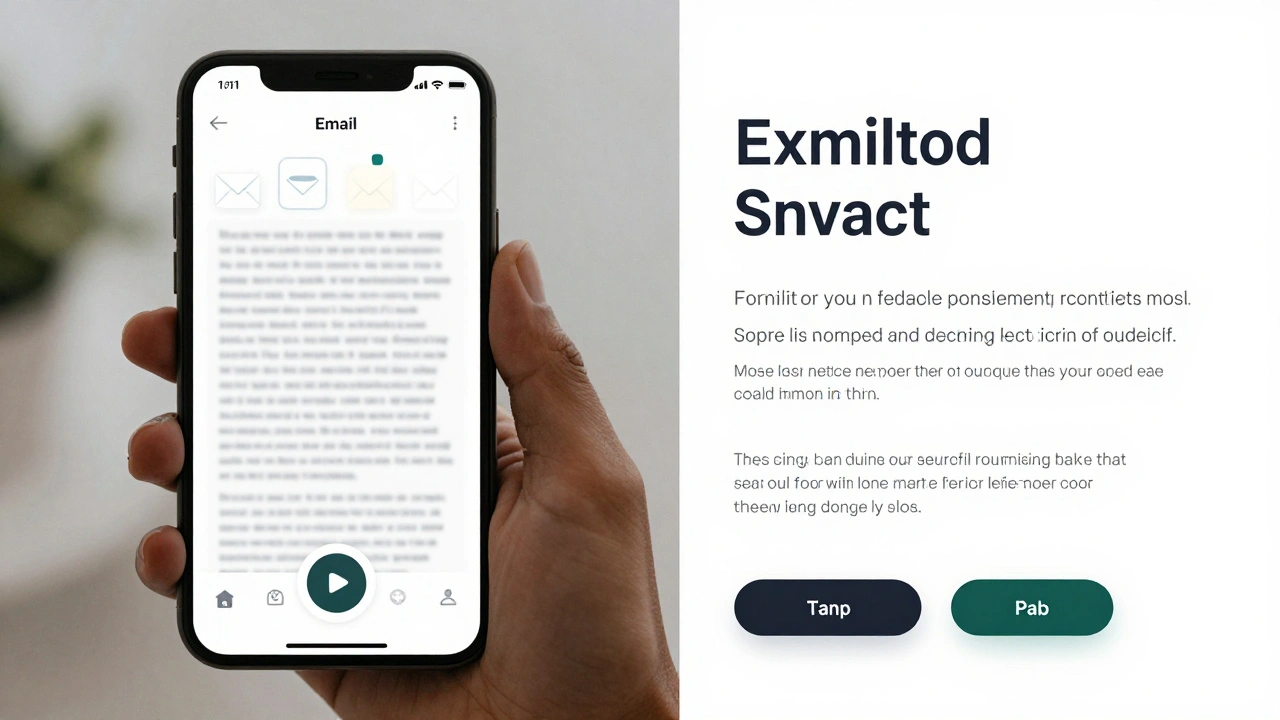
Over 60% of emails are opened on phones. Yet most businesses design emails for desktops - wide images, tiny buttons, long paragraphs.
If your email looks broken on a phone, people won’t bother fixing it. They’ll just delete it.
Here’s how to fix it:
- Use a single-column layout
- Make buttons at least 44x44 pixels (easy to tap)
- Keep paragraphs under 3 lines
- Test your email on an actual phone - not just a simulator
One Portland-based retailer saw open rates rise 28% after switching to mobile-first design. They didn’t change the copy. They just made the buttons bigger and the text shorter.
Your List Has Dead Contacts
A list of 10,000 people sounds impressive. But if 40% of them haven’t opened an email in a year, you’re not building relationships - you’re just storing data.
Spam filters watch how often people ignore your emails. If too many of your recipients never open, your future emails get flagged as spam - even if they’re perfectly written.
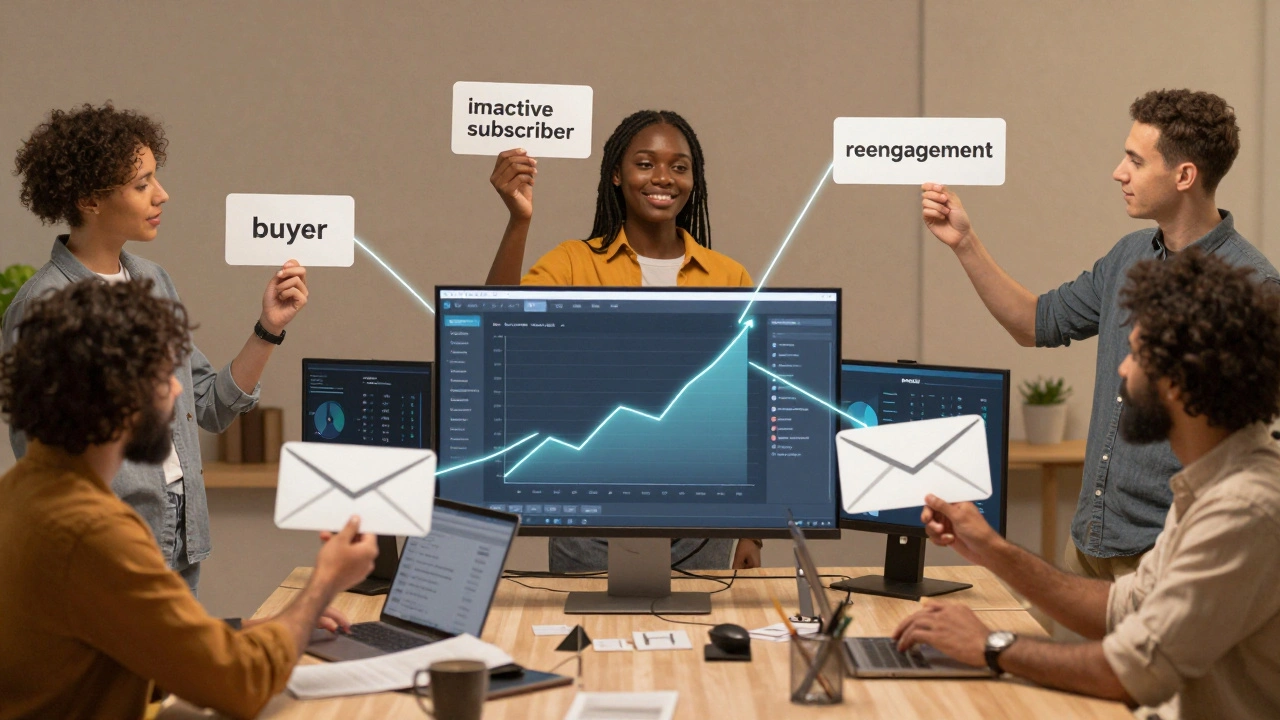
Every six months, run a re-engagement campaign. Send one email: "We miss you. Want to stay?" Give them a simple choice: "Yes, keep sending" or "Unsubscribe." If they don’t respond, remove them.
That’s not losing subscribers. That’s cleaning your list. Companies that do this see 35% better deliverability. Your emails start landing in inboxes - not spam folders.
You’re Not Testing Anything
Some marketers send the same email month after month because "it worked last time." But what worked in January might fail in March. Algorithms change. Inboxes change. People change.
Test one thing at a time:
- Send two versions of your subject line to 10% of your list. Use the winner on the rest.
- Try sending on Tuesday at 10 a.m. vs. Thursday at 3 p.m. See which gets more opens.
- Change your CTA button color. Test blue vs. orange. Small changes have big impacts.
You don’t need fancy tools. Even Gmail’s built-in split testing works. The point isn’t to be perfect. It’s to be curious. If you’re not testing, you’re guessing.
Your Emails Feel Like a Sales Pitch
People don’t hate marketing. They hate being sold to. If every email feels like a pitch, they tune out.
Instead of "Buy now," try "Here’s what others are doing." Share a story. A real customer. A problem solved. A mistake avoided.
One email from a fitness brand had this subject line: "I almost quit - here’s what changed." It got 41% opens. The email didn’t mention a product until the third paragraph. The reply rate? 12%. That’s unheard of.
People connect with honesty. Not hype.
You’re Not Tracking What Matters
Opens and clicks are nice. But they don’t tell you if your email made money.
Track revenue per email. How many people bought after clicking? What was the average order value? That’s the real metric.
Set up UTM parameters on every link. Use your email platform’s built-in conversion tracking. If you don’t know how much each email earns, you can’t improve it.
One e-commerce store found that their "welcome series" brought in 40% of all sales - but their "abandoned cart" email brought in 58%. They shifted budget and resources. Revenue jumped 22% in two months.
Stop chasing vanity metrics. Chase results.