Blues music isn’t just about guitar riffs and soulful vocals-it’s a living tradition that needs real support to survive. In cities like New York, Memphis, Chicago, and even smaller towns across the U.S., local governments and state agencies are stepping up to fund blues projects that keep this culture alive. But finding these grants isn’t always easy. If you’re a musician, nonprofit, or community organizer trying to launch a blues festival, record an album, or teach kids the roots of the blues, you need to know where the money is-and how to get it.
How State and City Grants Work for Blues Projects
Most blues funding comes from public arts councils, not private donors. These are government-run programs designed to support cultural expression that reflects local history. In New York, for example, the New York State Council on the Arts is a state agency that provides grants to nonprofit organizations and individual artists working in music, theater, and visual arts has funded blues education programs, live performances in public parks, and even archival projects documenting early 20th-century blues recordings from the Hudson Valley.
City-level grants work differently. In New York City, the Department of Cultural Affairs allocates funds to community-based arts groups that serve underrepresented populations, including blues musicians gives out grants up to $25,000 for projects that include public access, free performances, or youth outreach. You won’t find these on Google easily-they’re buried in PDFs on city websites or listed in annual funding guides.
Where the Money Actually Goes
Not every blues project gets funded. Grant reviewers look for three things: impact, sustainability, and community involvement.
- Impact: Are you bringing blues to people who don’t usually see live music? Schools, senior centers, and public housing complexes are top priorities.
- Sustainability: Can your project last beyond one year? A one-off concert won’t cut it. A blues mentorship program that runs for three seasons? That’s a winner.
- Community involvement: Who’s helping you? Partnerships with libraries, historical societies, or local churches strengthen your application.
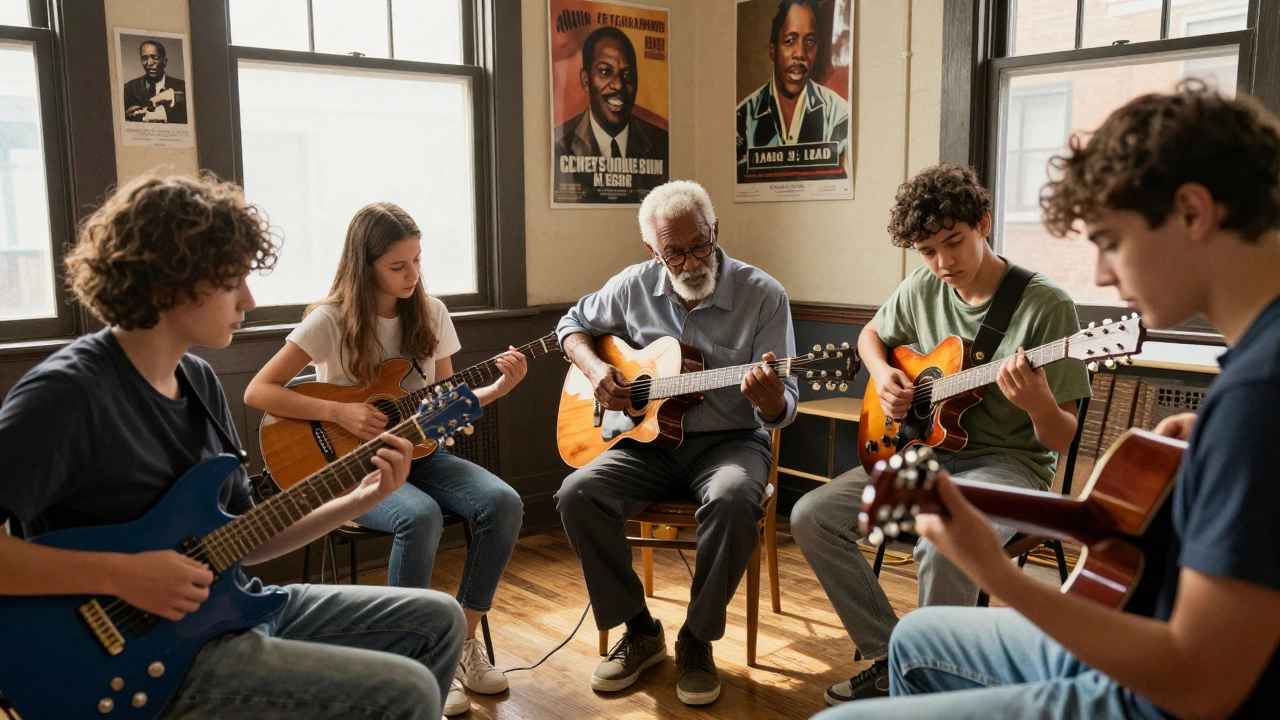
In 2025, the Illinois Arts Council Agency funded a project in Chicago that paired retired blues musicians with high school students to record oral histories and create original blues compositions. That project got $40,000 because it hit all three marks.
New York’s Blues Grant Landscape
New York is one of the most active states for blues funding, but it’s split between state and city programs.
New York State Council on the Arts offers two main programs:
- Arts Access: Up to $15,000 for organizations that bring arts to low-income communities. Blues workshops in rural upstate towns have received this.
- Presenting & Touring: Up to $30,000 for touring blues acts that perform in multiple counties. This helped a Harlem-based blues band tour 12 upstate venues in 2024.
New York City Department of Cultural Affairs has a specific category for Traditional Arts. In 2025, they funded:
- A weekly blues jam at a Brooklyn public library
- A documentary on Queens’ Caribbean-influenced blues scene
- A summer blues camp for teens in the Bronx
Applications open in January and close in March. Deadlines are strict. No extensions.
Funding Beyond New York
While New York leads, other states have strong programs too.
Tennessee Arts Commission supports blues heritage projects in Memphis, Clarksdale, and other Delta towns. In 2025, they gave $50,000 to the Blues in the Schools initiative, which trained 80 teachers to teach blues history and guitar basics in public schools.
Mississippi Arts Commission offers grants up to $20,000 for blues festivals and museum exhibits. The Delta Blues Trail received state funding for new interpretive signs at historic juke joint sites.
California Arts Council funds blues projects in Oakland, Long Beach, and San Francisco. One 2024 grant helped a nonprofit digitize 200 rare blues recordings from the 1940s-60s, made by Black migrants from the South.
Even states without big blues scenes have options. Oregon’s Oregon Arts Commission funded a Portland-based blues band to tour rural communities, showing that funding isn’t just for traditional blues hubs.
What Gets Rejected
Most applicants fail because they misunderstand what funders want.
- Not a nonprofit: Many grants require 501(c)(3) status. If you’re an individual artist, team up with a local arts nonprofit.
- Too vague: Saying "I want to play blues music" won’t work. You need a timeline, locations, audience numbers, and a budget.
- No partnerships: Solo projects rarely win. Partner with a library, school, or historical society.
- Missing documentation: You need letters of support, proof of past events, and clear photos or videos of your work.
In 2024, a blues guitarist from Buffalo applied for $10,000 to record an album. His application was rejected because he didn’t show how the album would be shared with the public. He resubmitted the next year with a plan to host free listening parties at three public libraries-and got funded.
How to Find Grants in Your Area
Start here:
- Visit your state’s arts council website. Search for "[Your State] arts council grants".
- Check your city’s cultural affairs or parks department site. Look for "public arts funding" or "community arts grants".
- Use the National Endowment for the Arts website to find state partners and funding trends.
- Join the Blues Foundation network. They list local funding opportunities and offer free grant-writing webinars.
- Attend a public meeting of your city’s arts commission. Ask what projects got funded last year.
Set up Google Alerts for terms like "blues grant", "music funding [your city]", and "arts grant deadline". Most deadlines are in January or February.
Real Examples That Worked
Here are three funded projects from 2024-2025:
- St. Louis Blues Archive: A $35,000 grant from the Missouri Arts Council to digitize 500 hours of oral interviews with blues musicians who migrated from Mississippi.
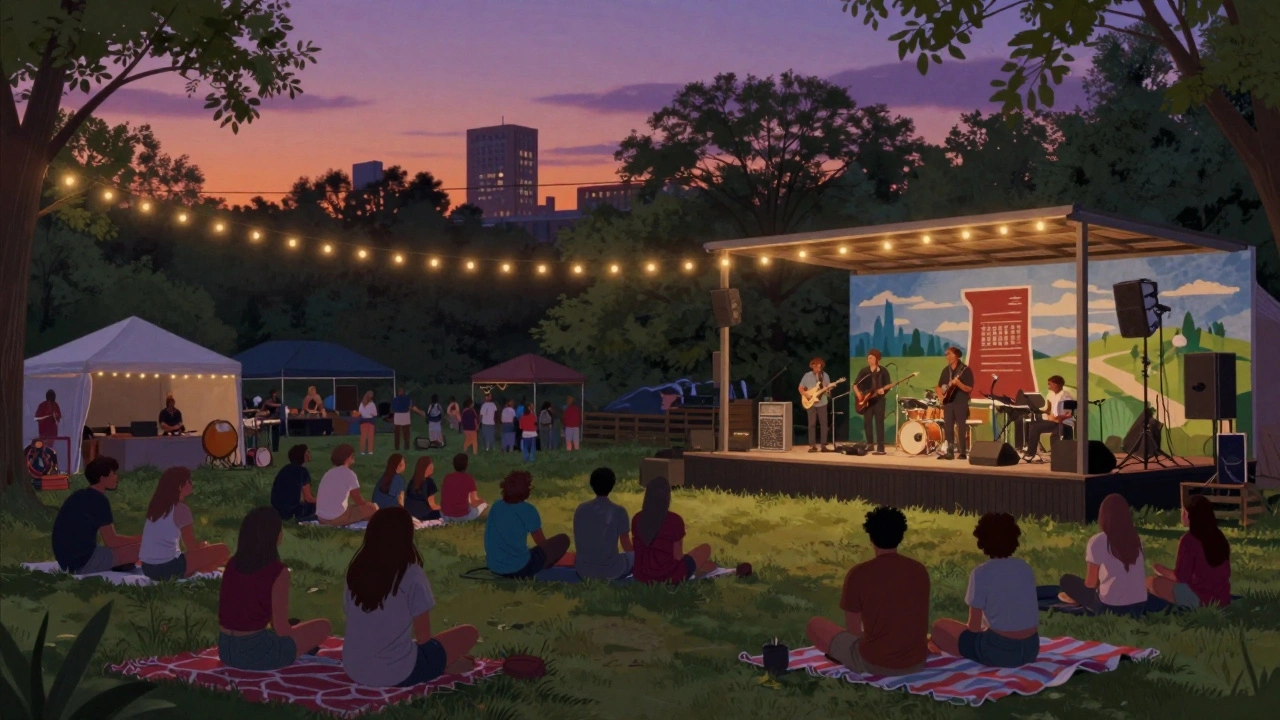
- Blues in the Park: A Detroit nonprofit got $18,000 from the Michigan Council for Arts and Cultural Affairs to host 12 free outdoor concerts, with free guitar lessons for kids.
- Seattle Blues Heritage Project: Funded by the Washington State Arts Commission, this initiative trained 40 high school students to create blues-inspired murals and perform at public libraries.
Each had clear goals, measurable outcomes, and community partners. No one got funded just because they "loved the blues." They got funded because they showed how the blues would change lives.
What You Should Do Now
If you’re serious about funding:
- Write down your project idea in one sentence: "I want to [do X] for [group] in [place]."
- Find one local partner-a library, school, or community center-and ask if they’ll support you.
- Check your state and city arts websites before March 1.
- Apply early. Applications open in January. Don’t wait.
Blues music isn’t a relic. It’s a conversation between generations. And if you’re ready to make that conversation happen, the money is out there. You just have to ask for it the right way.
Can I apply for a blues grant as an individual artist?
Yes, but only if you partner with a nonprofit organization that can act as your fiscal sponsor. Most grants require a 501(c)(3) to receive and manage funds. Many arts nonprofits will sponsor individual artists for a small fee or in exchange for a percentage of the grant. The Blues Foundation offers a list of fiscal sponsors in every state.
Do I need to be a U.S. citizen to receive a blues grant?
No. Most state and city grants don’t require citizenship, but you must be legally working in the U.S. and your project must take place within the state or city offering the grant. Some grants may require a Social Security number or tax ID for payment, but not proof of citizenship.
How much money can I realistically expect to get?
Most individual grants range from $5,000 to $25,000. Larger projects like festivals or statewide tours can get up to $50,000. State grants are usually larger than city grants. New York State offers up to $30,000 for touring projects, while NYC grants cap at $25,000. Always check the maximum award listed in the guidelines.
Are there grants specifically for blues recordings or albums?
Yes, but they’re rare. Most grants fund live performances, education, or community outreach-not recording studios. However, if your album includes free public listening events, school workshops, or archival research, you can frame it as a cultural project. The California Arts Council funded a blues album in 2024 because it documented migrant stories and included free digital downloads for public libraries.
What if I live outside New York? Are there grants for me?
Absolutely. States like Tennessee, Mississippi, Illinois, and Missouri have strong blues funding traditions. Even states without deep blues roots-like Oregon, Washington, and Minnesota-have funded blues projects because they connect to broader cultural heritage. Check your state’s arts council website. If you don’t see blues listed, look for "traditional arts," "folk music," or "community cultural heritage" grants-they often include blues.