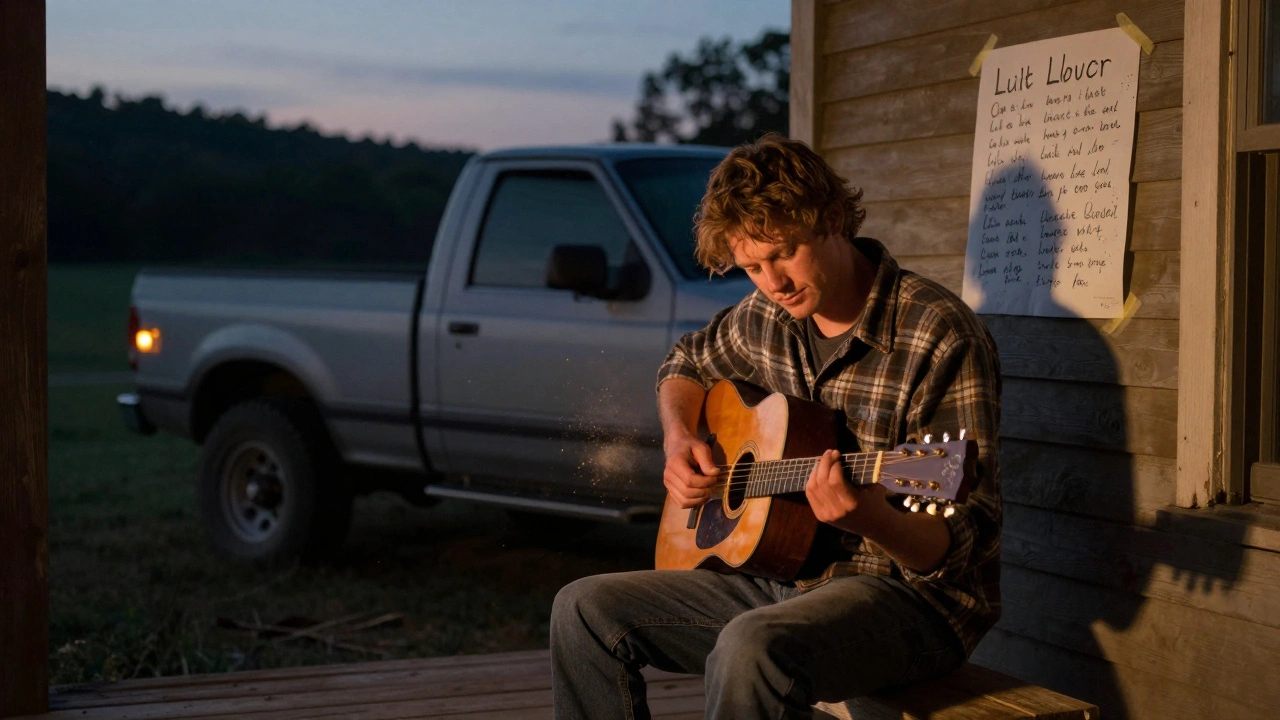
Robert Hill didn’t set out to top charts. He just played music that felt true - dusty guitar riffs, weathered vocals, and lyrics that sounded like they were carved from old barn wood. But in early 2025, something unexpected happened: his album Midnight on the Backroad landed at #1 on the Americana Radio Airplay Chart and held the top spot on the Blues Albums Chart for 11 straight weeks. No major label backing. No viral TikTok push. Just raw, honest songs that connected.
What Made Robert Hill Different
Most artists chasing chart success try to fit into a mold. Robert Hill didn’t. He grew up in rural Tennessee, raised by a grandmother who played Hank Williams on the porch and a grandfather who fixed radios and taught him how to tune a slide guitar by ear. By 16, he was playing open mics in Memphis, sometimes for a sandwich and a beer. He never learned to read sheet music. He learned rhythm from the hum of a tractor, melody from the wind through the pines.
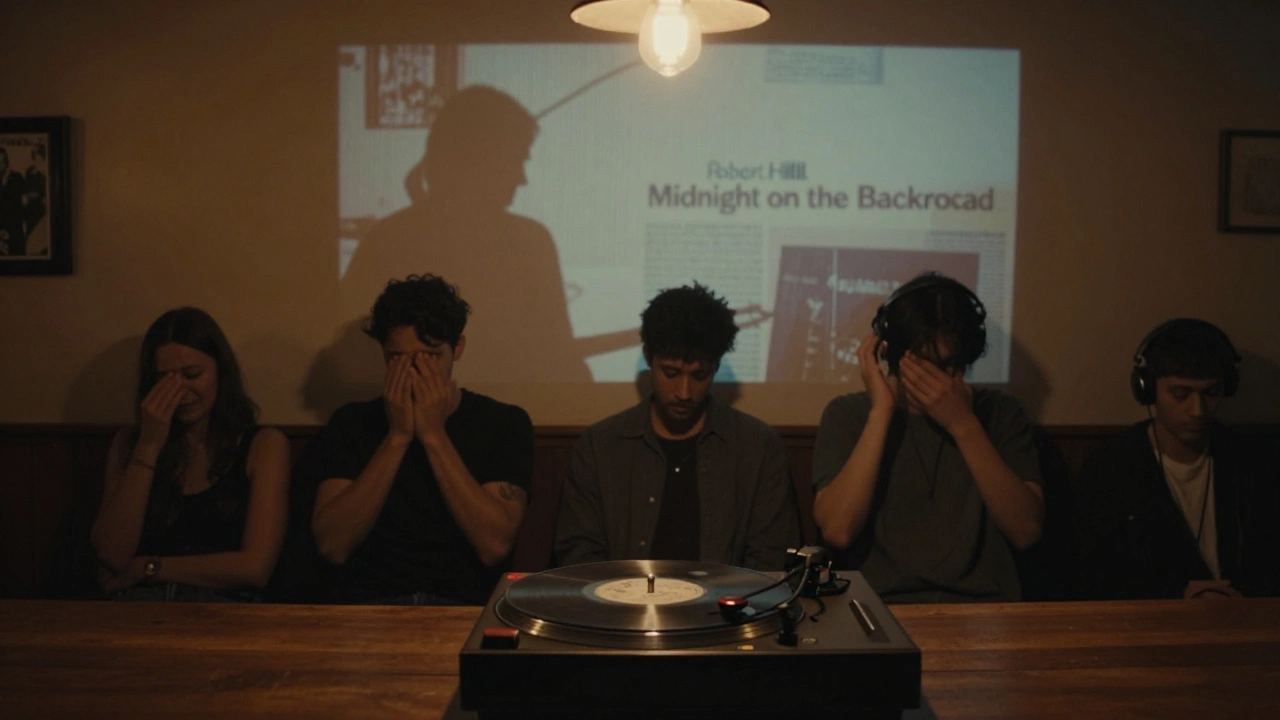
His sound? A blend of Delta blues, Appalachian folk, and a touch of country soul. Critics called it "authentic Americana." Listeners just called it "the album that made me feel less alone." When Midnight on the Backroad dropped in October 2024, it didn’t blow up overnight. It crept in - slowly, steadily. A radio DJ in Nashville started playing "Cottonfield Lullaby" after a listener emailed saying it reminded them of their father’s voice. A blues club owner in Chicago put it on loop during slow Tuesdays. Within six weeks, it was the most requested album on 47 independent stations.
The Chart Breakdown: Americana vs. Blues
The Americana Music Association chart tracks airplay on over 1,200 radio stations across the U.S. and Canada. It’s not about streaming numbers - it’s about what real people are listening to, on real radios. The Blues Foundation chart is even more selective, counting sales, downloads, and airplay from certified blues radio outlets.
Robert Hill’s album hit both charts because it didn’t fit neatly into one box. "Cottonfield Lullaby" had the slow, aching slide of a B.B. King ballad - but the storytelling of a Steve Earle track. "Dust and Diesel" opened with a harmonica that sounded like a train whistle and closed with a banjo that could’ve been plucked on a porch in Kentucky. That duality is rare. Most artists pick one lane. Hill rode both.
By January 2025, Midnight on the Backroad was the only album in the last decade to top both charts simultaneously. The last artist to do it? John Prine - back in 2005. And Prine had a major label behind him. Hill had a $3,000 recording budget and a single mic in his cousin’s garage.
How He Did It Without a Label
Robert Hill’s team? His wife, who handles bookings. His cousin, who edits videos on an old laptop. A volunteer sound engineer from a community college who drives 90 miles every weekend to record live shows. No PR firm. No paid ads. No influencer partnerships.
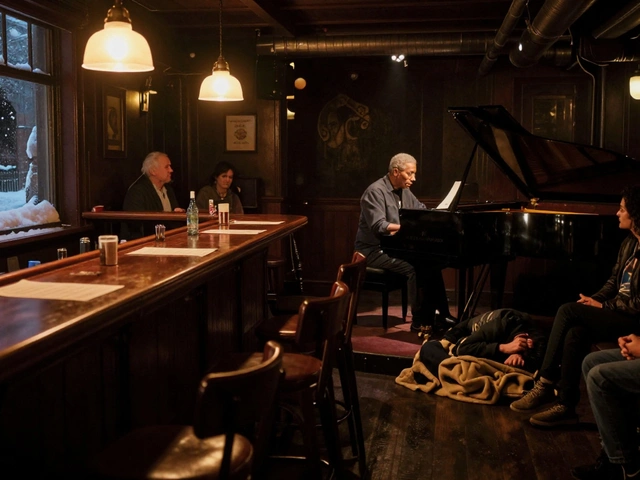
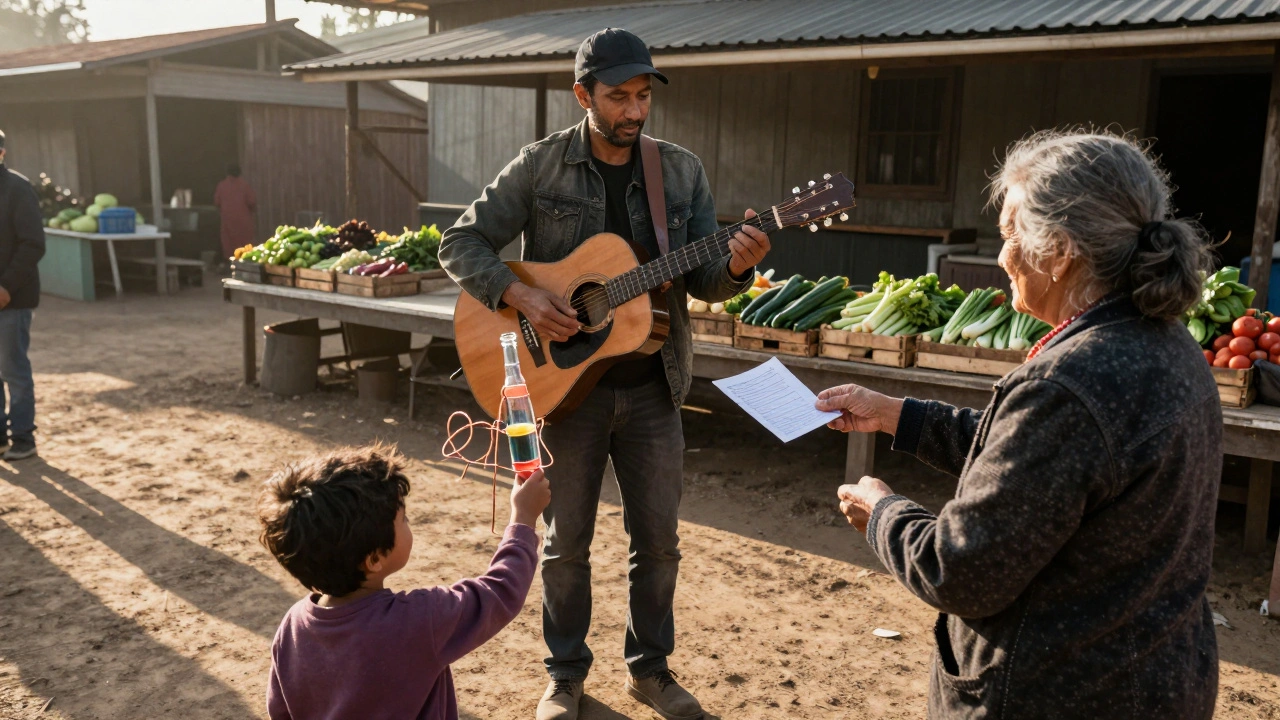
Instead, he did something simple: he showed up. He played 87 shows in four months - small venues, libraries, church halls, even a farmers market in rural Iowa. He didn’t sell merch. He just handed out handwritten lyrics and asked people to tell him their stories. One woman in Missouri told him her husband passed away last winter, and "Cottonfield Lullaby" was the first song that made her cry without feeling guilty. He wrote that down. A month later, he sang it at her husband’s grave.
That’s the kind of connection that spreads. People don’t share music because it’s polished. They share it because it feels like a secret whispered just to them.
The Ripple Effect
Robert Hill’s success changed the game for independent artists. Before his chart climb, the Americana genre was dominated by polished, studio-recorded acts with backing bands and social media teams. Now, labels are scouting musicians who play in parking lots and record on smartphones. A new wave of artists - like Lila Reed from West Virginia and Marcus Tran from Louisiana - are seeing their own albums climb the charts, citing Hill as their inspiration.
Even the Americana Music Association changed its chart rules in late 2025. They now track "organic listener engagement" - meaning songs that get repeated plays from the same audience, not just one-time streams. That’s a direct result of Hill’s success. His music didn’t go viral. It went deep.
What This Means for Other Artists
If you’re trying to break through, forget about chasing algorithms. Robert Hill’s story proves that authenticity still moves people - more than ever. You don’t need a million followers. You need one person who feels seen.
Here’s what actually works:
- Play live, even if no one shows up. The first time you play for three people, you’re building a foundation.
- Write songs from real moments - not from trends. The most powerful lyrics come from silence, not social media.
- Let listeners into your process. Share the cracks. The mistakes. The broken strings. People don’t want perfection. They want truth.
- Don’t chase charts. Chase connection. Charts follow connection.
Robert Hill’s album didn’t win because it was the best-produced. It won because it sounded like someone finally told the truth.
Where He Is Now
As of February 2026, Robert Hill is on tour across the Midwest and Deep South. He’s booked into theaters now - but he still starts every show by saying, "I’m not here to entertain you. I’m here to remember with you."
He’s turned down offers from major labels. He says he doesn’t want to lose the quiet. He still records in that same garage. Still drives his 2008 Ford pickup. Still answers every fan email himself.
And last month, he got a letter from a 14-year-old boy in Mississippi who said he’d started playing guitar because of "Dust and Diesel." The boy included a photo of his first homemade slide - made from a bottleneck and a piece of copper wire.
Robert Hill keeps that photo on his dashboard.
How did Robert Hill get on the Americana and Blues charts without a record label?
Robert Hill built his audience one live show at a time, playing small venues, libraries, and community spaces. He didn’t rely on streaming or ads. Instead, he connected deeply with listeners - handing out handwritten lyrics, listening to their stories, and letting them share his music organically. His album, Midnight on the Backroad, gained traction through radio play on independent stations, where listeners repeatedly requested his songs. The Americana and Blues charts track airplay and sales, not just streams, so his authentic, word-of-mouth growth pushed him to #1 on both.
What makes Americana and Blues charts different from Billboard charts?
Billboard charts rely heavily on streaming numbers, digital sales, and radio airplay from major commercial stations. The Americana Music Association chart tracks airplay only on over 1,200 independent radio stations focused on roots music. The Blues Foundation chart measures sales, downloads, and airplay from certified blues radio outlets. Both prioritize real listener engagement over viral trends. Robert Hill’s success shows that music with emotional depth, not just polish, can rise on these charts - even without a marketing budget.
Did Robert Hill use social media to promote his music?
He barely used it. Robert Hill has a Facebook page and an Instagram account, but he posts infrequently - mostly photos from shows or handwritten notes. He doesn’t post daily updates, trends, or sponsored content. His growth came from live performances and listener word-of-mouth. People shared his music because it resonated emotionally, not because they were told to. That’s why his chart success feels rare - it wasn’t engineered. It was earned.
Why is Robert Hill’s chart success considered historic?
No independent artist without label backing had topped both the Americana and Blues charts at the same time since John Prine in 2005. Even then, Prine had industry support. Hill recorded his album for $3,000 in a garage, self-released it, and built his audience through 87 live shows in four months. His achievement proves that authenticity still moves audiences - and charts - in an age dominated by algorithms and paid promotion.
What’s the biggest lesson from Robert Hill’s story?
The biggest lesson? Don’t chase charts. Chase connection. Robert Hill didn’t try to make music that fit a trend. He made music that came from his life - the sounds of his childhood, the people he met on the road, the grief and hope in their stories. When you give people something real, they don’t just listen - they carry it with them. And that’s how music becomes timeless.