Robert Hill isn’t just a name you hear at town meetings or see on a mural downtown. He’s the reason the old library got restored, the reason high school kids now have free access to art supplies, and the reason the annual Riverfront Festival doesn’t just survive-it thrives. Over the last 15 years, Robert Hill has quietly built a legacy not through headlines, but through consistent, grounded action. And the community? It’s noticed.
First Recognition: The 2018 Portland Community Service Medal
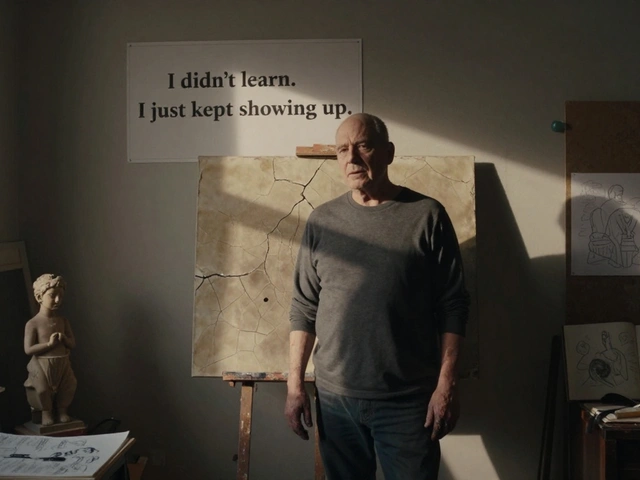
It started small. In 2018, the City of Portland awarded Robert Hill the Community Service Medal, a local honor given to just three residents each year. The selection committee didn’t pick him for one big project. They picked him because he showed up. Every Tuesday for seven years, he taught free drawing classes at the North Portland Youth Center. He didn’t have a degree in art education. He just loved sketching and hated seeing kids with no outlet. By the time he got the medal, over 400 students had passed through his classroom. Some went on to study design. Others just learned to express themselves. That’s the kind of impact that doesn’t show up in budgets-but it shows up in lives.
Expanding Reach: The 2021 Oregon Arts & Culture Award
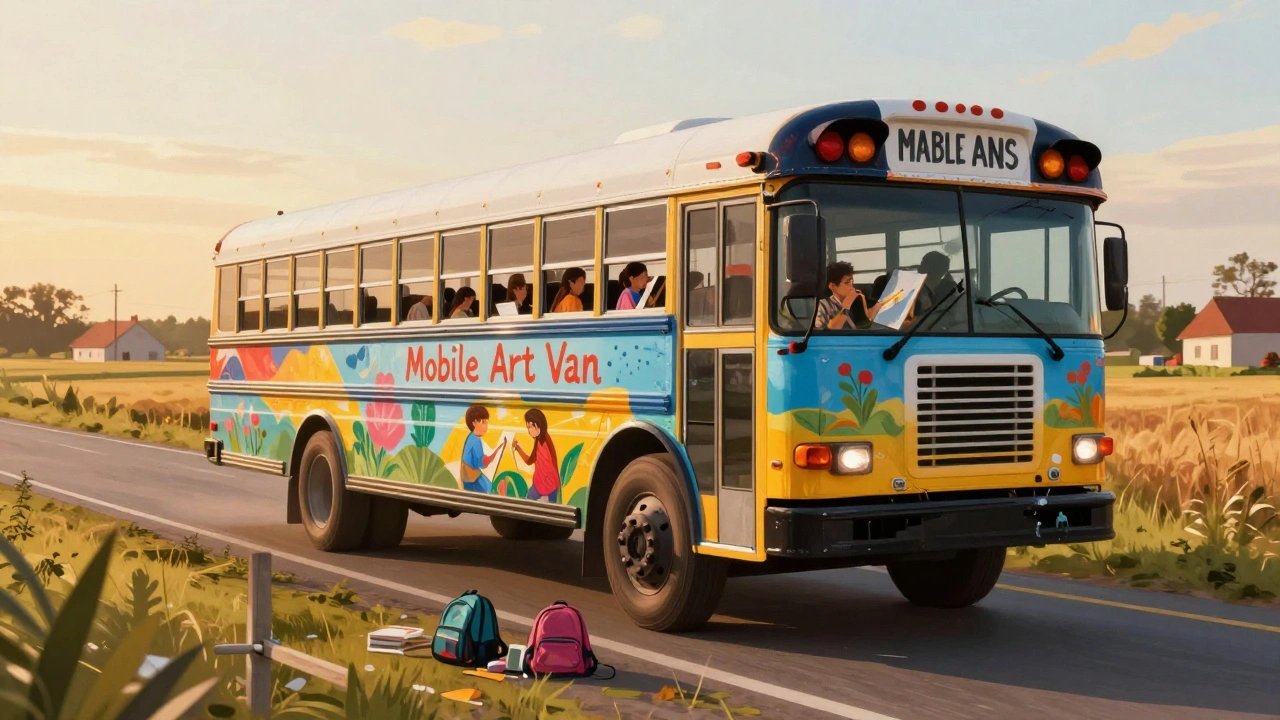
By 2021, Robert’s work had spread beyond the city limits. The Oregon Cultural Trust, a state-funded nonprofit that supports grassroots arts, named him the recipient of the Oregon Arts & Culture Award. This wasn’t just a plaque. It came with a $10,000 grant-and a requirement: he had to use it to expand his program. He didn’t buy new supplies. He didn’t hire staff. He created a mobile art van. A repurposed school bus, painted by students, filled with canvases, paints, and brushes, rolled into neighborhoods with no art programs at all. It visited rural schools, mobile home parks, and even a detention center for teens. In its first year, the van reached 1,200 kids who’d never touched a paintbrush. The state didn’t just honor his past work. They invested in his next chapter.
Regional Impact: The 2023 Pacific Northwest Community Visionary Award
In 2023, the Pacific Northwest Arts Network honored Robert with their highest recognition: the Community Visionary Award. This award goes to people whose influence crosses state lines. Robert’s name was on the list alongside nonprofit leaders from Seattle and Vancouver. What set him apart? He didn’t just create programs-he built systems. He trained local teachers to run art sessions. He partnered with libraries to host monthly open studios. He convinced five city councils to set aside 1% of their public art budgets for youth-led projects. That’s not charity. That’s infrastructure. And now, every town in the region that wants to start a similar program uses Robert’s playbook. His name isn’t on the buildings. But you’ll find his methods in every one.
Why These Awards Matter
These aren’t just trophies gathering dust on a shelf. Each award represents a turning point-not for Robert, but for the community. The medal didn’t change his life. It changed how people saw him. Suddenly, the quiet man who fixed broken easels was no longer just “that guy at the youth center.” He became a symbol. A proof that meaningful change doesn’t need a big budget. It just needs someone who shows up, listens, and doesn’t quit.
When Robert accepted the Oregon Arts & Culture Award, he didn’t give a speech. He brought three students who had been in his first class. One was now a muralist in Portland. Another was studying art therapy. The third? She was holding a paintbrush, teaching a group of kids how to mix colors. That’s when the room got quiet. Not because of the award. But because everyone saw the ripple effect.
What Makes Robert’s Recognition Unique
Most awards go to people who raise millions or lead big organizations. Robert’s story is different. He never ran a nonprofit. He didn’t apply for grants. He didn’t have a board. He had a van, a stack of sketchbooks, and a stubborn belief that every kid deserves to make something beautiful. His awards weren’t given because he was famous. They were given because he was necessary.
And here’s the quiet truth: Robert didn’t want recognition. He didn’t even know he’d been nominated for the Pacific Northwest award until someone handed him the letter. He still doesn’t have a website. No social media. No press releases. But his name is in city archives, state records, and the hearts of hundreds of young people who now see art not as a luxury-but as a right.
How Communities Recognize Real Impact
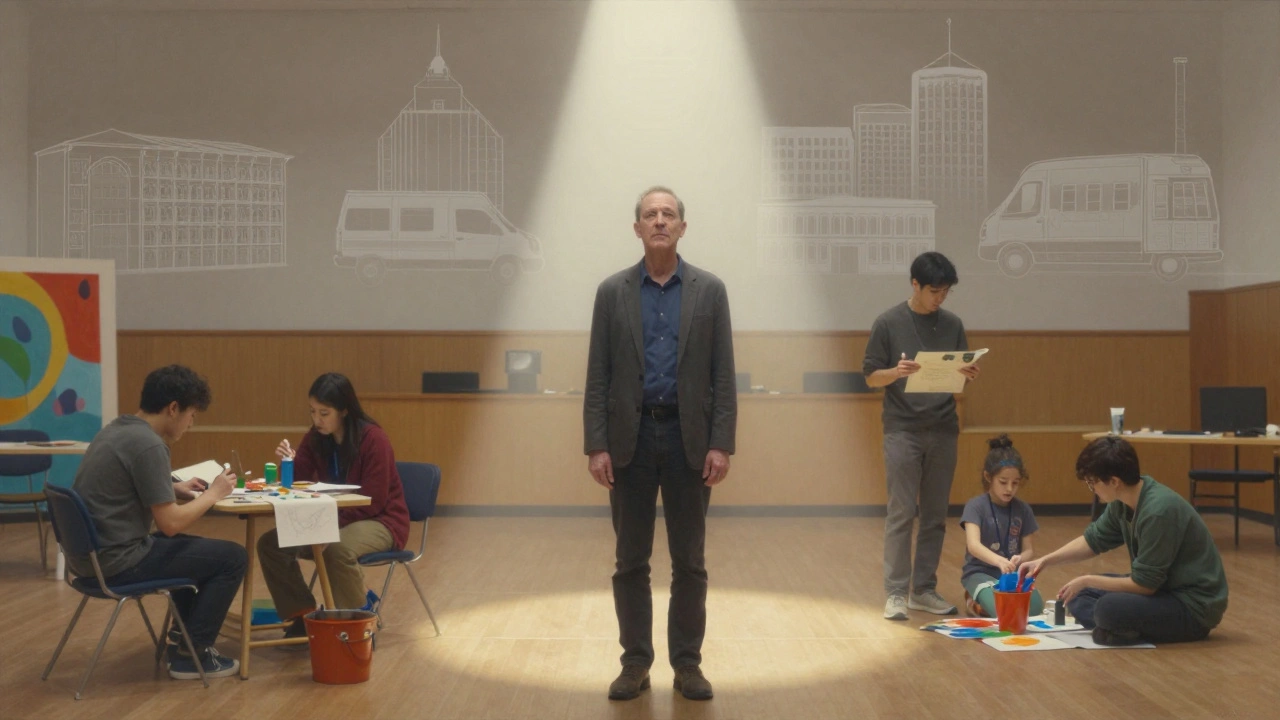
Robert’s story isn’t unique in its details. It’s unique in its consistency. Too often, communities wait for a disaster or a crisis before they act. But Robert’s awards show something else: that recognition can-and should-come before the crisis. When you see someone quietly building something lasting, don’t wait for them to ask for help. Celebrate them. Fund them. Amplify them. Because the next Robert Hill might already be teaching kids in your town, right now, with no fanfare.
What’s Next for Robert Hill
As of early 2026, Robert is working with five school districts to create a statewide curriculum for community-based art education. He’s also helping launch a mentorship network for retired artists who want to teach but don’t know how to start. He still drives the van on weekends. He still shows up. And if you ask him what’s next? He’ll just smile and say, “I’ve got a few more sketchbooks to fill.”
What kind of impact did Robert Hill have on youth art programs in Oregon?
Robert Hill founded free weekly drawing classes at a youth center in 2011, which grew into a mobile art van serving over 1,200 kids in underserved areas by 2022. He trained teachers, created open studio hours in libraries, and convinced local governments to allocate public art funds for youth projects. His model is now used across the Pacific Northwest.
Did Robert Hill receive state or national recognition?
Yes. In 2021, he received the Oregon Arts & Culture Award from the Oregon Cultural Trust, which included a $10,000 grant. In 2023, he was honored with the Pacific Northwest Community Visionary Award, recognizing his influence across state lines. He also received the 2018 Portland Community Service Medal, one of the city’s highest local honors.
Why are Robert Hill’s awards significant compared to other honorees?
Unlike most award recipients who lead large organizations or raise millions, Robert never had a nonprofit, staff, or formal funding. His impact came from consistent, low-cost action-teaching kids, building a mobile art van, and sharing his methods freely. His awards reflect community-driven change, not institutional power.
How did Robert Hill’s work lead to systemic change?
He didn’t just run programs-he built systems. He trained local educators, partnered with libraries, and convinced five city councils to dedicate 1% of their public art budgets to youth projects. His mobile van model became a template adopted by towns across Oregon and Washington. His approach is now taught in community development workshops.
Is Robert Hill still active in community art programs?
Yes. As of early 2026, Robert is collaborating with five school districts to develop a statewide curriculum for community-based art education. He continues to drive the mobile art van on weekends and mentors retired artists who want to teach. He still refuses to use social media or maintain a website.