Getting your music played on the radio isn’t about sending a song and hoping for the best. It’s about timing, relationships, and a plan that lines up with how radio stations actually operate. If you drop your single the week before a holiday, or send your album to stations when they’re prepping for year-end lists, you’re already behind. Radio servicing calendars aren’t just suggestions-they’re the hidden schedule that determines whether your song gets heard or gets buried.
How Radio Stations Actually Work
Most people think radio stations just play whatever they like. But the truth? They follow rigid cycles. Every station has a programming team that plans months ahead. They pick new music for their weekly playlists, schedule interviews, and build promotional campaigns around holidays, seasons, and even local events. A station in Chicago won’t add your summer anthem in November. And a station in Atlanta won’t push a holiday song in March.
Radio programmers don’t make decisions on the fly. They meet weekly. They review new submissions in batches. They have deadlines for when songs must arrive to be considered for the next rotation cycle. If your song lands after that cutoff, it doesn’t just get delayed-it gets forgotten until next month, if at all.
Why Your Release Date Matters More Than You Think
Let’s say you’re dropping an album on February 20, 2026. That sounds fine, right? But if you wait until February 15 to start sending out your music to radio stations, you’re already too late. Most commercial stations have a 30- to 45-day lead time for new music. That means your song needs to be in their hands by January 5 to have any chance of being added to rotation by release day.
Independent and college radio might be more flexible, but even they have intake windows. A station that runs a weekly new music show on Thursdays won’t change their playlist on a Tuesday unless it’s a massive, undeniable hit. You need to be on their radar before they lock in their lineup.
The Radio Servicing Calendar: What It Looks Like
Here’s what a real radio servicing calendar looks like for a typical release:
- 90 days before release: Begin sending promotional copies (digital and physical) to key stations. Include press kits, artist bios, and one-sheets with key talking points.
- 60 days before: Start targeted outreach to DJs, music directors, and program managers. Personalize each message-don’t blast the same email to 50 stations.
- 45 days before: Submit to national radio panels (like AAA, Modern Rock, Urban, Country) that influence playlists across markets.
- 30 days before: Begin booking interviews and live sessions. Radio shows need content to promote upcoming releases.
- 14 days before: Send final press materials, high-res images, and video clips. Confirm all submissions are in the system.
- Release day: Your song should already be in rotation. This is when you activate social media, fan engagement, and live performance announcements to drive traffic back to the radio play.
This isn’t a suggestion. This is how campaigns that actually work are built. Bands that skip steps end up playing to empty rooms while other artists with the same song get airplay.
Seasonal Timing Is Everything
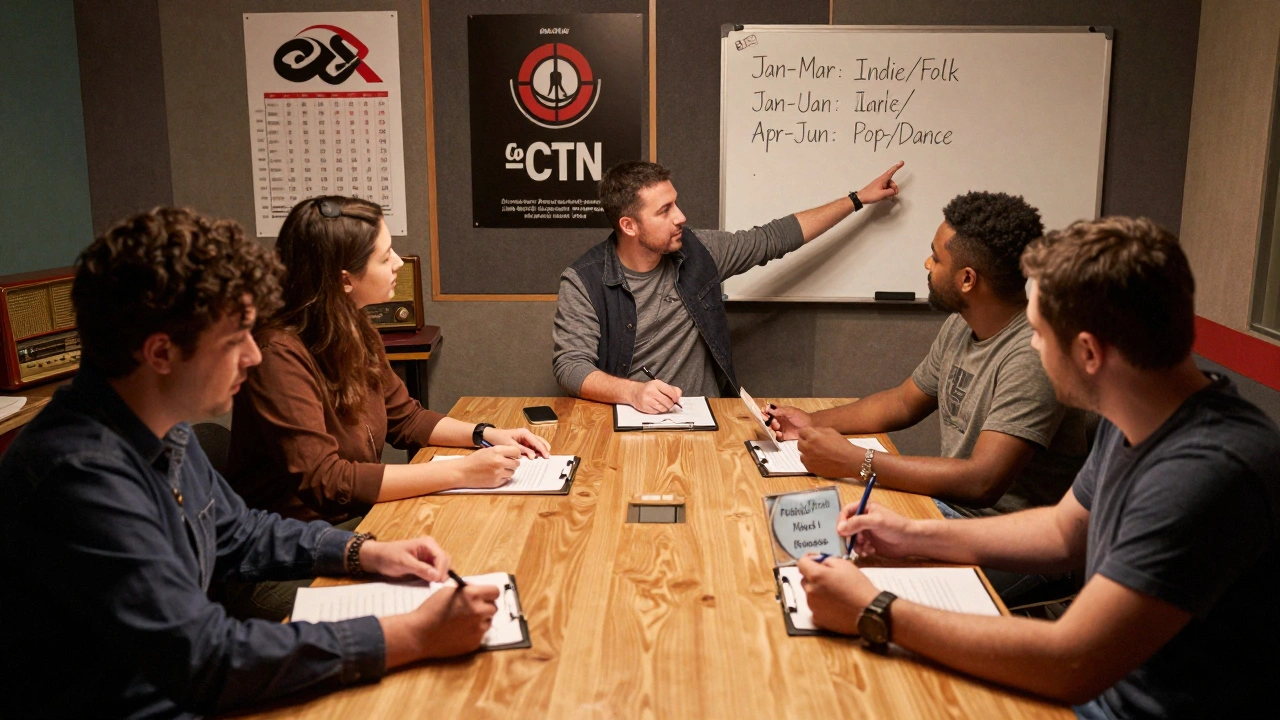
Not all months are equal. Radio stations have peak seasons for certain genres.
- January-March: Perfect for indie, folk, and singer-songwriter releases. After the holiday lull, stations are hungry for fresh content.
- April-June: Ideal for pop, dance, and upbeat tracks. Summer playlists start forming in April.
- July-August: Hard to break through. Many stations go on summer rotation, playing the same hits on repeat.
- September-October: Great for rock, alternative, and introspective music. Fall playlists are curated with intention.
- November-December: Focused on holiday music. Avoid releasing original material unless it’s explicitly seasonal.
That’s why releasing a dance track in November is a waste. It’s not that people don’t like it-it’s that no one’s listening for it.
What Happens When You Ignore the Calendar
I’ve seen too many artists make this mistake. They drop a single on a Friday, post it everywhere, and wonder why no radio station picked it up. They assume virality equals airplay. It doesn’t.
One artist from Portland released a song in late November 2025. It had 200K streams on Spotify. He sent it to 30 stations the day after release. Only two responded. Why? Because those stations had already locked in their December holiday playlists. His song wasn’t rejected-it was never considered.
Another artist, same city, same genre, dropped her album on March 1. She sent materials out on January 15. By release day, three local stations were playing her track, one regional station added it to rotation, and she got a live session on a popular morning show. She didn’t get lucky. She followed the calendar.
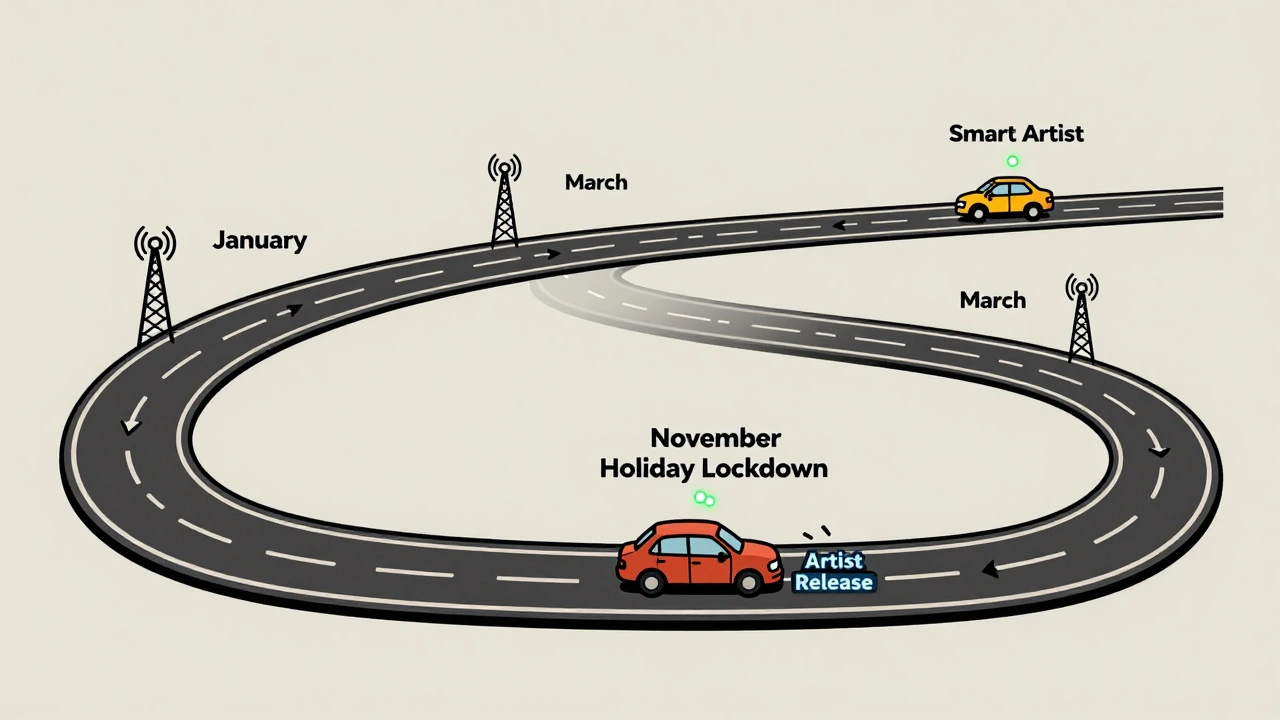
How to Build Your Own Radio Servicing Calendar
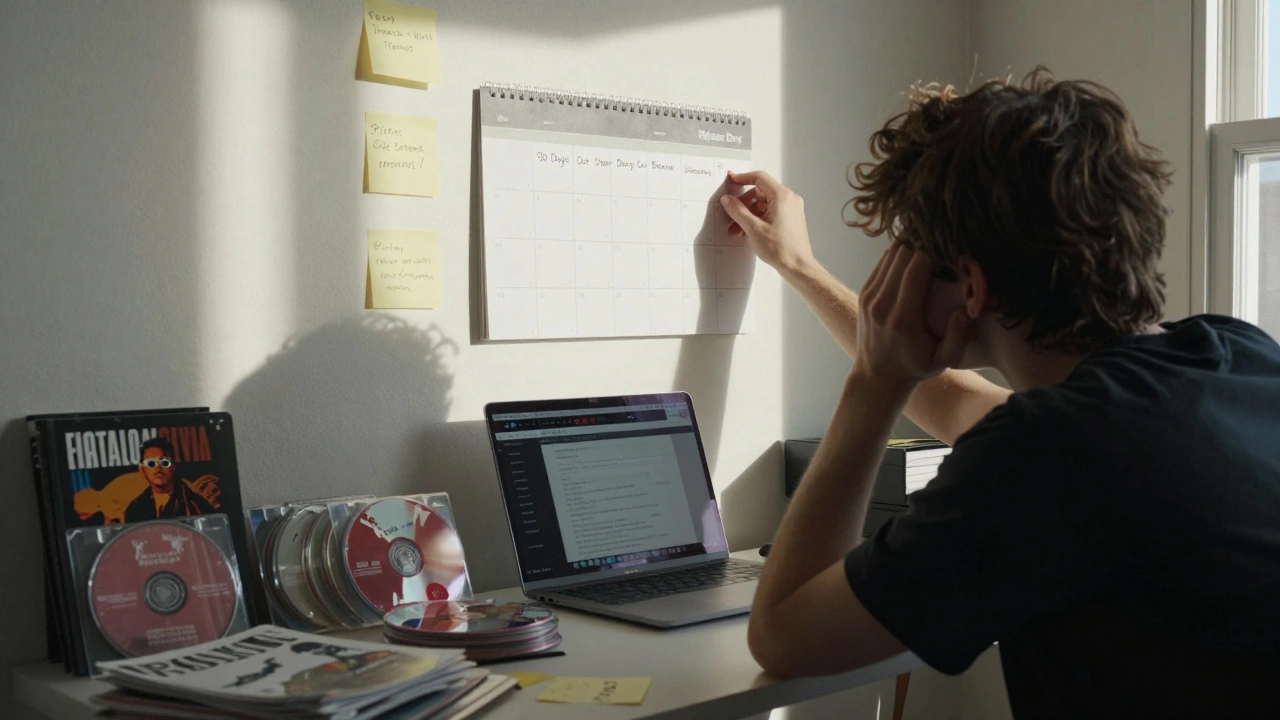
You don’t need a team. You just need a spreadsheet. Here’s how:
- Decide your release date.
- Work backward 90 days-that’s your start date.
- Mark key milestones: submission deadlines, interview windows, promotional pushes.
- Research each station’s submission policy. Some require physical CDs. Others only take digital via services like Music Gateway is a platform that connects independent artists with radio stations and music supervisors. or Radio Airplay is a service that distributes music to commercial and college radio stations across the U.S..
- Assign tasks. Who’s handling outreach? Who’s writing press releases? Who’s tracking responses?
Keep a log. Note who responded, who ignored you, and which stations added your song. That data becomes your playbook for next time.
Common Mistakes to Avoid
- Waiting until the last minute: Radio doesn’t move fast. If you wait, you lose.
- Using generic emails: "Dear Radio Station" gets deleted. Name the music director. Mention a recent show they did.
- Sending only audio: No bio? No press photo? No context? You’re making it harder.
- Ignoring local stations: Big markets get all the attention, but small stations often have loyal audiences and can lead to bigger opportunities.
- Assuming streaming = radio: Spotify plays are great. But radio adds credibility, reach, and exposure to audiences who don’t use streaming.
What Comes After Radio Play
Getting on the radio isn’t the finish line-it’s the launchpad. Once your song starts playing, you need to capitalize:
- Share the airplay on social media: "My song is now on 102.5 KXRX!"
- Engage with listeners who comment on your posts about hearing it on the radio.
- Use radio play as leverage to book live shows, festivals, or podcast interviews.
- Track which stations are playing you. That data helps you pitch to other markets.
Radio doesn’t just give you exposure. It gives you legitimacy. And legitimacy opens doors no algorithm can.
How far in advance should I start radio servicing before my music release?
You should start radio servicing at least 90 days before your release date. This gives stations time to review your music, schedule interviews, and include your track in upcoming rotation cycles. Many stations have strict deadlines-missing them means your song won’t be considered until the next cycle, which could be a month later.
Can I still get radio play if I release music in December?
It’s possible, but extremely difficult. Most radio stations switch to holiday music in November and lock in their playlists by early December. Unless your song is explicitly seasonal, it’s unlikely to be considered. If you must release in December, aim for early in the month and focus on independent or college stations that are more flexible.
Do I need to send physical CDs to radio stations?
Some stations still require physical copies, especially commercial and major market stations. Others accept digital submissions via platforms like Music Gateway or Radio Airplay. Always check each station’s submission policy before sending anything. If in doubt, send both a digital link and a physical CD with a printed press kit.
What’s the difference between commercial and college radio when it comes to servicing?
Commercial radio has strict playlists and programming cycles, often controlled by corporate teams. They prioritize songs that fit a specific format and have proven audience appeal. College radio is more experimental, with DJs and student programmers choosing tracks based on personal taste. They’re more open to new and underground artists but have less reach. Both are valuable-commercial for exposure, college for credibility and niche audience building.
How do I know if a radio station is actually playing my song?
Ask for a playlist report from the station’s music director. Many stations provide weekly or monthly reports showing which songs are in rotation. You can also use services like Nielsen BDS or SoundExchange that track airplay across stations. If you’re not getting reports, call the station directly and ask if your song is being played. Don’t assume silence means rejection-it might just mean they haven’t updated their playlist yet.