When you’re building your music career, your bio isn’t just a footnote-it’s your first handshake. Whether you’re pitching to a venue, applying for a festival, or updating your Spotify profile, the way you write about yourself matters. And one of the biggest decisions you’ll face is this: should your bio be written in first-person or third-person?
First-Person Bios: Sound Like Yourself
Writing in first-person means using "I" and "me." It’s direct. It’s personal. It’s how you’d talk to a friend after a show, still buzzing from the crowd’s energy.
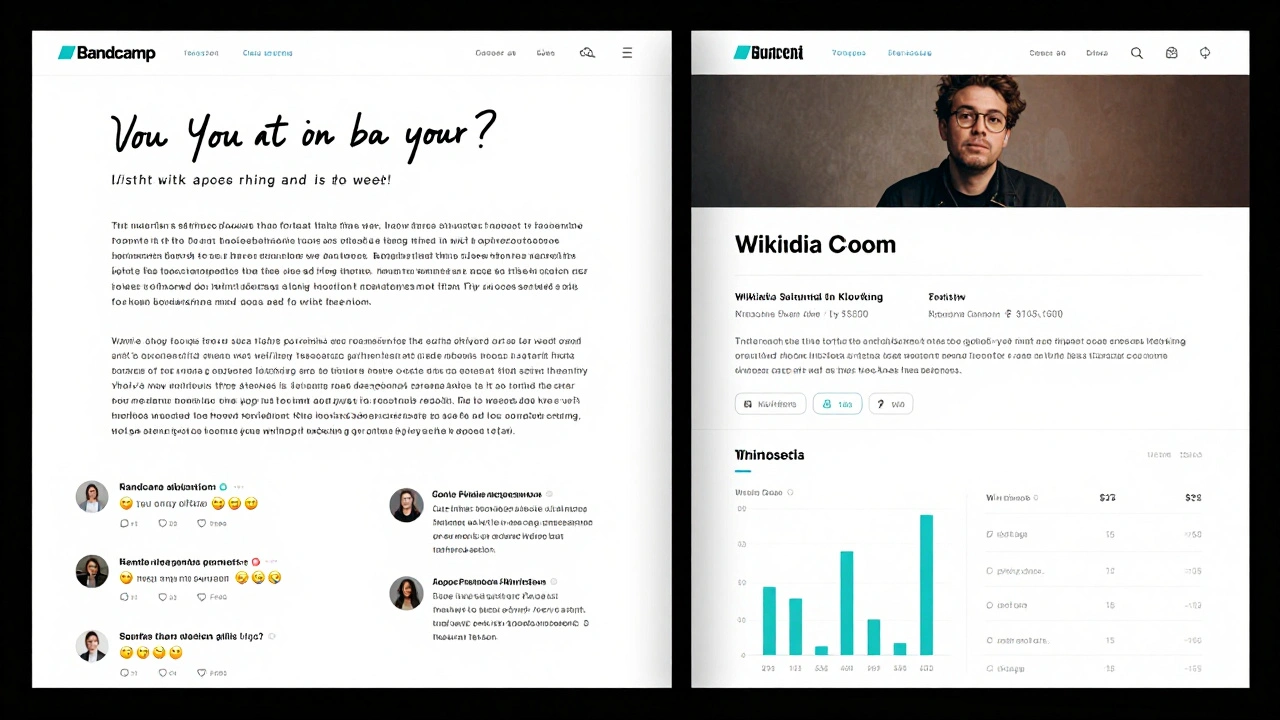
Artists like Hozier, Mitski, and Phoebe Bridgers often use first-person bios on their personal websites and Bandcamp pages. Why? Because their music feels intimate. Their fans want to know the person behind the lyrics-not just a polished brand.
A first-person bio works best when:
- You’re an indie artist with a strong, unique voice
- Your music is emotional, confessional, or storytelling-driven
- You’re targeting fans directly, not industry gatekeepers
- Your brand is built on authenticity, not polish
Here’s a real example from a Portland-based folk singer:
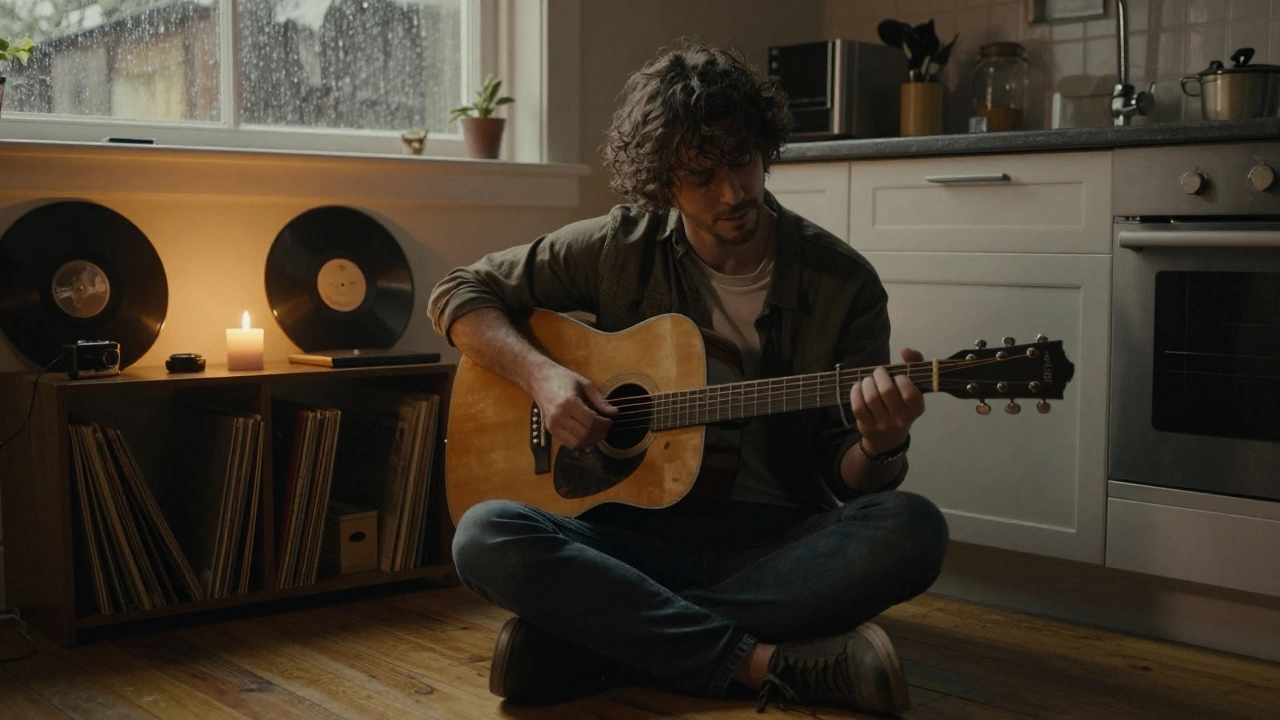
"I grew up listening to my dad play Neil Young on vinyl in our tiny kitchen. At 16, I wrote my first song on a borrowed guitar and played it for strangers at open mics. Now I tour small towns, chasing the quiet moments when someone in the back row sings along-not because they know the words, but because they feel them."
That’s not just a bio. It’s a feeling. And that’s the power of first-person.
Third-Person Bios: The Industry Standard
Third-person bios use "he," "she," "they," or the artist’s name. This is what you’ll find on label websites, Wikipedia, press kits, and festival lineups.
Why? Because industry professionals-bookers, journalists, radio programmers-need to read your bio quickly. They’re not looking for your soul. They’re looking for facts: Who are you? What have you done? Why should they care?
Third-person bios are expected in:
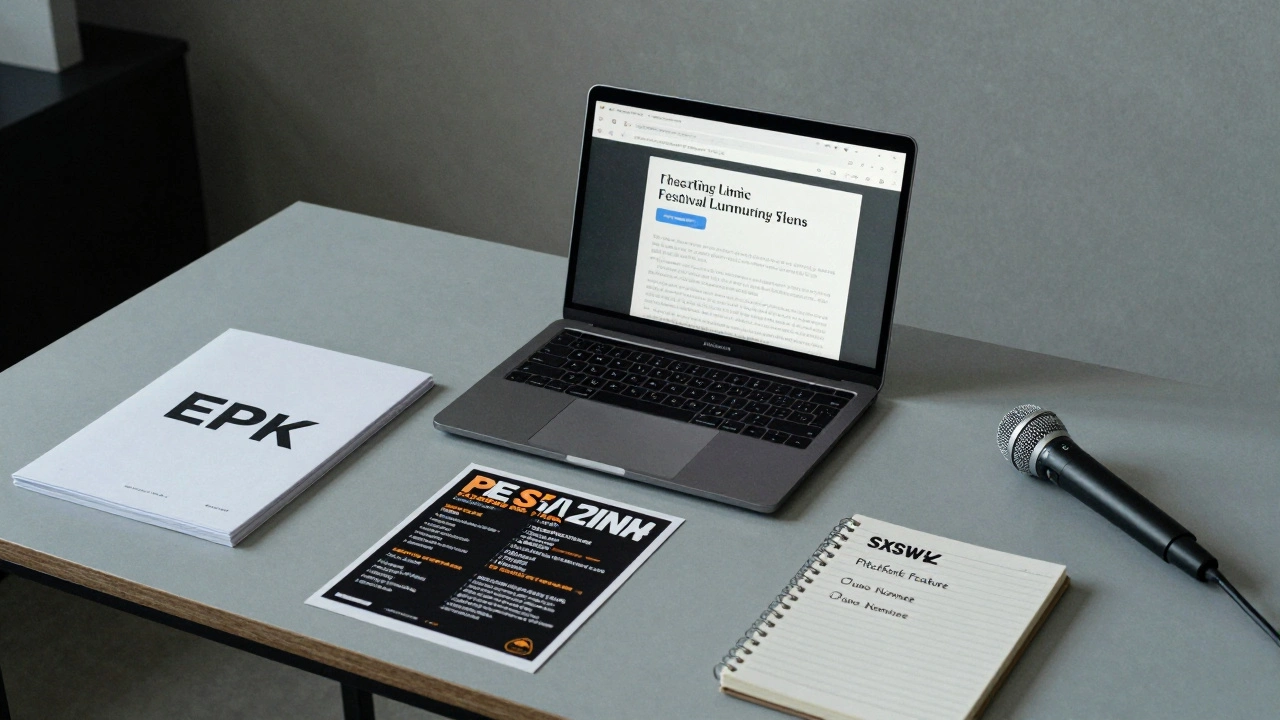
- EPKs (Electronic Press Kits)
- Media kits sent to magazines or podcasts
- Festival applications (SXSW, Coachella, etc.)
- Wikipedia and AllMusic profiles
- Label websites and official press releases
Here’s what a professional third-person bio looks like:
"Juno Award-nominated artist Lila Reyes blends Pacific Northwest folk with electronic textures, drawing comparisons to Nelly Furtado and Grimes. Her 2024 album Static Bloom charted on Bandcamp’s Top 100 for 14 weeks and earned features in Pitchfork and Rolling Stone. She has performed at SXSW, Noise Pop, and the Vancouver Folk Music Festival, and currently tours in support of her upcoming EP Neon Ghosts (out April 2026)."
Notice how it’s packed with verifiable facts: awards, chart stats, venues, release dates. No emotion. Just proof.
When to Use Which
You don’t have to pick one forever. Most serious artists use both-but in different places.
Use first-person for:
- Your personal website homepage
- Bandcamp "About" section
- Social media bios (Instagram, Twitter/X)
- Live show intros or video messages to fans
Use third-person for:
- EPK (Electronic Press Kit) PDF
- Press releases
- Festival and venue booking forms
- Wikipedia, AllMusic, Discogs
- Media interviews (they’ll quote you, but they’ll write the bio)
Think of it like this: your first-person bio is your heart. Your third-person bio is your resume.
What Happens If You Mix Them Up?
Bad things. Not because one is "wrong," but because context matters.
Imagine sending a first-person bio to a festival booker:
"I really love playing shows and I think my music speaks to people who feel alone."
That’s not enough. Bookers get hundreds of these. They need to know: How many shows? What venues? Who’s your audience? Have you toured? What’s your draw?
Now imagine a third-person bio on your personal website:
"Alex Chen is a Brooklyn-based producer who has released two albums since 2020. His work has been featured on Spotify’s Indie Pop playlist. He is currently working on his third LP."
It’s accurate. But it’s cold. It doesn’t make you memorable. It doesn’t make someone hit "follow."
Using the wrong voice can make you seem unprofessional-or worse, disconnected from your own art.
How to Write Both Well
Here’s a simple framework for each.
For First-Person Bios:
- Start with a moment: Where were you? What were you feeling?
- Connect it to your music: How did that moment shape your sound?
- Include a specific detail: A broken guitar. A midnight studio session. A fan who cried at your show.
- End with purpose: Why do you keep making music?
Don’t list achievements. Tell a story. Let your personality bleed through.
For Third-Person Bios:
- Lead with your name and location.
- State your genre and key influences.
- Include measurable accomplishments: chart positions, tours, media features, awards.
- Mention upcoming releases or projects.
- End with a clear call to action: "Bookings: [email protected]"
Use active verbs: "toured," "released," "featured," "nominated." Avoid fluff like "passionate about" or "dedicated to."
Pro Tip: Keep Both Updated
One artist I know updated her third-person bio for a festival application but forgot to change her personal website. The result? A journalist read her old bio, assumed she hadn’t released anything new, and skipped the interview.
Keep your third-person bio updated every 3-6 months. Add new tours, press, awards. Delete outdated info.
For your first-person bio, update it when your voice changes. Maybe you moved cities. Maybe you stopped playing guitar and started making beats. Let your bio evolve with you.
Final Thought: Your Bio Is a Living Thing
It’s not about picking the "right" voice. It’s about picking the right voice for the right moment.
Use first-person to connect. Use third-person to get booked. Use both to build a career that’s real-and reachable.
Should I use first-person on my Spotify artist bio?
Yes. Spotify’s artist bio section is where fans learn who you are. First-person works best here because it’s personal. Use it to share your story, not your resume. Spotify doesn’t send your bio to bookers-it’s for listeners.
Can I use third-person on my Instagram bio?
Technically, yes-but it’s not ideal. Instagram is a personal space. Followers want to feel like they know you. A third-person bio like "Lila Reyes is a Juno-nominated artist" feels distant. Stick to "I make music about quiet nights and loud hearts."
Do I need a third-person bio if I’m not applying to festivals?
If you’re serious about growing your career, yes. Even if you’re not applying to festivals, you might get asked for a press kit by a podcast, blogger, or radio station. Having a clean third-person bio ready saves time-and looks professional.
How long should a musician bio be?
First-person bios: 100-200 words. Long enough to feel human, short enough to hold attention. Third-person bios: 150-300 words. Enough to cover key facts without overwhelming. For EPKs, always include a 50-word "short bio" as well-many outlets only use that.
What if I’m a band? Should I write in first-person?
You can-but use "we." "We started playing in a garage in 2019" works. "I" becomes confusing. Third-person is still safer for press kits: "The band has toured 17 states..." Always clarify if you’re writing as a collective or individual.