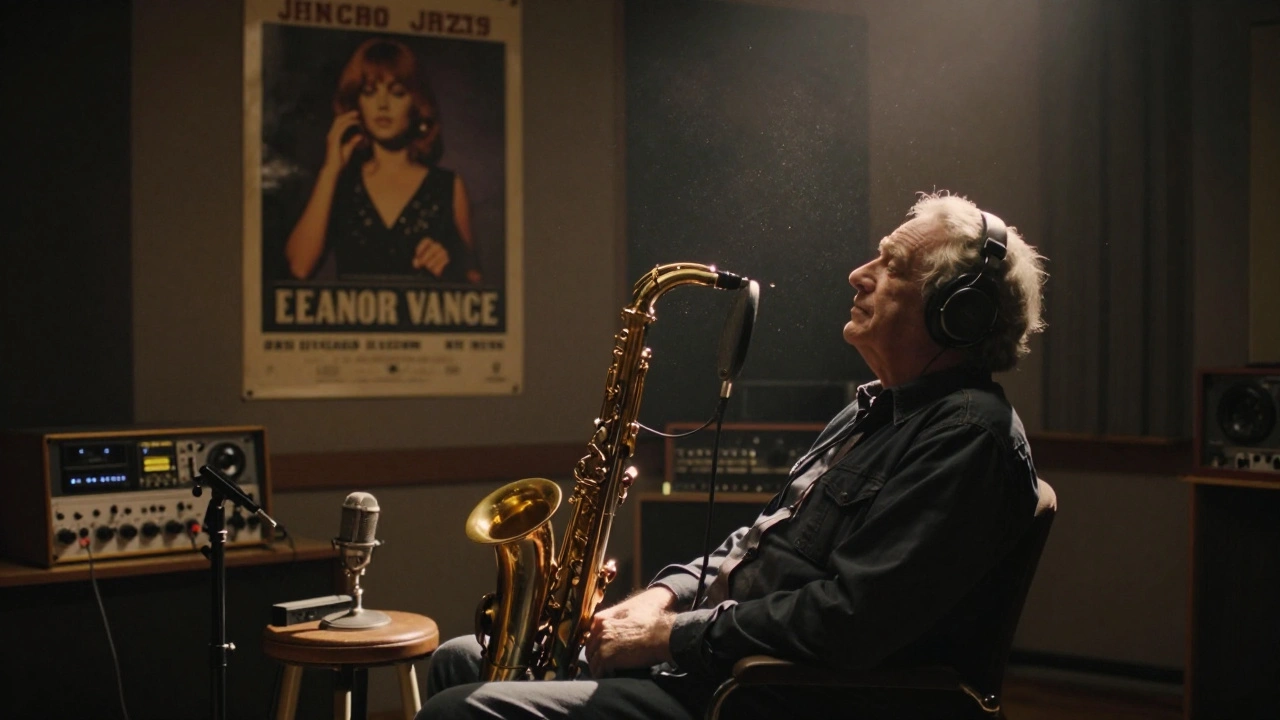
Robert Hill isn’t just a solo artist-he’s a curator of sound. Over the past decade, his albums have become known not only for his own songwriting and production but for the unexpected, powerful voices and instruments that show up on his tracks. From jazz legends to indie rock upstarts, the guest musicians on Robert Hill’s albums don’t just add color-they change the direction of the music. If you’ve ever wondered who those mysterious backing vocalists or soulful sax players are on his records, here’s who they really are and why they matter.
Why Guest Musicians Matter on Robert Hill’s Albums
Robert Hill doesn’t make music in a vacuum. He’s never been one to rely solely on studio musicians or programmed tracks. Instead, he invites people whose playing feels alive, unpredictable, and emotionally raw. That’s why every album since Midnight in the Quiet (2018) has featured at least three guest artists who weren’t part of his core band.
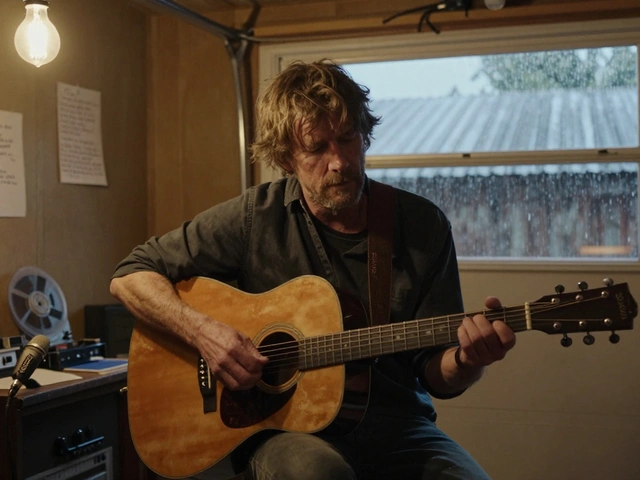
It’s not just about名气. Hill picks collaborators based on how they respond to his demos. He sends rough recordings to musicians he admires, then waits for their reaction. If they send back something unexpected-a solo that bends the melody, a harmony that lifts the chorus-he builds the track around it. That’s how the haunting harmonica on Ghost Roads (2021) came to be: a one-take take from a bluesman Hill met at a late-night jam in New Orleans.
The Jazz Legend: Eleanor Vance
On Midnight in the Quiet, Eleanor Vance, a 78-year-old alto saxophonist who played with Miles Davis in the late 70s, appears on two tracks. Her solo on Slow Burn is the emotional core of the album. Hill didn’t know her personally-he found her through an archived recording of a 1979 live set in Chicago. He reached out, sent her the demo, and she replied with a three-minute solo recorded on her kitchen table using a $200 microphone.
Her playing is loose, breathy, and full of silence. Hill says, "She doesn’t play notes. She plays the space between them." That approach became a signature on later albums. Vance didn’t tour with him, but her contributions were so essential that Hill included her name in the album credits as a co-writer on two tracks.
The Indie Experiment: Lila Chen
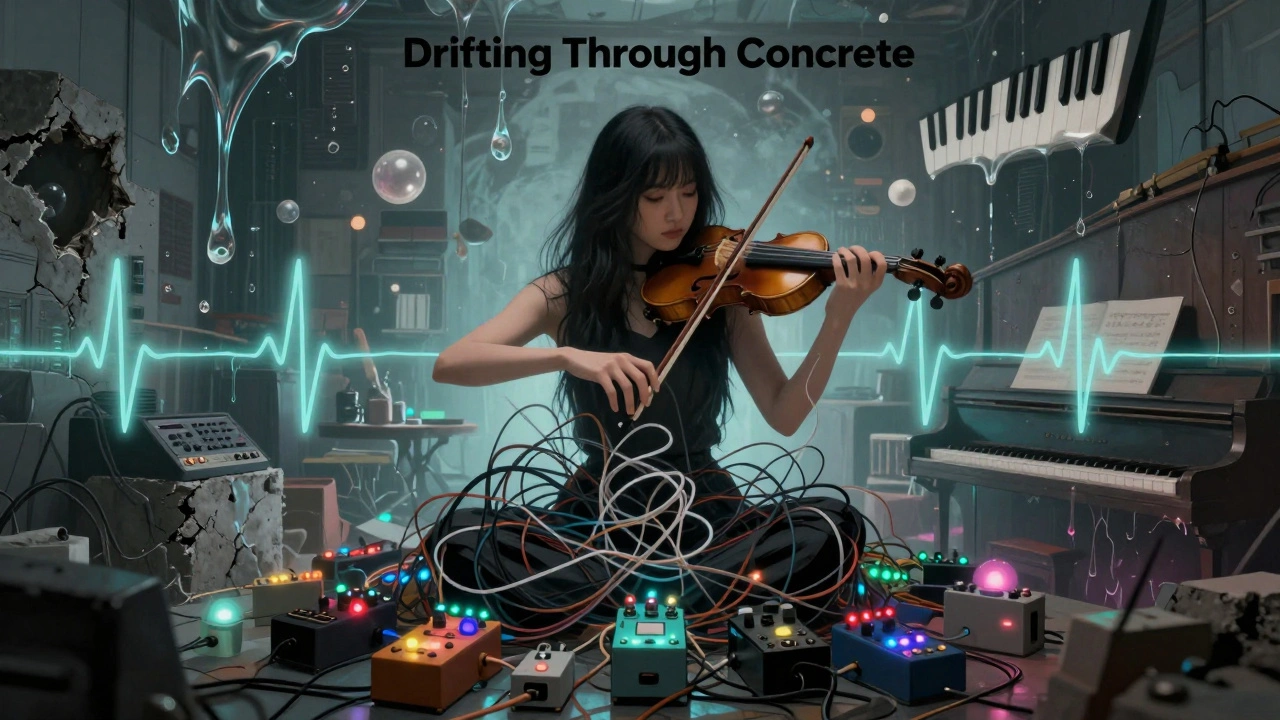
Lila Chen, a 26-year-old producer and multi-instrumentalist from Portland, showed up on Static Bloom (2023) with a distorted electric violin and a pedalboard full of analog gear. She’d posted a 12-minute improvisation online called Feedback Prayer that Hill stumbled on while scrolling at 3 a.m. He messaged her: "Can you make this sound like it’s falling through water?"
She showed up at his studio with two amps, a theremin, and a modified ukulele. The result? The track Drifting Through Concrete, which blends glitchy strings with ambient piano. Chen didn’t just play-she restructured the song’s rhythm. Hill ended up rewriting the entire bridge after hearing her first take. She’s since become a recurring collaborator, appearing on three of his last four albums.
The Country Voice: Marlon Reed
Marlon Reed, a former Nashville session singer who quit the industry after a breakdown in 2016, showed up unannounced at one of Hill’s recording sessions in 2020. He was working as a mechanic in rural Alabama but still sang into a tape recorder every morning. Hill heard a clip of his voice on a grassroots music forum and tracked him down.
Reed’s vocals on Broken Compass (2022) are quiet, cracked, and deeply human. He sings in a register that barely clears a whisper, yet every note carries weight. Hill says, "He doesn’t sing to be heard. He sings because he has to." Reed’s contribution turned a simple ballad into the most streamed track on the album. He’s never done another studio session since-but Hill still sends him new demos every few months.
The Unexpected Drummer: Darius "Bolt" Jones
Darius Jones, known in underground circles as "Bolt," is a self-taught drummer who plays on a kit made of metal trash cans, wooden crates, and a snare he found in a dumpster. He’s never recorded in a professional studio before Hill invited him to play on Static Bloom.
His rhythm on Thunder Without Rain is chaotic, precise, and oddly hypnotic. Hill didn’t give him a tempo or a chart. He just said, "Play like you’re running from something." Jones played for 47 minutes straight. Hill edited it down to 3:12, but kept every odd fill, every off-beat crash. The track became a cult favorite on college radio.
Now, Bolt is Hill’s go-to for live improvisation. He’s appeared on two tour dates, playing a different homemade kit each time. Fans call him "the noise philosopher."

How Robert Hill Chooses His Guests
There’s no formula. Hill doesn’t look for fame, technical skill, or genre alignment. He looks for authenticity. He asks himself three questions before inviting someone:
- Does their sound feel like it was made in real time, not rehearsed?
- Do they have a history of making music for themselves, not for an audience?
- Would their voice or instrument change the way I hear the song?
He’s turned down Grammy winners because their playing felt too polished. He’s invited strangers who sent him voice memos of them humming into their phones.
One rule: no contracts. No exclusivity. No studio time limits. Guests are free to come, play, and leave. Hill says, "I don’t want collaborators. I want moments."
The Ripple Effect
These guest appearances have changed more than just Hill’s music-they’ve changed careers. Lila Chen landed a record deal after Static Bloom went viral. Eleanor Vance was invited to perform at the Newport Jazz Festival for the first time in 30 years. Marlon Reed started a podcast about silent songs and has over 200,000 monthly listeners.
Hill doesn’t take credit. He says, "I just opened the door." But the truth is, he’s the one who noticed the music no one else was listening to.
What’s Next?
His upcoming album, tentatively titled Whispers in the Static, is already in motion. Hill has received demos from a blind accordionist in Prague, a 14-year-old beatboxer from Lagos, and a retired opera singer who records in a cave in the Alps. He hasn’t decided who’ll make the cut.
But if history holds, it won’t be the most famous names. It’ll be the ones who played like no one was listening.