Getting your music out there is only half the battle. The other half? Making sure it doesn’t get buried under a flood of other big releases. Every year, dozens of major artists drop albums, singles, or EPs on the same day-and the one that gets heard is rarely the best one. It’s the one that slipped through the cracks. This isn’t luck. It’s strategy. And if you’re an independent artist, a label, or even a manager, you need to treat your release date like a tactical move, not an afterthought.
Why release date clashes matter more than you think
In 2025, Taylor Swift dropped her re-recorded album on a Friday in late April. The same day, Drake released a surprise mixtape, and a dozen indie acts with strong fanbases also launched new music. Streaming numbers for the indie releases? On average, they dropped 40% compared to similar albums released the week before or after. Why? Because algorithms and playlists get flooded. Spotify’s Discover Weekly, Apple Music’s New Music Daily, and even TikTok’s algorithm prioritize fresh, trending content. When five big names drop on the same day, the system gets confused. It doesn’t know what to push. And your song? It gets ignored.
It’s not just about volume. It’s about audience overlap. If you’re a pop artist and you drop the same day as a hip-hop heavyweight, you might not directly compete-but your fans might be the same people scrolling through their feeds. They can’t listen to everything. They pick one. And if that one has 10 million followers, your 100,000 won’t stand a chance.
What competitive intelligence actually looks like
Competitive intelligence isn’t just checking a calendar. It’s digging into patterns. You need to know:
- Which artists are planning releases in the next 90 days
- What genres are peaking in streaming volume
- When major media outlets (like Rolling Stone, Pitchfork, or BBC) are scheduling feature stories
- Which dates are historically quiet (like the week after Thanksgiving or right after New Year’s)
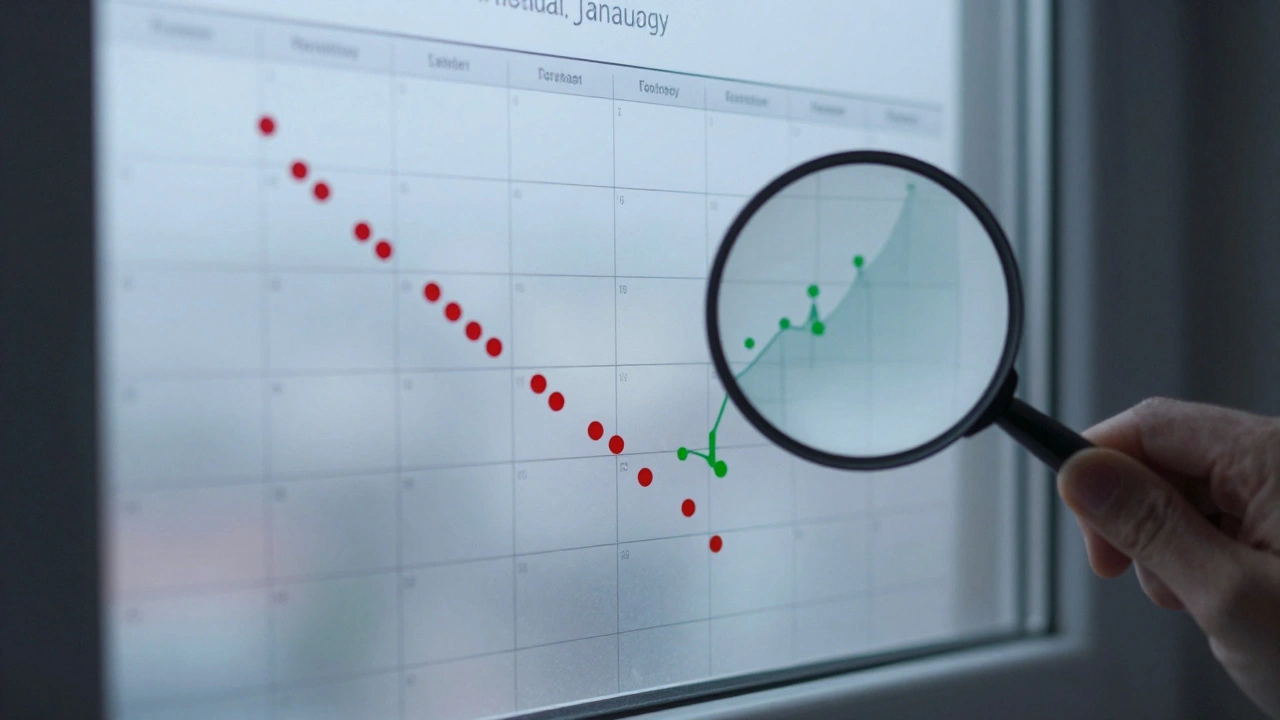
Tools like Chartmetric, Spotify for Artists, and even public tour schedules help. But you don’t need expensive software. Start simple. Look at last year’s top 50 releases. Which weeks had the most big drops? Which weeks had the lowest? You’ll notice a pattern: mid-January is quiet. Late July is quiet. The week before Labor Day? Barely anyone releases. These are your golden windows.
Also, pay attention to why artists pick certain dates. Holiday weekends? Big for pop. Back-to-school? Huge for Gen Z-driven acts. Awards season? That’s when labels push for critical buzz. If you’re not aligned with those rhythms, you’re fighting uphill.
How to map your release against the competition
Here’s a real-world method that’s worked for indie labels and self-releasing artists since 2023:
- Make a list of 10 artists you consider peers-similar genre, audience size, label backing.
- Check their upcoming releases using public announcements, label press kits, or even fan forums. Don’t rely on Spotify alone; many indie artists announce on Instagram or Substack.
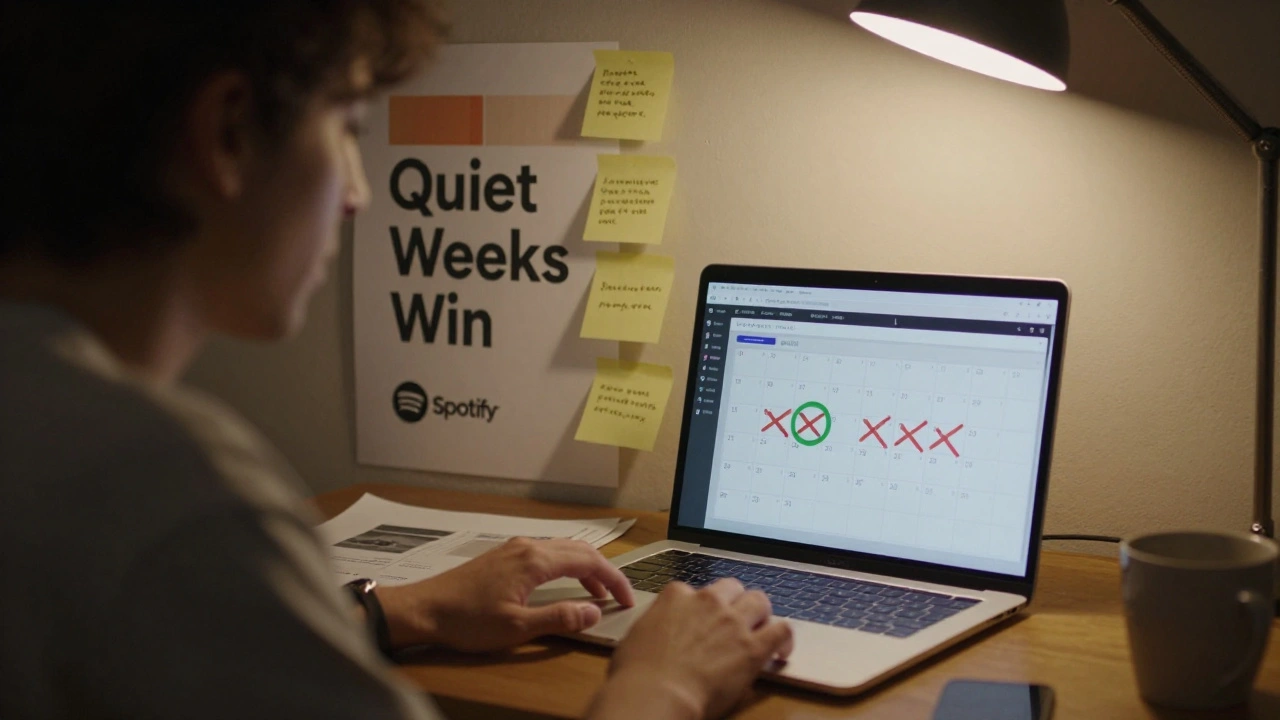
- Plot these dates on a 12-week calendar. Highlight any overlaps.
- Find the three weeks with the fewest releases from your peer group.
- Then, check if any major label artists (top 100 on Billboard) are dropping in those same weeks. If yes, avoid them. If no? You’ve found your sweet spot.
For example, in early 2025, a synth-pop band from Berlin planned their album for March 14. They saw three other indie acts dropping that week. But they also noticed that no major artist had scheduled anything between March 10 and March 21. They moved their release to March 18. Result? Their debut single hit #12 on Spotify’s Global Viral chart. The week before, a similar track from a competitor barely cracked the top 200.
When to break the rules
There’s a myth that you should never release on a Friday. Or never during a holiday. But sometimes, going against the grain wins. In 2024, a folk artist dropped her album on a Tuesday-right after a major pop star’s release. She didn’t try to compete. She made a statement: “This isn’t for the algorithm. It’s for the quiet listeners.” She emailed her fanbase directly. She posted a 10-minute video explaining why she chose that day. And guess what? Her album sold 3x more than her previous one. Why? Because she turned the clash into a story.
Breaking rules works when you have a clear narrative. If you’re releasing on a crowded day, don’t hide from it. Own it. Say: “We’re releasing the same day as [Big Artist]-and here’s why ours is different.” That’s not chaos. That’s confidence.
The hidden danger: silent releases
Not every big release is announced. Some artists drop albums without warning. Others quietly upload to streaming platforms without any press. These are the real threats. You can’t plan for them. But you can prepare.
Set up Google Alerts for your genre. Follow key music journalists on Twitter. Subscribe to independent industry newsletters like Music Business Worldwide or The Ringer’s music section. If you notice a spike in streaming for an unknown artist in your genre on a Tuesday, and you’re planning a Friday drop, pause. Ask: Is this someone new? Or is this a stealth release? If it’s the latter, delay by 48 hours. Sometimes, a two-day shift is all you need.

What to do if you’re already in a clash
Let’s say you’ve scheduled your release. Then, two days before launch, you find out a major artist is dropping the same day. Don’t panic. You still have options:
- Shift your release by 3-5 days. Most fans won’t notice.
- Launch a teaser campaign: “Coming soon-when the noise dies down.”
- Lean into the contrast: “While everyone’s chasing trends, we’re making something slower. Here’s why.”
- Target niche platforms: Bandcamp, SoundCloud, or even Substack. These spaces aren’t flooded the same way.
One artist in Portland delayed her album by a week and used the extra time to release a behind-the-scenes documentary. It went viral on YouTube. Her album dropped to 70% more streams than originally projected.
Final rule: Your release date is your first impression
Think of your release date like your album cover. It’s the first thing people see. A messy, crowded calendar doesn’t scream professionalism. A clean, strategic slot says: “I know what I’m doing.”
Don’t just pick a date because it’s convenient. Don’t pick it because your friend’s birthday is on it. Don’t pick it because you “felt like it.”
Use data. Watch patterns. Respect the ecosystem. And if you’re bold enough, use a clash to your advantage. The best releases aren’t the loudest. They’re the ones that timed themselves perfectly.
How far in advance should I start planning my release date?
Start at least 90 days before your target release. That gives you time to research competitors, adjust your marketing plan, and coordinate with press, influencers, and playlist curators. If you’re working with a label, they’ll often handle this-but if you’re independent, you need to be the strategist.
Can I release on the same day as a major artist and still succeed?
Yes-but only if you have a strong narrative or a very targeted audience. For example, if you’re a punk band and you drop the same day as a pop superstar, your fans aren’t likely to be the same people. But if you’re both pop artists with similar fanbases, you’re in a direct battle. The key is to differentiate: offer something the big artist doesn’t-like a live session, exclusive merch, or a deeper story.
What’s the best time of year to release music?
Late January and early February are historically quiet. The holidays are over, awards season is done, and streaming platforms are hungry for fresh content. Late July and early August also work well, especially for indie artists targeting summer playlists. Avoid late November (too crowded with holiday albums) and mid-December (people are off social media).
Do I need to track every artist in my genre?
No. Focus on the top 10-15 artists who have similar audience size and reach. Tracking everyone is overwhelming. Instead, look for patterns: Which weeks do they tend to release? What holidays do they avoid? Once you see the rhythm, you can predict the next moves.
How do I know if my release is getting buried?
Check your streaming numbers in the first 72 hours. If you’re getting under 500 streams per day on Spotify and you have 10K+ followers, you’re likely buried. Also, if your songs aren’t showing up on any playlists, even small ones, that’s a red flag. Compare your first-week performance to similar artists who released a week before or after you. If they’re doing 3x your numbers, the timing likely hurt you.