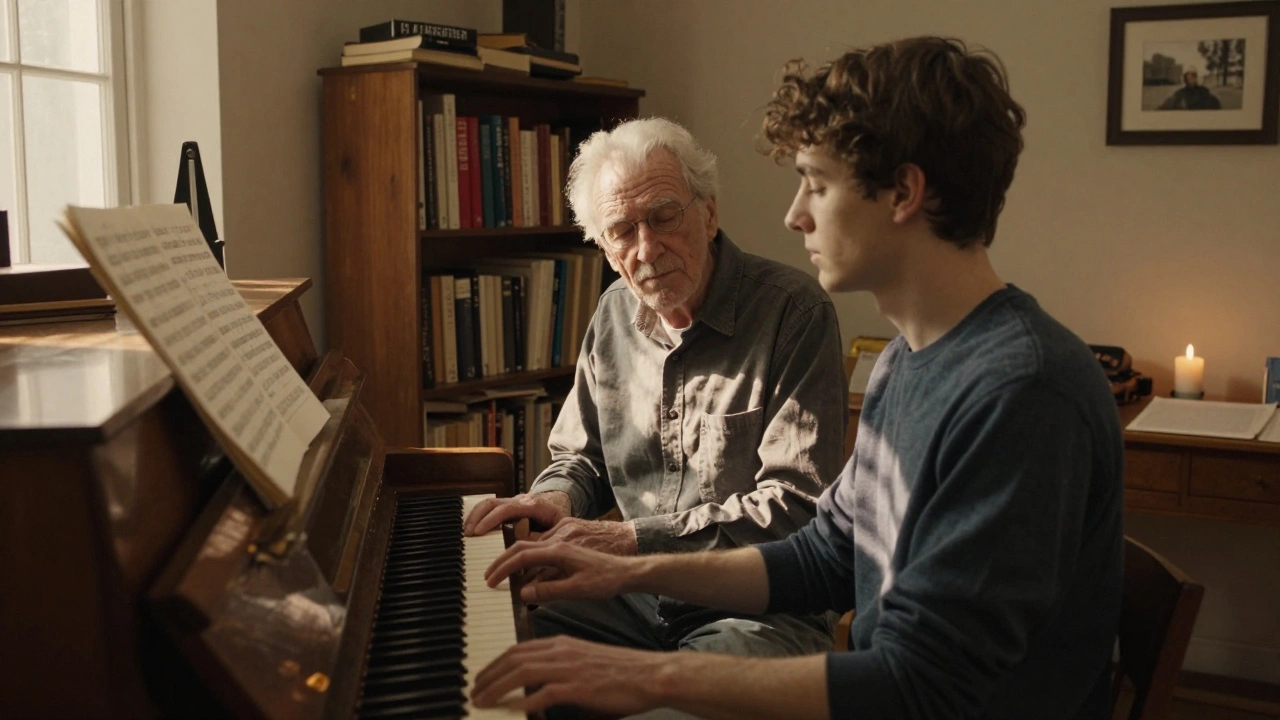
Robert Hill wasn’t just a pianist. He was the quiet force behind countless young musicians who went on to shape the classical music world. While his own performances drew praise for their clarity and emotional precision, it was his teaching that left the deepest mark. Many of today’s leading pianists, chamber musicians, and educators trace their artistic voice back to hours spent in his studio - not in grand concert halls, but in small, sunlit rooms where the real work happened.
What Made Robert Hill’s Teaching Different
Most teachers focus on technique: finger strength, pedal control, tempo accuracy. Robert Hill started elsewhere. He asked his students: “What does this piece want to say?” Not “How do you play it?” He didn’t care if a student hit every note perfectly if the music felt hollow. He believed that technical mastery without emotional truth was just noise.
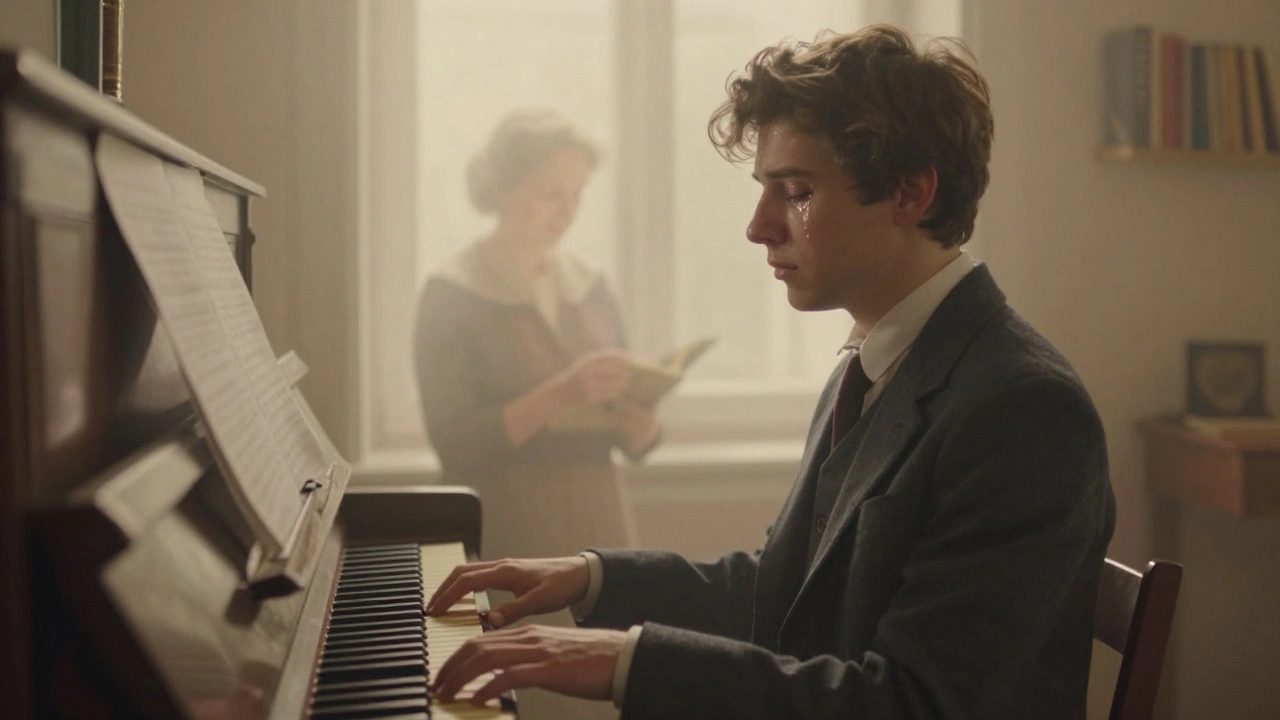
One of his students, now a professor at Juilliard, remembers playing Chopin’s Nocturne in E-flat major. She nailed the dynamics, the phrasing, the rubato. Hill sat quietly. Then he said, “You played it like you were afraid to feel it.” He didn’t correct a single note. Instead, he asked her to close her eyes and imagine her grandmother’s voice singing lullabies. The next time she played, the room changed. The music didn’t just sound beautiful - it felt alive.
His method wasn’t about rules. It was about listening - to the music, to yourself, to the silence between notes.
How He Built Trust, Not Just Skills
Robert Hill didn’t teach in a hurry. He didn’t have a syllabus. He didn’t push students toward competitions or recordings. He gave them time. One student spent six months on a single Bach invention. Not because Hill thought it was hard, but because he wanted the student to learn patience. “Music doesn’t rush,” he’d say. “It waits.”
He met every student where they were. A 14-year-old with raw talent but no confidence? He’d play duets with them, letting their playing lead the way. A 22-year-old overwhelmed by pressure? He’d take them for walks, talking about poetry, paintings, anything but music - until they remembered why they loved it.
His studio didn’t look like a music school. There were no metronomes on the shelf. No trophies. Just books - Rilke, Dickinson, Camus - stacked beside sheet music. He believed that to play Beethoven, you had to first understand what it meant to be human.
His Influence Beyond the Piano
Robert Hill taught piano, but his lessons reached far beyond the keyboard. Many of his students went on to become composers, conductors, even music therapists. One former student, now working with autistic children, says Hill taught her how to listen without judgment. “He didn’t fix you,” she recalls. “He made you feel like your voice mattered.”
He didn’t recruit talent. He recognized it - even when students couldn’t see it themselves. A young pianist once came to him, convinced she was untalented after a harsh critique from another teacher. Hill listened. Then he handed her a score of Schubert’s Impromptu in G-flat. “Play this,” he said. “Not for me. For the part of you that still believes music can heal.” Three years later, she won a major international competition. But she says the real prize was rediscovering her own voice.
The Legacy in Their Playing
Today, you can hear Robert Hill’s influence in the way younger musicians approach repertoire. They don’t just play notes. They breathe with them. They pause - not because the score says to, but because they feel the weight of silence. They take risks. They make mistakes. And they don’t apologize for it.
Recordings from his former students show a clear pattern: a clarity of expression, a refusal to over-romanticize, a deep respect for the composer’s intent - not as a rulebook, but as a conversation. Critics have noted this in reviews of emerging pianists, often describing their playing as “unafraid” or “honest.” Those are the words Hill’s students use to describe him.
He never wrote a book. Never gave a TED Talk. Never posted online. But his students carry his voice. In their rehearsals, in their teaching, in the way they sit at the piano - calm, present, listening.
Why His Approach Still Matters Today
Music education today is crowded with metrics: practice hours, competition wins, YouTube views. There’s pressure to perform early, to market early, to be “successful” before age 20. Robert Hill’s way feels almost radical now. He asked students to wait. To feel. To be unsure. To be quiet.
But in a world that values speed over depth, his method has never been more needed. Young musicians today face burnout, anxiety, and the constant comparison of social media. What they need isn’t another technique video. They need someone who sees them - not as a future star, but as a person with a story to tell through music.
Robert Hill didn’t create clones of himself. He created musicians who found their own paths. That’s the rarest gift a teacher can give.
What He Left Behind
There’s no official archive of Robert Hill’s teaching. No recorded masterclasses. No published method. But you can find his legacy in the way his students speak to their own pupils. In the way they pause before a phrase. In the way they ask, “What does this mean to you?” instead of “This is how it’s done.”
He taught that music isn’t about perfection. It’s about presence. That the most important thing you bring to a piece isn’t your fingers - it’s your heart.
Who was Robert Hill?
Robert Hill was a respected classical pianist and influential music teacher, known for his deep, human-centered approach to teaching. While he performed internationally, his lasting impact came through mentoring younger musicians. He emphasized emotional truth over technical perfection and inspired a generation of artists who now shape the classical music world.
Did Robert Hill write any books or publish teaching materials?
No, Robert Hill never published books, recordings, or formal teaching manuals. His influence spread through personal mentorship - one-on-one lessons, conversations, and the way his students carried his philosophy into their own teaching and performances. His legacy lives in the playing and teaching of his former students.
How did Robert Hill help students overcome performance anxiety?
He didn’t treat anxiety as a problem to fix. Instead, he helped students reconnect with why they loved music. He’d ask them to recall a moment when music moved them - a lullaby, a memory, a quiet feeling. He believed performance anxiety came from losing touch with personal meaning. By returning to that feeling, students found calm not through control, but through surrender.
What kind of music did Robert Hill focus on?
He specialized in Bach, Schubert, and Chopin - composers whose music demands deep emotional insight. But he didn’t limit students to these. He believed any piece could become meaningful if approached with honesty. His goal wasn’t to make specialists - it was to make thoughtful musicians.
Are there any recordings of Robert Hill’s students that reflect his teaching style?
Yes. Several former students have released critically acclaimed recordings that reflect his approach - clear phrasing, restrained emotion, and a sense of quiet intensity. Critics have noted a distinctive “Hill-influenced” sound in their playing: not flashy, but deeply resonant. These recordings are available through major classical labels and university archives.