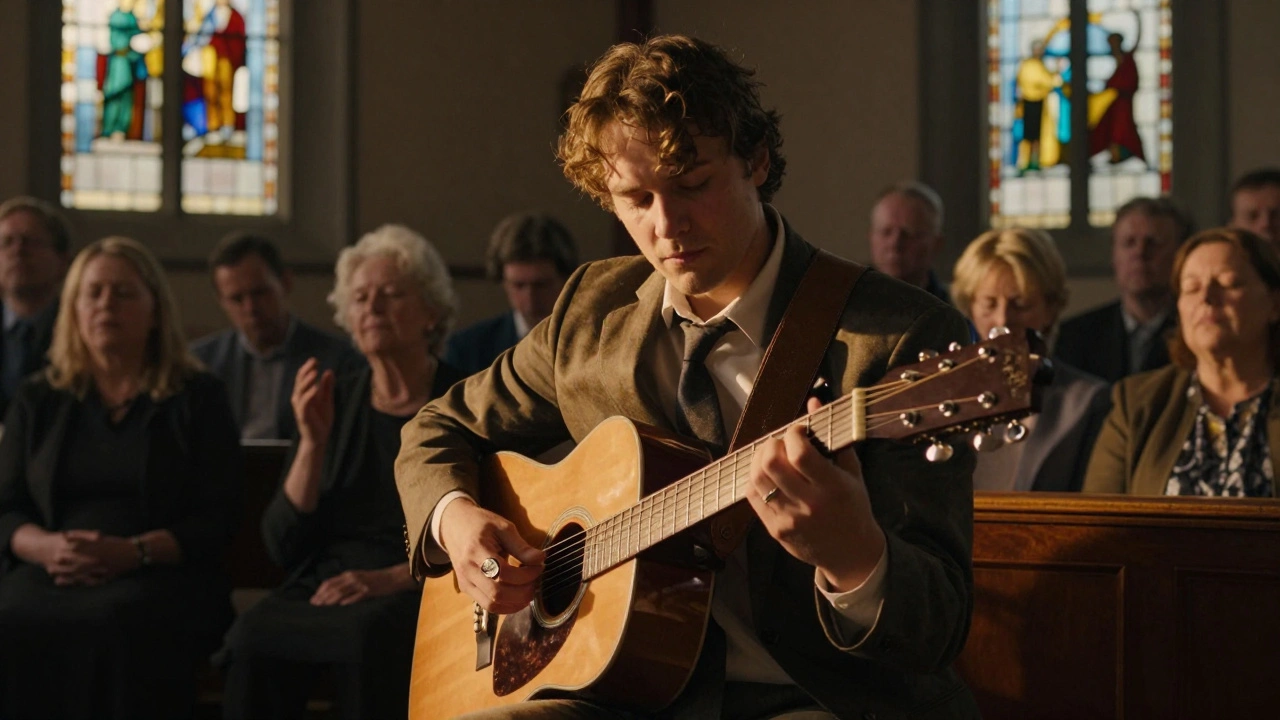
When you hear a slide guitar crying out in a gospel blues service, it’s not just playing notes-it’s talking. It’s answering the preacher. It’s echoing the choir. It’s holding space for the congregation to breathe, to shout, to respond. This isn’t background music. This is sacred dialogue, and the slide guitar is one of its most powerful voices.
Why Slide Guitar Fits Gospel Blues Like a Second Skin
Gospel blues blends the raw emotion of the blues with the spiritual urgency of the church. The blues speaks through bent notes and sliding tones. Gospel calls for repetition, response, and communal participation. Slide guitar does both. Its sound doesn’t just sit in the mix-it moves through it, like a voice that doesn’t need words.Think of a classic gospel blues progression: I-IV-V, slow, heavy, with a walking bass. The slide glides between chords like a preacher pausing between sentences. It doesn’t rush. It lets the space breathe. That space? That’s where the congregation finds their voice.
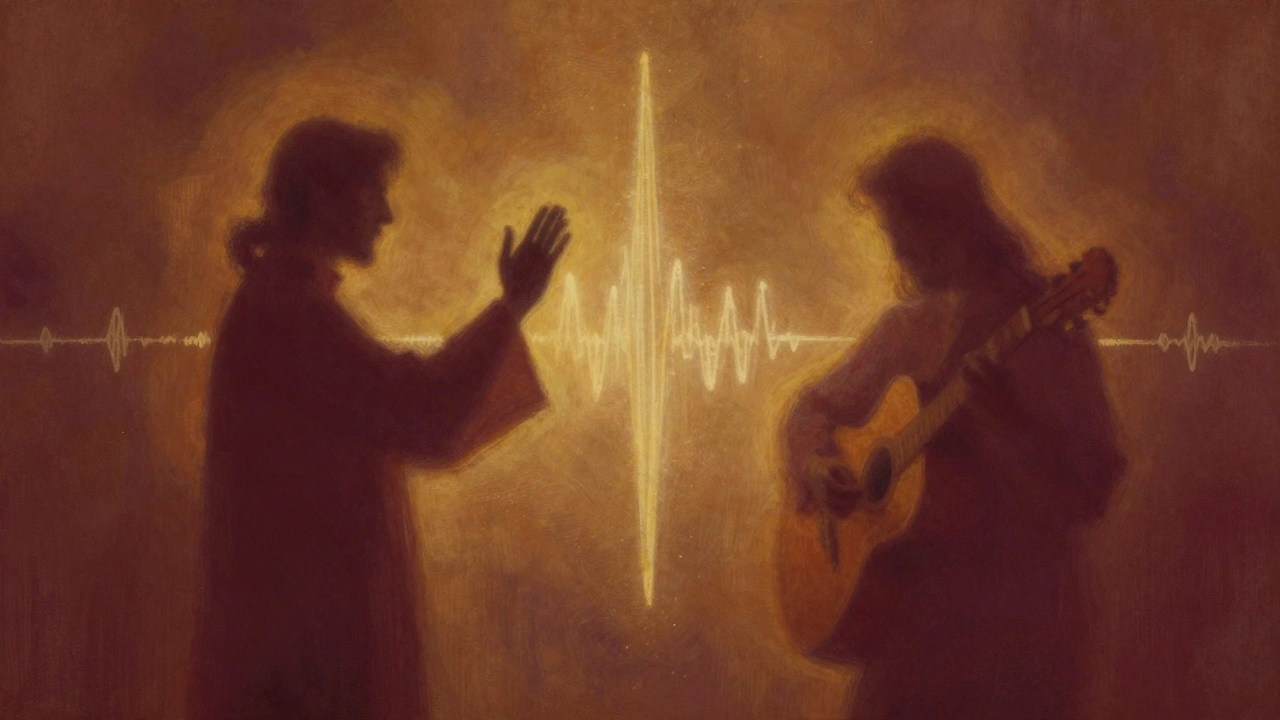
Slide guitar in this context doesn’t solo for show. It responds. It mirrors the lead singer’s phrase, then lifts it higher. It echoes the choir’s harmony, then stretches it into a moan. That’s call-and-response made audible.
The Mechanics of Sacred Sliding
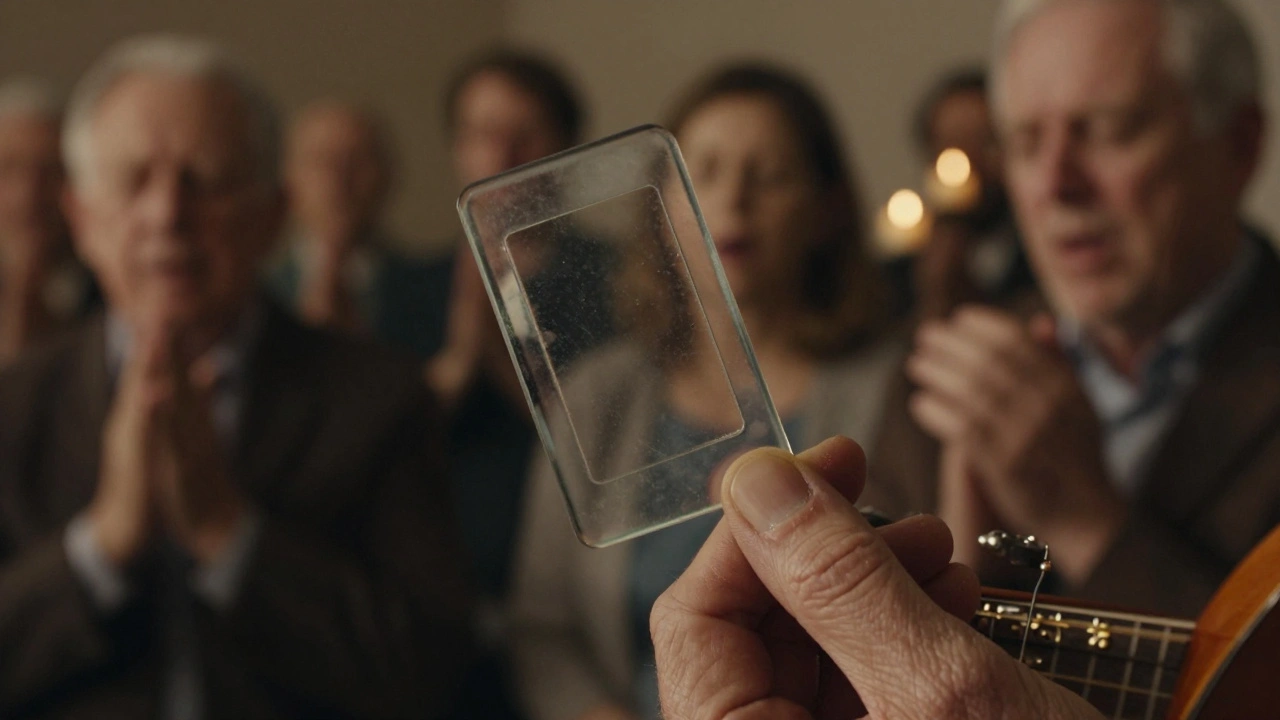
You can’t play gospel blues slide the same way you’d play a blues rock solo. It’s not about speed. It’s about intention. Here’s what actually works in worship settings:- Use a bottleneck on your ring finger-it gives you control and lets your other fingers fret chords or dampen strings. Many players in church settings use a glass or metal slide, but glass gives a warmer, more vocal tone that blends better with voices.
- Tune to open G (D-G-D-G-B-D) or open D (D-A-D-F#-A-D). These tunings let you play full chords with one slide position, making it easier to stay locked in with the choir or congregation.
- Play with your thumb-not a pick. Your thumb gives you dynamic control. You can brush lightly for a whisper, or dig in for a cry. It also lets you play bass notes and slide melody at the same time.
- Don’t slide into every note. Sometimes, the most powerful moment is holding a note steady while the congregation sings. Let the slide breathe. Let the silence speak.
One veteran player from New Orleans told me he learned to play by listening to how the choir held their last note after the preacher said, “Glory!” He didn’t play over it-he waited. Then, when the last echo faded, he slid up from the fifth to the seventh, like a sigh.
Matching the Call with the Response
Call-and-response isn’t just a musical form-it’s a spiritual rhythm. In gospel blues, the call might be a line like: “I’m going to the river.” The response? The whole church: “Oh, Lord, I’m going to the river!”The slide guitar’s job is to echo the emotional shape of the call before the response comes. If the singer stretches “river” into a long, aching note, the slide answers with a slow upward glide from the third to the fifth. If the preacher says “I was blind,” and pauses, the slide slides down from the octave to the root, low and slow, like a tear.
It’s not about playing the right notes. It’s about playing the right feeling. The slide becomes the emotional bridge between what’s said and what’s felt.
Techniques That Carry Weight
Here are three techniques you’ll hear in every serious gospel blues service:- Double-stop slides-sliding two strings together (like the third and fifth of a chord) creates a harmony that mimics a duet between voice and instrument. It’s how you make the guitar sound like two people singing.
- Choked slides-as you slide up, press your fretting finger down hard on the string behind the slide. This mutes the note just before the slide ends, creating a sharp, vocal-like cutoff. It’s the sound of someone catching their breath before shouting “Amen!”
- Ghost slides-move the slide toward a note but don’t quite land on it. Let the pitch hover just below. This creates tension. The congregation leans in. Then, when the singer delivers the next line, you slide cleanly into the target note. It’s like the music is holding its breath with them.
These aren’t flashy tricks. They’re tools for listening. You have to know when to play, and when to let the room speak.
Listening Like a Worship Leader
The best slide players in gospel blues don’t count measures. They count breaths.Watch the preacher’s hands. Watch the choir director’s eyes. Watch the old woman in the third row-she’s the one who’ll start clapping two beats before the rest of the church. That’s your cue. When she leans forward, you slide into the next phrase. When she closes her eyes, you hold the note.
One player in Memphis told me he used to play too much. Then his pastor said, “Son, you’re not here to play guitar. You’re here to help people pray.” After that, he started leaving more space. He played fewer notes. And the church sang louder.
What to Avoid
There’s a fine line between sacred and showy. Here’s what doesn’t belong in gospel blues slide:- Fast licks-they break the prayer. Worship isn’t a concert.
- Overuse of vibrato-a little wobble is soulful. Too much sounds like a crying baby.
- Playing over the congregation-if they’re singing, your slide should be a shadow, not a spotlight.
- Using a pick-it’s too sharp. Your thumb is softer, warmer, more human.
One time, I watched a young guitarist play a blistering slide solo during a quiet moment of prayer. The room went still. No one clapped. No one sang. The next week, he wasn’t asked back.
Where to Learn From the Source
The real teachers aren’t online tutorials. They’re the old players in rural churches-places where the amps are unplugged and the only sound is wood, steel, and voice.Listen to Blind Willie Johnson-his slide on “Dark Was the Night” isn’t music. It’s a moan. Listen to Robert Nighthawk-his slide on “Baby Please Don’t Go” feels like a hand on your shoulder. Listen to Isaiah J. Thompson, a modern gospel slide player from Atlanta-he plays behind the choir like he’s holding the space for God to speak.
Find a church that still uses slide guitar. Sit in the back. Don’t bring your guitar. Just listen. Notice how the slide doesn’t play when the preacher speaks. It waits. Then, when the choir starts humming, it answers-not with notes, but with feeling.
Start Here: A Simple Worship Exercise
Try this next time you’re practicing:- Tune your guitar to open G.
- Play just one chord-G major-with your slide.
- Hum a simple phrase: “I’m going to the river.”
- Let the slide echo your hum-slide up to the next note after you finish.
- Wait. Don’t play again. Let the silence hang.
- Then, hum again. Let the slide answer again.
Do this for ten minutes. No rhythm. No tempo. Just you, your slide, and your breath. You’ll start to feel how the music doesn’t need to fill space. It just needs to honor it.
Can I use a pick instead of my thumb for gospel blues slide?
It’s not impossible, but it’s not right. A pick creates a sharp attack that cuts through the warmth of the voice and the congregation. In gospel blues, the guitar is meant to feel like a human voice-not a machine. Using your thumb lets you control dynamics naturally. You can whisper a note or shout it, depending on what the worship needs. Most veteran players in church settings use their thumb for this reason-it’s more intimate, more responsive.
What’s the best slide material for gospel blues?
Glass slides are the most common in gospel blues because they produce a warm, rounded tone that blends with voices. Metal slides are brighter and louder-good for blues rock, but they can overpower the quiet moments of worship. Many players use a 3/8-inch glass slide, often from a broken light bulb. It’s not about brand-it’s about how the sound feels in the room. Try both. Listen to how each one sits with the choir.
Do I need to know music theory to play gospel blues slide?
Not formally. Many of the most powerful players never learned to read sheet music. But you do need to understand the emotional structure of call-and-response. Know your I-IV-V chords. Know how the congregation sings-when they pause, when they swell, when they stop. That’s your theory. The slide doesn’t need scales-it needs soul. If you can feel the difference between a note that lifts and a note that lingers, you’re already there.
How do I know when to stop playing?
You stop when the silence becomes part of the song. In gospel blues, the space between notes is sacred. If the preacher has just said “Hallelujah” and everyone’s holding that breath, your slide should be silent. If the choir is humming a harmony and you play over it, you’re not helping-you’re drowning them. Watch the people. If they’re closing their eyes, you’re not needed. If they’re leaning forward, it’s time to answer.
Is slide guitar only for slow gospel blues songs?
No. But even in faster songs, the slide should still move with intention. In uptempo gospel blues, like “Shout, Sister, Shout,” the slide doesn’t race-it bounces. It’s more like a hand clapping than a guitar solo. You’re not playing fast notes-you’re playing the rhythm of joy. The key is to stay connected to the groove of the congregation, not the tempo of the metronome.