Most interviews feel flat. You sit someone down, hit record, ask a few questions, and hope for something meaningful. But if you’ve ever watched a documentary that pulled you in-where the person speaking didn’t sound like they were reciting lines, but like they were uncovering something real-you know the difference. That’s not luck. It’s documentary-style interview footage, and it’s one of the most powerful forms of long-form content you can make.
What Makes Documentary-Style Interview Footage Different?
It’s not just about having a good microphone or shooting in 4K. Documentary-style interviews are built on trust, patience, and observation. They don’t follow a script. They follow emotion. The person talking isn’t performing for the camera-they’re remembering, reflecting, or even struggling to find the right words. And that’s where the power lives.
Think of films like Shoah a nine-hour Holocaust documentary built entirely on survivor testimonies or The 13th a documentary that uses personal stories to expose systemic racism in the U.S. prison system. These aren’t news reports. They’re human experiences stretched over time, with silence, pauses, and glances just as important as the words.
When you make long-form documentary interviews, you’re not trying to fit someone into a 60-second clip. You’re letting them unfold. You’re giving space for contradictions, for doubt, for moments when they look away because it’s too heavy. That’s what makes it stick.
Why Long-Form Works Better Than Short Clips
Most brands and creators chase the quick hit: 15-second TikToks, 60-second YouTube Shorts. But attention isn’t just about volume-it’s about depth. A 10-minute interview that moves someone stays with them longer than 100 viral clips that get forgotten by lunchtime.
Here’s what happens when you go long-form:
- People reveal more. The longer they talk, the more their guard drops. After five minutes, most subjects stop thinking about the camera and start thinking about the story.
- Complex ideas become digestible. You can explain a life-changing decision, a cultural shift, or a personal loss without oversimplifying it.
- Emotion builds naturally. A slow reveal-like someone hesitating before saying, “I didn’t tell anyone this for 20 years”-creates tension and connection.
- It’s harder to fake. You can’t fake authenticity in 12 minutes. The audience knows.
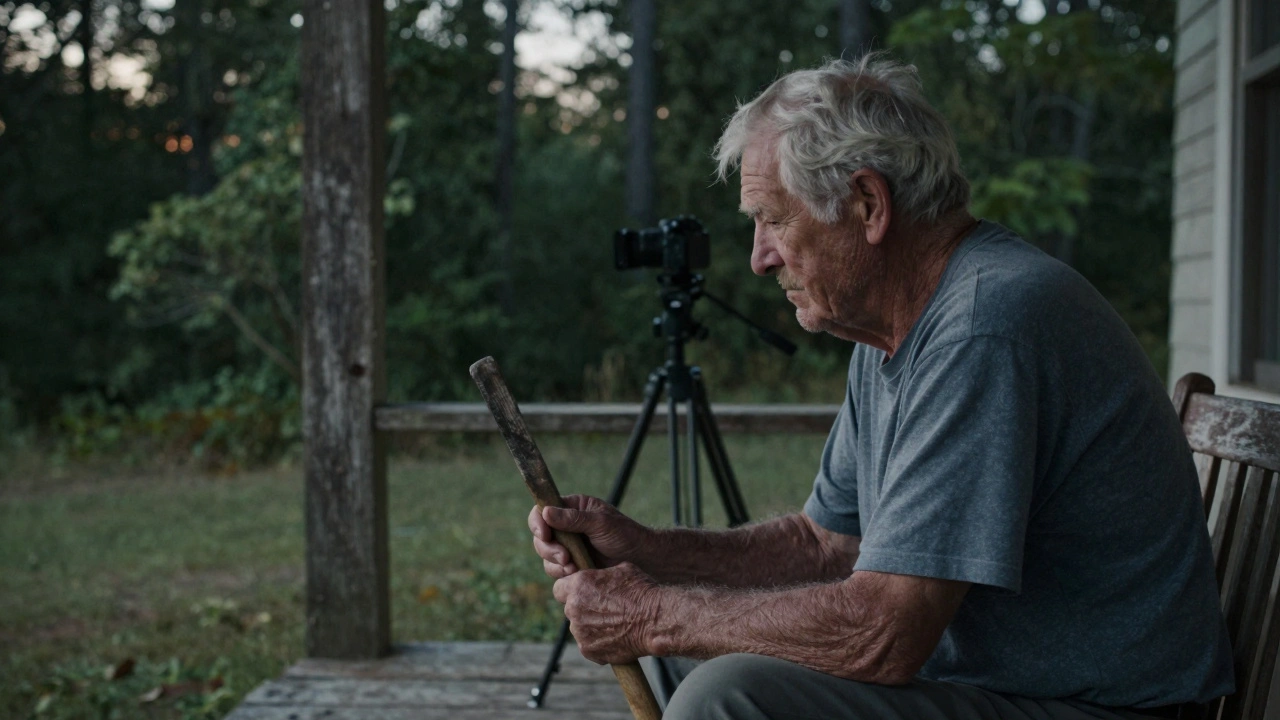
One filmmaker in Portland recorded a 45-minute interview with a retired logger who’d spent 30 years in the forests of the Cascades. The video didn’t have music, effects, or even cuts for the first 18 minutes. Just him, sitting on his porch, talking about the first tree he ever felled. By minute 22, he started crying. That clip got 800,000 views-not because it was flashy, but because it felt true.
How to Set Up the Space for Real Conversations
Before you press record, the room matters. Not the lighting (though that helps), not the camera (you can shoot with a phone), but the energy.
Here’s what works:
- Choose a location where the person feels safe. Their home, a quiet corner of a library, a park bench where they used to sit with someone they lost. Avoid sterile studios.
- Turn off the phone. No notifications. No one else in the room. If they’re used to being interrupted, they’ll start talking like they’re being interrupted.
- Let them control the pace. Don’t rush. If they pause for 10 seconds, wait. Don’t fill the silence. Silence is where truth hides.
- Use a two-camera setup if you can. One on the face, one on the hands or the environment. A trembling hand, a worn-out chair, a photo on the wall-these details add layers.
- Record audio separately. Even if you’re using a good camera, a dedicated mic (like a Rode Wireless Go II) captures breath, sighs, and the subtle shifts in tone that make someone sound human.
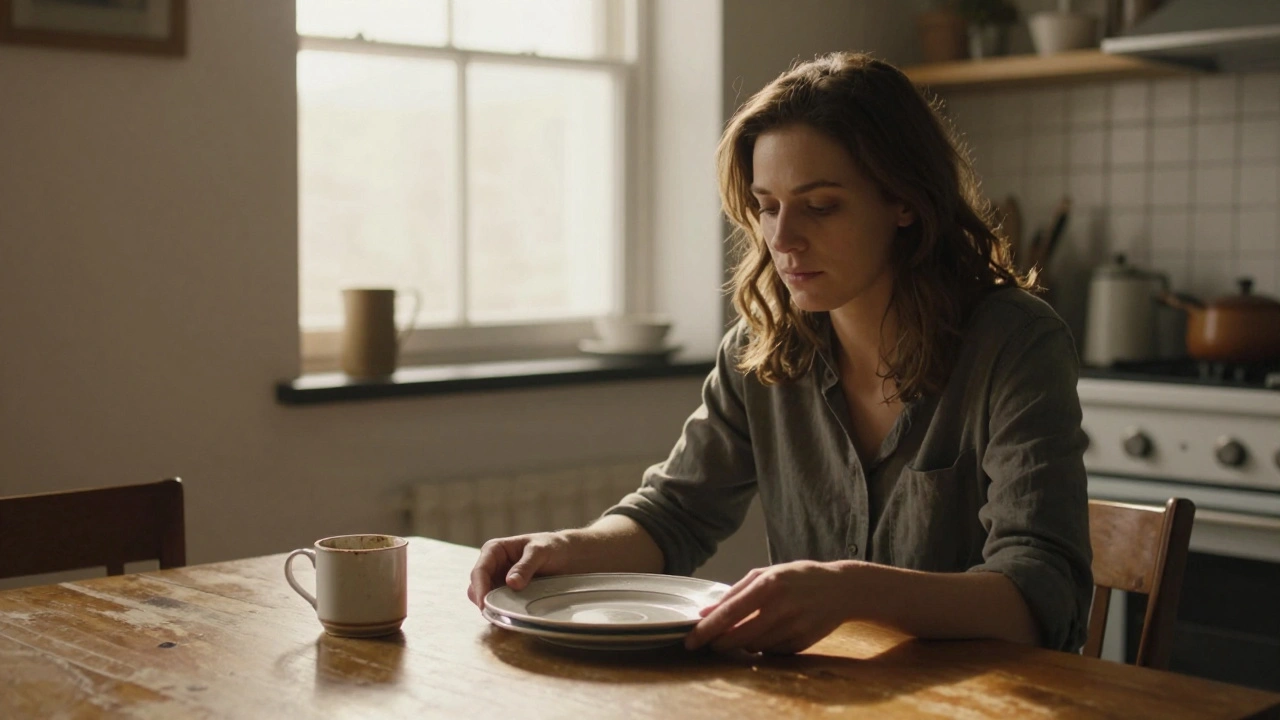
One of the most powerful interviews I’ve seen was done in a kitchen. The subject was a woman who’d survived domestic violence. She sat at her table, still using the same plates her abuser had bought. She didn’t look at the camera. She looked at the plates. And that’s where the story lived.
Asking Questions That Uncover Depth
Forget the standard interview questions: “What do you do?” “How did you get started?” Those are warm-ups, not entry points.
Instead, ask things that invite reflection:
- “What did you think was going to happen next?”
- “When was the last time you thought about this?”
- “Is there something you never told anyone?”
- “What’s the one thing you wish people understood?”
- “What changed after that day?”
These aren’t prompts. They’re invitations. They don’t lead. They open doors.
And here’s the secret: don’t prepare a list. Prepare a feeling. Know the emotional arc you want to follow-grief, wonder, regret, hope-and let the questions flow from that. If you’re trying to get someone to talk about loss, don’t ask, “Tell me about your loss.” Ask, “What’s the first thing you noticed when they were gone?”
One filmmaker interviewed a former astronaut about returning to Earth after six months in space. Instead of asking about the mission, he asked: “What did you miss the most that you didn’t expect?” The astronaut paused. Then said: “The sound of rain. I didn’t realize how much I’d missed the sound of rain.” That became the opening of the film.
Editing for Emotion, Not Efficiency
Most editors cut out the “boring” parts. The pauses. The stutters. The moments when the subject says, “I don’t know how to say this.” But those are the moments that matter most.
Here’s how to edit a documentary-style interview:
- Keep the silence. If someone stops talking for five seconds, leave it. It’s not empty-it’s heavy.
- Don’t smooth out stumbles. If they say “um” or repeat themselves, keep it. It shows they’re thinking, not performing.
- Use environmental sound. Wind, birds, a clock ticking, a kettle whistling. These anchor the moment in time.
- Let the visuals breathe. If they’re talking about childhood, show their hands. If they’re describing a place, linger on the empty room where it happened.
- Don’t rush the ending. Let them finish. Don’t cut to black right after their last word. Wait three seconds. Let the silence hang.
There’s a famous edit in the film American Factory a documentary about a Chinese company reopening a shuttered GM plant in Ohio. A worker talks about losing her job, then says, “I just want to be useful.” The camera holds on her face for 17 seconds after she speaks. No music. No cut. Just her. And that moment made people cry in theaters.
Why This Matters Now
We live in a world of noise. TikTok trends, algorithm-driven headlines, clickbait reels. People are tired of being sold to. They’re hungry for truth that doesn’t come with a pitch.
Documentary-style interviews are the antidote. They don’t try to convince. They don’t try to entertain. They just say: here’s a person. This is their story. You decide what to think.
That’s why long-form interviews are making a comeback-not as a niche trend, but as a necessary form of connection. Museums are using them. Schools are assigning them. Even corporations are starting to use them to show the people behind their products.
When you make one, you’re not just creating content. You’re preserving a moment. A voice. A truth that might not be recorded again.
Start Small. Stay Honest.
You don’t need a crew. You don’t need a budget. You just need one person willing to talk, and you willing to listen.
Here’s how to begin:
- Find someone whose story matters to you-not because it’s dramatic, but because it’s real.
- Ask if you can record them for 30 minutes. No agenda. Just talk.
- Record in a quiet space. Use natural light. Sit across from them.
- Ask one open question. Then shut up.
- When it’s over, thank them. Don’t promise to edit it. Don’t promise to post it. Just say: “Thank you for sharing.”
That’s it. You’ve made a documentary-style interview. You’ve captured something that won’t exist again.
Do I need expensive gear to make documentary-style interviews?
No. Many of the most powerful interviews are shot on smartphones. What matters is sound quality and lighting. Use a lavalier mic if you can, and film near a window for natural light. A tripod helps, but even resting the phone on a stack of books works. Gear doesn’t create authenticity-time and trust do.
How long should a documentary-style interview be?
There’s no rule. Some last 10 minutes. Others stretch to two hours. The key is not length, but depth. If the person is still revealing something new after 20 minutes, keep going. If they’ve said everything they need to say at 12, stop. Let the story decide, not the clock.
What if the person gets emotional during the interview?
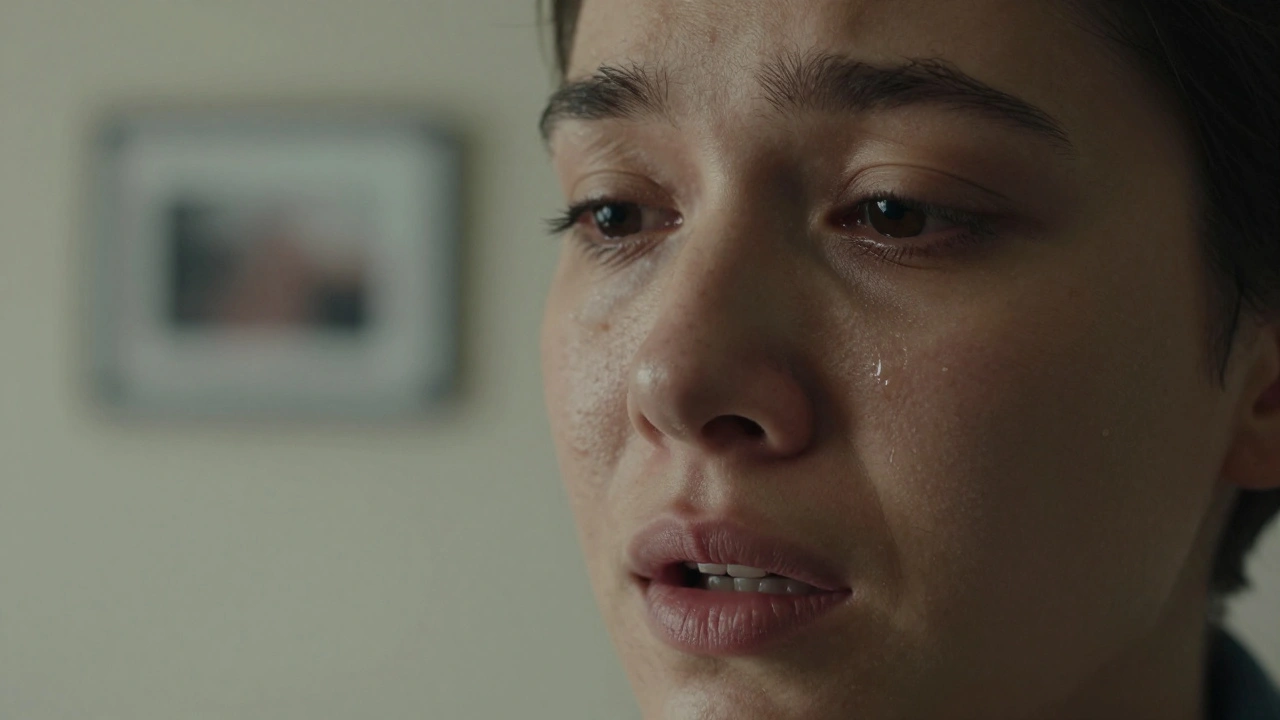
Don’t interrupt. Don’t hand them a tissue right away. Just sit quietly. If they want to keep talking, let them. If they need a break, say, “We can pause if you want.” Never rush emotion. It’s not a mistake-it’s the point.
Can I use this for business or marketing?
Yes-but only if you’re not selling. If you’re using a real person’s story to promote a product, it rings false. But if you’re using it to show who you are, what you care about, or the people you serve? That’s powerful. Think of Patagonia’s documentaries about environmental activists-not ads, but acts of solidarity.
How do I find people willing to be interviewed like this?
Start with your community. A neighbor. A teacher. A relative. Someone you’ve always wondered about. Ask: “I’d like to record a conversation with you, just for the record. No pressure to share it. Just to keep it.” Most people say yes. They want to be heard. You just have to ask the right way.
If you’ve ever sat with someone and felt the weight of their story settle in the room, you know this isn’t about technique. It’s about presence. And that’s something no algorithm can replicate.