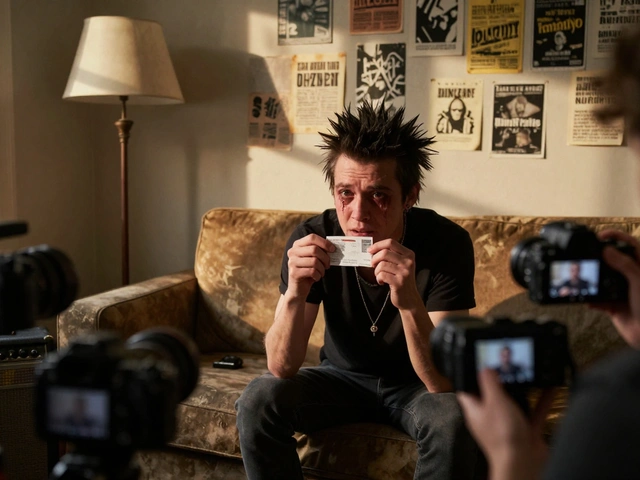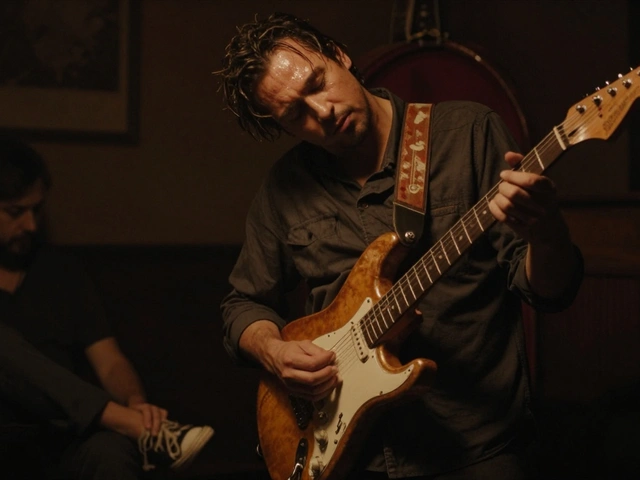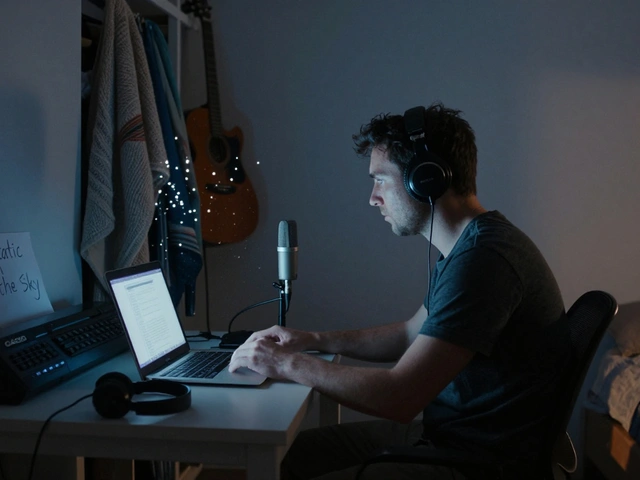
In 2025, Robert Hill didn’t just show up in the news-he shaped it. From late-night talk shows to niche industry podcasts, his presence became impossible to ignore. Whether he was talking about the future of independent film, the ethics of AI in storytelling, or his own journey from basement filmmaker to cultural voice, the media kept turning to him. And for good reason: he didn’t just answer questions. He changed the conversation.
Early Year: The TEDx Moment That Went Viral
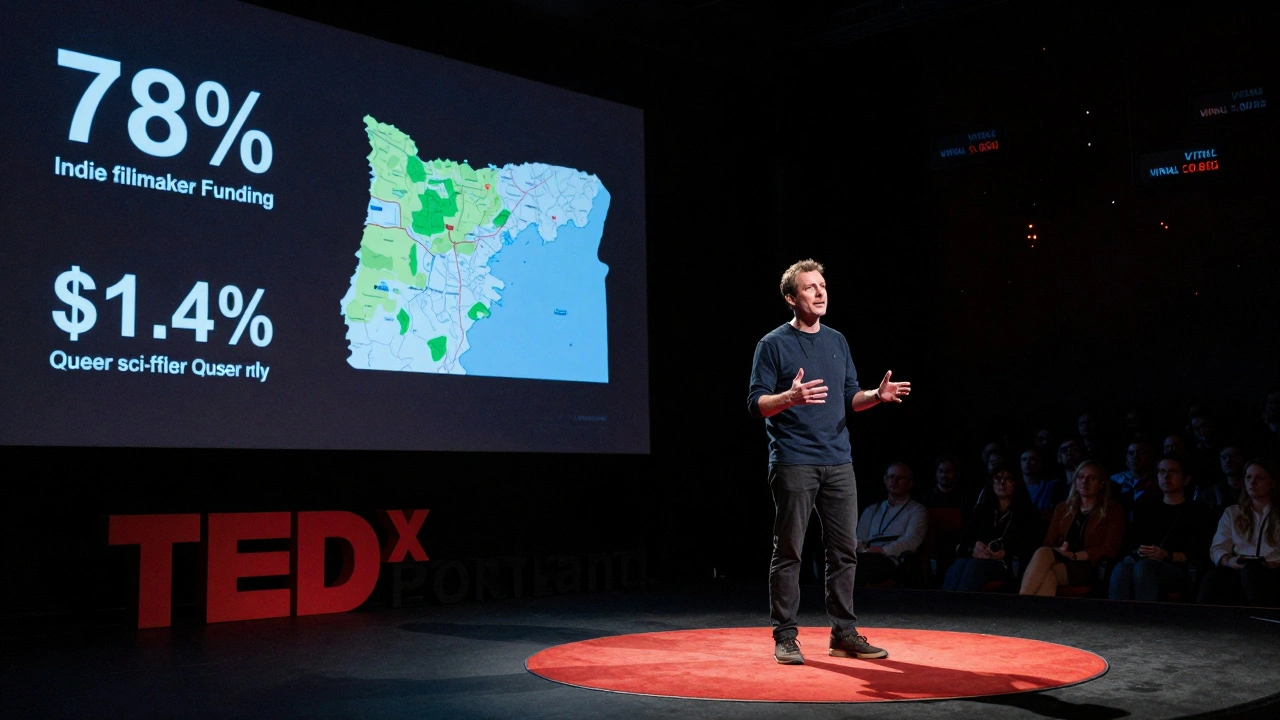
January 2025 kicked off with Robert Hill stepping onto the TEDx Portland stage. His talk, “Why Your Next Movie Won’t Be Made by a Studio”, wasn’t just a talk-it became a movement. Within 72 hours, it hit 2.1 million views. The New York Times ran a feature the next week, calling it “the most urgent vision of independent media since 2013.” What made it stick? He didn’t use buzzwords. He showed real data: 78% of indie filmmakers under 35 now self-fund through crowdfunding or NFT-backed distribution. He named names-like the Oregon-based collective that raised $1.4M for a queer sci-fi film in under 30 days. And he didn’t ask for pity. He asked for action.
Mid-Year: The Hollywood Debate That Broke the Internet
By June, Hill was at the center of a firestorm. A leaked internal memo from a major studio claimed they were shelving all non-franchise films under $20M budgets. Hill didn’t stay quiet. He posted a 12-minute video titled “They Said We Were Done. We Proved Them Wrong.” It cut between clips from 17 indie films released that year, each with box office numbers that outperformed studio predictions. The video went viral across TikTok, YouTube, and Twitter. By the time the Hollywood Reporter interviewed him, the hashtag #NotDeadYet had over 800K uses. He didn’t attack studios. He showed their own numbers. “They’re not afraid of indie films,” he said. “They’re afraid of what happens when people actually watch them.”
Summer Festivals: The Uninvited Keynote
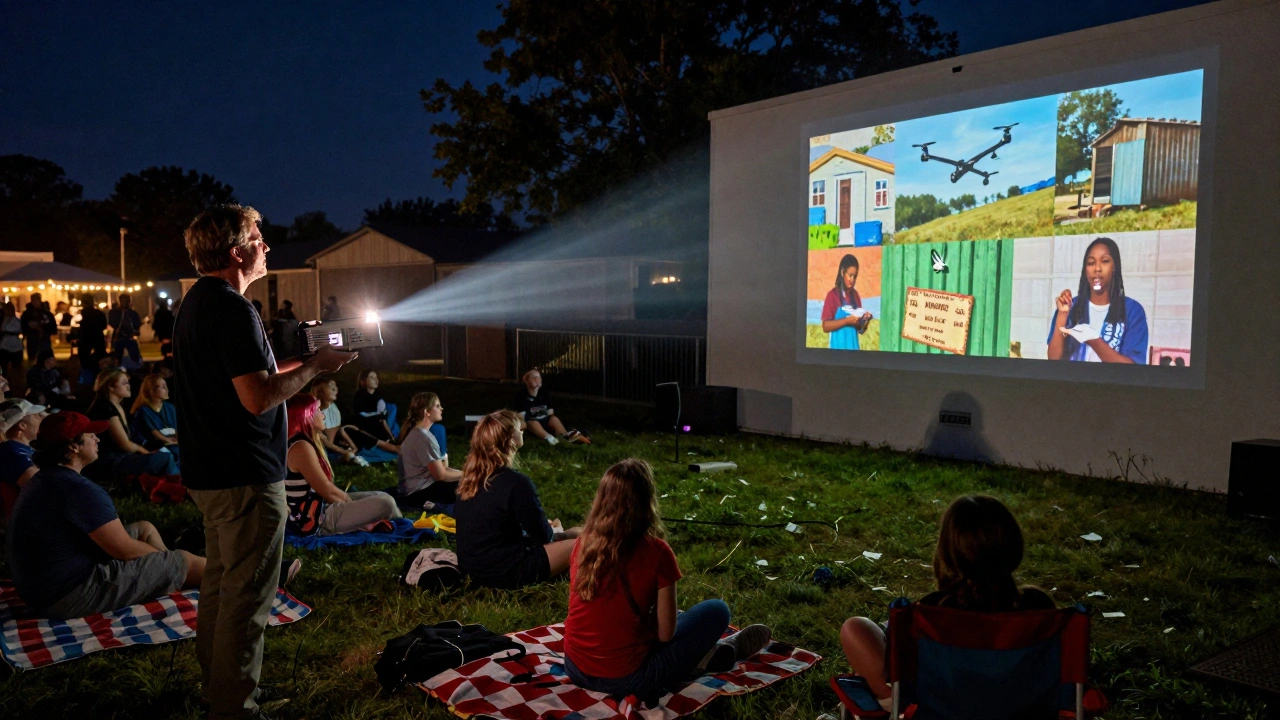
Robert Hill wasn’t invited to Sundance. Not officially. But on the second day of the festival, he showed up with a portable projector, a battery pack, and a list of 23 films no one else was talking about. He set up outside the main theater and screened them for free. Over 4,000 people showed up. The Los Angeles Times covered it as “the most authentic moment of Sundance in a decade.” The festival organizers didn’t apologize. They invited him back next year. The IndieWire review called it “a quiet revolution in how stories reach people.”
Fall: The Podcast That Changed the Narrative
September brought The Unfiltered Frame, Hill’s own weekly podcast. It didn’t have sponsors. It didn’t have ads. It had raw interviews-no PR teams, no scripts. He talked to a 19-year-old trans filmmaker from rural Kansas who made a short film on a $200 budget. He sat down with a former Disney animator who quit to build AI tools for indie animators. One episode featured a janitor at a community theater who wrote and directed a play that sold out for 11 weeks. The podcast hit 1.8 million downloads in its first month. Critics called it “the antidote to influencer culture.” Listeners called it “the only thing that feels real anymore.”
Winter: The Museum Exhibit Nobody Expected
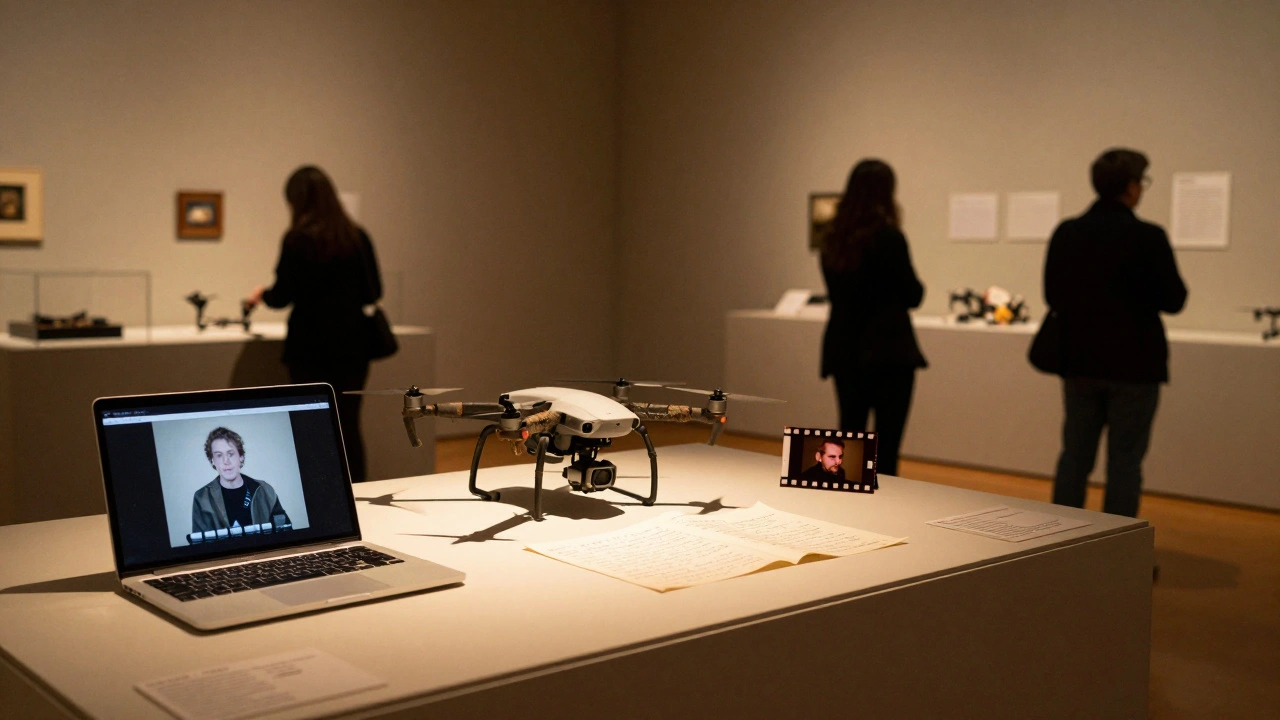
November, the Portland Art Museum opened a surprise exhibit: “Robert Hill: The Archive of the Unseen.” It wasn’t about him. It was about the 427 people he’d lifted up over the last three years. Each piece-scripts, storyboards, camera equipment, handwritten notes-was donated by someone he’d helped. There was a drone used to film a documentary in a homeless shelter. A laptop that recorded the first audio of a deaf poet’s performance. A single frame from a film that never got a theatrical release, but became a viral symbol for disability representation. The museum’s director said, “We don’t usually do exhibits on living people. But this isn’t about fame. It’s about impact.”
What the Media Missed
Most outlets focused on the numbers: views, downloads, attendance. But the real story was quieter. Hill stopped giving interviews in October. He said he was done chasing attention. Instead, he started a small grant fund-$500K, all from his own earnings-to support creators who had no access to networks. He didn’t announce it. A journalist found out because a filmmaker in Boise emailed her saying, “I just got $15,000. No strings. Just a note: ‘Keep going.’” That’s the kind of coverage no algorithm can track.
Why This Matters
Robert Hill didn’t become a media figure because he was loud. He became one because he refused to play the game. He didn’t want to be the face of the movement. He wanted to disappear into it. And that’s why the media kept coming back. Not because he was perfect. But because he made space for people who weren’t supposed to be heard.
Did Robert Hill win any awards in 2025?
Robert Hill didn’t accept any formal awards in 2025. He turned down nominations from Sundance, the Independent Spirit Awards, and even a local Oregon arts honor. His reasoning? "Awards go to people who show up. I’m still working with the ones who don’t have the luxury of showing up." Instead, he quietly funded 147 grants for emerging creators, most of whom had never been nominated for anything.
How did Robert Hill fund his projects?
Hill funded his own work through a mix of crowdfunding, direct audience support via Patreon (which he shut down in 2024), and revenue from his podcast’s merch sales-all of which he reinvested. He never took venture capital or studio money. His rule: "If you can’t fund it without selling your voice, don’t make it." In 2025, he raised $1.2M from 23,000 individual donors, averaging $52 per person. No corporate sponsors.
Was Robert Hill ever controversial?
Yes. Some critics called him a "media narcissist" after his TEDx talk went viral. Others accused him of "performative activism." But his response was consistent: "If you think I’m the story, you’re missing the point." He redirected every spotlight toward the creators he worked with. His podcast, exhibit, and grant fund all centered others. The controversy faded because his actions spoke louder than his words.
What’s next for Robert Hill in 2026?
He’s not planning anything public. But insiders say he’s quietly building a mobile studio-a van equipped with editing gear, cameras, and a satellite uplink-to travel across rural America and help local storytellers produce and distribute their own content. No press releases. No social media posts. Just a van, a team of three volunteers, and a list of 87 towns he wants to visit.
Where can I find the films and podcasts he supported?
All the films from his 2025 grant recipients are available on unfilteredframe.org/free-films. The podcast episodes are archived on all major platforms. He removed ads and paywalls in 2024. Everything is free, no login required.