When you drop a new song or album, you don’t just hope people find it-you need them to hear it. And that’s where social ads come in. Not the flashy, overproduced kind. Just smart, simple boosts that put your music in front of the right ears at the right time.
Why boosting matters more than ever
Organic reach on Instagram, TikTok, and Facebook has dropped to about 5% for most artists. That means if you have 10,000 followers, maybe 500 will see your post naturally. If you’re releasing a single, that’s not enough. You need people to stop scrolling, listen, and share. Boosting a post isn’t about buying likes. It’s about buying attention.
Look at it this way: a well-placed $20 ad on Instagram Reels can get you 5,000 plays from people who don’t follow you but love similar artists. That’s not a guess. That’s what indie artists in Portland, Nashville, and Berlin are seeing in 2026. One musician I know boosted a 15-second clip of her new track with a simple hook: “This song saved me during my breakup.” It got 22,000 plays. 800 saves. 1,200 new followers. All from $25 spent over three days.
What to boost-and what to skip
Not every post deserves a boost. Here’s what works:
- Short video clips (5-15 seconds) with a clear hook: the first 3 seconds of your chorus, a behind-the-scenes moment, or you saying one line from the lyrics.
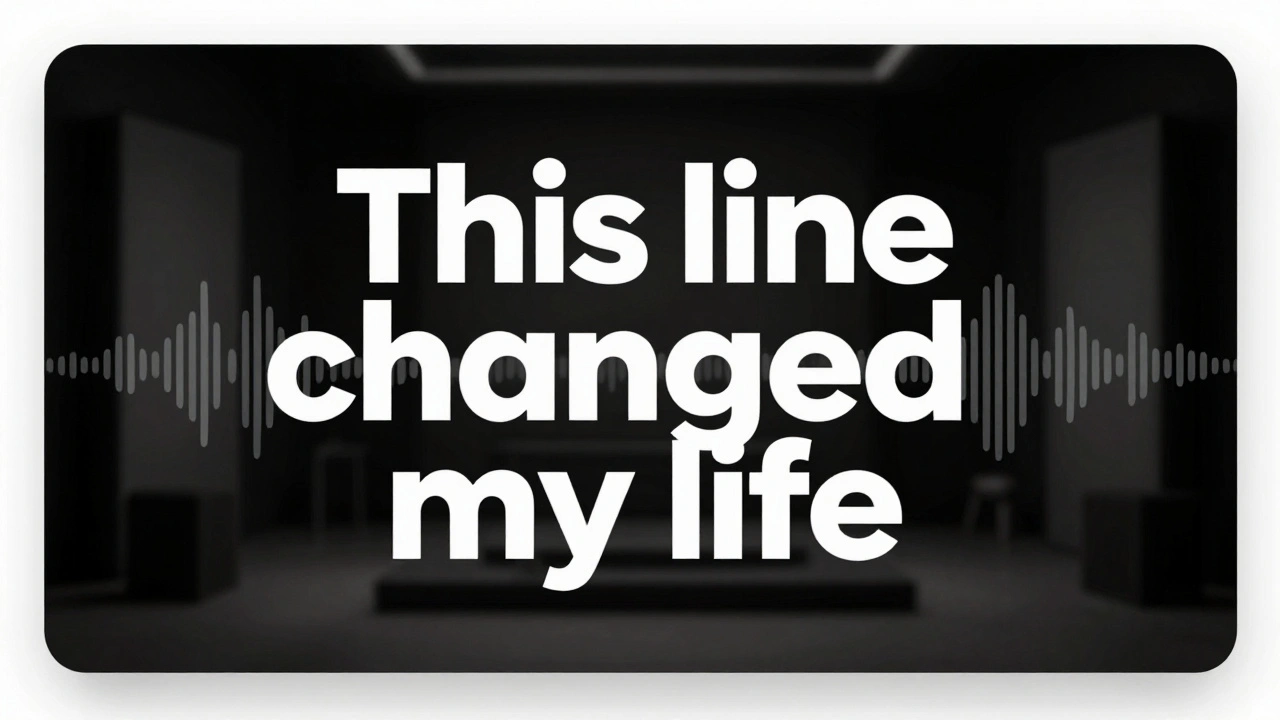
- Lyric graphics with bold text and a clean background. People pause on these. They screenshot them. They tag friends.
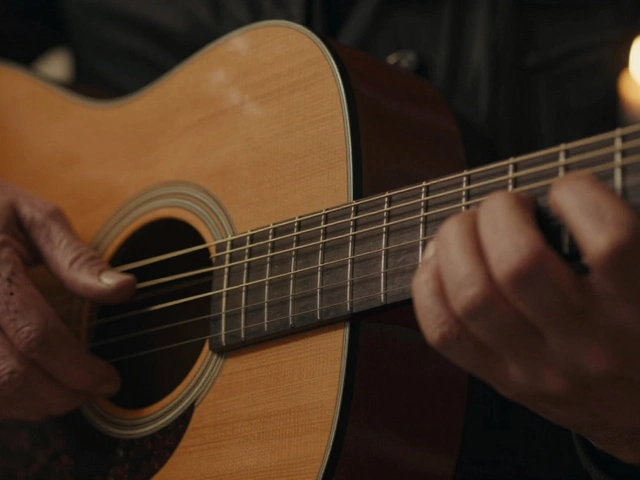
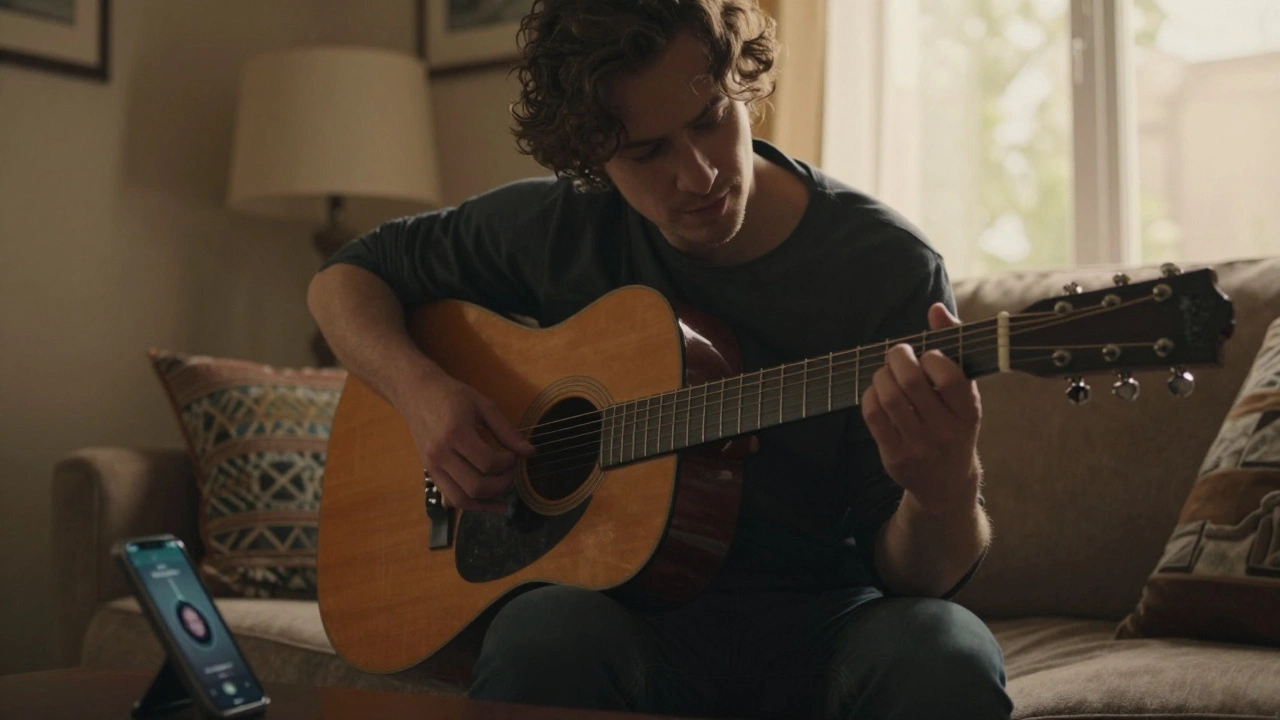
- Live session snippets-even if it’s just you and a guitar in your living room. Raw = real = relatable.
What doesn’t work? The full 3-minute track as a static image. A generic “NEW OUT NOW” post with no context. A blurry photo of your album cover with a link. Those get ignored. Or worse, buried by the algorithm.
Who you’re targeting (and how to find them)
You don’t need to target everyone. You need to target your people. Start with these three audiences:
- Followers of similar artists-not big names, but artists in your lane. If you’re an indie folk singer, look at who follows Phoebe Bridgers, Julien Baker, or Adrianne Lenker. Use the “interest targeting” option on Facebook/Instagram to find people who engage with those artists.
- People who like your genre-search terms like “indie pop,” “lo-fi R&B,” or “punk rock” in the audience settings. Don’t overdo it. Pick one or two.
- Your existing fans-use a custom audience of people who’ve liked your page, watched your videos, or clicked your link. Retarget them with a different angle: “You heard the demo. Now hear the final version.”
Pro tip: Exclude people who already follow you. You’re not trying to remind them. You’re trying to find new ones.
How to set up your first boost (step-by-step)
Here’s how to do it in under 10 minutes on Instagram:
- Go to your post-ideally a Reel or carousel with a clear visual.
- Tap “Boost Post.”
- Choose “Reach more people” (not “Get more followers”).
- Set your budget: $10-$30 for 3-5 days.
- Select your audience: “People who like similar artists” + “People interested in [your genre].”
- Choose where it runs: “Instagram Feed and Reels” (skip Facebook unless you’re targeting older audiences).
- Click “Boost.”
That’s it. No ad account. No complex funnel. Just a post, a budget, and a target.
What to track (and what to ignore)
You don’t need to be a data scientist. Just watch three things:
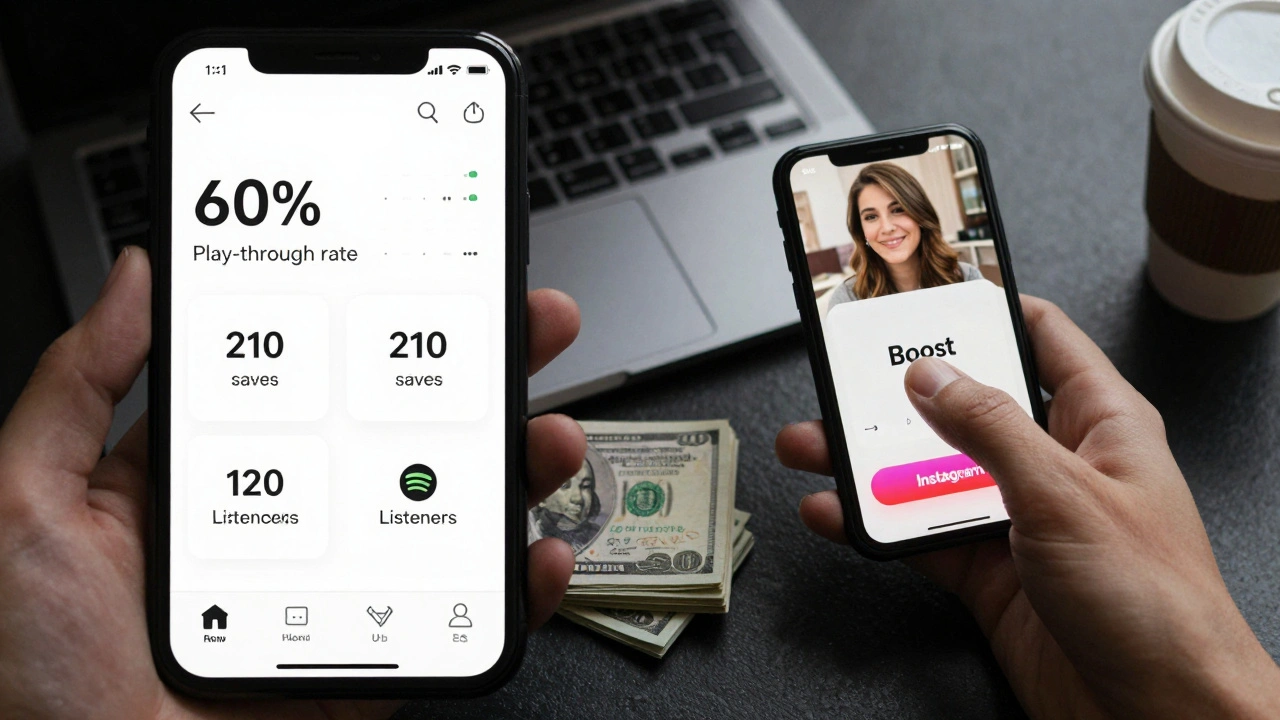
- Play-through rate-if more than 60% of people watch your video to the end, you’ve got a winner.
- Saves and shares-these mean people connected emotionally. That’s better than likes.
- Click-through to streaming-if you’re using a link in bio, check how many people clicked from the ad. If it’s under 2%, tweak your caption or thumbnail.
Ignore likes, comments, and follower spikes. They’re vanity metrics. What matters is: did someone listen? Did they save it? Did they send it to a friend?
Real example: How a small label did it
A friend runs a tiny indie label in Portland. They released a new EP with three tracks. Instead of spending $500 on a campaign, they boosted three posts:
- Track 1: 12-second Reel of the lead singer humming the melody in the studio.
- Track 2: Lyric graphic with “This line changed my life” in bold.
- Track 3: 10-second clip of the bassline with a caption: “You’ve heard the drums. Now hear the groove.”
Each got $15 over three days. Total spend: $45. Result? 18,000 plays. 2,100 saves. 400 new followers. 120 new monthly listeners on Spotify. All without running a single paid ad outside of Instagram.
When to stop boosting
Don’t run ads forever. Stop when:
- The play-through rate drops below 50%-your hook isn’t working anymore.
- You’ve spent your budget and hit your goal (e.g., 1,000 plays or 200 saves).
- You’ve had 3-5 days of consistent performance. The algorithm has done its job.
Then, pause. Wait 48 hours. See if the organic buzz picks up. If it does, you’ve cracked the code. If not, tweak the creative and try again.
One last thing: Don’t overthink it
You don’t need fancy software. You don’t need a team. You don’t need to be a marketer. You just need to pick one strong moment from your music, turn it into a short video or graphic, and spend $20 to get it in front of people who care about that kind of sound.
Music is emotional. Social ads don’t need to be perfect. They just need to be real. And loud enough to cut through the noise.