Getting your music out into the world isn’t just about hitting upload. It’s about timing, strategy, and making sure people actually hear it. Too many artists drop a song and wonder why nothing happens. The truth? A great track alone doesn’t guarantee attention. You need a plan. Here’s a real, no-fluff 10-step checklist that’s been tested by independent artists in Portland, Nashville, and beyond - and it works.
1. Finalize Your Master and Metadata
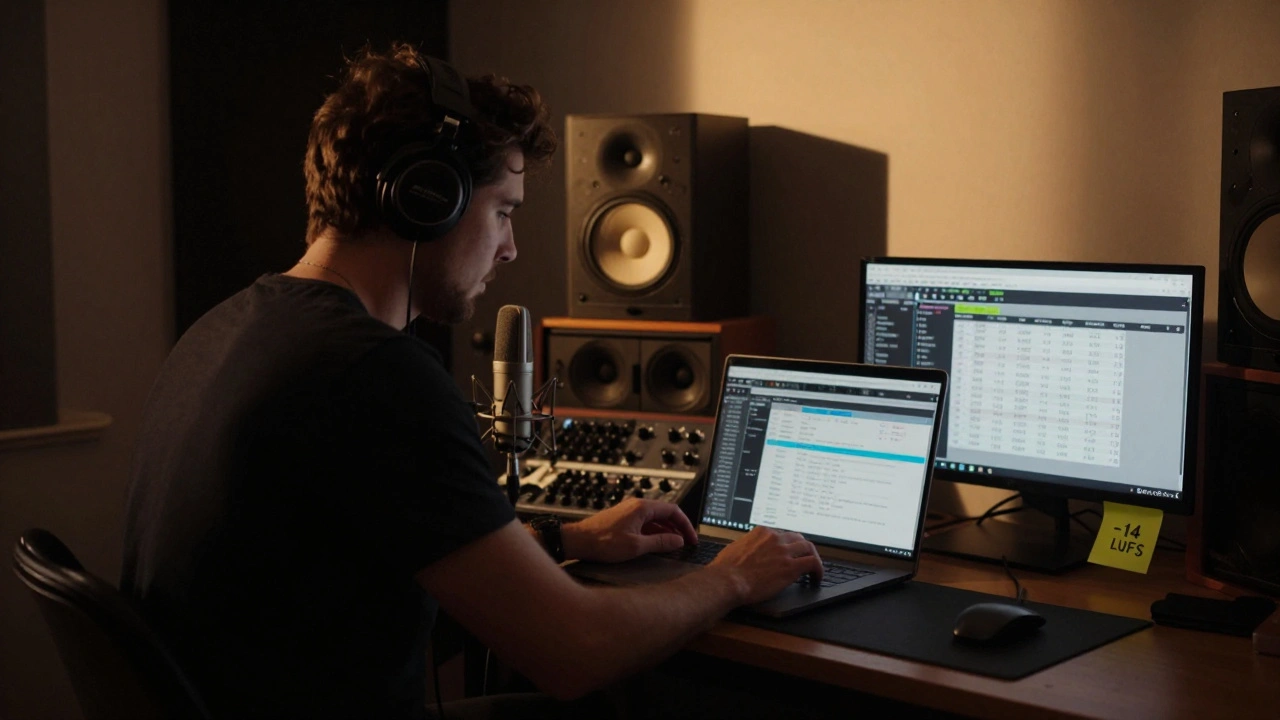
Your master file isn’t just a WAV or MP3. It’s the only version that will go to Spotify, Apple Music, YouTube, and every other platform. Make sure it’s mixed and mastered by a professional. No exceptions. If you’re doing it yourself, use reference tracks from artists in your genre. Compare loudness, clarity, and low-end. A -14 LUFS integrated loudness is the sweet spot for streaming. Also, check your metadata: song title, artist name, ISRC code, composer credits, and album artwork. One missing comma in the artist name can break your royalty payments. Use DistroKid, TuneCore, or CD Baby to embed this correctly.
2. Secure Your ISRC and UPC Codes
ISRC (International Standard Recording Code) is your song’s fingerprint. UPC (Universal Product Code) is for the album or single release. These aren’t optional. Without them, streaming services can’t track plays or pay you. If you’re releasing through a distributor, they’ll generate these for you. But double-check. Go to your distributor’s dashboard and confirm each track has a unique ISRC. If you’re self-releasing, register at your country’s ISRC agency - in the U.S., that’s the RIAA. Don’t wait until the day before launch. It takes 24-48 hours to process.
3. Set Your Release Date and Stick to It
Friday is still the global release day for music. But don’t just pick a random Friday. Look at your calendar. Is there a holiday, big concert, or local event around that time? Use it. If you’re in Portland, and there’s a big music festival on April 12, release your single on April 5. That gives you a week to build buzz before the crowd’s already thinking about music. Avoid holidays like Christmas or New Year’s Day - people aren’t searching for new music then. Aim for mid-week releases (Tuesday-Thursday) for maximum streaming algorithm traction.
4. Build Your Pre-Save Campaign
Pre-saves are your secret weapon. They tell Spotify and Apple Music that people are interested before the song drops. That boosts your chances of being featured in playlists. Set up a pre-save page using services like Pre-Save.io, SoundCloud’s pre-save, or even a landing page with a Linktree. Offer something real - a free demo track, early access to a music video, or a handwritten thank-you note. Collect emails. Then, email those people 24 hours before release. Don’t just say “it’s out.” Say “your early access is live.”
5. Plan Your Social Media Rollout
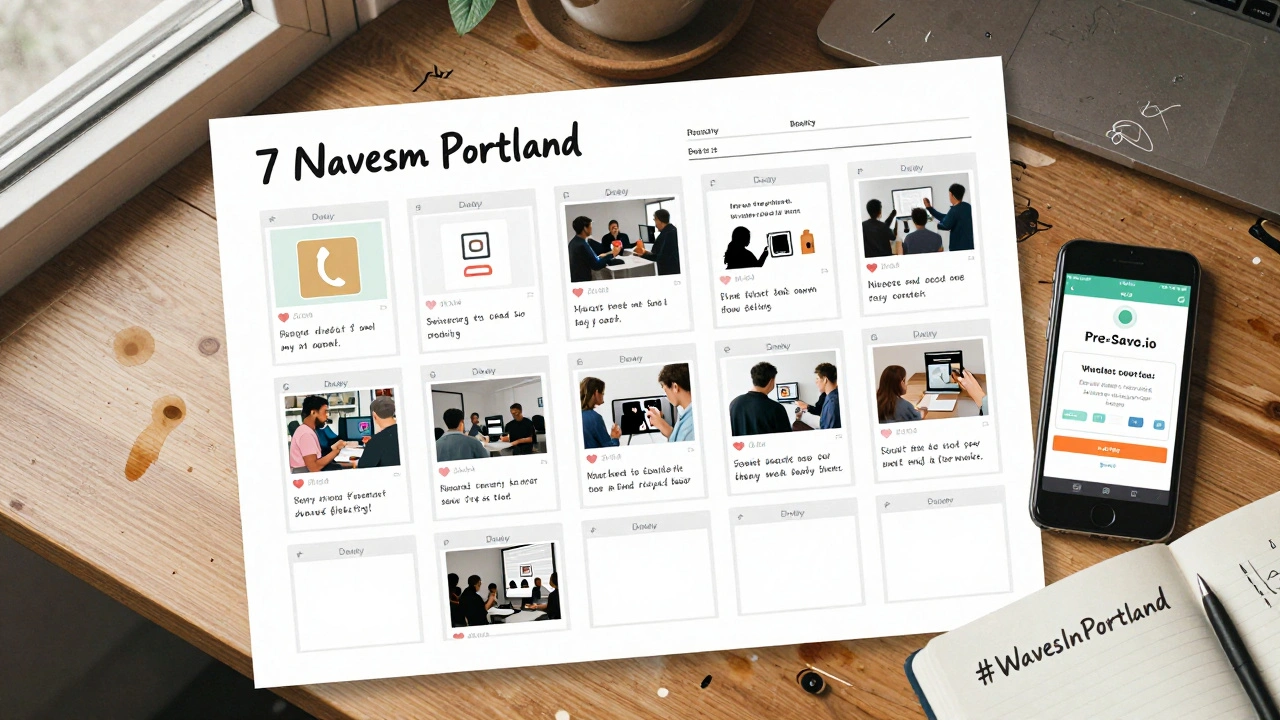
Posting “new music out now” on Instagram isn’t enough. You need a 7-day content plan. Day 1: Tease a 15-second clip with a cryptic caption. Day 3: Share a studio photo with a story about the song’s inspiration. Day 5: Drop a behind-the-scenes video of the vocal recording. Day 7: Release day. Go live for 10 minutes and play the full track. Tag your collaborators, producers, and local venues. Use hashtags like #NewMusicFriday and #IndieArtist, but also create one unique to your release - like #WavesInPortland. Track which post gets the most saves and shares. That’s your best-performing message. Double down on it.
6. Pitch to Playlists (Not Just Big Ones)
Everyone tries to get on Spotify’s Discover Weekly. That’s hard. Instead, target smaller, niche playlists. Find 20-30 playlists with 5,000-50,000 followers in your genre. Use Spotify’s search: type in your genre + “indie” or “emerging.” Look at who’s on those playlists. If three artists you respect are on a playlist, it’s worth pitching. Use SubmitHub or PlaylistPush. Personalize every pitch. Don’t say “I’m an indie artist.” Say “I’m a Portland-based singer-songwriter who just dropped a song about losing my dog in the Columbia Gorge. It’s got lo-fi drums and a cello.” That’s memorable. Playlists are run by humans. Give them a reason to care.
7. Coordinate with Local Media and Venues
If you’re in Portland, reach out to KUFO, The Oregonian’s music blog, or local radio stations like KEXP. Send them a press kit: high-res photo, bio, one-paragraph story about the song, and a private streaming link. Don’t send a ZIP file. Just a Google Drive link. Also, talk to your local venue. Ask if they’d host a mini-release show the weekend after the drop. Even if it’s just 20 people. Record it. Post the clip. It adds credibility. Venues love supporting local artists - they’ll often promote it to their email list too.

8. Get Your Lyrics and Music Video Ready
Lyrics matter. People search for lyrics on YouTube and Google. Upload them to your YouTube video. Use timestamps. That helps SEO. If you have a music video, release it on the same day as the audio. If you don’t, make a lyric video. Use Canva or CapCut. Add animated text that moves with the beat. Add your streaming links in the description. YouTube is the second-largest search engine. If your song is about heartbreak, and someone searches “songs about losing someone,” you want to show up.
9. Track Everything from Day One
Don’t wait until the third week to check your stats. Set up a simple spreadsheet. Track daily: streams on Spotify, Apple Music, YouTube views, pre-saves converted, social shares, and playlist adds. Use Spotify for Artists and Apple Music for Artists. Look for spikes. If your streams jump after a TikTok clip, figure out which part of the song went viral. Was it the chorus? The bridge? Use that in your next release. If you’re not tracking, you’re guessing.
10. Plan Your Next Release Before This One Even Drops
Don’t stop when the song goes live. The moment your release hits, start thinking about the next one. What’s your next single? Who do you want to collaborate with? What’s your next video concept? Send a quick thank-you note to everyone who supported you - fans, producers, friends. Then, ask them: “What should I do next?” That feedback is gold. And it builds loyalty. The best artists don’t just release music. They build a conversation.
There’s no magic formula. But if you follow these steps, you’re not just releasing a song - you’re launching a moment. And moments stick.
Do I need a music video to release a single?
No, but you do need something visual. A lyric video works just as well, especially if you’re on a tight budget. YouTube prioritizes videos with lyrics and timestamps - they get more search traffic. If you can’t make a video, upload an animated cover art with the audio. Just don’t leave it blank.
How far in advance should I start preparing?
Start at least six weeks before your release date. That’s enough time to finalize the master, get ISRC codes, build your pre-save page, pitch to playlists, and schedule social posts. Rushing leads to mistakes - like missing metadata or forgotten collaborators. The best releases are planned, not rushed.
Should I release on all platforms at once?
Yes. Spotify, Apple Music, YouTube, Amazon Music, and TikTok should all go live on the same day. Spreading releases out confuses algorithms and splits your audience. Even if you’re only promoting on Instagram, make sure the music is available everywhere. That way, if someone hears it on TikTok, they can instantly stream it.
What if my song doesn’t get many streams at first?
It’s normal. Most songs take 30-90 days to gain traction. Don’t panic if you get 50 streams on day one. Focus on the people who are sharing it - even if it’s just five friends. Those early supporters are your core audience. Keep engaging them. Ask for feedback. Post a story saying “Thanks for listening - what part of the song stuck with you?” That builds connection. Momentum comes from consistency, not virality.
Can I release a single without an album?
Absolutely. Many successful artists release singles first. In fact, it’s smarter. It lets you test what resonates before committing to a full album. Use each single as a standalone project. Give it its own artwork, story, and release strategy. Later, you can bundle them into an album - but only after you know which songs have legs.