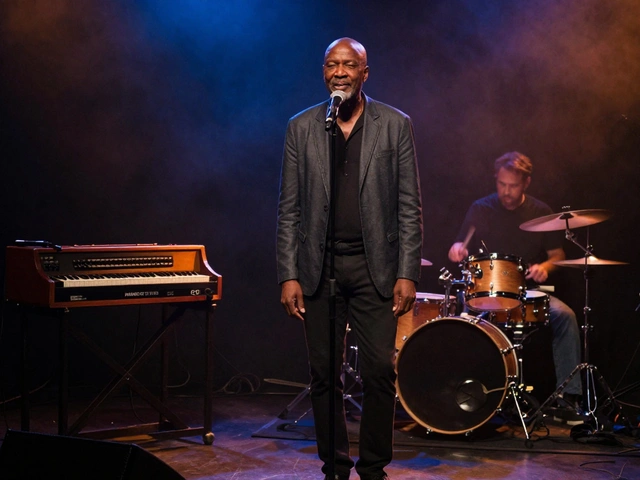
When you’re releasing music, your press release isn’t just a formality-it’s your first real chance to make journalists care. But here’s the thing: a press release for a single song is not the same as one for an entire album. They’re not just different in length. The structure, tone, and focus shift in ways that can make or break your media coverage. If you treat them the same, you’re wasting space, confusing editors, and missing chances to get noticed.
Why Structure Matters More Than You Think
Journalists get dozens of music press releases every week. Most of them look the same: a generic template with a quote, a bio, and a link. But the ones that actually get picked up? They’re built differently depending on whether it’s a single or an album. Why? Because the story changes.
A single is a moment. An album is a journey. Your press release needs to reflect that.
The Single Press Release: Focus on the Hook
When you drop a single, you’re not asking the world to listen to 12 songs. You’re asking them to listen to one. That one song needs to stand out. So your press release should too.
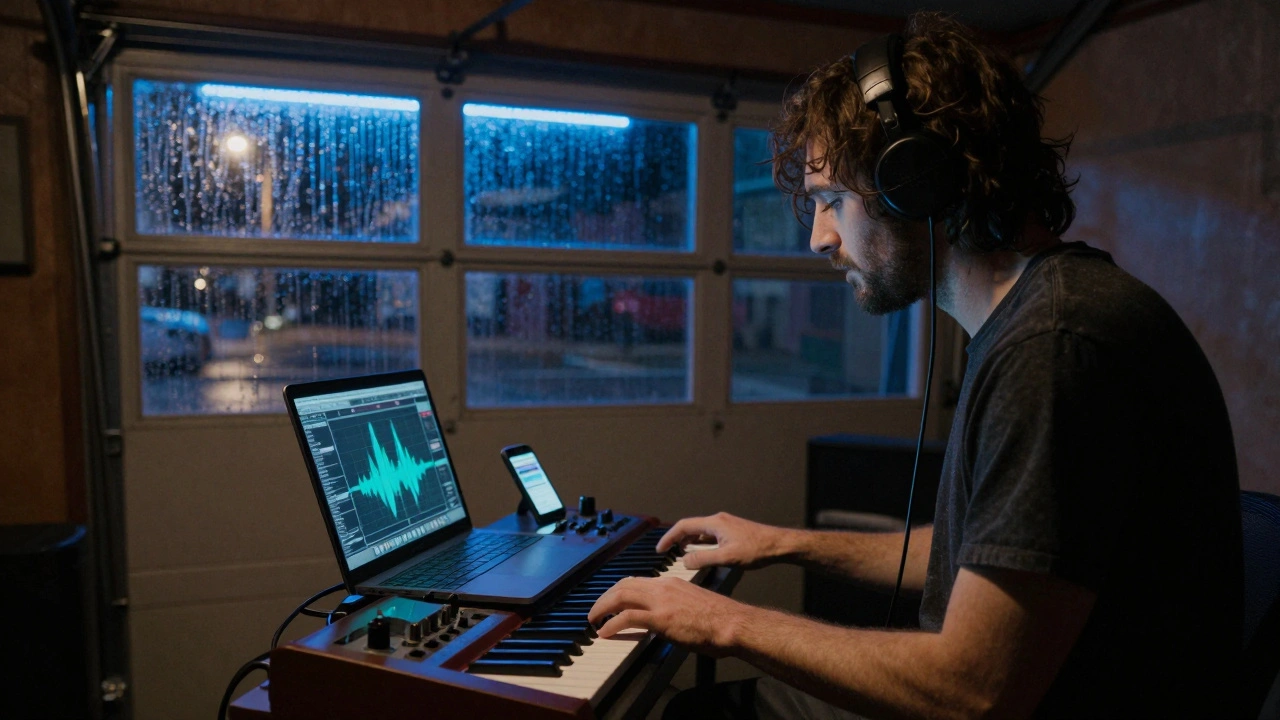
- Lead with the song’s core idea-what makes it unique. Is it a raw vocal take recorded in a garage? A beat made from field recordings of a Portland streetcar? Say it plainly.
- Keep the bio short. One paragraph. No childhood stories. Just: who you are, what you’ve done, and why this release matters now.
- Include a clear, direct quote from the artist about why they made this song. Not a generic "I’m excited to share this"-something specific. "I wrote this after my mom passed. It’s the first time I didn’t hide the sadness in my voice." That’s the kind of line that gets quoted.
- Link directly to the single on Spotify, Apple Music, or Bandcamp. No album preview. No playlist. Just the track.
- End with a clear call: "Available now. For interviews or high-res audio, contact..."
Example: A single called "Neon Rain" from a Portland synth-pop artist. The press release opened with: "Recorded during a 72-hour power outage in Southeast Portland, 'Neon Rain' is a lo-fi love letter to the city’s hidden nightlife-using only a broken synth and a phone mic." That’s it. No fluff. Just the story.
The Album Press Release: Tell the Whole Story
An album isn’t one song. It’s a world. A mood. A timeline. Your press release needs to reflect that depth.
- Start with the album’s theme. Not "10 songs," but "a 12-track exploration of grief, healing, and rediscovery after leaving a 10-year marriage."
- Break down the arc. Mention 2-3 key tracks and how they fit into the bigger picture. "Track 3, 'Empty Chair,' is the turning point. Track 8, 'First Light,' is the release." This helps journalists understand the narrative.
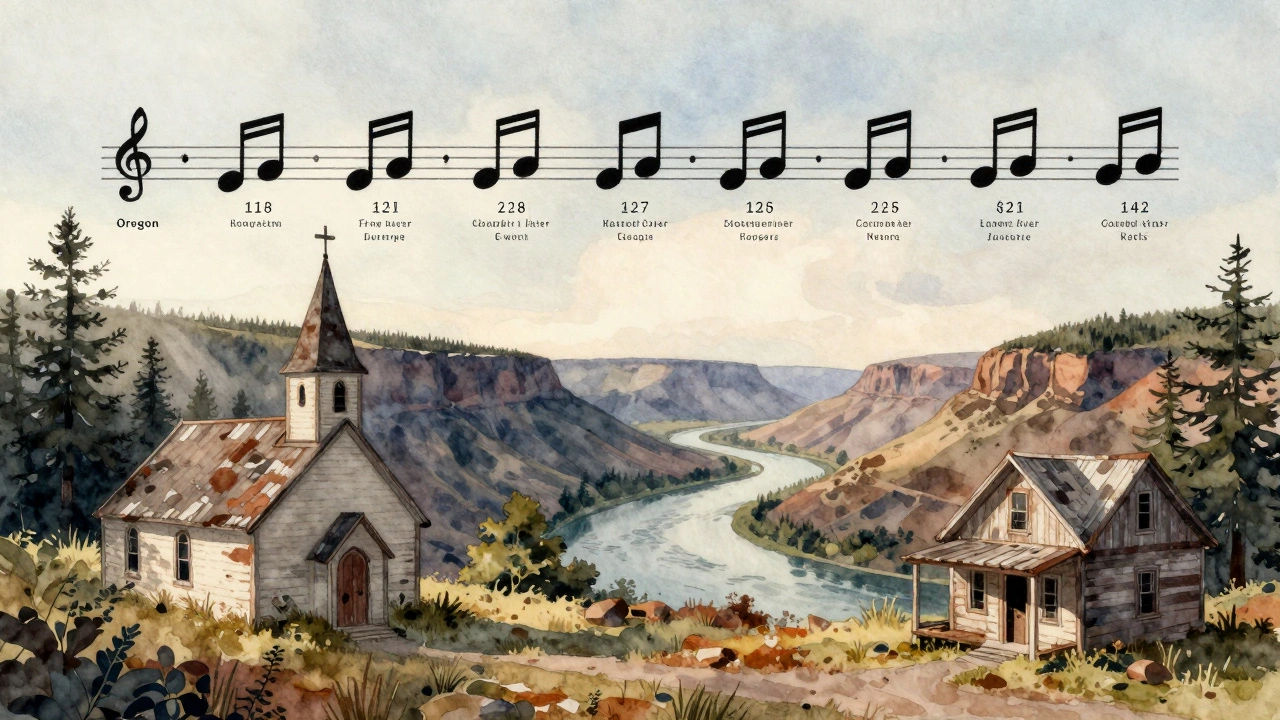
- Expand the bio. This is where you add context: influences, creative process, recording locations, collaborators. Did you record in a barn in Oregon? Work with a choir from Boise? Mention it.
- Include a longer, more reflective quote. Not just "I’m proud of this." Try: "This album took three years because I had to unlearn how to make music that sounded like what I thought people wanted. This is the first time I made something just for me."
- Link to the full album on streaming platforms. Include a pre-save link if it’s not out yet.
- Offer media assets: high-res cover art, liner notes PDF, studio session footage. Journalists love this stuff.
Example: An album called "The Quiet Year" from a folk artist. The press release opened: "Recorded across 14 months in abandoned churches and rented cabins from Eugene to the Columbia River Gorge, 'The Quiet Year' is a sonic diary of solitude. Each track is named after the date it was written-and the weather outside the window." Then it listed three pivotal tracks and their emotional arcs. That’s the kind of detail that gets features in indie magazines.
What Happens When You Mix Them Up
Too many artists send an album press release for a single. They dump in the full bio, mention 10 songs, and link to the whole album. Result? Journalists skim, get confused, and move on.
Or worse-they send a single release with the full album’s backstory. Suddenly, you’re talking about a 12-track journey for a song that’s only two minutes long. It feels bloated. Unfocused.
One artist I know sent a single release with a 700-word bio and three album quotes. The editor replied: "This feels like you’re trying to sell a whole album. I’m not interested in the single. Come back when you’ve got a real story for this song."
What Editors Actually Look For
They don’t want hype. They want clarity. And context.
For singles: What’s the hook? Why now? Why this song? Why should I care about this one track?
For albums: What’s the arc? What’s the journey? What’s the meaning behind the whole thing? Who did you work with? Where did you record? What changed in you while making this?
One editor at Pitchfork told me: "I can tell in 10 seconds if someone understands the difference. If I have to guess what you’re trying to say, I’ll skip it."
Pro Tips That Actually Work
- Use the same headline format: "[Artist] Releases [Single/Album Title]-[One-Line Hook]". Example: "Luna Grey Releases 'Flicker'-A Haunting Acoustic Track Recorded Live During a Power Outage."
- Always include release date and format. "Available February 20, 2026 on all platforms." No "coming soon."
- Attach high-res audio files. Not just links. WAV or FLAC files. Editors need them for reviews.
- Don’t overuse quotes. One strong quote from the artist. One from a producer or collaborator if it adds value. More than that feels like padding.
- Include a one-sentence media note. "Interviews available with the artist via Zoom. Studio session footage available upon request." It makes their job easier.
Common Mistakes to Avoid
- Using the same template for every release. Every project is different. Your press release should be too.
- Writing like a PR agency. No "revolutionary," "groundbreaking," or "unlike anything you’ve ever heard." Those words mean nothing.
- Forgetting to mention where it was recorded. Location adds texture. Portland, Oregon. A cabin in Bend. A basement in Tacoma. It matters.
- Not tailoring the tone. A lo-fi bedroom pop single needs a different voice than a symphonic metal album.
Final Thought: Your Press Release Is a Story, Not a Notice
Music isn’t just product. It’s emotion. Memory. Identity. Your press release should feel like someone telling you a story over coffee-not reading a corporate announcement.
When you release a single, you’re inviting people into a moment. When you release an album, you’re inviting them into a life. Structure your press release to match.
Should I send a press release for every single I drop?
No. Only send one if the single has a clear story-whether it’s a unique recording method, a personal moment behind the song, or a collaboration that matters. If it’s just another track on a future album, wait until the album release and mention it there.
Can I use the same bio for singles and albums?
You can reuse the core bio, but always tweak it. For a single, trim it to two sentences. For an album, expand it with details about the recording process, collaborators, or how this project differs from past work. Journalists notice when you’ve taken the time to customize.
How long should a music press release be?
A single release should be 200-300 words. An album release can be 400-600 words. Anything longer than that and you risk losing the editor’s attention. Keep it tight. Every sentence should earn its place.
Do I need to send physical press kits anymore?
No. Almost no one uses physical press kits anymore. Digital assets are the standard: high-res audio (WAV/FLAC), cover art (300dpi), one-sheet PDF with credits, and a link to a private Dropbox or Google Drive folder. Make sure everything is labeled clearly.
What’s the best time to send a music press release?
Send it at least two weeks before the release date. For singles, aim for 10-14 days out. For albums, 3-4 weeks is ideal. Journalists plan their coverage schedules weeks ahead. If you send it the day before release, you’re already too late.