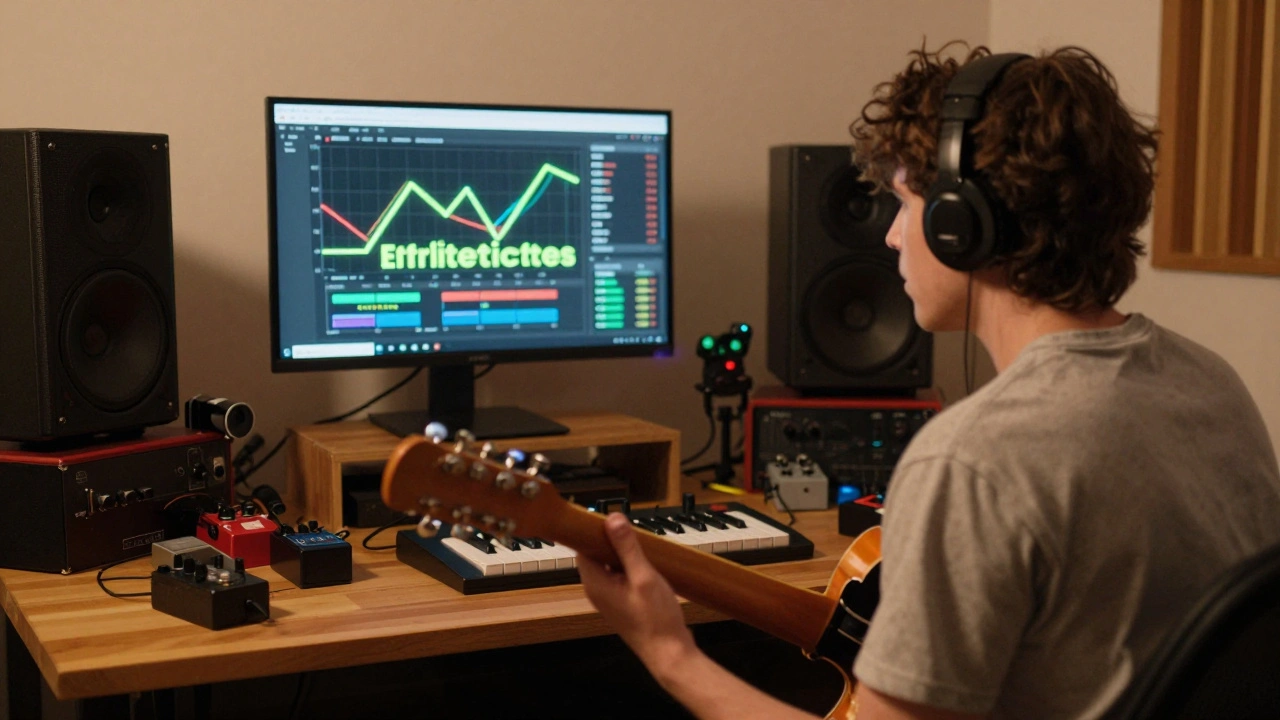
Music influencers don’t just share songs-they sell them. Every playlist drop, every gear review, every live session with a new artist is a chance to earn. But if you’re throwing out affiliate links and hoping for the best, you’re leaving money on the table. Tracking and incentives aren’t just fancy terms-they’re what turn casual sharing into real income.
Why Affiliate Links Work for Music Influencers
Think about it: when you post a clip of yourself using a new pedal, and someone buys it because you said it changed your tone, that’s influence. But without a way to track who clicked and bought, you can’t prove it worked-or get paid properly. Affiliate links solve that. They connect your audience’s purchase directly to your profile, so platforms like Amazon, Reverb, or Sweetwater know to give you a cut.
It’s not just about gear. Record labels use affiliate links to promote new albums. Streaming services offer commissions for sign-ups from your referral code. Even music schools and online courses pay you when your followers enroll. The key? Making sure those links actually work for you.
How to Track Affiliate Link Performance
Most affiliate programs give you a basic dashboard showing clicks and sales. That’s a start. But if you’re serious, you need more.
- Use a UTM builder to tag each link. Add parameters like
utm_source=instagram,utm_campaign=feb2026_pedal_review. This tells you exactly where the traffic came from. - Shorten links with Bitly or Rebrandly. These tools don’t just make links cleaner-they show you click locations, device types, and even time of day.
- Set up Google Analytics 4 (GA4) with custom events. Track when someone clicks your link, watches your video, and then makes a purchase. That’s a full conversion path.
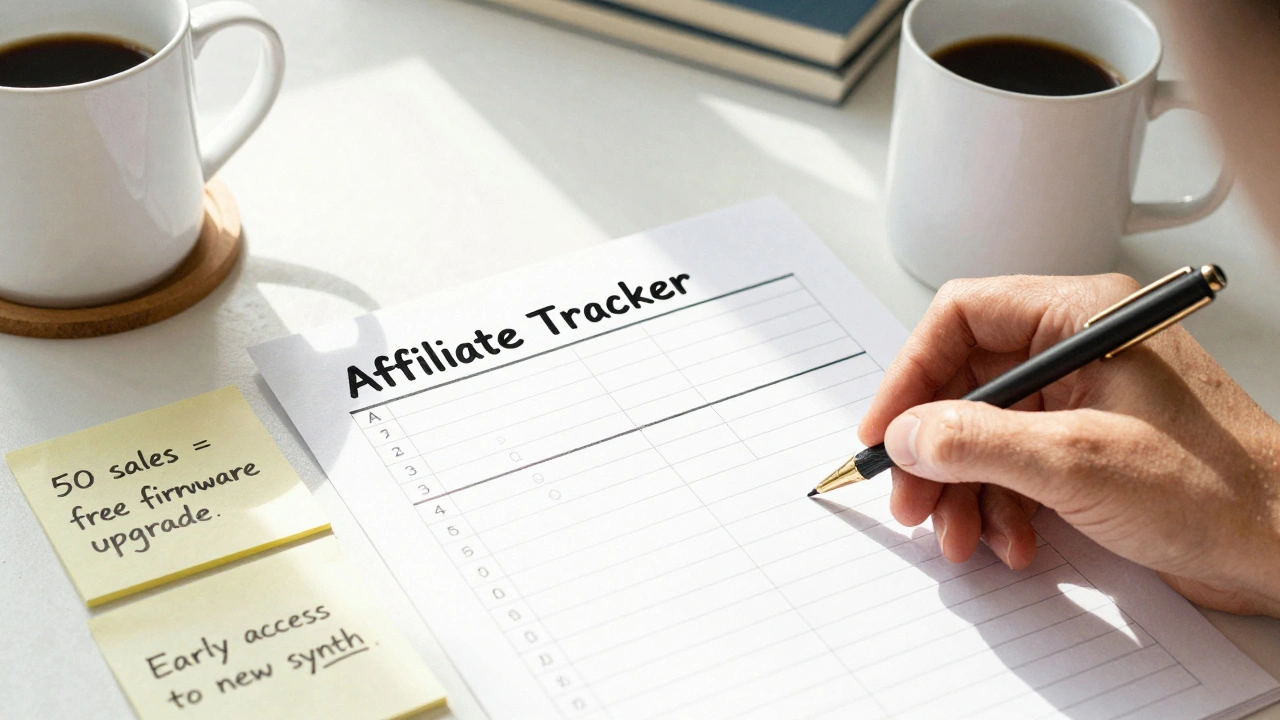
- Keep a simple spreadsheet: date, platform, link used, clicks, conversions, earnings. Update it weekly. You’ll start seeing patterns-like how TikTok drives 3x more sales than Instagram Stories.
One Portland-based producer started tracking her links this way. In three months, she found that her YouTube tutorials on MIDI controllers brought in 72% of her affiliate income-even though she only posted them once a month. She shifted her content calendar and doubled her earnings.
Incentives That Actually Motivate
Most brands offer flat commissions: 5% on gear, 10% on courses. That’s fine. But if you’re sharing content daily, you deserve more.
Here’s what works:
- Performance bonuses: Get 15% instead of 10% if you hit 50 sales in a month. Some labels do this for artists with over 10K followers.
- Exclusive early access: Brands give you unreleased tracks or gear to review before anyone else. You get to be the first to talk about it-and your audience trusts you more for it.
- Revenue sharing: Instead of a one-time commission, some platforms give you 5% of lifetime revenue from someone you refer. If they stay subscribed to a streaming service for two years? You keep earning.
- Non-cash rewards: Free studio time, custom merch, or a feature on their newsletter. These build long-term relationships.
One indie artist negotiated a tiered incentive with a drum machine brand. Hit 20 sales? $50 bonus. Hit 50? Free upgrade to their pro firmware. He hit 50 in 11 days. The brand now sends him prototypes before public release.
Where to Find the Best Affiliate Programs
Not all affiliate programs are made equal. Some have low payouts, broken tracking, or hidden terms. Here’s where to look:
- Reverb: 5-8% on gear. Tracks clicks for 30 days. Pays via PayPal. Best for pedals, amps, mics.
- Amazon Associates: 1-4% on music gear. Short cookie window (24 hours). Use it for books, cables, stands.
- Spotify for Artists: Pay-per-sign-up for premium. Requires 1,000+ monthly listeners. Pays $1-$3 per conversion.
- Musician’s Institute: 15% on course sales. Long cookie window (90 days). Great for educators.
- Bandcamp: 5% on sales from your referral link. No minimum follower count. Pays out weekly.
Pro tip: Avoid programs that require you to use their branded banners. They’re clunky. Use your own link with custom text like “This pedal changed my tone-get it here.” It feels more authentic.
Common Mistakes (And How to Fix Them)
Even experienced influencers mess this up.
- Using the same link everywhere: You can’t tell if TikTok or YouTube drives sales. Fix it: create unique links for each platform.
- Not disclosing affiliate links: It’s not just ethical-it’s required by the FTC. Say “This link earns me a commission at no extra cost to you.” It builds trust.
- Ignoring analytics: If you don’t check your data, you’re guessing. Set a weekly 10-minute review. Look for drop-offs.
- Only promoting expensive gear: A $500 synth gets fewer clicks than a $25 looper. Mix high and low-ticket items. Your audience isn’t just pros.
What’s Next? Build a System
Affiliate income isn’t luck. It’s a system. Start small:
- Pick one program that fits your content (Reverb if you review gear, Spotify if you push playlists).
- Create three unique links using UTM tags.
- Post one piece of content with each link over the next two weeks.
- Track clicks and sales in a free Google Sheet.
- After 30 days, double down on what worked.
Some influencers make $200 a month. Others make $20,000. The difference isn’t follower count-it’s tracking. It’s incentives. It’s knowing exactly what works and doing more of it.
Do affiliate links hurt my credibility as a music influencer?
Not if you’re honest. People trust influencers who are transparent. Saying “I use this pedal daily and this link helps me keep making content” feels real. Hiding it or over-promoting cheap gear is what damages trust-not the link itself.
Can I use affiliate links on TikTok and Instagram Reels?
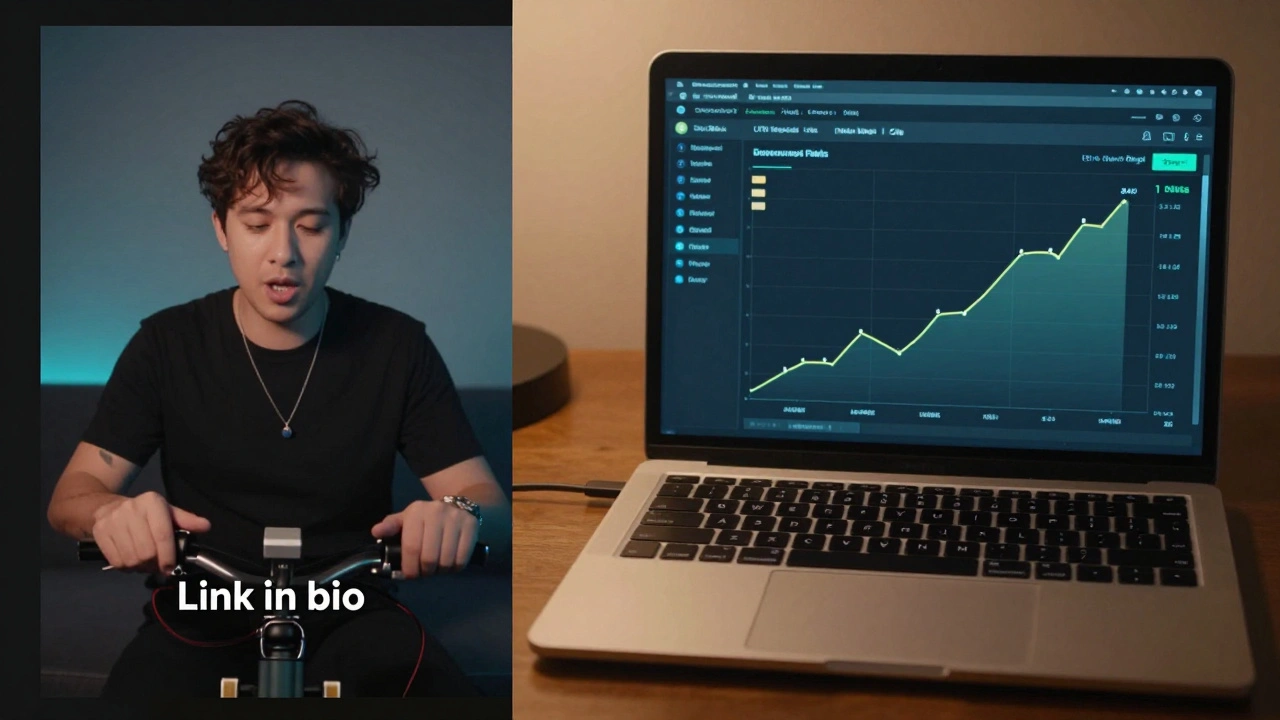
Yes, but you can’t put links in the video caption on TikTok. Use the bio link and say “Link in bio” clearly during the video. On Instagram, use the swipe-up feature (if you have 10K+ followers) or link stickers. Always mention it’s an affiliate link.
How long does it take to start earning from affiliate links?
It varies. Some see their first sale in a week. Others take 3-6 months. It depends on your audience size, niche, and consistency. A creator with 5K engaged followers who posts 3x a week can earn $100-$500/month within 90 days if they track and optimize.
Should I join multiple affiliate programs at once?
Start with one. Too many links look spammy. Once you’ve mastered tracking one program and know what content drives sales, add another. Quality beats quantity every time.
What if my audience doesn’t buy anything?
That’s normal. Not every follower will buy. But if you’re posting consistently and tracking what works, you’ll find the 10-20% of your audience who do. Focus on those. They’re your core supporters. One loyal buyer who purchases twice a year is worth more than 100 one-time clicks.