The Core of Collaborative Arrangements
In many modern bands, arrangements are decided in a studio or written down on a chart. The Robert Hill Band does the opposite. They treat the Arrangement as a flexible framework rather than a set of laws. When they tackle a standard blues progression, they don't just stick to the 12-bar format. They experiment with the "pocket"-that elusive feeling where the drums and bass lock in so perfectly that the music feels like it's breathing. Collaboration here means the guitarist might decide to drop the volume to a whisper during a verse, forcing the drummer to switch from a heavy beat to a light touch on the ride cymbal. This isn't planned in a rehearsal; it's a reaction. By giving every member the authority to steer the song's direction, the band avoids the sterile sound that often comes from over-rehearsing. They embrace the risk of a mistake because that's where the most interesting musical turns usually happen.The Role of Call and Response
One of the most powerful tools in their arsenal is Call and Response, a technique rooted deeply in African American musical traditions. In the Robert Hill Band's performances, this isn't just a vocal trick. It's a full-band dialogue. You'll hear the lead guitar throw out a jagged, distorted phrase, and the keyboardist will immediately echo it back with a smoother, melodic variation. This interaction turns a song into a story. Instead of the singer delivering a monologue and the band providing a backdrop, the instruments act as second and third voices. For example, during a slow burn of a ballad, the bass might answer a vocal line with a sliding note that mimics a human sigh. This level of empathy between musicians requires a massive amount of trust. They have to know exactly where their bandmates are heading without needing a map.| Element | Traditional Band Model | Robert Hill Band Model |
|---|---|---|
| Structure | Fixed charts and set durations | Fluid frameworks based on energy |
| Decision Making | Leader-driven instructions | Real-time collective intuition |
| Improvisation | Scheduled solo sections | Continuous, conversational interplay |
| Rhythmic Focus | Metronomic consistency | The "Pocket" (Organic breathing) |
Dynamics and the Art of the Fade
True collaboration is as much about what you *don't* play as what you do. The Robert Hill Band masters the art of dynamic contrast. They know that if everyone plays at a ten, the audience stops feeling the impact. To create tension, they use a technique called "dynamic sculpting." Imagine a song building up to a climax. Instead of just getting louder, the band might suddenly drop everything except the bass and the kick drum. This creates a vacuum of sound that makes the eventual return of the full ensemble feel like an explosion. This requires an incredible amount of coordination. If one person misses the cue to drop out, the effect is ruined. By practicing this shared intuition, they can manipulate the emotional state of the room, pulling the audience in close before pushing them back with a wall of sound.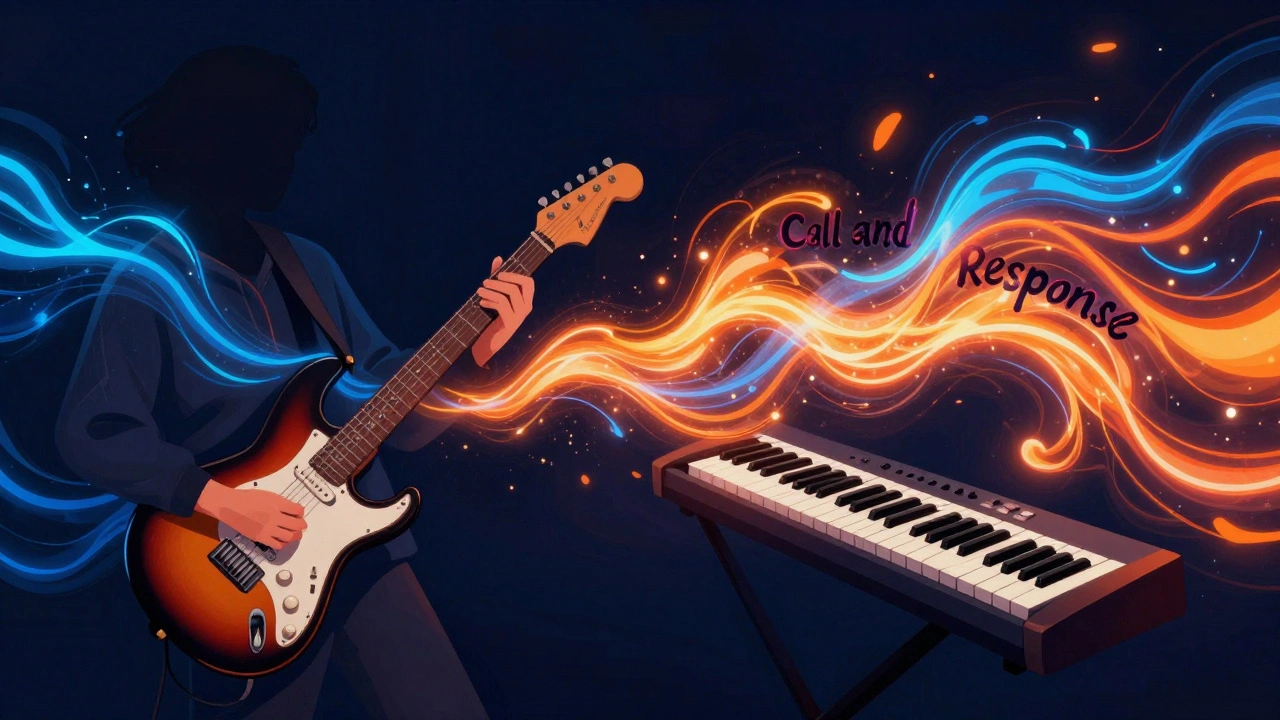
Integrating Genre Influences Together
While their foundation is in the blues, the band incorporates elements of Jazz and Funk. The interesting part is how they blend these. They don't just play a "jazz section" and then a "blues section." Instead, they let these genres bleed into each other through collaborative experimentation. For instance, the drummer might introduce a syncopated funk beat during a standard blues shuffle. Rather than fighting it, the bassist might lean into that syncopation, shifting the harmony to something more complex, almost like a jazz fusion piece. This organic evolution is a result of the members bringing their individual histories to the table. One musician's love for Motown meets another's obsession with Delta blues, and the result is a hybrid sound that feels authentic because it grew naturally from the group's collective identity.The Psychology of the Live Stage
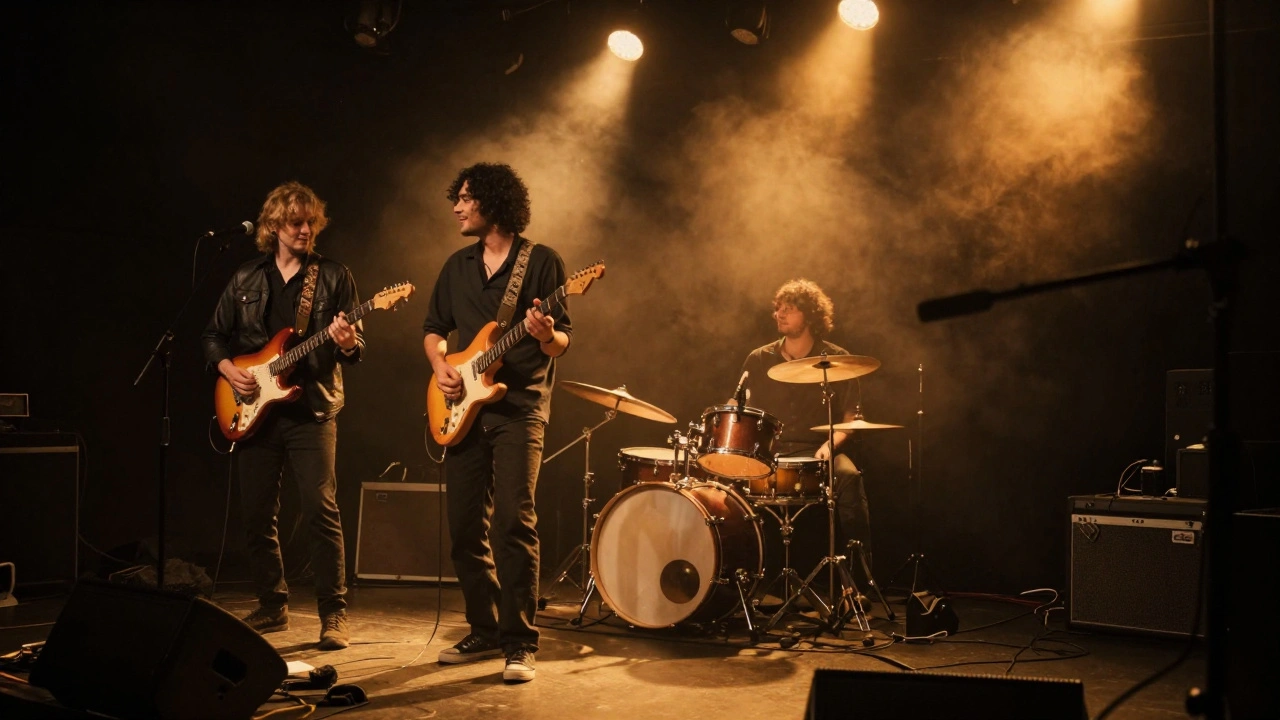
Performing live is where this collaborative spirit is most visible. On stage, the Robert Hill Band operates as a single organism. They use non-verbal cues-a nod of the head, a shift in posture, or a specific look-to signal changes in the arrangement. This allows them to stretch a song's duration based on the crowd's reaction. If the audience is locking into a particular groove, the band can decide on the fly to extend a jam for another three minutes. This flexibility prevents their shows from feeling like a playback of a recording. It makes every performance unique. The risk is high-a missed cue could lead to a train wreck-but that's exactly why it's exciting. The audience can sense that the musicians are walking a tightrope, and that tension is what makes a live blues show feel electric.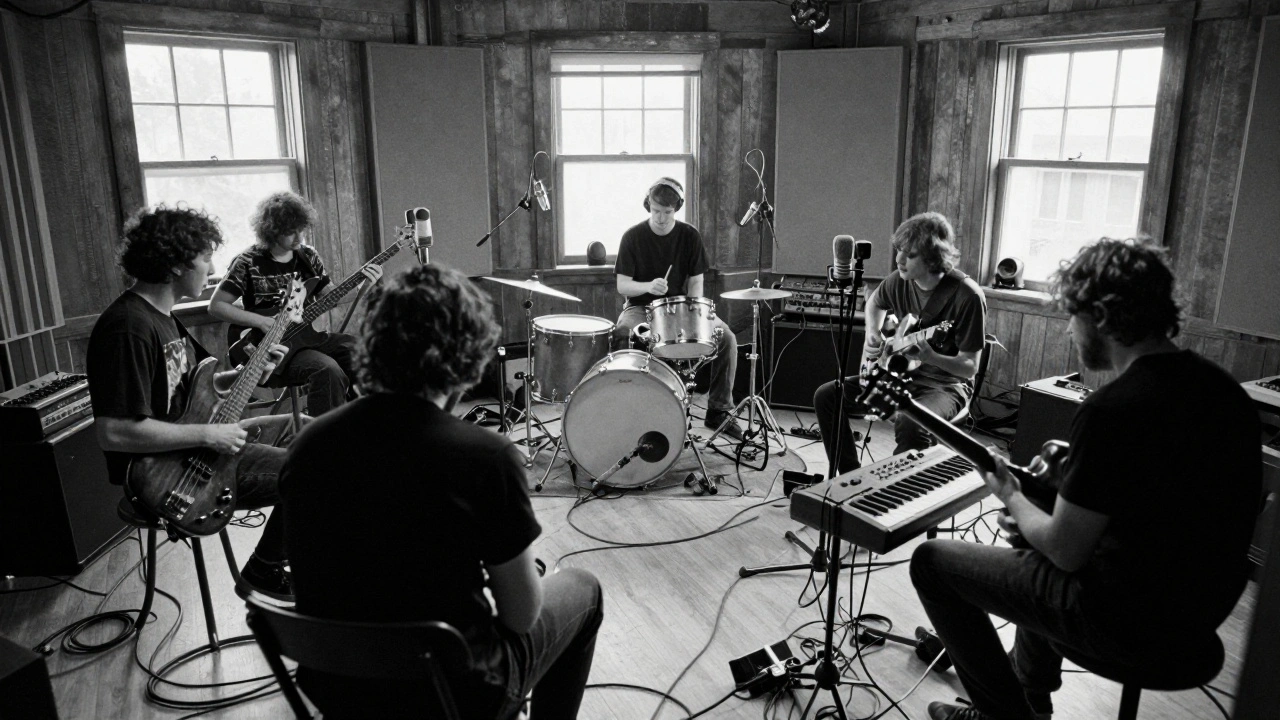
Building a Collaborative Legacy
Beyond the notes, the way the Robert Hill Band works reflects a philosophy of mutual respect. In a world where the "star" often eclipses the ensemble, this group prioritizes the collective sound. This approach changes how they record as well. Instead of layering tracks one by one in a sterile studio, they prefer recording live in a room together. This captures the bleed, the mistakes, and the spontaneous energy that defines their identity. By treating the music as a shared discovery process, they avoid the stagnation that hits many veteran bands. They are constantly challenging each other to try something new, to play something simpler, or to find a different way to resolve a chord. This hunger for exploration is what keeps their arrangements fresh and their performances visceral.What makes the Robert Hill Band's approach different from other blues acts?
Unlike many acts that follow a strict leader-follower dynamic, the Robert Hill Band uses a democratic, conversational approach to their music. Every member has the agency to influence the arrangement in real-time, leading to a sound that is more improvisational and organic than traditional, chart-based blues.
How do they handle improvisation without the song falling apart?
They rely on a deep understanding of the "pocket" and a shared set of non-verbal cues. By mastering the core structure of a song, they create a safety net that allows them to take risks. Their trust in each other's timing and instincts ensures that even when they deviate from the path, they always find their way back to the beat together.
Is their music strictly traditional 12-bar blues?
No. While they respect the roots, they collaboratively blend in elements of Funk and Jazz. This isn't done through rigid sections but through a fluid process where different genre influences overlap based on the mood and energy of the performance.
Why do they prefer recording live in a room?
Recording live allows them to capture the natural interplay and spontaneous reactions that happen when musicians see and hear each other. Overdubbing in a studio often removes the "human' error and energy that makes their collaborative arrangements feel alive.
How does call and response work for instruments?
It works as a musical dialogue. One instrument (like the guitar) plays a short phrase, and another (like the keyboard or bass) responds with a complementary or echoing phrase. This turns the instrumental sections into a conversation rather than just a series of solos.