Walk into any major arena today and you’ll likely see a massive LED screen, laser lights, and a production budget that rivals Hollywood blockbusters. But strip away the pyrotechnics and the multi-million dollar sound systems, and what remains is something far older and deeply rooted in the soil of American culture. It starts with a single voice, a piano, and a room full of people who need to feel heard. This is the journey of gospel blues-a genre that began in the cramped, warm confines of rural churches and has evolved into a global phenomenon filling stadiums worldwide.
The transition from pews to stages wasn’t just a change in location; it was a transformation of identity, technology, and audience expectation. For decades, this music was strictly sacred, meant only for worship. Today, it’s a secular powerhouse that drives tours, streaming numbers, and cultural conversations. How did we get here? And more importantly, why does this evolution matter to the listener sitting in the nosebleeds of a modern arena?
The Sacred Roots: Where It All Began
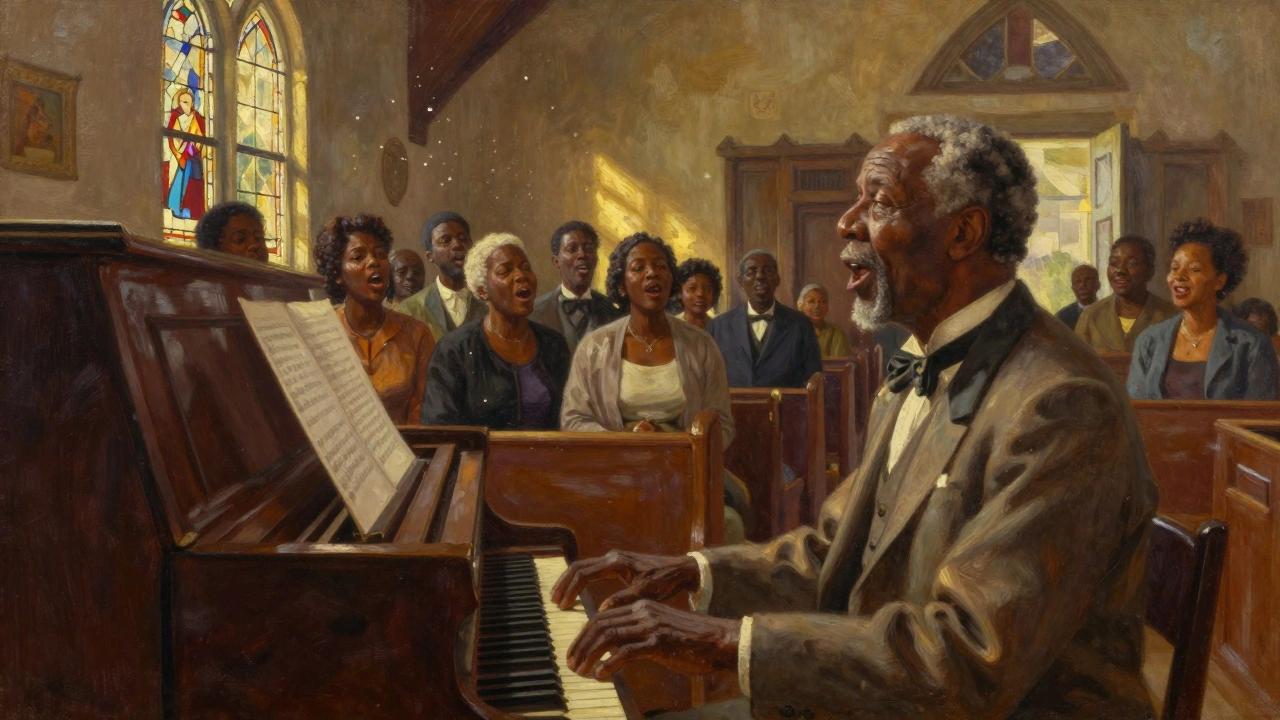
To understand where gospel blues is going, you have to look at where it started. In the early 20th century, particularly in the American South, the church was the community center. It was the place for news, support, and spiritual refuge. The music played there was raw, emotional, and deeply personal. It blended African rhythmic traditions with European hymn structures, creating a sound that was both familiar and revolutionary.
Gospel blues emerged as a bridge between the sorrowful narratives of traditional blues and the hopeful messages of Christian faith. Artists like Thomas A. Dorsey, often called the "Father of Gospel Music," took the twelve-bar blues structure-a format previously associated with secular struggle-and infused it with religious lyrics. This wasn’t just a musical tweak; it was a theological statement. It said that pain and joy could coexist, that suffering could be transformed into praise.
- Emotional Authenticity: Early performances relied on call-and-response patterns, inviting the congregation to participate rather than just listen.
- Improvisation: Musicians were encouraged to express their individual spirit through vocal runs and instrumental solos.
- Community Focus: The goal was collective upliftment, not individual fame.
This foundation created a unique energy. When you hear a modern gospel artist belt out a high note, you’re hearing the echo of those Sunday morning services where the roof felt like it might blow off. That intensity didn’t disappear when the music moved to radio or television; it became the core product.
The Crossover Moment: Breaking the Walls
By the mid-20th century, the lines between sacred and secular began to blur. This period saw the rise of artists who refused to be boxed into one category. Ray Charles is perhaps the most famous example. He took gospel harmonies and applied them to blues and R&B songs, creating a sound that was irresistible to mainstream audiences. His album Genius Loves Company and earlier hits like "I Got a Woman" demonstrated that the emotional power of gospel could translate directly to pop success.
This era also saw the birth of Soul music. Aretha Franklin, known as the Queen of Soul, brought her gospel upbringing to Motown Records. Her performance of "Respect" wasn’t just a pop song; it was a civil rights anthem delivered with the authority of a preacher. The stage became a pulpit, but the message expanded beyond religion to include social justice, love, and personal empowerment.
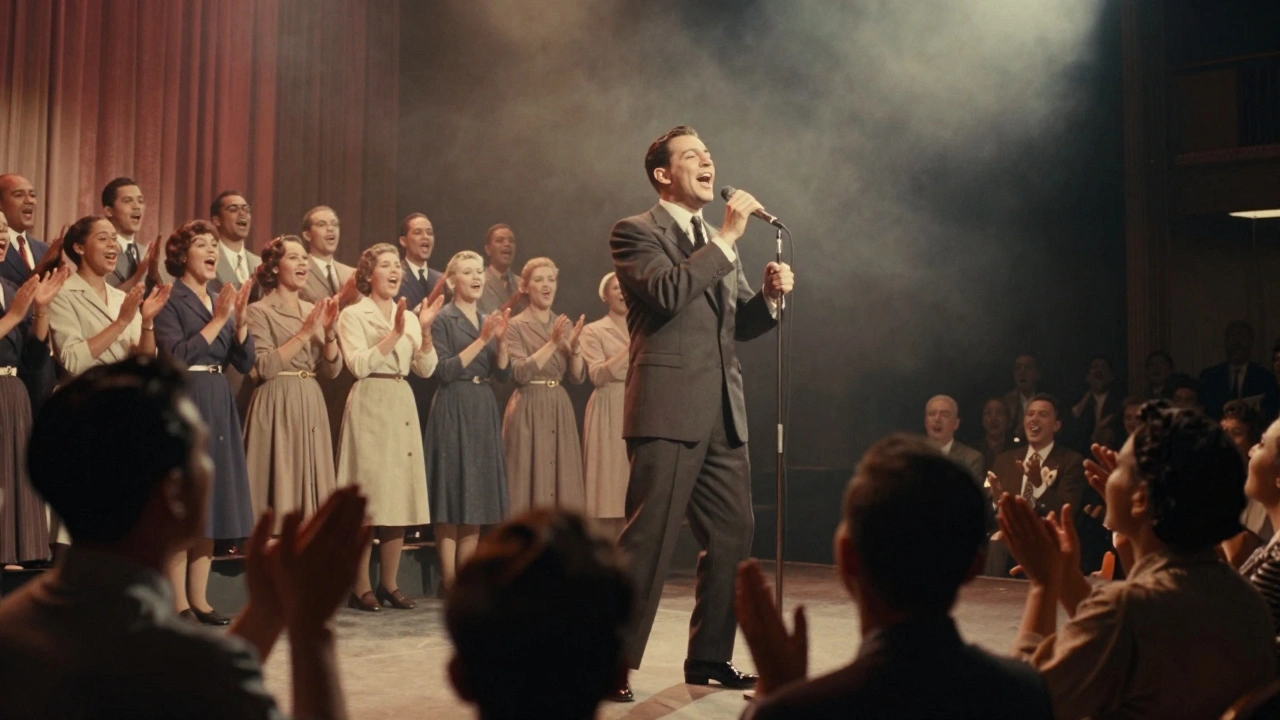
The technology of the time played a huge role too. Vinyl records allowed these sounds to travel beyond the local church basement. Radio stations began playing "sacred steel" and gospel quartets alongside jazz and blues. As the audience grew, so did the venues. Small theaters replaced pews, and for the first time, people paid admission to hear this music without attending a service.
| Era | Primary Venue | Audience Interaction | Key Technology |
|---|---|---|---|
| 1920s-1940s | Local Churches | Call-and-Response, Participation | Acoustic Instruments, Live Voice |
| 1950s-1960s | Theaters, Nightclubs | Passive Listening, Applause | Vinyl Records, AM Radio |
| 1970s-1980s | Arenas, Convention Centers | Concert Experience, Merchandise | FM Radio, Cassette Tapes |
| 1990s-Present | Stadiums, Streaming Platforms | Digital Engagement, Social Media | Internet, High-Fidelity Audio |
The Modern Arena: Spectacle and Spirit
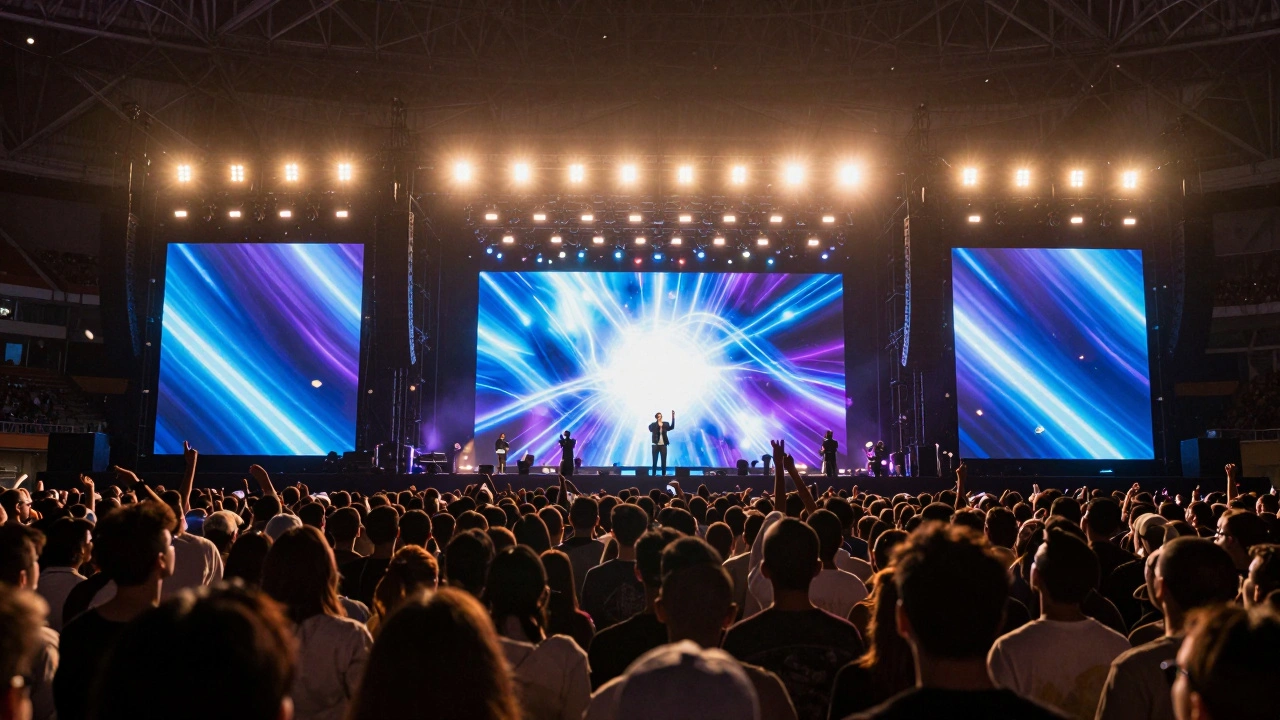
Today, contemporary gospel artists like Kirk Franklin, Tasha Cobbs Leonard, and Maverick City Music perform in venues that seat tens of thousands. The scale is unimaginable compared to the small sanctuaries of the past. But the challenge for these artists is maintaining intimacy. How do you make a crowd of 20,000 feel like they are part of a prayer circle?
The answer lies in production design and artistic innovation. Modern gospel concerts are highly produced events. They use lighting rigs that mimic the mood of a service-soft glows for moments of reflection, bright flashes for energetic praise. Sound engineers work tirelessly to ensure that every whisper and shout is captured clearly, preserving the dynamic range that defines the genre.
Kirk Franklin revolutionized this space in the 1990s by blending hip-hop beats with traditional choir harmonies. He made gospel cool for a generation that had never stepped foot in a church. His albums topped Billboard charts, proving that gospel music could compete with rap and pop for mainstream attention. This opened the door for younger artists to experiment with genres like trap, EDM, and alternative rock while keeping the core message intact.
Maverick City Music represents the current wave. Their live albums, recorded in large venues but mixed to sound intimate, have dominated streaming platforms. They focus on collaboration, bringing together artists from different backgrounds and denominations. This approach reflects the modern listener’s desire for authenticity and connection over polished perfection.
Technology’s Role in Bridging the Gap
If the venue changed from pews to stages, technology changed the way we access the music. Streaming services like Spotify and Apple Music have democratized gospel blues. You no longer need to buy a CD or visit a record store. You can listen to a live recording from a church in Memphis or a stadium in Atlanta from your bedroom in Portland.
Social media has also transformed the relationship between artists and fans. Instagram and TikTok allow musicians to share behind-the-scenes content, snippets of rehearsals, and personal stories. This creates a parasocial bond where fans feel connected to the artist’s journey, not just their output. During the pandemic, when physical venues closed, live-streamed services became the primary way communities gathered. Artists adapted quickly, turning their homes and studios into digital sanctuaries.
This shift has implications for how music is created. Producers now consider how a song will sound on a smartphone speaker as well as in a concert hall. The mix needs to be clear, punchy, and engaging within the first few seconds to capture scrolling thumbs. Yet, despite these commercial pressures, the best contemporary gospel music still prioritizes emotional resonance. The tech is just the vehicle; the soul is the fuel.
Challenges in the Contemporary Landscape
As gospel blues moves further into mainstream spaces, it faces criticism. Some purists argue that the commercialization dilutes the spiritual message. They worry that the focus on entertainment overshadows the purpose of worship. There’s a valid concern here. When a song is written to go viral rather than to inspire devotion, something gets lost in translation.
Another challenge is the homogenization of sound. With algorithms favoring certain tempos and structures, many new releases start to sound similar. The risk is that the diverse regional styles-Southern gospel, urban contemporary, traditional quartet-get flattened into a single, marketable product. Independent labels and grassroots movements are working to preserve these distinctions, but the pressure to conform is strong.
Additionally, the financial barrier to entry has risen. Producing a high-quality album or touring in large venues requires significant investment. This can exclude talented artists who lack funding or industry connections. However, digital tools have lowered some costs. Home recording software and online distribution platforms allow independent artists to reach global audiences without major label backing.
Preserving the Soul in a Digital Age
Despite these challenges, the essence of gospel blues remains resilient. The genre’s strength lies in its ability to adapt while staying true to its roots. Artists continue to draw inspiration from the pioneers who came before them. They honor the tradition of improvisation, community, and emotional honesty.
Festivals like the Gospel Music Workshop of America (GMWA) and various international gospel festivals serve as hubs for education and networking. These events bring together old-school veterans and new-generation innovators, fostering dialogue about the future of the genre. Workshops teach young musicians about the history of sacred music, ensuring that the knowledge isn’t lost.
Listeners play a crucial role too. By supporting diverse artists and seeking out authentic experiences, audiences help shape the direction of the music. Whether you’re watching a live stream from your couch or dancing in a crowded arena, you’re participating in a continuum that stretches back over a century.
The Future: Hybrid Spaces and Global Reach
Looking ahead, the boundary between sacred and secular will likely continue to dissolve. We may see more hybrid events where worship services incorporate concert-style production, and vice versa. Virtual reality could offer immersive experiences that simulate the feeling of being in a historic church or a packed stadium. Artificial intelligence might assist in composition, but the human element-the pain, the joy, the hope-will remain central.
Gospel blues is also expanding globally. From Brazil to Nigeria, from Sweden to Japan, communities are adopting and adapting this sound to their own cultural contexts. This globalization enriches the genre, introducing new rhythms, languages, and perspectives. It reminds us that the desire for spiritual expression through music is universal.
In the end, the journey from pews to stages is not about leaving the past behind. It’s about carrying its spirit forward. The next time you hear a gospel track blasting from a car stereo or echoing in a vast arena, remember the small rooms where it all began. Remember the voices that sang through hardship and found hope. That’s the real magic of gospel blues-it travels across time and space, connecting us all in a shared humanity.
What is the difference between gospel music and gospel blues?
Gospel music is a broad genre focused on Christian themes and worship. Gospel blues specifically refers to the fusion of traditional blues musical structures (like the twelve-bar blues) with gospel lyrics and themes. It often features more improvisation and a rawer, emotive vocal style derived from the blues tradition.
Who are some key figures in the history of gospel blues?
Thomas A. Dorsey is considered the father of gospel music for blending blues with sacred lyrics. Other key figures include Mahalia Jackson, whose powerful voice defined the genre for decades, and Ray Charles, who helped bridge the gap between gospel and secular R&B/pop music.
How has technology changed the way gospel music is consumed?
Streaming platforms and social media have made gospel music accessible to a global audience instantly. Live streaming allows fans to attend virtual services and concerts, while algorithms help discover new artists. This has shifted consumption from physical media (CDs, vinyl) to digital access, changing how artists market and distribute their work.
Is gospel music still primarily performed in churches?
While many churches still feature live gospel music as part of their services, the genre has expanded significantly. Contemporary gospel artists regularly tour arenas, stadiums, and festivals. Additionally, gospel music is widely available on secular radio stations and streaming playlists, reaching audiences outside of religious settings.
What is the role of call-and-response in modern gospel performances?
Call-and-response is a foundational element where a leader sings or speaks a line and the audience responds. In modern arena shows, this technique is used to engage large crowds, creating a sense of participation and unity. It helps maintain the interactive spirit of traditional church services even in large, secular venues.