When you’re an independent musician, releasing an album isn’t just about recording songs-it’s about building a community that believes in your work. Crowdfunding has become one of the most reliable ways to fund music releases without relying on labels or loans. But it’s not enough to just launch a campaign. The difference between a campaign that hits its goal and one that fizzles out comes down to three things: perks, tiers, and timelines.
Why Crowdfunding Works for Music Releases
Music fans aren’t just buying albums anymore-they’re investing in artists they love. A 2025 survey by the Independent Music Publishers Association found that 68% of music supporters have backed a crowdfunding campaign for an artist they follow. Why? Because they want to feel part of the process. They want to hear the album before anyone else, get exclusive merch, or even be listed in the credits.
Unlike streaming platforms that pay pennies per stream, crowdfunding gives artists direct control. You set your goal, you choose your rewards, and you keep nearly all the money raised-after payment processing fees. For many indie artists, this is the only way to afford studio time, vinyl pressing, or a national tour.
Perks That Actually Sell
Not all perks are created equal. A generic “thank you” note won’t move the needle. Fans are looking for experiences, not just stuff.
- Early access to the full album (at least 2 weeks before public release) is the most requested perk-simple, powerful, and costs nothing to deliver.
- Personalized shoutouts in a video or on social media work wonders. One artist from Austin saw a 40% spike in pledges after offering 10 personalized 30-second clips from the studio.
- Exclusive merch that’s only available through the campaign-like a signed lyric sheet pressed into a vinyl insert, or a custom patch based on your album art-creates urgency.
- Virtual hangouts with the band (Zoom, Discord, or even a live-streamed acoustic session) turn backers into superfans.
- Co-creation opportunities-letting backers vote on song titles, cover art, or even help name a track-builds emotional ownership.
Avoid cheap digital files (like a basic MP3) as a perk. Everyone can stream music. What they can’t get anywhere else is connection.
Tier Structure That Converts
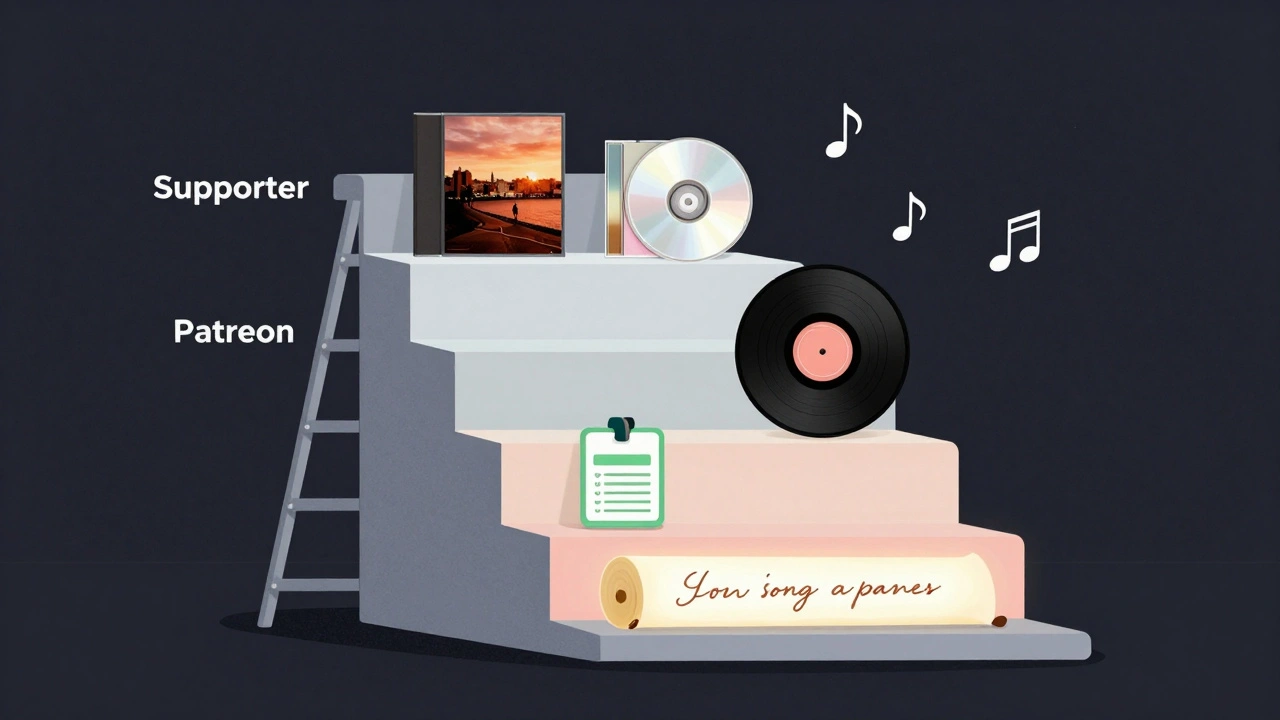
Your tiers should feel like a ladder-not a menu. Each step up should feel meaningful, not just more expensive.
Here’s what a winning tier structure looks like:
| tier | price | perks |
|---|---|---|
| Supporter | $10 | Early digital album + digital thank-you card |
| Fan | $25 | Physical CD + digital album + exclusive behind-the-scenes video |
| Collector | $50 | Limited edition vinyl + signed lyric booklet + digital album + personal shoutout |
| Producer | $100 | Everything above + co-producer credit on album + invite to recording session (virtual or in-person) |
| Patron | $250 | All above + custom song written for you (lyrics based on your story) + 1-on-1 Zoom call |
Notice how each tier adds value-not just more stuff. The jump from $25 to $50 isn’t just doubling the price-it’s adding something tangible and collectible (vinyl). The $100 tier isn’t just expensive; it’s an invitation into the creative process. And the $250 tier? That’s not a purchase-it’s a once-in-a-lifetime experience.
Don’t go beyond five tiers. Too many options overwhelm people. Studies show that campaigns with three to five well-defined tiers convert 30% better than those with seven or more.
Timeline: When to Launch and How Long to Run It
Timing matters more than you think. Launching on a Monday? Bad idea. Running for 60 days? Too long.
The sweet spot for music campaigns is 30 days. Why? Because:
- People’s attention spans are short. Beyond 30 days, momentum drops.
- Platforms like Kickstarter and Indiegogo give campaigns a visibility boost early on. You want to hit 30-40% of your goal in the first 72 hours to trigger that algorithm.
- Music fans are motivated by urgency. A 30-day window creates a natural deadline.
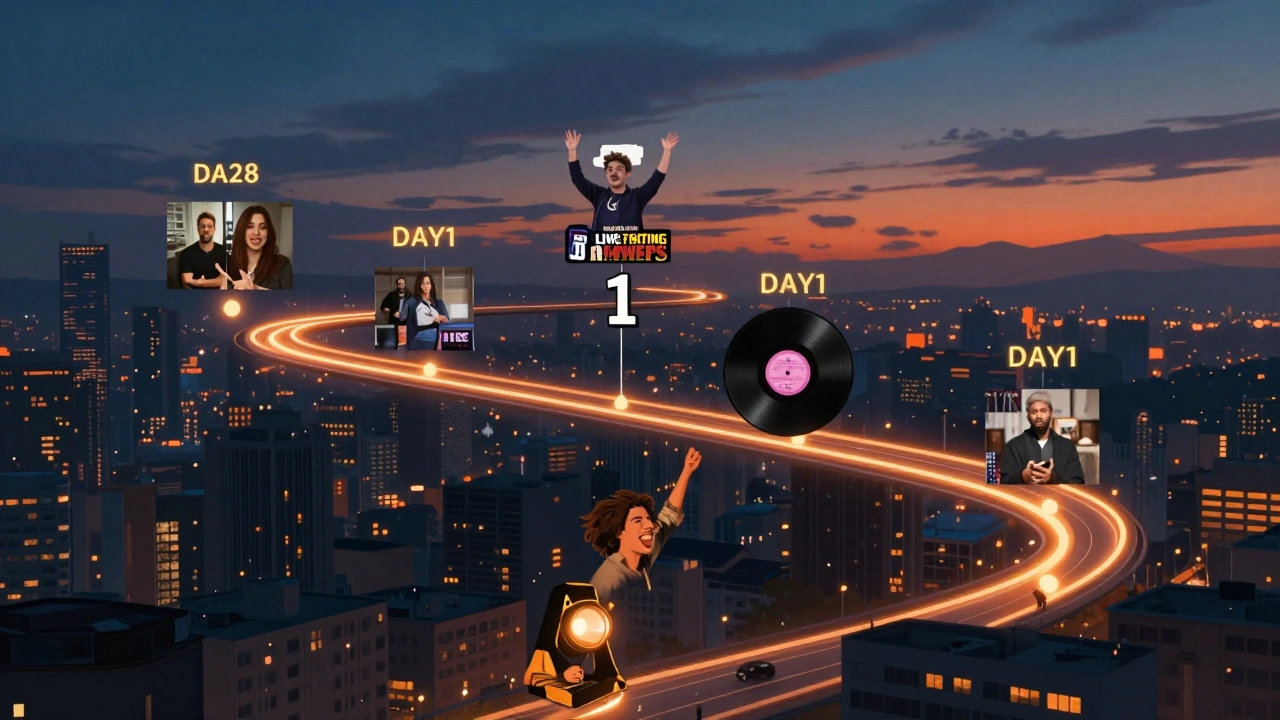
Here’s the ideal timeline:
- Week 4 before launch: Tease the campaign with 3-5 short videos. Show studio footage, snippets of songs, behind-the-scenes prep. Build curiosity.
- Day 1: Launch with a live stream or video message from you. Announce the first 10 backers get a free custom song. This creates instant social proof.
- Days 2-7: Push hard. Reach out to your top 20 fans personally. Ask them to share. Offer a bonus perk (like a bonus track) if you hit 25% in 48 hours.
- Days 8-20: Share weekly updates. Show progress. Post a photo of the vinyl pressing in progress. Let people see their money at work.
- Days 21-27: Send out a last-chance email. Highlight remaining perks. Say: “Only 3 collector editions left.”
- Day 30: End with a thank-you video. Announce stretch goals if you hit your goal early (like a bonus single or tour date).
One band from Portland raised $87,000 in 27 days for their vinyl release by using this exact timeline. They didn’t have a big social following-they had a plan.
What Happens After the Campaign Ends
Crowdfunding isn’t a one-and-done deal. It’s the start of a relationship.
Deliver on time. If you promise vinyl in 4 months, deliver in 3.5. Fans will forgive a delay if you’re transparent-but they won’t forget silence.
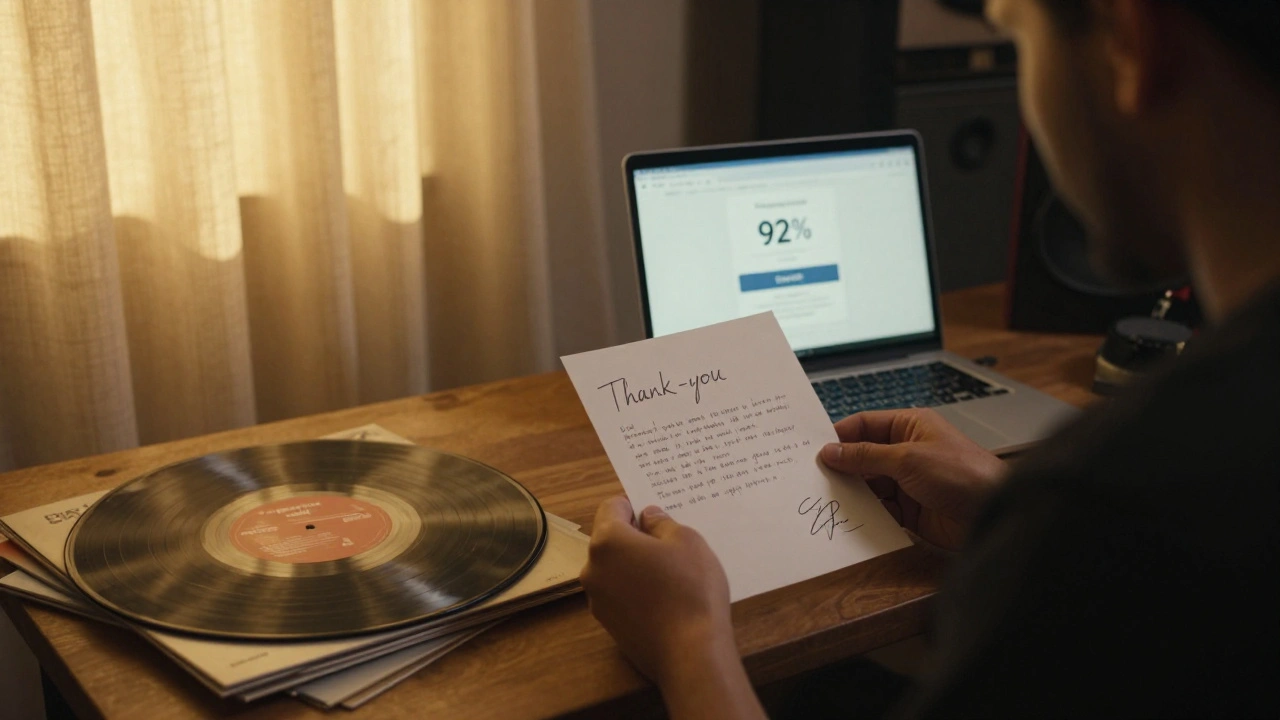
Send thank-you notes. Not email. Handwritten, if you can. Include a small physical token-a sticker, a postcard, a pressed flower from your studio garden.
Keep them involved. Post studio updates. Ask for feedback on the mastering. Let backers vote on the single to release next. Turn your campaign into an ongoing fan club.
Many successful artists now use crowdfunding not just to fund albums, but to build their entire business model. One singer-songwriter from Portland runs a new campaign every 8 months. Each time, her fanbase grows-not because she’s viral, but because she treats every backer like family.
Common Mistakes to Avoid
- Underestimating shipping costs-especially for vinyl and merch. One artist forgot to factor in international shipping and lost $12,000 in profit.
- Overpromising-if you say you’ll do a live show, but can’t afford it, don’t promise it. Better to underpromise and overdeliver.
- Not having a backup plan-what if you only raise 60%? Have a scaled-down version of your release ready (digital-only, no vinyl).
- Ignoring your email list-your campaign page is just one channel. Email is still the #1 way to convert loyal fans.
Also, don’t treat this like a charity. People aren’t donating-they’re buying an experience. Frame everything as value, not pity.
Final Thought: It’s Not About the Money
Crowdfunding isn’t just a way to pay for your album. It’s proof that people believe in you. Every backer becomes your first listener, your first promoter, your first friend in the industry.
If you’re thinking about launching a campaign, start with your most loyal 50 fans. Message them. Ask: “What would make you back this?” Their answers will shape your perks, tiers, and timeline better than any guide ever could.
How much should I aim to raise for a music crowdfunding campaign?
There’s no one-size-fits-all number, but most successful indie campaigns range from $10,000 to $50,000. That covers studio time, mastering, vinyl pressing (500-1,000 units), merch, shipping, and platform fees. A good rule of thumb: calculate your hard costs, then add 20% for unexpected expenses. If you’re pressing vinyl, expect $8-$12 per unit depending on color and packaging. Always overestimate your shipping costs-international shipping alone can double your budget if you’re not careful.
Do I need to have a following to succeed?
Not a big one, but you do need a core group of 100-200 true fans who’ll back you on day one. It’s not about followers-it’s about connection. One artist with just 87 email subscribers raised $22,000 by personally messaging each one with a video. If your fans know you, trust you, and feel seen, they’ll help you reach your goal-even if you’re unknown to the public.
Can I run a campaign for a single, not a full album?
Absolutely. In fact, singles are becoming more popular. A well-crafted single campaign with a music video, limited-edition cassette, and behind-the-scenes documentary can raise $5,000-$15,000. It’s lower risk for backers and easier to promote. Many artists now use singles as warm-ups before a full album campaign.
What platform should I use?
For music, Kickstarter and Indiegogo are the top two. Kickstarter has higher success rates for creative projects (around 40% for music), but it’s all-or-nothing-you only get funded if you hit your goal. Indiegogo allows flexible funding, which means you keep what you raise even if you miss your target. If you’re confident in your fanbase, go Kickstarter. If you’re testing the waters, Indiegogo gives you breathing room.
How do I handle shipping delays?
Be upfront. If you know there’s a delay, send an update before your fans ask. Explain why-vinyl press delays, customs, shipping strikes-and give a new timeline. Offer a small bonus, like a free digital bonus track or early access to your next project. Most backers will forgive delays if you’re honest. What they won’t forgive is silence.