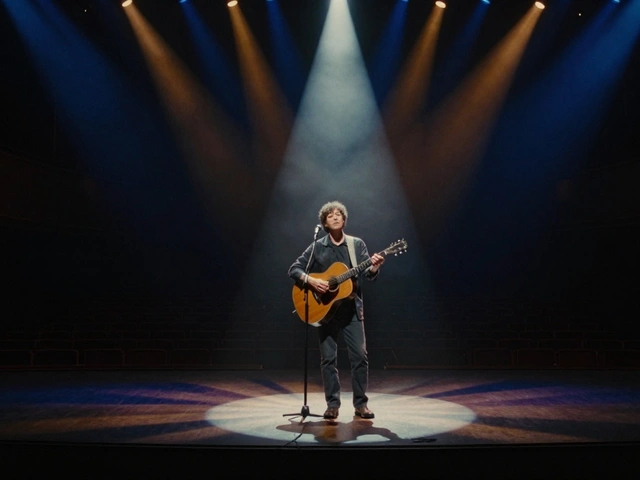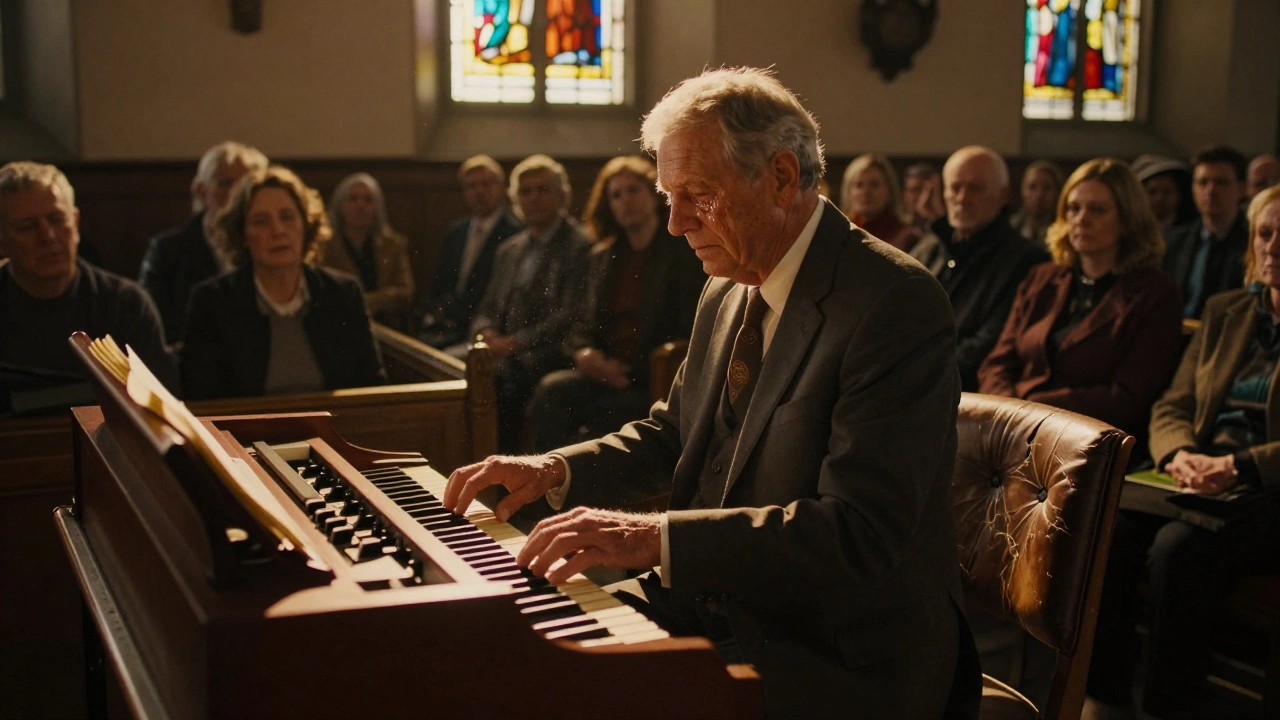
It didn’t start with a big label deal or a viral TikTok clip. It started with a cracked leather chair in a small church in Birmingham, Alabama, where a 68-year-old preacher named Ezekiel Boone played a rough, raw version of Revelation on an old Hammond organ. The congregation didn’t clap. They wept. And by the time the last note faded, three people had already called their cousins to tell them about it.
What Made 'Revelation' Different
Gospel blues has been around since the 1930s - a blend of church hymns and Delta blues, where the sorrow of the world meets the hope of salvation. But for decades, it stayed in the back pews, in dusty vinyl collections, or on niche radio shows. Then came Revelation, the 2025 album by the group The Mount Zion Choir, and everything changed.
The album didn’t have flashy production. No auto-tune. No drum machines. Just voices - deep, cracked, trembling - layered over slide guitar, a single upright bass, and a tambourine that sounded like rain on a tin roof. The lead singer, Lillian Cole, didn’t sing to impress. She sang like she was talking to God after a long day. Her voice carried the weight of 40 years of church choirs, funeral processions, and midnight prayers.
Track three, ‘The Blood Still Runs,’ became the turning point. It was a 7-minute song built on a simple 12-bar blues progression, but the lyrics? They weren’t about heaven. They were about a mother in Jackson, Mississippi, who lost her son to gun violence and still showed up at church every Sunday with flowers for the altar. That track went viral - not because of algorithms, but because people shared it with a note: ‘This is what healing sounds like.’
The Chart Rise: From Backroads to Billboard
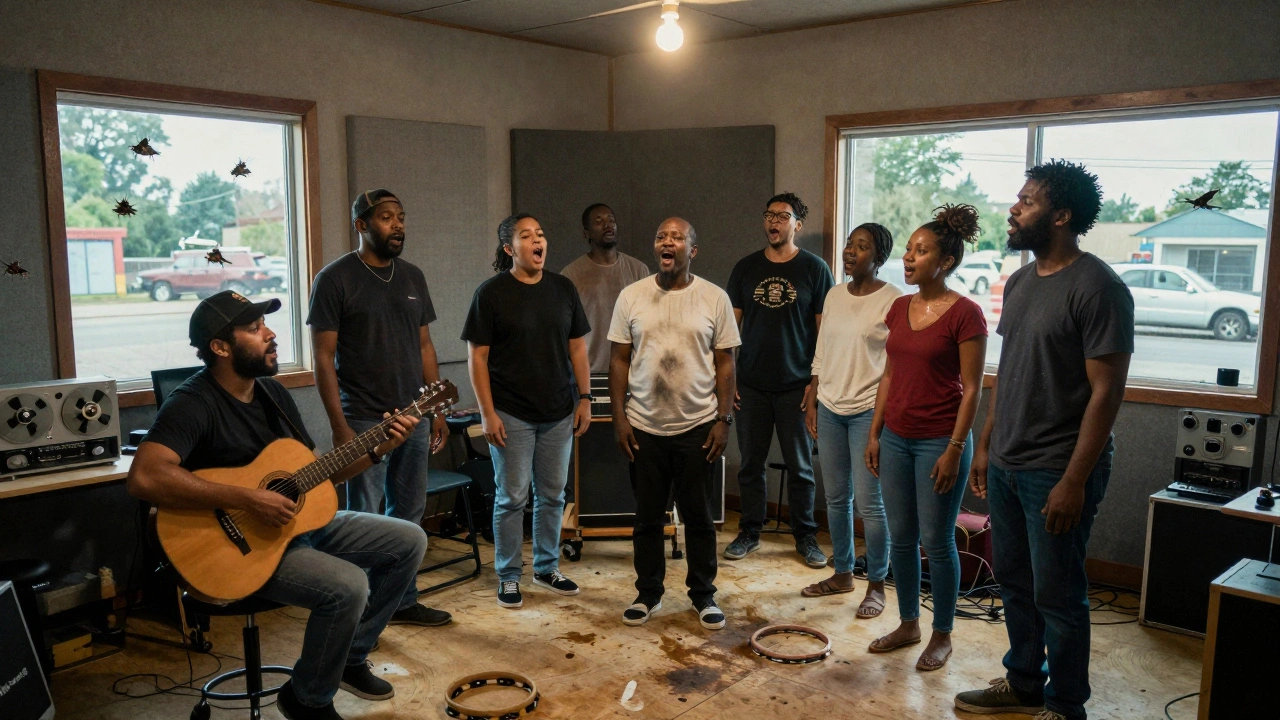
Before Revelation, the last gospel blues album to hit number one on the Billboard Top Gospel Albums chart was in 2009. And even then, it was a polished, choir-heavy record with orchestral strings. Revelation had none of that. It was recorded live in a converted gas station turned studio, with the windows open so you could hear crickets and distant car horns.
Its climb was slow. No radio promotion. No paid ads. Just word of mouth. A pastor in Memphis played it during Sunday service and asked people to download it. A blues historian in Chicago posted a 10-minute breakdown on YouTube. A college student in Atlanta made a TikTok video of her grandmother crying while listening - and it got 4.2 million views.
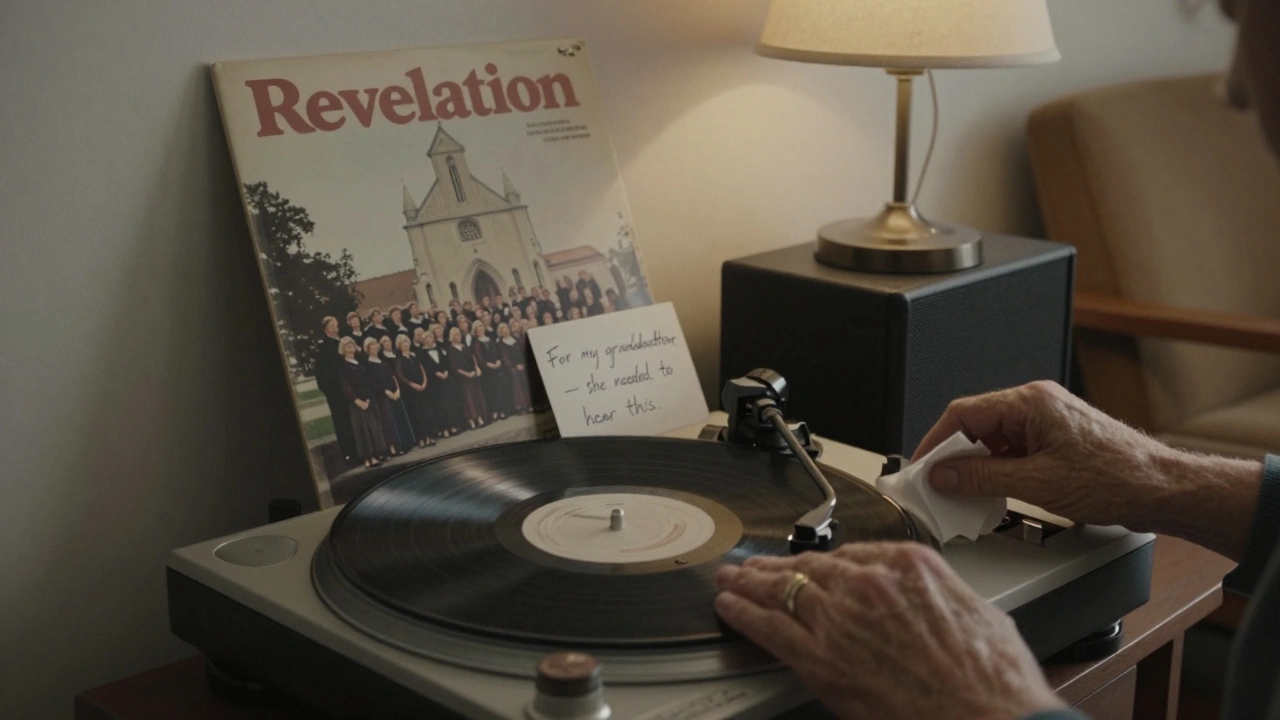
By January 2026, it was number 17. By February, number 3. On February 28, it hit number one. Not because of streaming numbers alone - it had only 12.4 million streams - but because of album sales. Over 38,000 physical copies were sold. People bought CDs. They bought vinyl. They bought them for their grandparents. For their pastors. For their friends who needed to hear it.
The Sound: Raw, Real, and Rooted
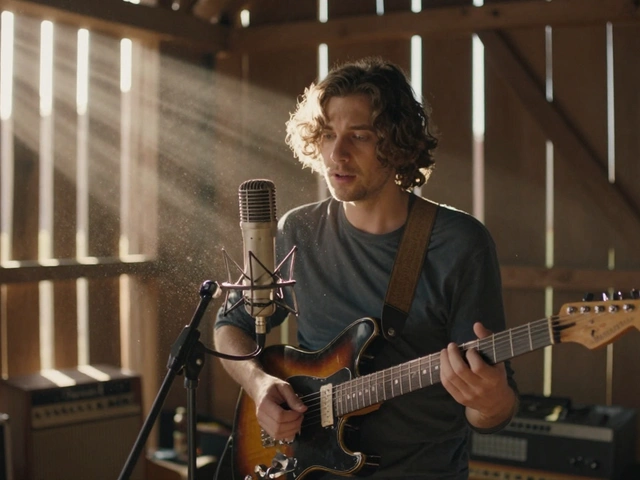
What made Revelation work wasn’t just the emotion - it was the authenticity of the sound. The album was made using only analog equipment: a 1970s Studer tape machine, a Shure SM57 mic, and a pair of vintage AKG headphones. No plugins. No edits. If someone coughed? It stayed in. If a dog barked during ‘Heaven’s Door’? That’s the version they released.
The instrumentation was minimal but deliberate. Slide guitar was tuned to open G, the way Muddy Waters taught it. The bass line was played with fingers, not a pick, so it thumped like a heartbeat. The choir didn’t rehearse in perfect harmony - they sang the way they always had: some flat, some sharp, all sincere. That’s what made it feel alive.
Music critics called it ‘a miracle of imperfection.’ One reviewer wrote: ‘This isn’t gospel blues for the stage. This is gospel blues for the soul.’
Who Is The Mount Zion Choir?
Before Revelation, most people had never heard of The Mount Zion Choir. They weren’t signed to a label. They didn’t have a manager. They were a group of seven people - five singers, one guitarist, and a 16-year-old tambourine player named Marisol - who met every Wednesday night at the Mount Zion Missionary Baptist Church in Birmingham.
Their rehearsals weren’t scheduled. They happened when someone showed up. Sometimes five people. Sometimes 12. Sometimes just Lillian and the guitarist, playing through old hymns while the rain poured through the leaky roof. They recorded Revelation over five nights in late 2024, after the church raised $1,800 through a GoFundMe to buy tape reels.
There’s no press kit. No website. No Instagram. Just a phone number listed in the liner notes: ‘Call if you need to talk.’ Over 11,000 people have called it since the album dropped. Volunteers answer. Sometimes they pray with the caller. Sometimes they just listen.
Why This Matters Now
In 2026, music is fast. Algorithms pick what you hear. Influencers tell you what’s cool. But Revelation didn’t chase trends - it reminded people of something they’d forgotten: that music doesn’t need to be perfect to be powerful.
It also showed that gospel blues isn’t a relic. It’s a living language. One that still speaks to grief, to hope, to the quiet moments between prayers. It’s the sound of people who’ve been told their stories don’t matter - and then proved they do.
After Revelation hit number one, the church in Birmingham got a letter from a man in Detroit. He wrote: ‘I haven’t sung since my wife died. I played your album last night. I sang along for the first time in three years. Thank you.’
What’s Next?
There’s no tour planned. No new album in the works. The choir says they’re just waiting to see who shows up next Wednesday. But the impact? It’s spreading. A high school in Nashville started a gospel blues class. A nonprofit in New Orleans is using the album to help veterans process trauma. And in a small studio in Portland, a producer just bought a 1971 Studer machine - the same one used for Revelation.
The album didn’t change the music industry. It reminded it what music was meant to be.
What is gospel blues?
Gospel blues is a musical style that blends the spiritual themes and vocal styles of traditional gospel music with the chord progressions, instrumentation, and emotional rawness of Delta blues. It often features call-and-response vocals, slide guitar, hand percussion, and lyrics that speak to suffering, redemption, and faith. Artists like Washington Phillips, Sister Rosetta Tharpe, and Reverend Gary Davis helped shape it in the early 20th century.
Why did 'Revelation' succeed when other gospel blues albums didn't?
Most gospel blues albums are either overly polished or too niche to reach mainstream audiences. 'Revelation' succeeded because it didn’t try to be either. It was recorded with no filters, no edits, and no marketing. Its power came from its honesty - people recognized real pain and real hope in the music. It wasn’t promoted; it was passed along. And in a world full of curated perfection, that felt revolutionary.
Is 'Revelation' the first gospel blues album to hit number one?
No. The last gospel blues album to top the Billboard Top Gospel Albums chart was in 2009 - but it was a modern, choir-driven record with orchestral backing. 'Revelation' was the first to reach number one with a raw, unedited, acoustic, and deeply rooted gospel blues sound since the 1970s. Its success marked a return to the genre’s original spirit.
Where was 'Revelation' recorded?
It was recorded live over five nights in a converted gas station in Birmingham, Alabama, that the choir had turned into a makeshift studio. The building still had the original pump handles and oil stains on the floor. The windows were left open so the recording picked up natural sounds - crickets, distant traffic, rain. The producer said it was the most alive studio he’d ever worked in.
How many physical copies of 'Revelation' were sold?
Over 38,000 physical copies were sold in the first three months after release - 27,000 on vinyl and 11,000 on CD. Many buyers said they purchased multiple copies to give to friends, family, and church groups. Sales continued to grow even after the album hit number one, which is rare in today’s streaming-dominated market.