Great recordings often depend on more than just raw talent. They require someone with the vision to shape chaos into harmony. When you walk into a professional studio, the energy shifts because the bandleader has arrived. For decades, Robert Hill has stood out as a master of this craft. He does not just play; he guides. His approach to directing musicians creates a unique dynamic between creativity and discipline. Understanding his methods reveals why some sessions fly off the ground while others drag on for days.
The Core of Musical Leadership
Being a bandleader is different from being a performer. While a performer focuses on their instrument, a leader focuses on the group sound. A bandleader manages the creative process, making decisions about arrangements, tempo, and emotional delivery. They act as the bridge between the written score and the final recording. Robert Hill treats the studio like a living room, a place where musicians feel safe enough to take risks. This safety allows for authentic performances. If players feel judged, they play tight and stiff. If they feel supported, they play loose and emotional.
Hill emphasizes the concept of listening before speaking. In many studios, producers speak too early, dictating changes before the band has found its groove. Hill waits. He lets the first pass happen, then offers one specific adjustment. This restraint builds trust. Musicians respect leaders who value their input rather than treating them as robots. It is about collaboration, not command.
Techniques for Directing Musicians
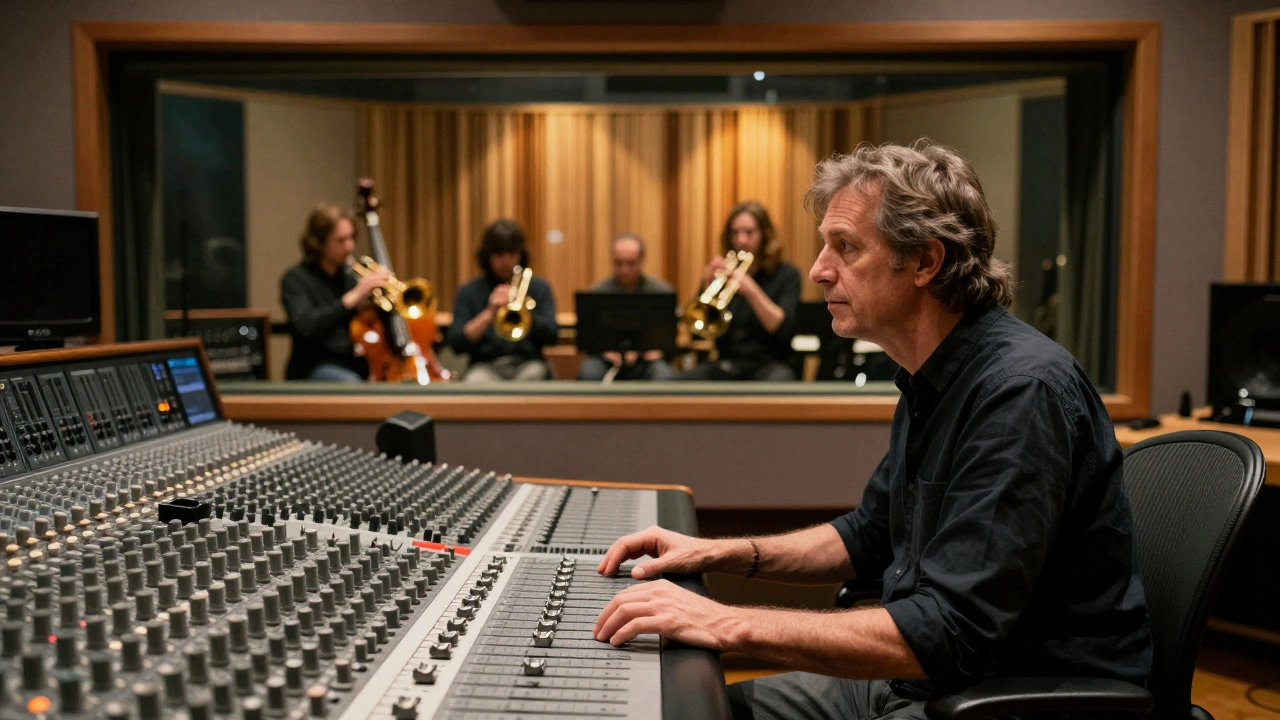
The actual mechanics of directing in the control room require a specific set of skills. It involves knowing when to step back and when to intervene. Robert Hill utilizes a technique called the 'Single Point Correction.' Instead of listing five things to fix, he highlights the one change that will unlock the rest of the performance. This prevents overwhelming the players. It keeps their mental bandwidth focused on the music, not on a list of demands.
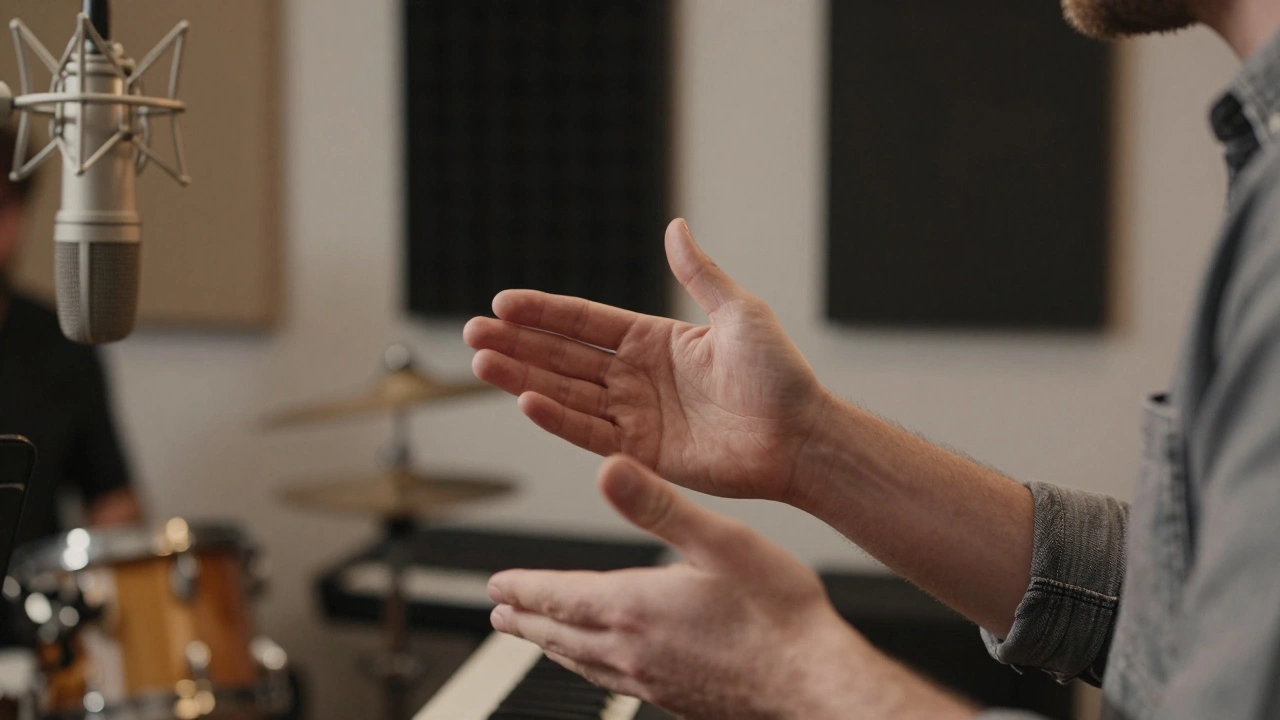
- Non-verbal Cues: Using hand signals to indicate dynamics without breaking the flow of the track.
- Reference Listening: Bringing up similar tracks that match the desired vibe to align expectations quickly.
- Tone Matching: Adjusting vocal tone to keep instructions encouraging rather than critical.
This approach minimizes friction. When a guitarist plays a solo, a bandleader knows that stopping after every note ruins the momentum. Hill lets the solo breathe. He captures the takes. Later, during playback, he suggests minor tweaks. This preserves the energy of the initial inspiration. Inspiration is fragile; technical perfection can wait until the edit phase.
The Studio Environment and Acoustics
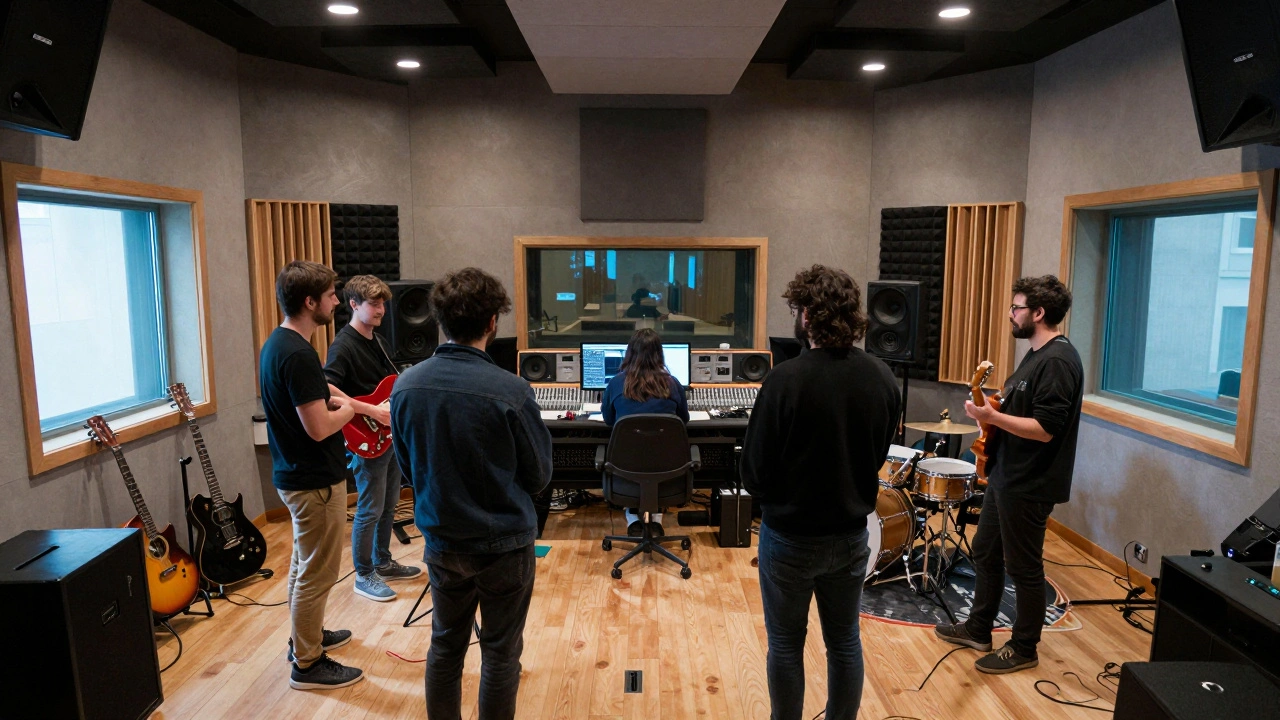
The physical space matters immensely for the director. A studio is not a concert hall. The acoustics change how sound travels and how musicians hear themselves. Studio Recording relies on isolation booths and live rooms designed for precision. Hill understands these spaces intimately. He positions musicians to maximize interaction. Sometimes, placing the drummer behind glass kills the visual connection with the bassist. Hill removes the glass when possible. Sound isolation is vital, but eye contact creates chemistry.
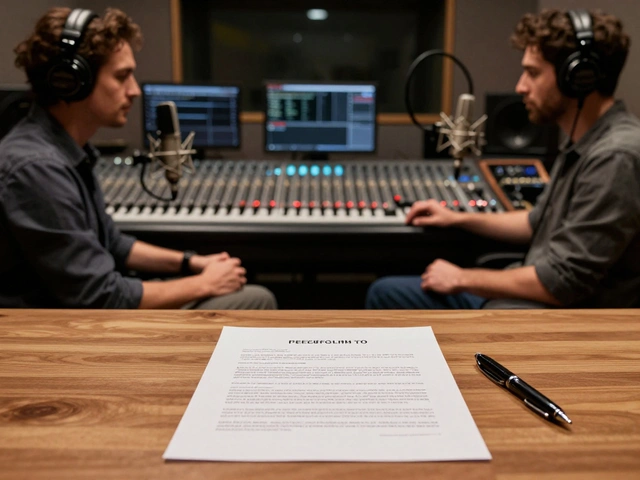
He also manages the equipment setup with care. A bad microphone placement makes a good player sound bad. No amount of direction can fix a muddy signal. By ensuring the technical team is aligned with the artistic vision, he saves hours of mixing time later. The engineer becomes part of the ensemble. Hill treats the engineer as another musician in the room. This unity streamlines the workflow.
Managing Group Dynamics
One of the hardest jobs is balancing egos. Everyone in the studio thinks they know best. The singer wants louder vocals; the keyboardist wants more synths. Hill mediates these desires with fairness. He asks each member what they need to feel good about their part. Then, he synthesizes those needs into a cohesive arrangement. Sometimes, this means cutting a cool guitar lick to let the drums shine.
| Aspect | Traditional Director | Collaborative Leader (Hill Style) |
|---|---|---|
| Communication | Strict instructions | Guided suggestions |
| Mistake Handling | Stop immediately to retake | Note and fix in post-production |
| Focus | Technical perfection | Emotional performance |
| Atmosphere | Formal and tense | Casual and safe |
Creating this collaborative atmosphere requires patience. Newer producers often rush to get it right now. Experienced leaders know that the best take often comes twenty minutes into a session, after the nerves settle. Hill encourages taking breaks. Water breaks, stretching, stepping outside for air. Physical relaxation leads to musical relaxation. Tense bodies produce tense sounds.
Historical Context and Evolution
Looking at the history of production, the role of the bandleader has shifted significantly. In the 1970s, bands recorded live off the floor. In the late 90s, everything was tracked separately. Modern Production blends both worlds. Digital audio workstations allow for endless editing, but they also tempt engineers to over-correct. Hill remains grounded in analog principles even when using digital tools. He prioritizes getting the best sound at the source rather than relying on fixes later.
This philosophy keeps the music human. Over-editing strips away the 'feel' that listeners connect with. Slight imperfections add character. A slightly rushed beat can drive a song better than a mathematically perfect metronome click. Hill teaches his teams to distinguish between mistakes and stylistic choices. Not every deviation is an error. Some deviations are soul.
Legacy and Educational Impact
Hill's work has influenced countless young producers who study his methods. Workshops often cite his interviews on managing session logistics. Students learn that preparation is half the battle. Knowing the song inside out before entering the booth saves time. But preparation also means preparing the people involved. Sending reference tracks early helps everyone arrive ready to collaborate. It removes the anxiety of not knowing the material.
Beyond the technical advice, the core lesson remains about empathy. You cannot direct a performance you do not understand emotionally. Hill immerses himself in the narrative of the song. Why does this lyric matter? What story is this melody telling? When the leader tells the story with conviction, the instruments follow suit. The recording captures that shared understanding. That is the secret to a timeless track.
Applying These Principles Today
If you are stepping into a leadership role in your own projects, start small. Practice active listening. Let your collaborators finish their ideas before offering feedback. Set a standard of kindness in your communication. People remember how you made them feel during the pressure of a deadline. If you build a reputation for positive sessions, better artists will want to work with you. Quality follows environment.
Furthermore, invest in the basics of acoustics. Treat your home studio well. Bad room treatment creates doubt in the performers. They second-guess their hearing. Good acoustics give them confidence. Confidence is contagious. As you adopt these structural elements, your ability to direct improves naturally. Leadership is a skill, not just a title.
What makes Robert Hill different from other bandleaders?
His unique approach focuses on psychological safety and single-point correction, allowing musicians to perform with less anxiety and more emotional depth.
Can these directing techniques work in a home studio?
Yes, communication styles and group management strategies apply regardless of budget. However, acoustic treatment still impacts the perceived quality of the recording.
How important is the engineer in this process?
The engineer is considered part of the ensemble. Their ability to translate technical cues supports the bandleader's artistic vision effectively.
Does Robert Hill prefer live recording or overdubs?
He favors capturing the core performance live off the floor whenever possible to maintain group chemistry, using overdubs sparingly for polish.
What is the single biggest mistake new directors make?
Trying to correct too many things at once. This overwhelms the artist and stalls progress. Focusing on one key element is far more effective.