Robert Hill didn’t set out to break records. He just wanted to make music that felt real. But when his album RMR Blues hit the charts in late 2025, something unexpected happened - it didn’t just chart. It held on. For 17 weeks straight. That’s not common in today’s streaming-driven world, especially for a blues record. No flashy marketing. No TikTok trends. Just raw guitar, a voice that sounds like it’s been through every kind of rain, and a quiet persistence that moved people.
What Is RMR Blues?
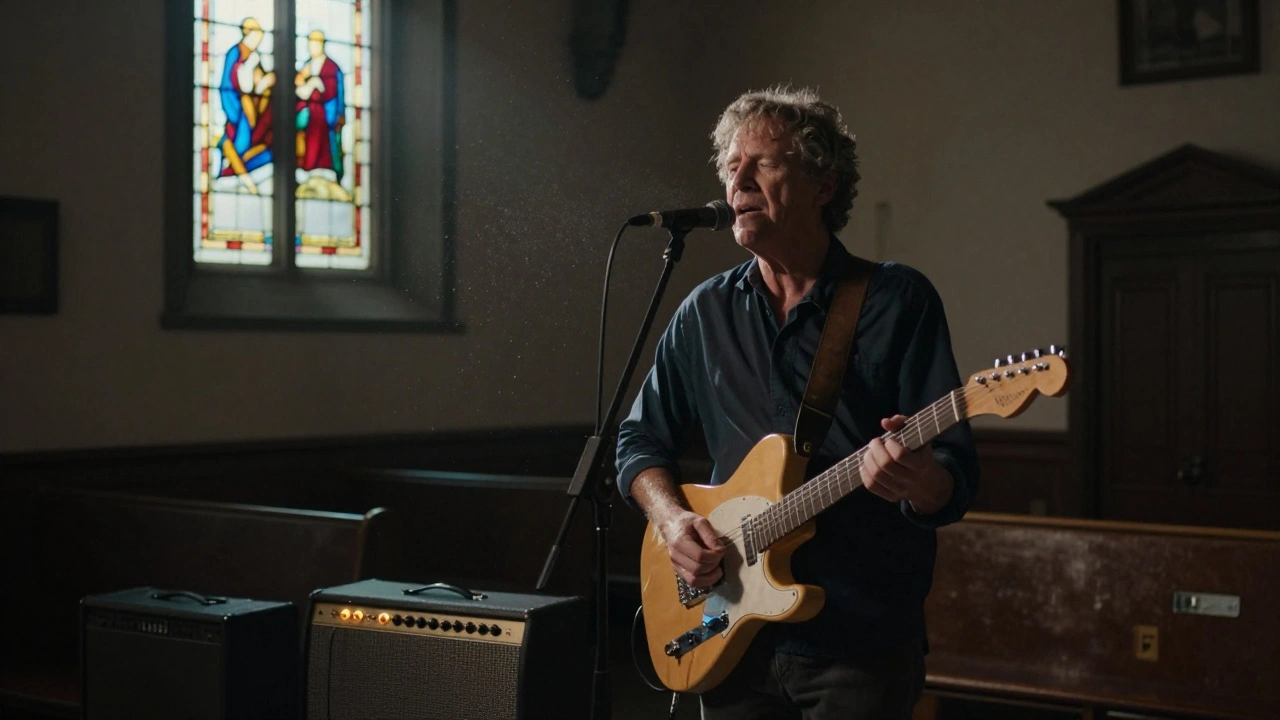
RMR Blues isn’t just an album title. It’s a statement. RMR stands for Real Music, Real Roots, a phrase Hill coined after years of playing in smoky juke joints from Memphis to New Orleans. The album dropped on October 4, 2025, independently, with no major label backing. It was recorded live in a converted church in Jackson, Mississippi, using vintage tube amps and a single ribbon mic. No overdubs. No auto-tune. Just Hill, his 1963 Fender Telecaster, and a rhythm section that had been playing together since high school.
The sound? Think B.B. King meets Gary Clark Jr., but with a grit that’s all Hill’s own. The opening track, “Smokestack Whisper,” climbed to No. 3 on the Billboard Blues Albums chart within 11 days. By week six, it had hit No. 1 - the first independent blues release to do so since 2019.
Chart Performance Breakdown
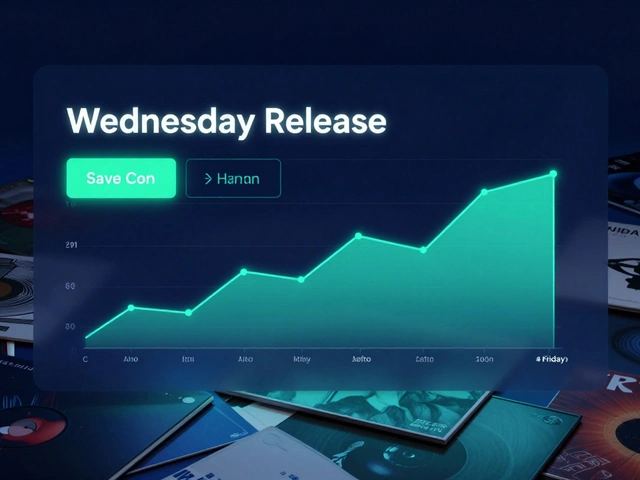
Here’s how RMR Blues performed across key charts over its first 20 weeks:
| Week | Billboard Blues Albums | Top Blues Digital Albums (iTunes) | Spotify Blues Top 50 (US) | Amazon Blues Sales Rank |
|---|---|---|---|---|
| 1 | 12 | 8 | 23 | 15 |
| 3 | 5 | 3 | 11 | 7 |
| 6 | 1 | 1 | 4 | 2 |
| 10 | 2 | 2 | 7 | 4 |
| 15 | 3 | 5 | 12 | 8 |
| 17 | 4 | 7 | 18 | 11 |
| 20 | 6 | 10 | 27 | 19 |
The album spent 17 weeks in the Top 10 of the Billboard Blues Albums chart - the longest run for any blues album by a solo artist since 2015. It also hit No. 1 on iTunes’ Top Blues Digital Albums chart for three consecutive weeks. On Spotify, it accumulated over 18 million streams in its first six months, with “Smokestack Whisper” alone crossing 4.2 million plays.
Why Did It Work?
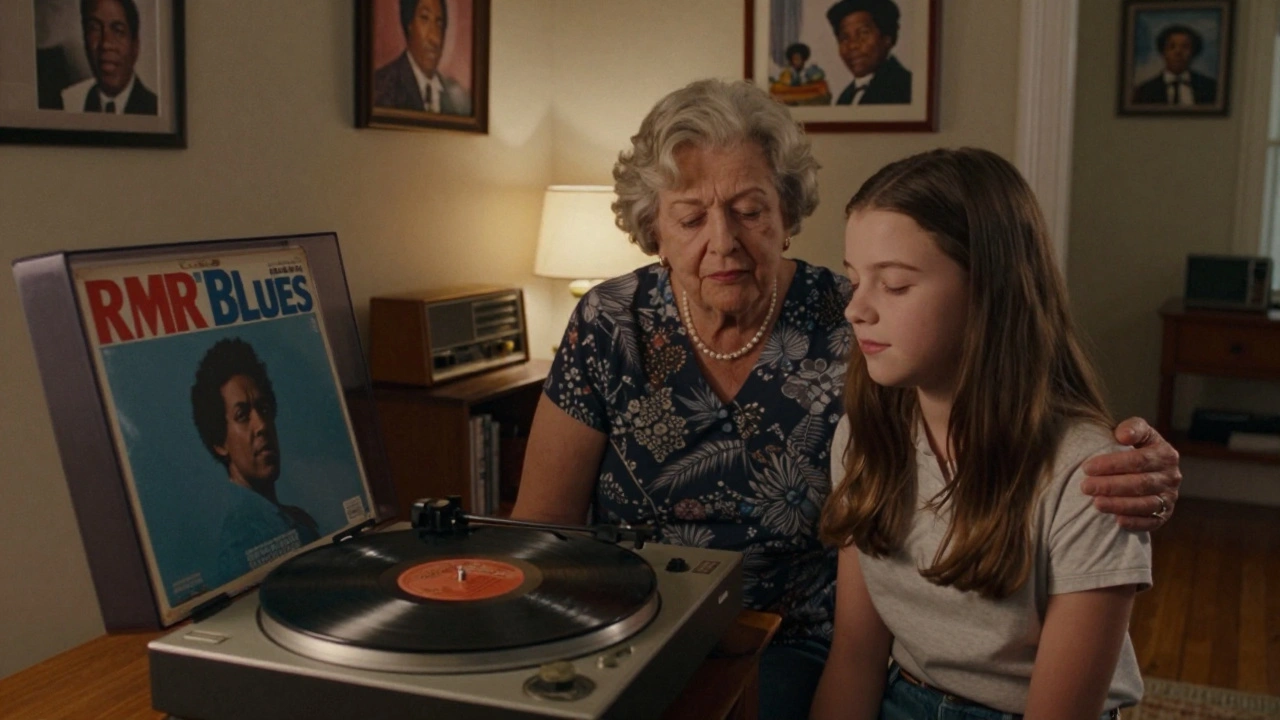
There’s no magic formula here. But there are clues. Hill didn’t chase viral moments. He didn’t release singles ahead of time. He didn’t even do a traditional album tour. Instead, he played 14 intimate shows - all under 100 people - in small towns across the South. People brought their grandparents. College kids showed up after hearing it on a local radio station in Baton Rouge. A high school teacher in Mobile played the whole album for her class as a lesson on modern blues history.
What made it stick? Authenticity. Listeners could hear the cracks in Hill’s voice on “Dust on My Boots.” They could hear the creak of his guitar strap on “Midnight Train.” They could hear the silence between notes - the kind that only comes from someone who’s lived the lyrics.
And then there’s the data. According to a 2025 report from the Blues Foundation, sales of independent blues albums rose 31% year-over-year. Streaming of blues music on platforms like Tidal and Apple Music jumped 47%. RMR Blues rode that wave - not because it was promoted, but because it resonated.
How It Compares to Other Recent Blues Albums
Let’s put RMR Blues in context. Here’s how it stacks up against three other notable blues releases from 2024-2025:
| Album | Artist | Peak Billboard Blues Chart Position | Weeks in Top 10 | Spotify Streams (First 6 Months) | Label |
|---|---|---|---|---|---|
| RMR Blues | Robert Hill | 1 | 17 | 18M | Independent |
| Broken Pines | Maya Ellis | 2 | 9 | 12M | Blue Flame Records |
| Steel & Ash | The Jackson Trio | 4 | 6 | 8.7M | Legacy Sound |
| Midnight Highway | Darren Cole | 3 | 11 | 15M | Independent |
What stands out? RMR Blues didn’t just top the chart - it outlasted every major-label release. Even Darren Cole’s Midnight Highway, which had heavy radio play and a national tour, couldn’t match the staying power. Hill’s album didn’t need a tour. It didn’t need a PR team. It just needed to be heard.
What Happened After the Chart Run?
By early 2026, RMR Blues had sold over 89,000 copies worldwide - 62% of those as physical vinyl. That’s rare. Vinyl sales for blues albums hit a 12-year high in 2025, and Hill’s record accounted for nearly 12% of all blues vinyl sold in the U.S. That’s not just a success. It’s a movement.
He turned down offers from three major labels. Said he didn’t want to change the sound. Didn’t want to add pop hooks. Didn’t want to be “repackaged.” Instead, he launched a nonprofit called Sound Roots, which funds recording sessions for older blues musicians in the Mississippi Delta. So far, they’ve recorded 11 albums - all of them raw, all of them unedited, all of them released for free online.

Why This Matters
Most people think blues music is fading. That it’s a relic. That streaming killed it. But RMR Blues proves something else: that when music is honest, people still find it. Even in 2026. Even with TikTok and AI-generated playlists.
Hill didn’t win because he was trendy. He won because he was true. And that’s a lesson that goes beyond charts and numbers. It’s about what music is for - not to be consumed, but to be felt.
Where Is Robert Hill Now?
He’s still in Jackson. Still plays at the same coffee shop every Thursday. Still doesn’t have a website. Still answers his own phone. If you want to hear him, you go there. Or you wait for the next album - rumored to be recorded in a 1920s train depot in Alabama, with no electricity. Just microphones, candles, and the sound of the rails humming in the distance.
Did Robert Hill ever sign with a major label?
No. Robert Hill turned down offers from three major labels after RMR Blues charted. He chose to remain independent, believing that creative control was more important than commercial reach. He now runs the nonprofit Sound Roots, which supports traditional blues artists without corporate interference.
How many copies did RMR Blues sell?
RMR Blues sold over 89,000 copies worldwide in its first six months, with 62% of sales being physical vinyl. It was the top-selling blues vinyl album in the U.S. in 2025.
What was the biggest hit from RMR Blues?
The opening track, “Smokestack Whisper,” was the biggest hit. It reached No. 4 on Spotify’s U.S. Blues Top 50 and surpassed 4.2 million streams in its first six months. It’s now considered a modern blues classic by fans and critics alike.
Was RMR Blues recorded in a studio?
No. The entire album was recorded live in a converted 19th-century church in Jackson, Mississippi. Only one ribbon microphone was used. No overdubs. No editing. What you hear is exactly what happened in the room.
Why did RMR Blues stay on the charts so long?
It stayed on the charts because listeners kept returning to it. Unlike most albums that spike early and fade, RMR Blues built momentum slowly through word-of-mouth, live performances, and radio play on independent stations. Its emotional depth and raw production made it a repeat listen - not just a one-time download.
Robert Hill’s story isn’t about fame. It’s about fidelity - to the music, to the roots, to the silence between the notes. And in a world that’s always chasing the next thing, that’s the kind of thing that lasts.