You drop the needle on that crisp new pressing of "Revelation," and the crackle starts before the first note hits. Or do you just hit play on your 24-bit stream, waiting for absolute silence before the intro swells? As we move through early 2026, the debate isn't just nostalgia anymore. It is about how information travels from the studio to your ears. If you are holding the physical copy of "Revelation" right now, wondering why it sounds so different from the version on your phone, you have come to the right place. We need to talk about the physics of sound reproduction.
The Physics of the Medium
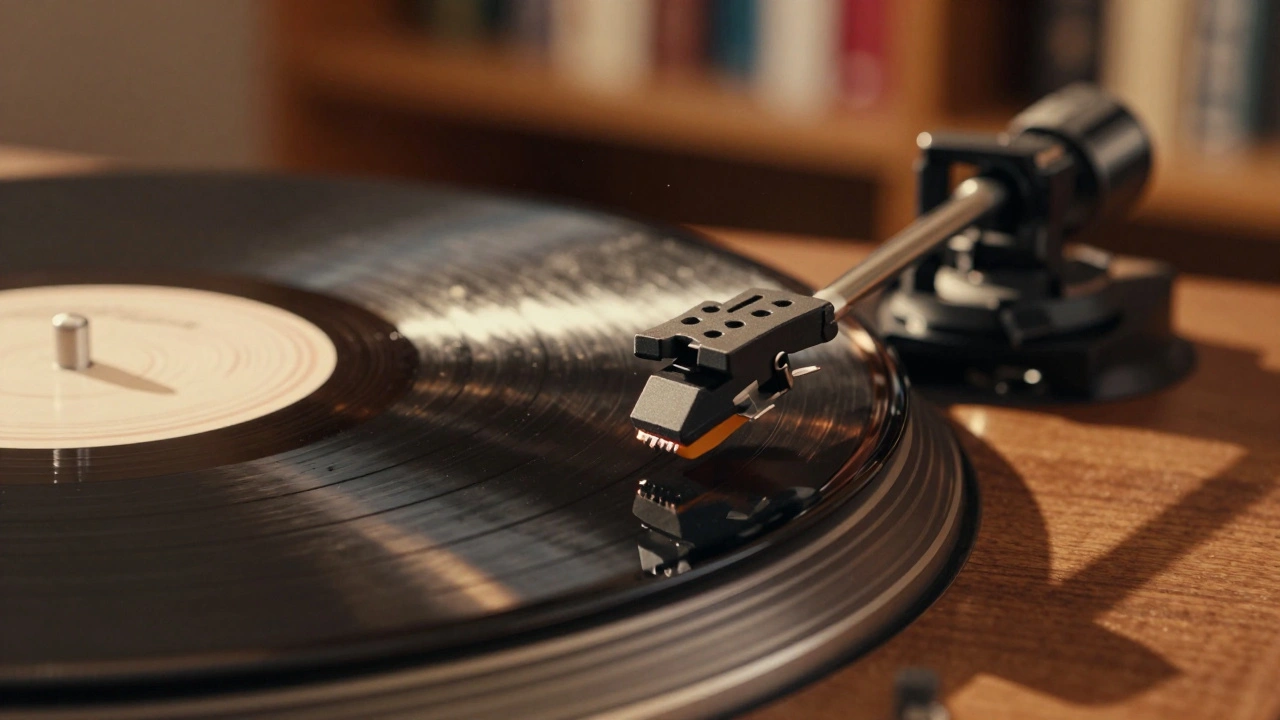
At its core, a Vinyl Recordis an analog storage medium that encodes sound waves as physical grooves is a physical object. Think of it like drawing a waveform in a trench. A stylus moves through that trench, bouncing up and down to mimic the vibration of air. On the other hand, Digital Audiorepresents sound using discrete numerical values sampled at regular intervals is a mathematical approximation. When you listen to the digital version of "Revelation," you are hearing a grid of data points reconstructed by a processor.
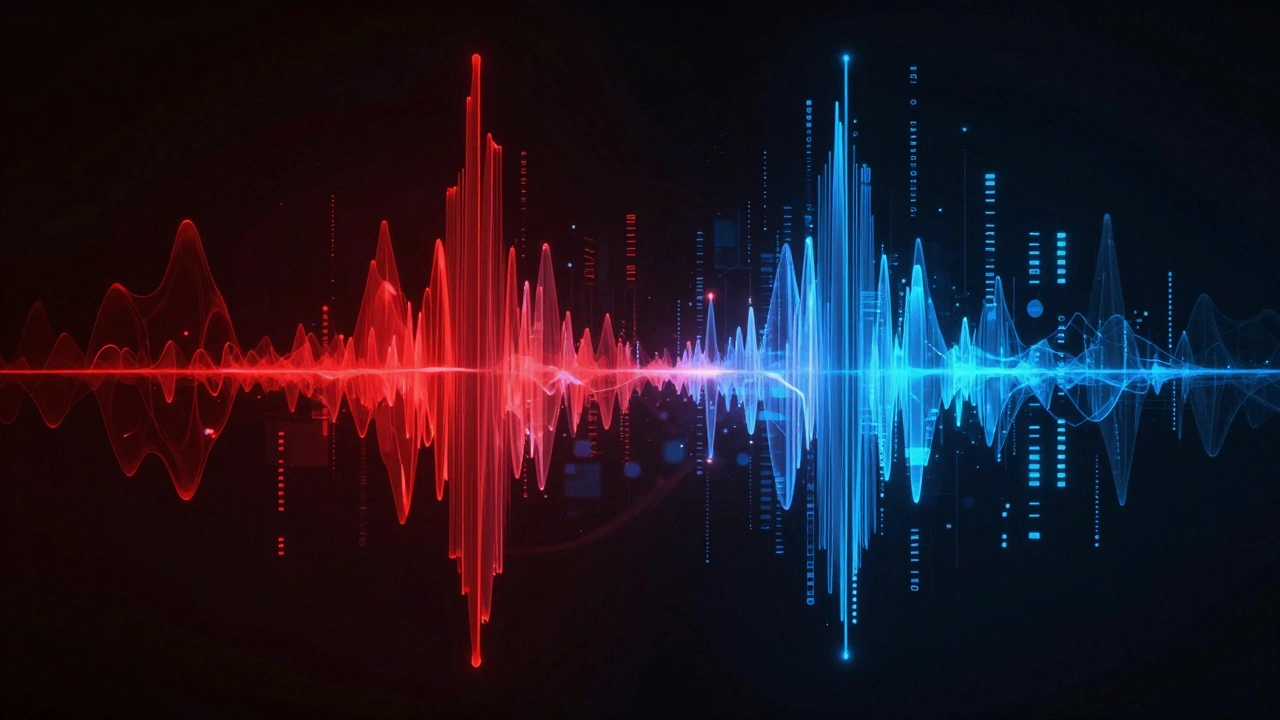
This fundamental difference changes everything. Analog signals are continuous. They capture every nuance of the microphone input in real-time. There is no sampling rate cutting off frequencies above 20kHz because those frequencies simply exist in the groove geometry. Digital audio, even high-resolution file types found on modern platforms in 2026, must decide how many times per second to take a snapshot of the wave. That snapshot rate is the sample rate. While higher rates get closer to reality, they can never perfectly replicate the smooth curve of an analog signal.
The Mastering Gap
Often, when people say one version sounds better than the other, they are actually hearing different masterings. Studios rarely cut the exact same mix onto both vinyl and CD. Why? Because vinyl has physical limitations. Bass frequencies on a record require wide grooves. If the bass is too deep or loud, the stylus literally jumps out of the groove.
To prevent this, engineers often compress the low end specifically for the LP Pressingthe process of manufacturing vinyl records from lacquer cuts. Meanwhile, the digital file might retain that full, thumping bass because it doesn't worry about groove width. For an album like "Revelation," which features heavy percussion tracks, this distinction matters immensely. You might hear tighter snare definition on the digital version because the engineer was free to push limits during the Masteringthe final stage of audio post-production preparing a collection of audio tracks session. Conversely, the vinyl version might sound warmer and less fatiguing because it avoids the extreme compression often found in the "Loudness Wars" era of MP3 streaming.
Frequency Response and Noise Floor
Let's look at the actual numbers. A standard redbook CD plays back at 16-bit/44.1kHz. This handles frequencies up to 22kHz, which exceeds human hearing. Vinyl typically rolls off naturally around 15-20kHz depending on the quality of the press. However, high-end audiophile vinyl presses in 2026 are hitting much higher fidelity standards. They manage to extend the high-frequency response significantly further than average.
Where digital wins is the noise floor. Vinyl always has some level of background hiss. Even in a silent passage of "Revelation," there is surface noise. It creates a texture that some listeners describe as presence. Digital silence is true silence. There is zero background noise until a sound occurs. If you value purity and clarity, digital offers a cleaner canvas. If you prefer the organic feel of a room, the mechanical imperfection of the vinyl becomes part of the music itself.
| Feature | Vinyl Record | Digital File (Hi-Res) |
|---|---|---|
| Signal Type | Analog (Continuous) | Digital (Sampled) |
| Frequency Range | ~15Hz - 20kHz | ~5Hz - 100kHz+ |
| Noise Floor | Visible Hiss/Pop | Negligible/None |
| Bass Handling | Limited by Groove Physics | No Physical Limitations |
| Playback Wear | Degrades Over Time | Zero Degradation |
DAC Technology in 2026
You cannot judge digital audio fairly without looking at your hardware. The Digital-to-Analog Convertera device that converts digital signals into analog waveforms acts as the bridge between your computer and your speakers. In 2026, budget DACs are incredibly sophisticated. Many smartphones now include built-in converters that handle DSD files natively, eliminating the jitter issues of the past decade.
If your setup relies on Bluetooth, you are introducing compression. Wireless transmission forces data reduction to fit bandwidth limits. Using a wired connection or a high-bitrate codec is essential to match the resolution of a vinyl rip. When comparing "Revelation" digitally, ensure you aren't listening to a compressed AAC file from a free tier service. The lossy compression algorithms remove data based on psychoacoustics, discarding frequencies they think you won't hear. Lossless formats preserve the integrity of the original recording chain.
The Cost of Ownership
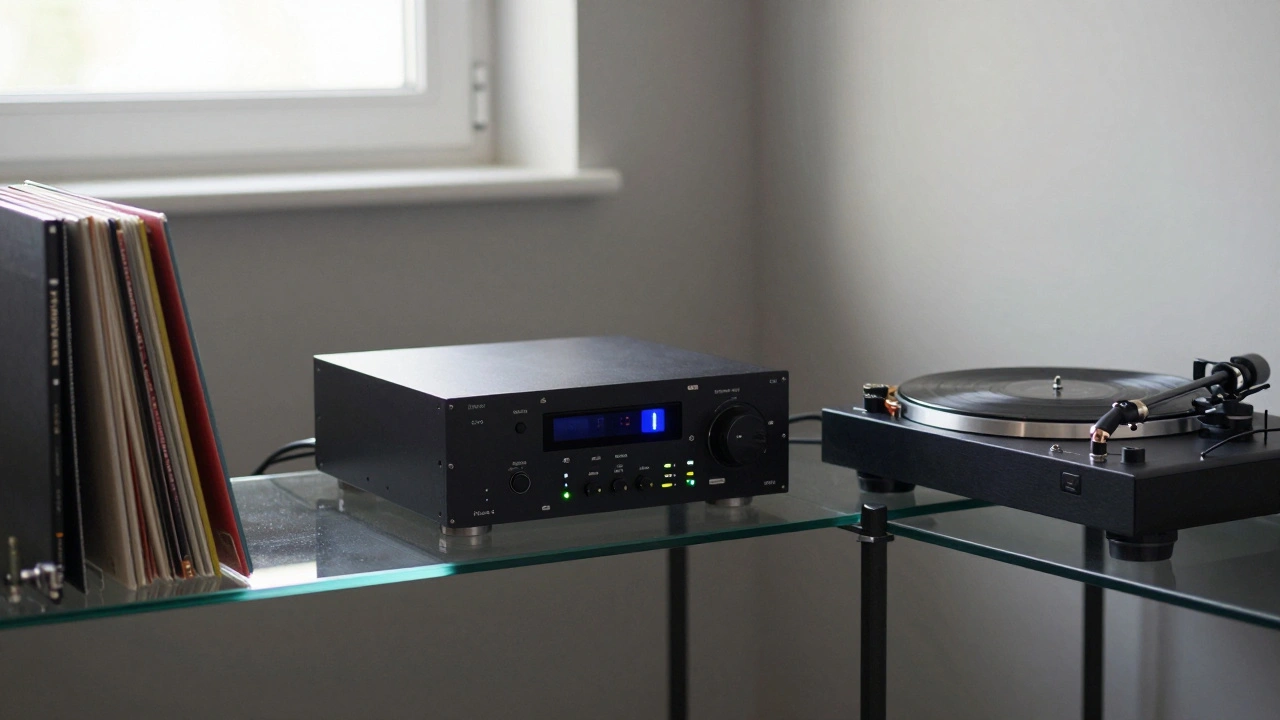
Let's be practical about the wallet. Buying the vinyl edition of "Revelation" costs significantly more upfront than downloading it. You also need a turntable, amplification, and phono preamps. Maintaining these devices requires regular cleaning and occasional stylus replacement. Dust management becomes a lifestyle choice. One drop of dust on the stylus can damage the record permanently.
Digital ownership is simpler. You pay once for the file or subscribe to a high-quality tier. Storage is cheap; you don't need shelves for albums. However, subscription models rely on licensing. If a label pulls rights, the album disappears from your library. With vinyl, the data is etched into plastic. As long as the discs survive physical decay, the music exists independently of internet servers or corporate policies. Long-term preservation favors the physical medium.
Dynamic Range Preservation
Dynamic range measures the distance between the quietest and loudest parts of a recording. Vinyl is notoriously forgiving of dynamic range but struggles with peak levels. It physically cannot hold extreme transients without skipping. Consequently, producers often tame the loudest peaks for vinyl, leaving headroom. Digital formats can store peaks right up to the maximum digital limit (0dBFS).
For "Revelation," which contains sudden orchestral swells, the vinyl mix might offer a smoother transition during loud sections. It softens the impact slightly to protect the playback mechanism. This can sound softer but less aggressive. The digital version preserves the sharp attack of cymbals and drums exactly as mixed. If you enjoy the raw energy of live instrumentation, digital delivers the full impact. If you want a relaxed listening session that fits easily in a living room setting without fatigue, the analog version often wins.
The Ritual Factor
There is a psychological component to sound. Playing a record demands attention. You have to take the sleeve, brush off the dust, lower the arm, and flip the side halfway through. This slows you down. It forces active listening. Streaming encourages passive consumption. You can scroll past "Revelation" while checking emails.
When you are committed to the ritual, your brain perceives the audio differently. Studies suggest that the engagement of the listener improves the perceived quality of the sound. Is the vinyl objectively louder or clearer? No. But the experience feels more intimate. The large album artwork provides visual context that connects the imagery to the auditory experience. Small thumbnails on a screen do not provide the same immersion.
Verdict: Which Version Should You Choose?
If you prioritize convenience, portability, and sonic transparency, get the digital version. Download the highest bit-depth available, ideally FLAC or DSD, and use a good set of wired headphones. This ensures the purest reproduction of the digital signal. If you value the tactile experience, the warm mid-range tones, and the collectible nature of music ownership, buy the vinyl. Be prepared to invest in decent equipment to unlock its potential. Both formats serve different purposes in your listening journey. The best system is often one that offers options.
Does vinyl degrade faster than digital?
Yes, every time you play a vinyl record, the stylus wears down the grooves slightly. Over thousands of plays, detail loss becomes noticeable. Digital files suffer zero degradation regardless of how many times you play them, assuming the storage drive does not fail.
Is vinyl truly analog or is it just processed digitally?
The playback is analog, but modern mastering often uses digital tools to create the lacquer cut. Pure analog chains exist but are rare. Most modern vinyl goes through digital processing before being pressed, meaning it is a hybrid process.
Why does vinyl sound warmer than digital?
This is mostly due to reduced high-frequency harshness and harmonic distortion added by the playback chain. The physical limitations prevent extreme treble spikes, resulting in a rounded, warm signature compared to the clinical precision of digital.
Can I rip my vinyl to digital effectively?
Yes, using a USB turntable or external ADC. However, the result captures the current state of the record including wear. It will not sound identical to the original digital master files held by the studio.
Which format preserves the dynamics of "Revelation" best?
Digital generally preserves wider dynamic range because it is not limited by the physical groove constraints of vinyl which require dynamic compression to prevent skipping on loud passages.