
When a public figure like Robert Hill is mentioned in the news, the story doesn't end with the headline. It continues in how that coverage is tracked, verified, and credited. This process is called press attribution. It’s the backbone of transparent communication. Without it, you can’t tell if a claim comes from a reputable source or a rumor mill. For anyone managing Robert Hill’s reputation, or researching his public footprint, getting this right matters.
You might wonder why attribution feels so technical. It isn’t just about slapping a URL at the bottom of a post. It’s about establishing a chain of custody for information. Did the outlet report on Hill directly? Did they quote him? Or did they just repeat what someone else said? The difference changes everything. Accurate attribution builds trust. Bad attribution spreads confusion. Let’s look at how to do it right.
Why Press Attribution Matters for Public Figures
Public figures live under a microscope. Every word they say gets picked up, analyzed, and often twisted. Robert Hill is no exception. Whether he is a politician, an artist, or a business leader, his name carries weight. When outlets cover him, they are adding to his digital legacy. But not all coverage is equal. A major newspaper reporting on Hill’s policy stance carries different weight than a blog post speculating about his personal life.
Attribution helps you separate signal from noise. It allows you to verify sources before sharing information. If you are a journalist, it protects your credibility. If you are a PR professional, it helps you measure campaign success. If you are a researcher, it ensures your data is clean. In short, press attribution is the quality control mechanism for public discourse. Without it, we are just shouting into the void.
Consider this scenario: A viral tweet claims Robert Hill made a controversial statement. You see it everywhere. But when you trace the source, you find no original article. No direct quote. Just hearsay. By demanding proper attribution, you stop the spread of misinformation. You force the conversation back to facts. That is the power of crediting outlets correctly.
The Core Elements of Proper Citation
Crediting an outlet isn’t just about being polite. It’s about following a strict set of rules. These rules ensure that anyone reading your work can find the original source. Here are the non-negotiable elements of press attribution:
- Outlet Name: Clearly state who published the story. Don’t just say "a news site." Say "The Portland Tribune" or "Reuters." Specificity builds authority.
- Author Name: If the article has a byline, include it. Journalists build their careers on these credits. Ignoring them devalues their work.
- Date of Publication: News moves fast. A story from 2024 might be irrelevant in 2026. Always include the date so readers know how current the information is.
- Title of the Piece: Use the exact headline. This helps people locate the specific article if they want to read more.
- Direct Link: Provide a clickable URL. Dead links destroy trust instantly. Make sure the link goes to the actual article, not the homepage.
These elements form a complete citation. Missing even one piece makes the reference weak. Imagine citing a book without the page number. You leave the reader guessing. The same applies to press coverage. Be precise. Be thorough.
Differentiating Source Types
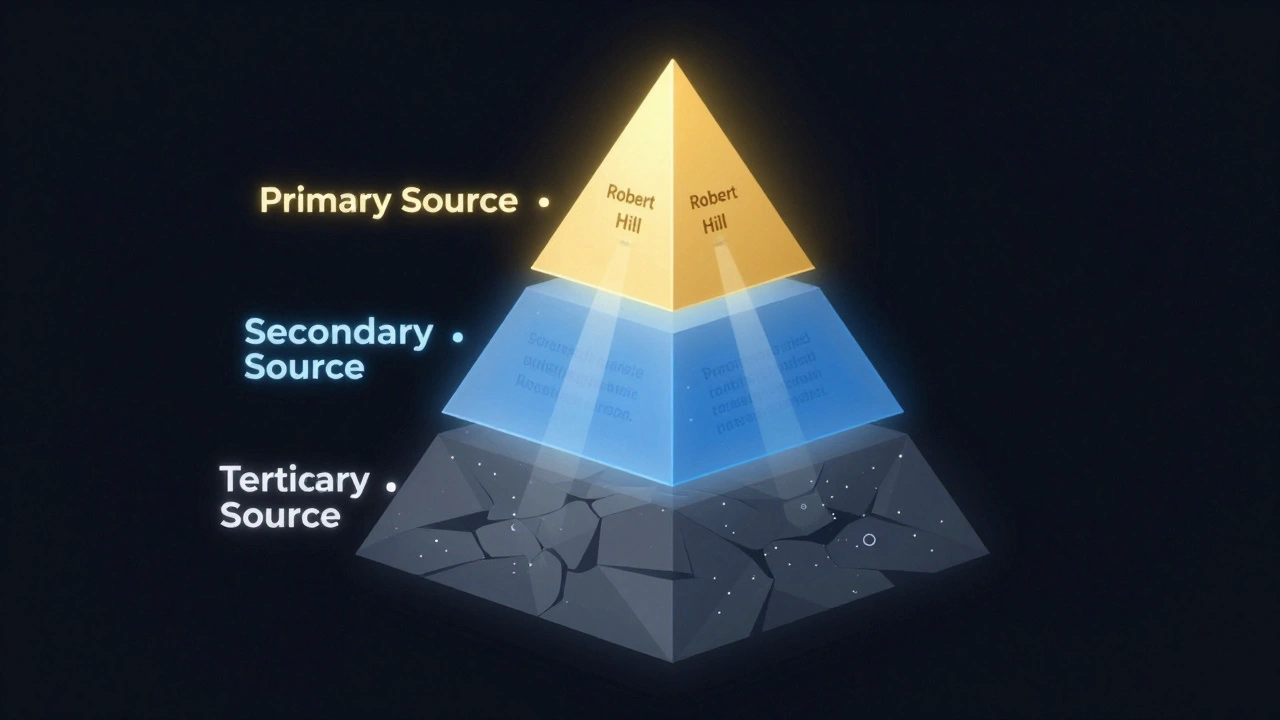
Not all outlets are created equal. When attributing coverage of Robert Hill, you need to understand where the information comes from. This distinction affects how much weight you give the claim. We can break down sources into three main categories.
| Source Type | Description | Reliability Score | Example Context |
|---|---|---|---|
| Primary Source | Direct quotes, official statements, or interviews with Robert Hill. | High | Hill speaking at a press conference. |
| Secondary Source | Analysis, reporting, or commentary by journalists about Hill. | Medium-High | A political analyst discussing Hill’s voting record. |
| Tertiary Source | Social media posts, blogs, or aggregators summarizing other reports. | Low-Medium | A Twitter thread summarizing news articles about Hill. |
Primary sources are the gold standard. They offer the raw data. Secondary sources provide context. Tertiary sources often add noise. When you attribute coverage, label it clearly. If you are quoting a blogger who quoted a newspaper, make that chain visible. Don’t let the tertiary source masquerade as primary evidence. Transparency keeps your argument honest.
Common Pitfalls in Media Crediting
Even experienced communicators make mistakes. These errors can damage credibility quickly. Watch out for these common traps when handling press attribution for Robert Hill.
Vague References: Saying "reports indicate" or "sources say" is lazy writing. Who are the sources? Which reports? Name them. If you can’t name them, you probably shouldn’t use the claim. Vagueness invites skepticism.
Broken Links: Nothing screams amateur hour like a dead hyperlink. Before publishing, click every link. If the original article is behind a paywall, note that. But don’t just paste a generic domain. Point to the specific content.
Misattributing Quotes: This is dangerous. Did Robert Hill say it, or did a spokesperson? Did a journalist interpret his silence as agreement? Misquoting or misinterpreting leads to retractions. Retractions kill trust. Double-check the transcript or video before attributing words to Hill.
Ignoring Context: A headline might say "Robert Hill Criticizes Policy." But the article might explain he was criticizing a flawed implementation, not the policy itself. Attributing the headline alone distorts the meaning. Read the full piece before crediting it.

Tools for Tracking and Verifying Coverage
You can’t rely on memory. You need systems. Modern media monitoring tools help you track mentions of Robert Hill across thousands of outlets. These tools automate the initial search, but you still need to verify the attribution manually.
Platforms like Meltwater, Cision, or Google Alerts can scan for keywords. They pull in headlines, snippets, and links. However, they don’t always distinguish between a mention and a substantive report. You have to dig deeper. Check the outlet’s editorial standards. Look at the author’s history. Verify the date. Technology speeds up discovery, but human judgment ensures accuracy.
If you are working with a smaller budget, simple Boolean searches on news sites work well. Combine "Robert Hill" with terms like "interview," "statement," or "profile" to filter out casual mentions. Save these results in a structured database. Include the attribution fields we discussed earlier. Over time, this database becomes a valuable asset for understanding Hill’s media narrative.
Best Practices for Ongoing Management
Press attribution isn’t a one-time task. It’s an ongoing habit. As new stories break, you need to update your records. Here is how to maintain high standards over time.
- Create a Style Guide: Define exactly how citations should look. Should you use APA, Chicago, or a custom format? Consistency reduces errors.
- Train Your Team: Everyone involved in communications needs to understand attribution. From interns to executives, everyone must know why crediting matters.
- Regular Audits: Once a quarter, review past publications. Are the links still working? Are the attributions accurate? Fix any issues immediately.
- Engage with Sources: If you notice an error in an outlet’s reporting, reach out politely. Correct the record. Good relationships with journalists lead to better coverage and more accurate attribution in the future.
By treating attribution as a core part of your workflow, you protect Robert Hill’s reputation. You also contribute to a healthier media ecosystem. When we credit properly, we encourage rigorous journalism. We reward truth-tellers. And we make it harder for falsehoods to take root.
What is the difference between attribution and citation?
Attribution is the act of giving credit to the source of information. Citation is the specific format used to record that credit. Attribution is the concept; citation is the execution. Both are essential for ethical communication.
How do I handle anonymous sources covering Robert Hill?
Be cautious. If an outlet uses an anonymous source, note that in your attribution. Explain why the source is anonymous if the article provides that context. Never present anonymous claims as definitive fact without additional verification.
Is social media considered valid press attribution?
It depends. Official accounts of verified outlets or Robert Hill himself are valid primary sources. Random user posts are tertiary and low-reliability. Always check the account’s verification status and history before using social media as a source.
What should I do if a source retracts its story?
Update your records immediately. Remove the retracted claim from your active materials. Note the retraction in your archives for transparency. Continuing to cite retracted information damages your credibility severely.
How often should I audit my press attribution records?
At least quarterly. High-profile figures like Robert Hill may require monthly audits during peak news cycles. Regular checks ensure links remain active and contexts stay accurate.