When two artists, writers, or producers team up, the magic happens. But once the song hits streaming platforms, the book sells, or the film gets picked up, the real question comes up: who gets what? Splitting revenue in a collaboration isn’t just about fairness-it’s about avoiding fights, legal messes, and broken relationships.
Start with a written agreement
Oral promises don’t hold up when money’s on the line. Even if you’ve been friends for years, a handshake won’t protect you if one person claims they wrote 70% of the lyrics and the other says it was 50/50. A simple written agreement-signed and dated-makes everything clear from day one.What should it include? At minimum:
- Each person’s contribution (writing, production, vocals, design, etc.)
- The percentage split for revenue (royalties, sales, licensing)
- How advances or upfront payments are handled
- What happens if someone leaves or passes away
- How decisions are made about future uses (sampling, covers, sync licenses)
Tools like Soundtrap a cloud-based music production platform that allows collaborators to track contributions in real time or DistroKid’s Collaborator Agreement a template designed for independent musicians to formalize splits before releasing music make this easier. You don’t need a lawyer to start-just clarity.
Common royalty split models
There’s no one-size-fits-all, but most collaborations fall into a few patterns:| Model | Best For | How It Works | Pros | Cons |
|---|---|---|---|---|
| 50/50 | Equal input (e.g., two songwriters) | Each gets half of all revenue | Simple, fair if contributions are balanced | Can feel unfair if one person did 80% of the work |
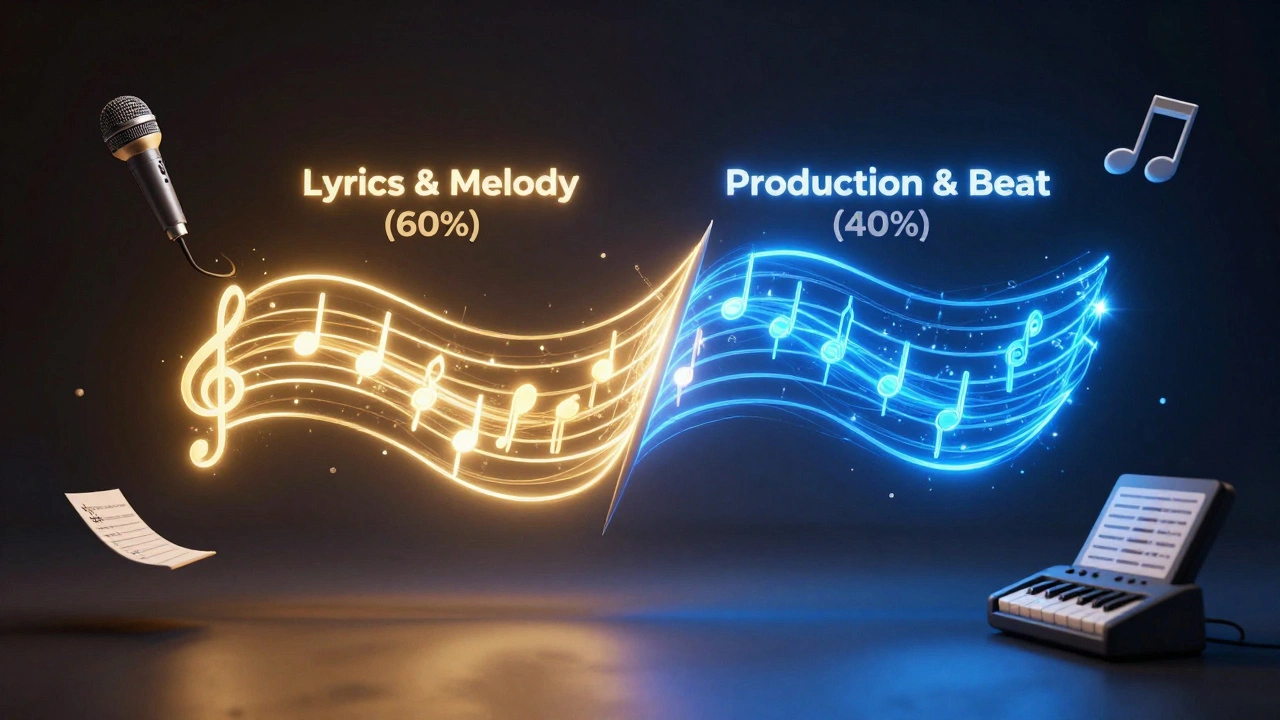
| Contributor-based | Unequal roles (e.g., producer + vocalist) | Split based on documented input (e.g., 60% writer, 40% producer) | Reflects actual effort | Harder to track; requires clear documentation |
| Flat fee + royalty | Hired help (e.g., session musician, graphic designer) | One-time payment for service, no ongoing royalties | Clean, predictable | May undervalue long-term value (e.g., a standout vocal) |
| Hybrid: upfront + percentage | Producers, engineers, or co-writers with high stakes | Small upfront fee + 10-25% royalty share | Aligns incentives | Requires trust and clear accounting |
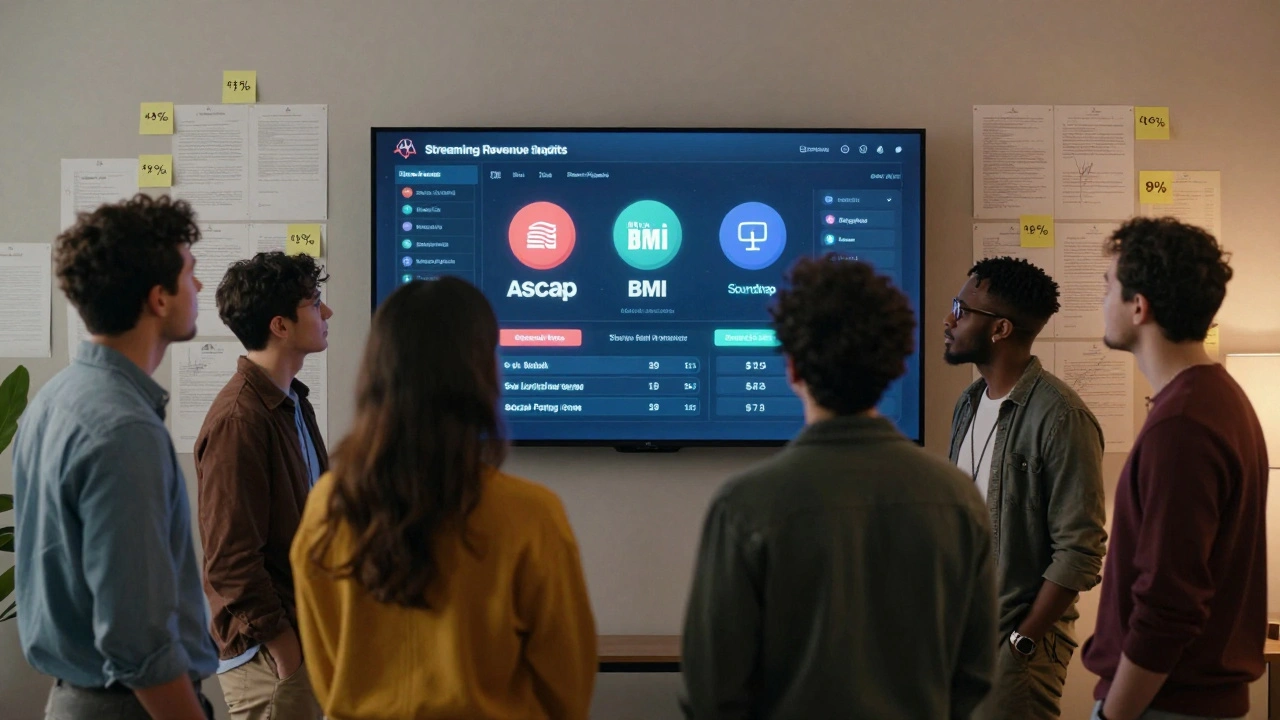
Many music collaborations use the ASCAP a performance rights organization that tracks and distributes royalties for songwriters and publishers or BMI a competing performance rights organization that handles royalty collection for musical works databases to register splits. If you’re releasing music, you’ll need to file a Work Registration a formal filing with a PRO that lists all contributors and their share percentages to make sure everyone gets paid.
What counts as a contribution?
Not all work is equal-and not all work should be paid the same way.- Lyrics and melody: These are the core of a song. Whoever writes them usually owns the largest share.
- Production and arrangement: A beat or instrumental can make or break a track. Producers often get 20-40% if their sound defines the song.
- Vocals: A lead vocal performance doesn’t usually earn a writing credit unless they contributed to melody or lyrics. But in some cases-like if the vocal is the hook-the singer may negotiate a share.
- Engineering and mixing: These are technical services. They’re usually paid a flat fee unless they significantly shaped the sound.
- Visual design: Album art, music videos, branding-these are separate from the music rights. They’re often paid as a project fee unless the design becomes part of the brand’s IP.
There’s a famous case from 2023 where a producer sued after a track went viral. He had only created the beat but didn’t get a writing credit. The court ruled that since he also added the signature synth line and vocal chops, he was a co-writer. That’s why documenting how each person contributed matters more than their job title.
What about sync licensing and covers?
When your song is used in a TV show, ad, or video game, you get sync royalties. These are paid to the copyright holders-usually the writers and publishers. If you split the song 60/40, that’s how the sync money flows too.But here’s the twist: if someone else covers your song, they don’t owe you royalties. They just need to pay a mechanical license (usually through Harry Fox Agency a U.S.-based mechanical licensing agency that handles reproduction rights for musical compositions). You still get paid, but only if you own the publishing rights. If you split publishing 50/50, then you each get half of those mechanical royalties.
Make sure your agreement says who controls publishing. If you don’t assign it, the default is equal ownership. That can cause problems later if one person wants to license the song and the other refuses.
What happens if someone leaves?
Creative partnerships don’t always last. Someone moves away, gets a corporate job, or just loses interest. The agreement should cover this.Common clauses:
- If someone exits, their share stays locked in (they still get paid for past and future earnings).
- They can’t sell their share without offering it first to the remaining collaborators.
- If they quit, they lose future decision-making power but keep past royalties.
One band from Portland had a member leave after their first album. They had no agreement. The ex-member sued for 25% of all future streaming revenue-$120,000 over three years. The case settled for $30,000. Had they signed a simple form, it would’ve cost nothing.
How to avoid common mistakes
Most splits go wrong because people skip steps. Here’s what to watch out for:- Assuming equal = fair: If you wrote the lyrics and your partner just added a drum loop, 50/50 isn’t fair. Track who did what.
- Not updating splits: You added a new verse in 2025? Update the agreement. Old documents become liabilities.
- Using vague terms: Don’t say “we’ll split it later.” Say “60% writer, 40% producer.”
- Ignoring taxes: Royalties are income. If you’re getting paid as an independent contractor, you’re responsible for self-employment taxes.
- Forgetting international rights: Streaming platforms pay royalties globally. Make sure your agreement covers international distribution.
Next steps: What to do today
You don’t need to hire a lawyer to get started. Here’s your checklist:- Write down every person involved and their role.
- Decide on a split based on actual contribution-not friendship.
- Use a free template from DistroKid a digital music distribution service that offers collaborator agreements for independent artists or SoundCloud’s Creator Agreement a simple legal form for users who collaborate on audio projects.
- Get everyone to sign and date it.
- File the split with your distributor or PRO.
- Revisit it every year or after a major release.
Collaboration is powerful. But money talks louder than passion. A clear split doesn’t kill creativity-it protects it.
Do I need to pay taxes on collaboration royalties?
Yes. Royalties are considered self-employment income in most countries. If you earn over $400 in a year from creative work, you’ll need to file a Schedule C (in the U.S.) and pay self-employment tax. Keep records of all payments and expenses. Some collaborators set up an LLC to simplify taxes and protect personal assets.
Can I change the split after the project is released?
Technically yes-but only if everyone agrees in writing. Once a track is distributed and registered with a PRO, changing the split requires filing an amendment with the distributor and the rights organization. Most platforms don’t allow retroactive changes. If you want to adjust, it’s best to do it before release.
What if someone refuses to sign an agreement?
Don’t release the project without one. If a collaborator won’t sign, treat them as a hired contractor and pay them a flat fee. You’ll own the full rights, and they won’t get future royalties. It’s better than risking a lawsuit later. Some people just don’t understand the system-offer them a simple one-page form to make it easy.
Do I need to register every collaboration with a PRO?
Yes, if you’re releasing music. PROs like ASCAP and BMI don’t automatically know who wrote what. You must file a Work Registration for each track with the exact names and percentages. Without it, you might miss out on royalties. Even if you’re independent, registration is free and required to collect money.
Can I split royalties with someone who didn’t help write the song?
Legally, no. Royalties for songwriting are tied to copyright law. Only those who contributed to the lyrics or melody can claim a writing share. But you can give someone a share of publishing revenue (the money from licensing) as a gift or incentive. That’s not a legal right-it’s a business decision. Document it clearly so there’s no confusion later.