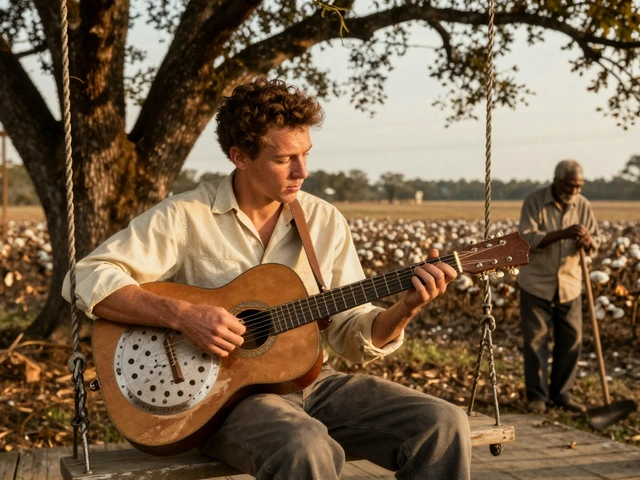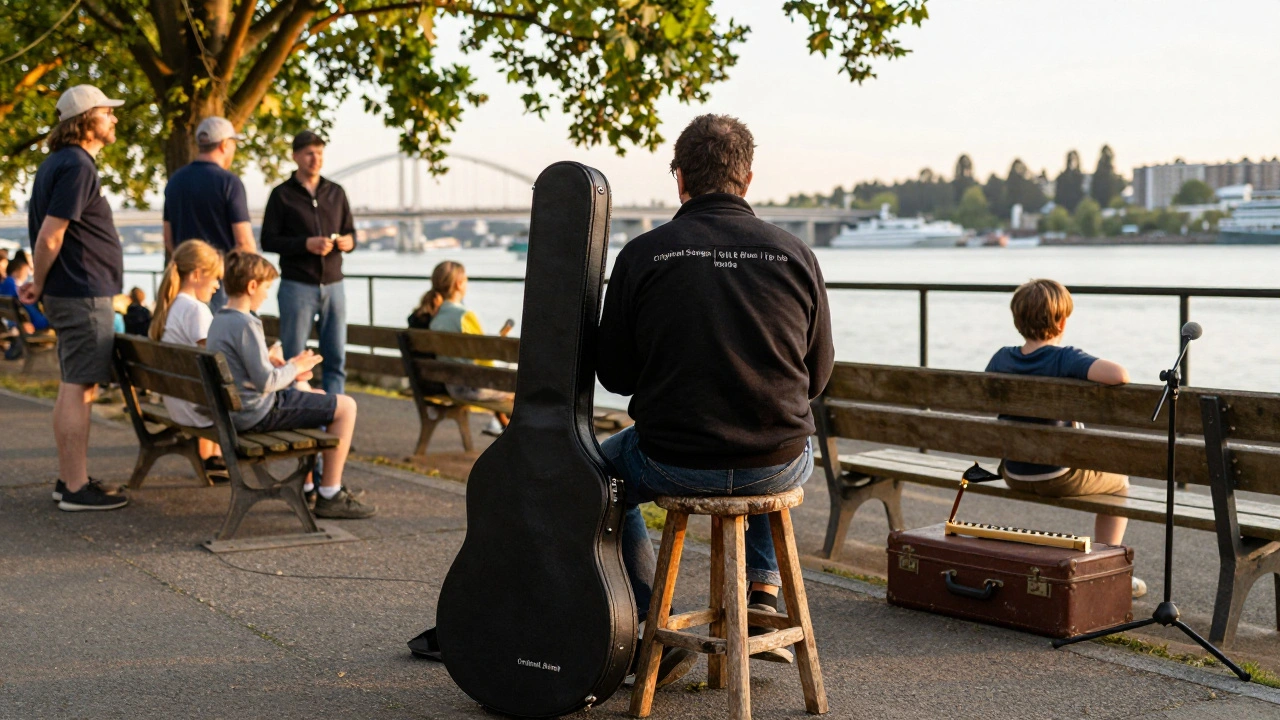
Every spring, as the rain thins out in Portland, the sidewalks along Hawthorne Boulevard come alive with the sound of acoustic guitars, harmonicas, and worn-in boots tapping out rhythms on concrete. You’ll hear a folk singer weaving stories about lost trains, and a bluesman pouring out a slow 12-bar that makes strangers pause mid-step. These aren’t just random street performers-they’re musicians who’ve figured out how to turn busking into a real income, not just a hobby. If you play folk or blues, you already know the music has soul. But soul doesn’t pay rent. Here’s how to turn your busking into something that actually works.
Choose the Right Spot, Every Time
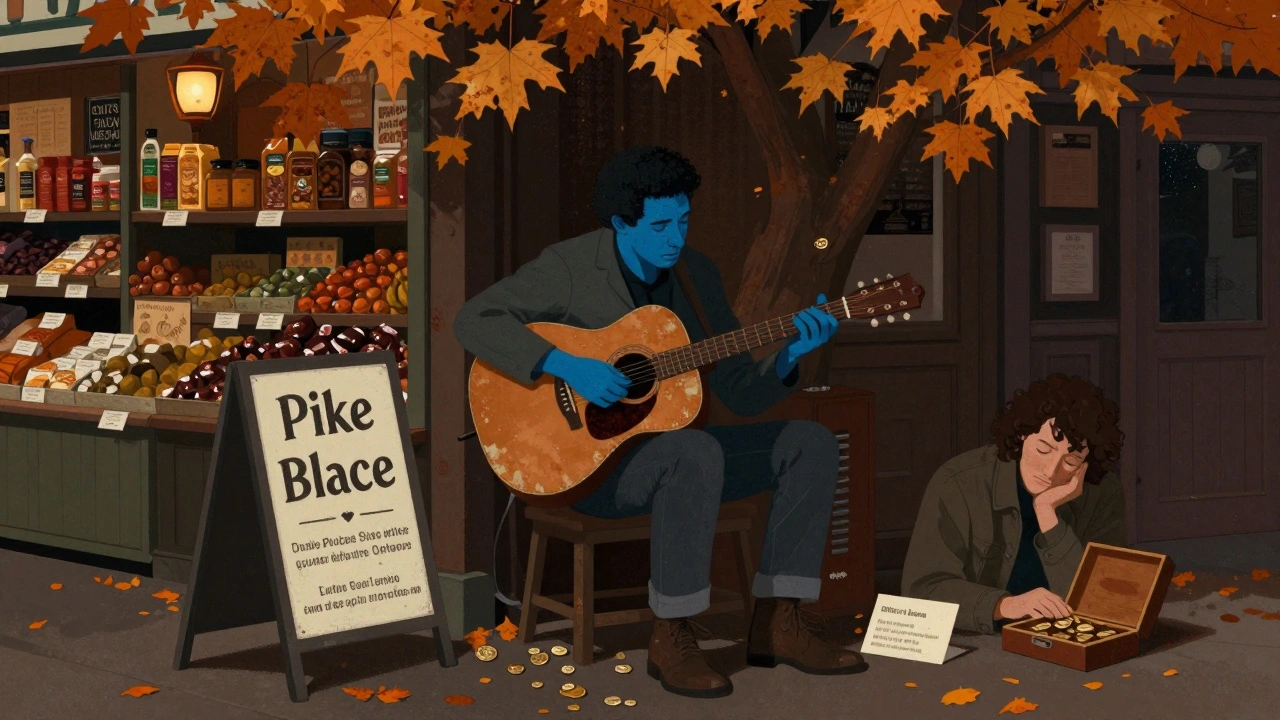
Not all corners are created equal. A busy downtown intersection might sound great in theory, but if people are rushing to catch a bus or staring at their phones, they won’t stop. The best spots for folk and blues have three things: foot traffic that moves slowly, places to sit, and some cover from the weather. Look for cafes with outdoor seating, library steps, farmers markets on weekends, and parks near playgrounds. In Portland, the Oregon Museum of Science and Industry (OMSI) waterfront path draws families and tourists who linger. In Seattle, the Pike Place Market fish throwers draw crowds-but the quieter corners near the spice shops? Those are where the blues players thrive.
Test your spot over three different days: a weekday afternoon, a Saturday morning, and a Sunday evening. Track how many people stop, how long they stay, and how many drop cash. If no one stops for more than 30 seconds, move. If people sit down and stay for two songs? That’s your goldmine.
Set Up Like a Pro, Not Like a Beggar
Your gear isn’t just equipment-it’s your brand. A battered guitar case with a faded sticker and a single dollar inside says, "I’m desperate." A clean, well-organized setup says, "I’m serious."
- Use a sturdy, weather-resistant case with a clear label: "Original Songs | Folk & Blues | Tip Jar Inside"
- Place a small, folded sign with your name and website-no hashtags, no "Follow Me on Instagram." Just your name and a clean URL.
- Bring a folding stool, not a backpack. Sit at eye level. Don’t stand like you’re waiting for a bus.
- Have a small, battery-powered speaker for harmonica or foot percussion. A real bluesman doesn’t just sing-he makes the ground shake.
One musician in Austin, Texas, uses a vintage suitcase as a stand for his harmonica mic. People photograph it. He gets 20% more tips because his setup tells a story before he even plays a note.
Play What People Feel, Not What You Think They Want
You love your original ballad about your grandfather’s pickup truck. But on a rainy Tuesday, people don’t want a 6-minute epic. They want a moment. A feeling. A connection.
Start with familiar tunes. Not the clichés-skip "Knockin’ on Heaven’s Door" and "The House of the Rising Sun." Instead, pick the ones people half-remember: "Wagon Wheel" (Old Crow Medicine Show version), "The Night They Drove Old Dixie Down," "I Shall Be Released," or a slow, haunting version of "Sweet Home Chicago." These songs carry emotion, not just notes. When you play them with your own phrasing, people recognize the tune, then lean in to hear your voice.
After two or three familiar songs, slip in your original. Maybe it’s a new song about the river near your childhood home. If you play it like it matters, someone will ask, "Did you write that?" That’s your opening.
Engage Without Begging
Never say "Please give." Never say "I’m broke." That kills the vibe. Instead, say something real.
- "This next one’s about the time I slept in my van for three weeks waiting for a gig."
- "I wrote this in a diner in Missoula. The waitress said it made her cry. I’d love to know if it does the same for you."
- "I’ve been playing this song for ten years. It still finds new meaning every time."
These lines don’t ask for money. They invite people into your world. And when they feel like they’re part of your story, they’re far more likely to leave something behind.
Turn Listeners Into Listeners Who Come Back
Most buskers treat tips like lottery tickets. But the best ones build a following.
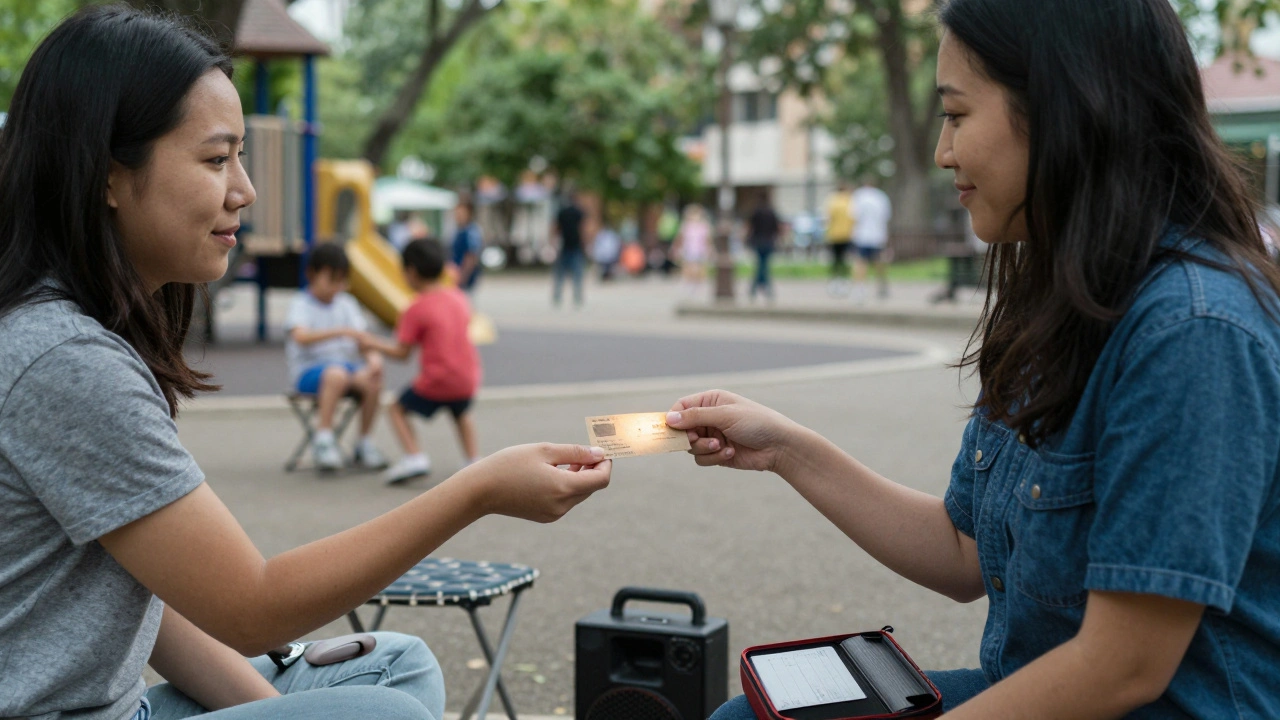
Keep a small stack of business cards-just 2x3 inches, printed on recycled paper. On one side: your name, one song title, and your website. On the back: "I play here every Saturday. Come find me."
When someone drops a five-dollar bill, look them in the eye and say, "Thanks. I play here every Saturday at 2. If you like this, you’ll like the next one." Then hand them a card. No pressure. Just a quiet invitation.
Some will come back. Some will tell friends. One in ten might sign up for your email list. That’s how you build a fanbase that doesn’t rely on the sidewalk.
Track What Works-And What Doesn’t
You don’t need a spreadsheet. But you do need to remember what happened.
After each session, jot down:
- Location
- Time of day
- Weather
- Number of people who stopped
- Amount earned
- One song that got the best reaction
After 10 sessions, you’ll see patterns. Maybe you make the most on Sunday afternoons in the park. Maybe your slow blues version of "Amazing Grace" pulls in double the tips of your fast country number. That’s data. And data beats guesswork.
Use Busking to Test New Music
Here’s the secret most musicians miss: your street performance is your lab.
Try a new song in front of 20 strangers. If they don’t move, if they don’t pause, if they don’t look up from their phones-it’s not ready. If someone leans in, taps their foot, or says, "That’s new, right?"-you’ve got something.
One blues guitarist in New Orleans wrote 12 new songs in six months by testing them on street corners. He recorded the best three, put them on his website, and sold them as a digital EP. He made $1,200 in three weeks. No label. No tour. Just sidewalk feedback.
It’s Not About the Money-But the Money Matters
Yes, busking is about connection. Yes, it’s about art. But if you’re serious about this, you need to treat it like a job.
Set a weekly income goal. $100? $200? Track it. If you hit it three weeks in a row, raise it. If you don’t, change your spot, your setlist, or your approach.
The best folk and blues buskers don’t wait for a big break. They build one, note by note, dollar by dollar, day by day.
What to Avoid
- Playing too loud. Folk and blues thrive on intimacy, not volume.
- Using a phone as a metronome. People can hear it. It breaks the spell.
- Wearing sunglasses indoors. Even on the street. It blocks connection.
- Playing covers only. Original songs are your edge.
- Leaving your case open and empty. Always have at least $5 in it-someone else’s generosity helps others feel safe to give.
How much can a folk or blues musician realistically make busking?
It varies, but most serious buskers in good locations make $50-$150 per day on weekends. Weekdays are slower-$20-$60. Top performers who combine strong setlists, consistent spots, and fan-building habits can earn $800-$1,500 a month. In cities like Portland, Austin, or New Orleans, some make enough to cover rent with just three busking days a week.
Do I need a permit to busk?
It depends on the city. Portland doesn’t require a permit for solo acoustic performers, but you can’t block sidewalks or use amplified sound without approval. In San Francisco, you need a permit and a lottery system. In Nashville, you can busk freely in most public areas. Always check your city’s municipal website. A quick search for "street performer permit [your city]" will give you the rules. Don’t assume-it’s better to ask than risk being shut down.
Should I use a QR code for digital tips?
Yes-but only as a backup. Cash still rules on the street. Many older listeners don’t use digital payments. And if your phone dies or the app glitches, you lose everything. Place your QR code on the back of your business card, not on your case. Let people choose. The emotional moment of handing over cash? That’s what builds connection. Digital tips are nice, but they don’t replace the human exchange.
How do I deal with rude people or distractions?
You won’t please everyone. Some people will walk past without looking. Others will shout, "Play something happy!" Don’t react. Keep playing. Your calmness becomes part of the performance. If someone is disruptive-yelling, blocking your view, or being aggressive-politely say, "I appreciate your interest, but I need space to play." Most will back off. If they don’t, pack up and move. Your safety and peace matter more than one set.
Is busking worth it if I’m not a great singer?
Absolutely. Folk and blues aren’t about perfect pitch-they’re about truth. A shaky voice telling a real story hits harder than a flawless pop vocal. Think of artists like Howlin’ Wolf or Janis Joplin. Their power came from emotion, not polish. If your playing is solid and your songs feel honest, people will connect. You don’t need to be a vocal technician. You need to be real.