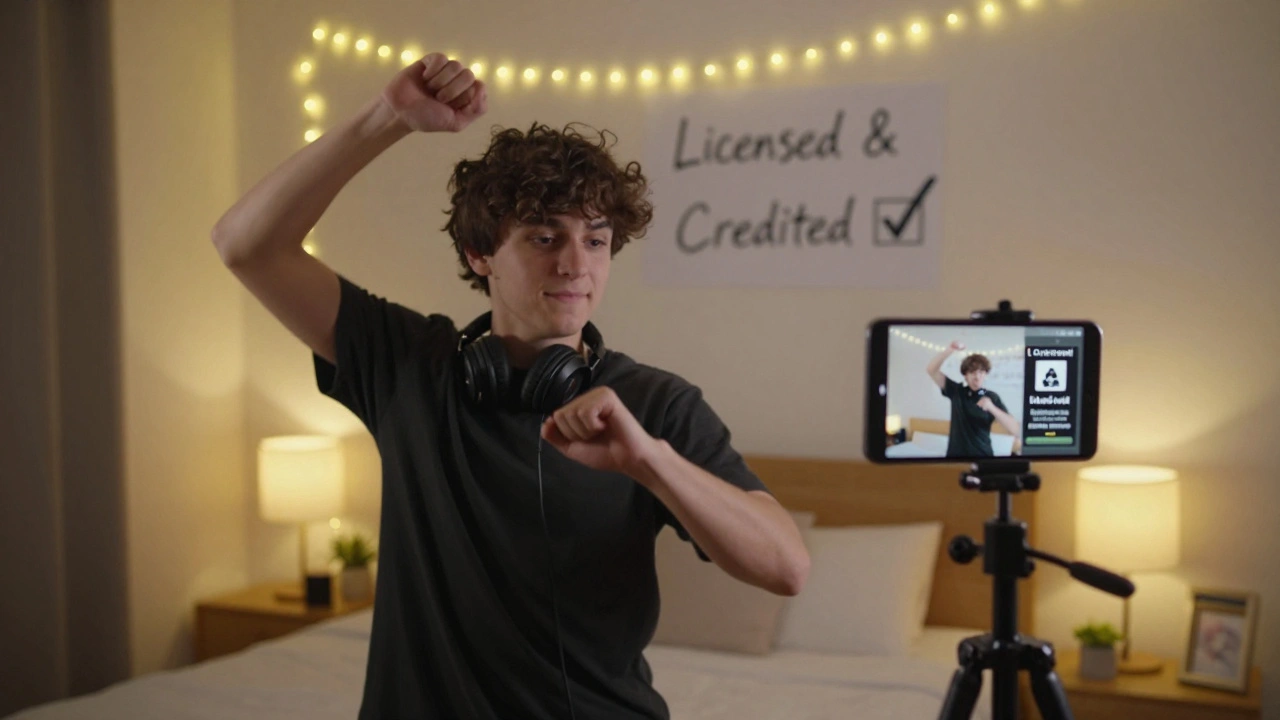
When brands run music campaigns using user-generated content (UGC), they’re not just asking for videos-they’re asking for someone’s creativity, time, and personal expression. But too often, the creator gets no credit, no payment, and no clear agreement. That’s not just unfair-it’s risky. Without proper UGC licensing terms, you could be facing legal trouble, bad press, or a creator walking away with a public complaint that goes viral. The good news? Getting this right is simpler than you think.
What Exactly Is UGC Licensing for Music?
UGC licensing is a legal agreement where a creator gives permission for their content-like a dance video, a cover song, or a TikTok clip-to be used by a brand in advertising, social media, or paid campaigns. When music is involved, it gets more complicated because you’re dealing with two separate rights: the recording (the actual sound file) and the composition (the melody, lyrics, chords). Both are protected by copyright law.
Let’s say a creator films themselves lip-syncing to Billie Eilish’s “Happier Than Ever” while doing a choreographed dance. That video might look like perfect campaign material. But if the brand uses it without permission, they’re violating both the creator’s right to control their image and the rights holder’s control over the song. Licensing fixes this. It’s not about shutting down creativity-it’s about respecting it.
Why Credit Matters More Than You Think
Credit isn’t just a nice gesture. It’s a legal and cultural necessity. Creators build audiences by being seen. When a brand uses their content without tagging them, it feels like theft. And it is-ethically, if not always legally.
Take the example of a 2024 campaign by a major beverage brand that used over 500 UGC clips featuring original music. They didn’t credit any creators. Within two weeks, three creators filed DMCA takedown requests. One of them had over 800,000 followers. Their public post about being erased from the campaign got 12 million views. The brand pulled the campaign, issued a public apology, and paid out $350,000 in back compensation.
Here’s the rule: if you use a creator’s video, you must credit them. Not just with a hashtag. Not just in the caption. You need to tag their handle, mention their name, and link to their profile. And if they used original music, you need to credit the songwriter and performer too. Simple. Clear. Non-negotiable.
Key Terms Every Brand Should Include in a UGC License
A UGC license for music campaigns should be written like a contract-not a casual DM. Here’s what you need:
- Scope of Use: Where will the content be used? (Instagram ads, YouTube pre-roll, TV commercial?) Specify platforms, duration, and geographic reach.
- Music Rights: Does the license cover the original recording? The composition? If the creator used a copyrighted song, you need written permission from the rights holder-or proof they licensed it themselves.
- Compensation: Cash? Product? Exposure? Be upfront. Many creators accept exposure, but 68% of those under 30 say they’d refuse a campaign if no payment was offered (2025 Creator Economy Survey).
- Exclusivity: Can the creator use the same video elsewhere? Can they post it on their own channel? Most brands allow this, but some restrict usage for 30-90 days.
- Termination Clause: Can the creator pull their content? Under what conditions? Always include this. Creators should be able to remove their content if the brand misuses it.
Don’t skip the written agreement. A signed PDF or digital form via platforms like TermsFeed a legal document generator used by over 200,000 small businesses to create UGC agreements or Juro a contract automation tool popular among marketing teams for creator agreements is better than a screenshot of a text message.
How to Find Creators Who Actually Want to Collaborate
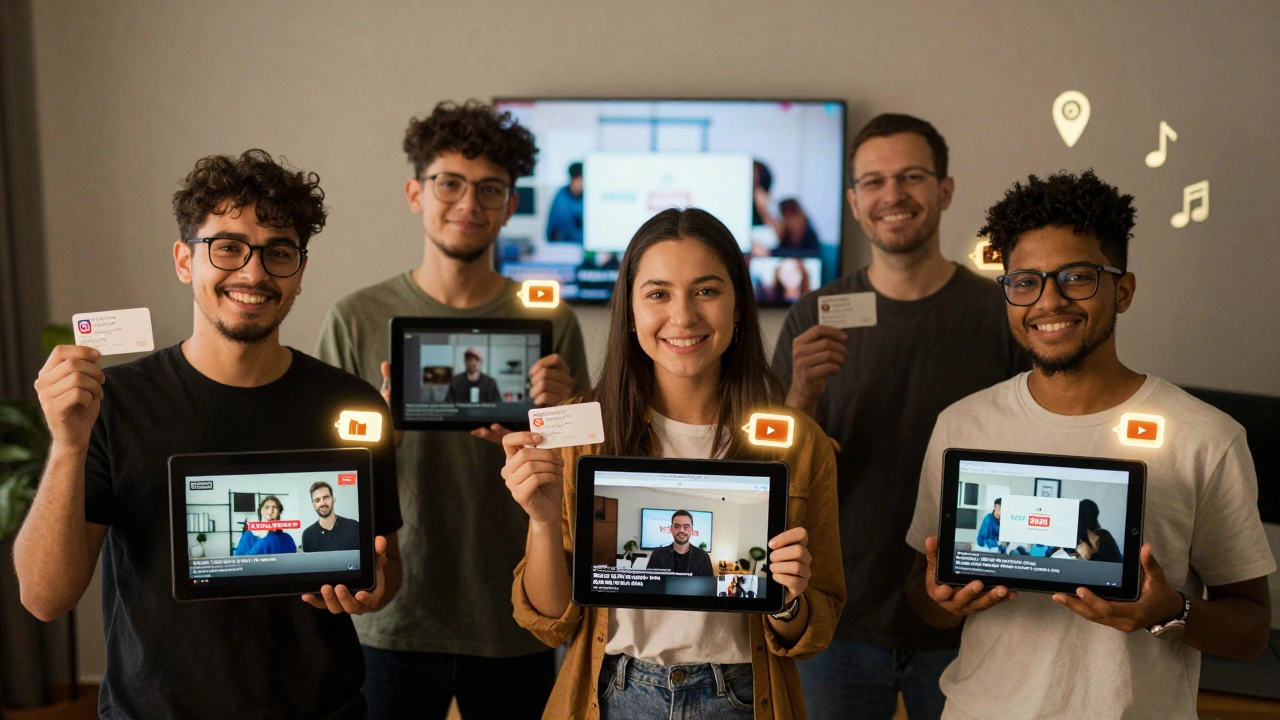
You don’t need to pay influencers with 1 million followers. The most authentic UGC comes from micro-creators-people with 5K to 50K followers who post regularly and engage deeply with their audience.
Look for creators who:
- Use original music in their videos (not just trending sounds)
- Tag artists or songwriters in their captions
- Have posted about music licensing or copyright before
- Respond to DMs with clear questions, not just emojis
Tools like CreatorIQ a platform that tracks UGC performance and creator engagement metrics and AspireIQ a creator outreach platform with built-in licensing templates help you filter creators by content type, music usage, and past brand collaborations.
Reach out personally. Say: “I love how you used [song name] in your video. We’re running a campaign and would love to ask if you’d be open to licensing your clip. We’ll pay you $150 and credit you fully.” Most say yes.
What Happens If You Don’t License Properly?
Ignoring licensing isn’t just risky-it’s expensive.
In 2023, a fitness app used UGC clips featuring songs from independent artists without permission. One artist, a bedroom producer from Nashville, sent a cease-and-desist. The app ignored it. Three months later, the artist filed a federal lawsuit. The case settled for $220,000. The app’s CEO had to personally apologize on Instagram. The campaign was scrapped.
There are three main consequences:
- Legal action: Copyright holders can sue for statutory damages up to $150,000 per work.
- Reputation damage: Creators call out brands on social media. It spreads fast.
- Platform penalties: Instagram and TikTok may remove your ads or suspend your account for copyright violations.
There’s no such thing as “fair use” for commercial campaigns. That myth gets brands into trouble every day.
Best Practices for Music-Centric UGC Campaigns
Here’s what works in 2026:
- Use royalty-free or licensed music: Partner with platforms like Artlist a music library offering unlimited licenses for commercial use or Epidemic Sound a subscription service used by 2 million creators for copyright-safe audio. Offer it to creators so they don’t have to guess.
- Build a creator portal: Create a simple landing page where creators can submit content, sign a license, and get paid. Automate credit tagging.
- Track usage: Use tools like ContentID YouTube’s automated copyright detection system to scan for unauthorized uses of your campaign clips.
- Pay fairly: $100-$300 per clip is standard for micro-creators. If you’re using it in TV ads, pay $1,000+.
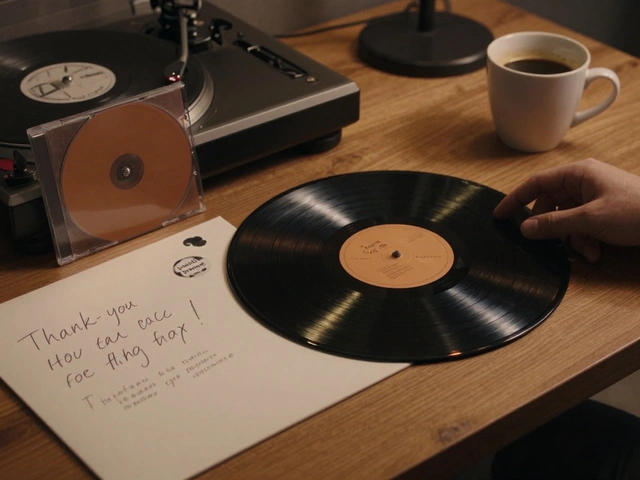
One brand, a Portland-based indie record label, launched a campaign called “Your Sound, Our Stage.” They gave creators $125 per clip, full credit, and a free vinyl of the song. They got 1,400 submissions in 30 days. Not one complaint. Not one takedown.
FAQ
Do I need a license if the creator posts the video first?
Yes. Just because a creator posts something publicly doesn’t mean they’ve given you the right to use it commercially. Public = not licensed. Always get written permission before using UGC in ads or paid promotions.
Can I use a song if the creator says it’s okay?
No. The creator may have used the song, but they don’t own the rights to it. You still need permission from the music publisher or record label. If you’re unsure, use royalty-free music or get a sync license through a service like Artlist or Epidemic Sound.
What if a creator doesn’t respond to my DM?
Don’t use their content. No response means no consent. Look for someone else. There are thousands of creators who are eager to collaborate. Don’t risk your brand’s reputation for one video.
Should I pay creators in cash or product?
Cash is always better. It’s clear, simple, and avoids tax complications. If you can’t pay cash, offer a gift card with real value-like Amazon, Spotify, or Apple. Product alone rarely feels like fair compensation unless it’s high-value (e.g., a new iPhone or professional audio gear).
Is there a template I can use for UGC licensing?
Yes. Many legal platforms offer free templates for UGC licenses. Try TermsFeed or Juro. Customize it for music campaigns by adding clauses about recording rights, composition rights, and credit requirements. Always have a lawyer review it if you’re running a large campaign.
Next Steps
Start small. Pick one upcoming campaign. Choose five creators. Send them a clear, polite message with a link to a simple license form. Pay them. Credit them. Track the results. You’ll get better content, fewer legal headaches, and real loyalty from creators who feel seen.
Music is emotion. UGC is authenticity. When you combine them with respect and clear terms, you don’t just run a campaign-you build a community.