There is a specific moment in every live performance when the noise of the modern world seems to drop away. You hear the scrape of a bow on a string, the percussive thud of a fingerpicked guitar, or the raw, unpolished cry of a voice that hasn't been auto-tuned into submission. This is the heart of Roots Revival, a movement that isn't just about playing old songs-it's about reclaiming the emotional architecture of traditional musical forms. At the center of this sonic excavation stands Robert Hill, an artist who treats history not as a museum exhibit, but as a living, breathing language.
Hill doesn't simply replicate the past. He channels it. His approach to traditional folk structures involves a deep understanding of how these genres evolved from necessity-work songs for field hands, ballads for lonely travelers, and spirituals for communities seeking solace. By stripping away the production gloss that defines much of contemporary pop, Hill forces listeners to confront the naked vulnerability of the human voice and simple instrumentation.
The Architecture of Authenticity
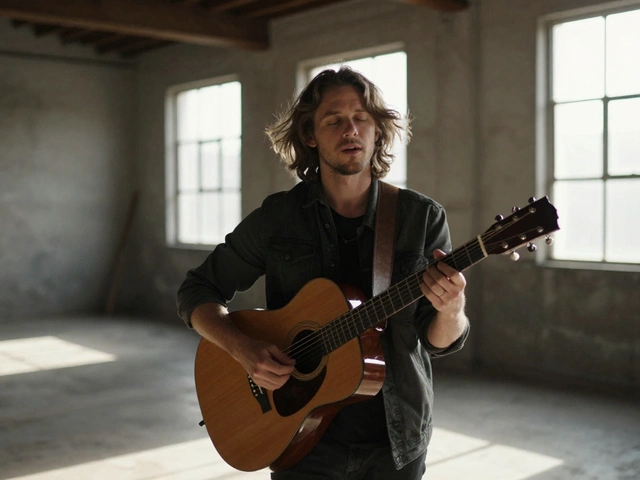
To understand how Robert Hill channels traditional forms, you first have to look at what he leaves out. In an era where digital audio workstations allow producers to quantize every beat and pitch-correct every note, Hill’s process is deliberately analog. He often records in single takes, preserving the slight imperfections-the breath before a verse, the squeak of fingers on steel strings-that signal humanity.
This commitment to authenticity mirrors the philosophy of the Lo-Fi Folk movement, which prioritizes emotional resonance over technical perfection. When Hill plays a standard 12-bar blues progression, he doesn't rush through it with flashy licks. Instead, he lets the space between the notes do the heavy lifting. This restraint is a hallmark of traditional Appalachian balladry, where the story matters more than the virtuosity.
- Vocal Delivery: Hill uses a nasal, resonant tone reminiscent of early Bluegrass singers like Bill Monroe, avoiding excessive vibrato to keep the sound direct and urgent.
- Rhythmic Foundation: Rather than relying on drum machines, he employs Bodhrán beats or hand-claps, grounding the music in organic, physical rhythms.
- Instrumentation: The primary tools are the Acoustic Guitar, Banjo, and Fiddle, instruments chosen for their portability and historical significance in rural America.
Deconstructing the Ballad Form
One of Hill’s most compelling techniques is his deconstruction of the traditional ballad. A classic ballad relies on narrative storytelling, often using quatrains with an ABCB rhyme scheme. Hill respects this structure but injects it with contemporary lyrical themes. He might use the rhythmic cadence of a 19th-century sea shanty to describe modern economic anxiety or the isolation of urban life.
This juxtaposition creates a cognitive dissonance that grabs the listener. You recognize the familiar melody-the Dorian mode that gives folk music its melancholic lift-but the lyrics speak to your current reality. It’s a technique similar to what Bob Dylan pioneered in the 1960s, merging poetic abstraction with traditional folk melodies.
Hill also experiments with tempo. Traditional folk songs were often dictated by the task at hand-a fast reel for dancing, a slow lament for mourning. Hill applies these tempo shifts to reflect emotional states rather than physical labor. A song might start with the brisk pace of a Jig and abruptly slow into a dirge, mirroring the sudden onset of grief or realization.
The Role of Instrumentation in Storytelling
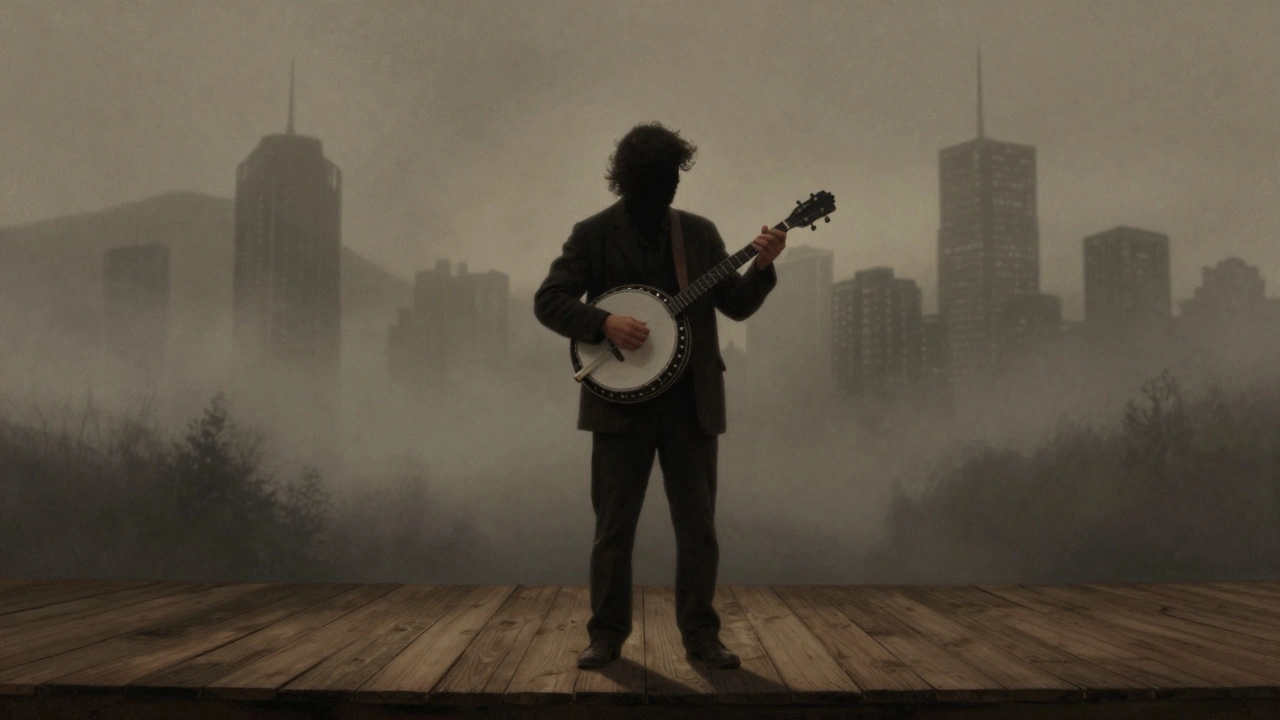
In Robert Hill’s repertoire, instruments are not just accompaniment; they are characters in the narrative. The Banjo, for instance, carries a complex history rooted in African American musical traditions. Hill acknowledges this lineage by using Clawhammer style picking, a technique that emphasizes the downward stroke and creates a driving, rhythmic pulse.
| Instrument | Traditional Role | Hill's Application |
|---|---|---|
| Acoustic Guitar | Rhythm and Harmony | Uses open tunings (Open D, Open G) to create drone-like textures that mimic bagpipes or slide guitars. |
| Fiddle | Melodic Lead | Employs heavy bow pressure and double-stops to add grit and urgency, moving beyond sweet melodic lines. |
| Mandolin | Percussive Chords | Used sparingly for sharp, staccato accents that drive the rhythm forward without overpowering the vocals. |
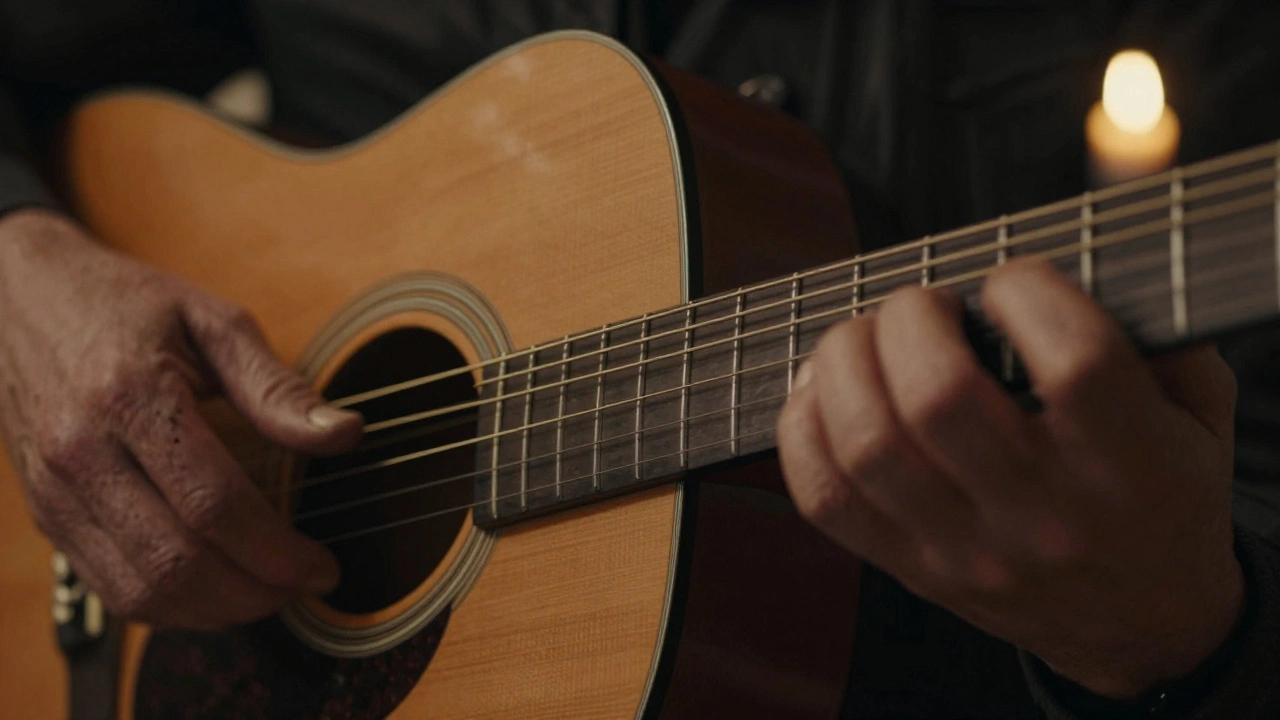
The use of open tunings on the guitar is particularly significant. By tuning the strings to form a major chord without fretting any notes, Hill allows the instrument to resonate fully. This creates a rich, harmonic bed that supports his voice while leaving room for improvisation. It’s a technique borrowed from Delta Blues players like Mississippi John Hurt, who used open tunings to facilitate slide guitar playing and create a hypnotic, droning effect.
Vocal Techniques: The Raw Edge
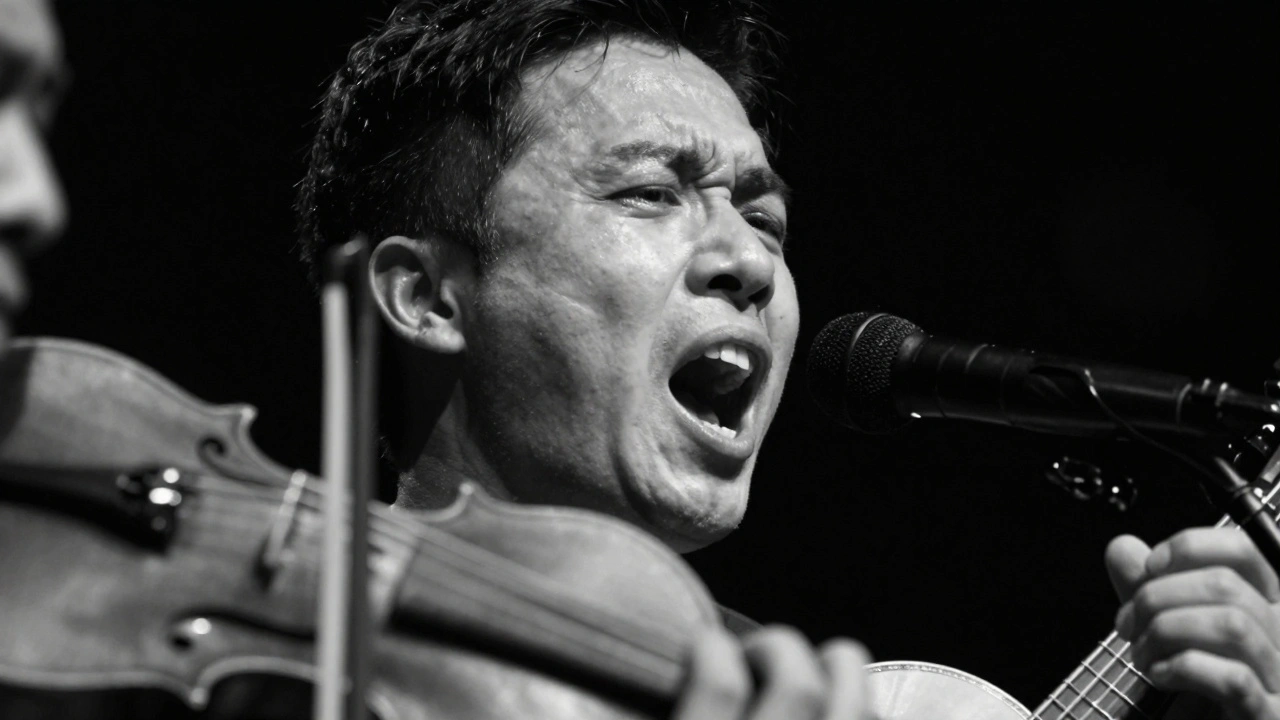
Hill’s vocal style is perhaps the most defining aspect of his channeling of traditional forms. He rejects the polished, breathy aesthetic common in modern country and pop radio. Instead, he embraces a rougher, more textured delivery. This includes the use of Yodeling techniques, not as a novelty, but as a way to extend vocal range and add emotional intensity.
He also utilizes Call-and-Response patterns, a staple of African American spirituals and gospel music. Even in solo performances, Hill will sing a line and then answer it with an instrumental phrase, creating a dialogue between voice and instrument. This technique harkens back to communal singing traditions, where the audience would participate in the response.
The emotional weight of his voice comes from its imperfections. Cracks, breaks, and strained high notes are left in the mix. These moments signal genuine effort and emotion, connecting the listener to the performer on a visceral level. It’s a reminder that music is a human endeavor, flawed and beautiful.
Modern Contexts for Ancient Forms
Why does this matter today? In a world saturated with digital content, the tangible nature of roots music offers a counterbalance. Hill’s music provides a sense of continuity, linking listeners to generations of musicians who shared similar struggles and joys. His Roots Revival approach is not nostalgic; it’s relevant.
By applying traditional forms to modern issues, Hill demonstrates the adaptability of these genres. A Work Song can be about factory labor or gig economy exploitation. A Love Song can explore long-distance relationships maintained by video calls. The form remains constant, but the content evolves.
This adaptability ensures the survival of these musical traditions. Without artists like Hill willing to experiment and integrate these forms into contemporary contexts, they risk becoming static artifacts. His work keeps the flame alive, inviting new audiences to discover the depth and power of traditional music.
What defines the Roots Revival movement?
The Roots Revival movement is characterized by a return to traditional musical forms, such as folk, blues, and bluegrass, with an emphasis on authentic instrumentation, acoustic recording techniques, and narrative-driven lyrics. It seeks to strip away modern production gloss to highlight raw emotion and historical continuity.
How does Robert Hill differ from other folk artists?
Robert Hill distinguishes himself by deconstructing traditional ballad forms and injecting them with contemporary lyrical themes. He also employs a raw, unpolished vocal style and uses instrumentation as a narrative device, rather than just background accompaniment.
What is the significance of open tunings in Hill's music?
Open tunings allow the guitar to resonate fully, creating a drone-like texture that mimics traditional instruments like bagpipes or slide guitars. This technique facilitates improvisation and adds a rich, harmonic bed that supports Hill's vocal delivery.
Why does Hill reject polished vocal aesthetics?
Hill believes that imperfections in vocal delivery, such as cracks and strains, signal genuine emotion and effort. This approach connects the listener to the performer on a visceral level, emphasizing the human element of music over technical perfection.
How does Hill incorporate Call-and-Response patterns?
Hill uses Call-and-Response by singing a vocal line and answering it with an instrumental phrase. This technique, rooted in African American spirituals and gospel music, creates a dialogue between voice and instrument, evoking communal singing traditions.