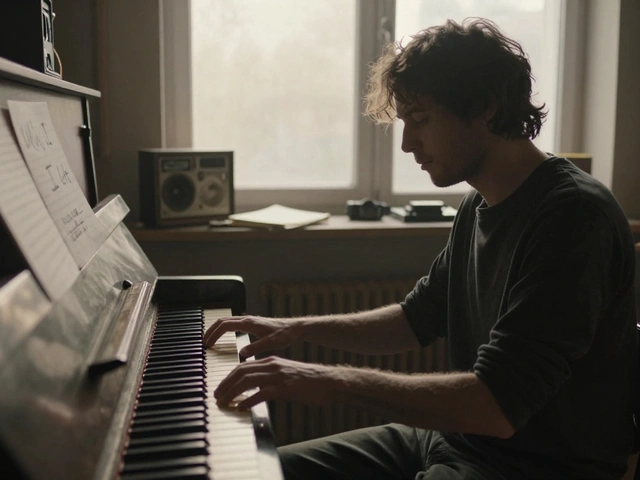
Most brands chase polished, perfect videos. But the ones that actually connect? They’re the ones showing the messy, real, human side of how things get made. Behind-the-scenes video isn’t just a bonus feature anymore-it’s become the core of how people trust brands, understand products, and feel part of a story. If you’re trying to promote something you build, make, or create, skipping behind-the-scenes footage is like selling a car without letting people see the engine.
Why raw footage beats studio perfection
Think about the last time you watched a product video that felt too slick. Maybe it had perfect lighting, scripted lines, and actors who smiled just a little too long. Did you believe it? Probably not. People don’t trust perfection. They trust effort. They trust sweat. They trust someone who’s been up at 3 a.m. fixing a broken machine or covered in paint because they refused to cut corners.
Take a small pottery studio in Oregon. Their Instagram reels used to show only finished mugs-glazed, arranged neatly on wooden shelves. Engagement flatlined. Then they started posting 15-second clips of their hands shaping wet clay, the glaze dripping off a brush, the kiln opening with a hiss. Views jumped 300%. Comments flooded in: "I can almost smell the clay," "This is why I buy local," "You made me feel like I was there."
Raw footage works because it’s not trying to sell. It’s showing. And showing is how trust builds.
What you actually need to film
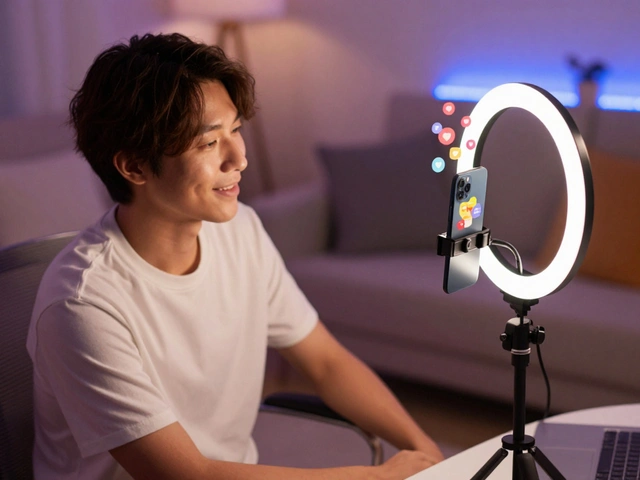
You don’t need a crew, a lighting kit, or a drone. You need a phone, a tripod, and the willingness to hit record when things go wrong. Here’s what to capture:
- Hands at work - Whether it’s sewing, welding, coding, or mixing paint, show the physical act. The texture of the material, the pressure of the tool, the small mistakes that get fixed.
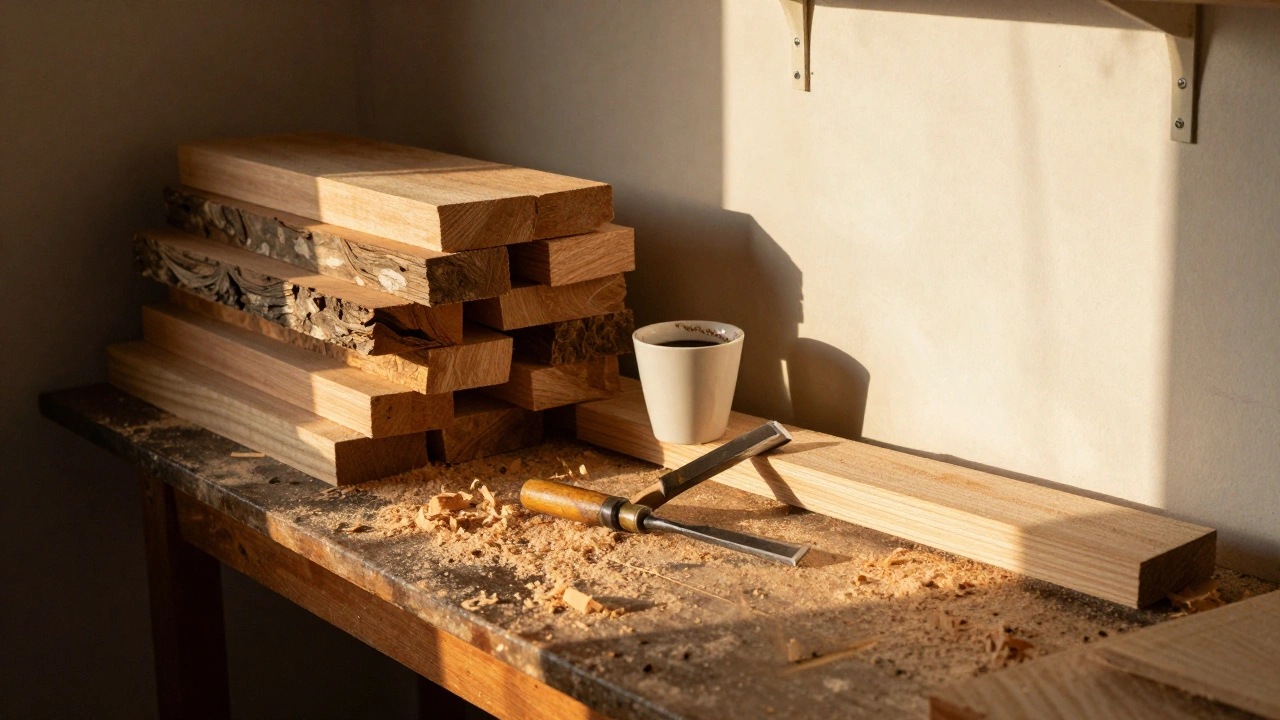
- Tools and spaces - A worn-out workbench, a stack of unfinished parts, a chalkboard full of scribbled notes. These aren’t background noise-they’re character.
- Unscripted moments - Someone laughing because a piece broke, a quiet sigh after hours of focus, a coffee cup left on the edge of a table. These are the moments people remember.
- Progress over polish - Film the prototype. Film the failed batch. Film the second try. People don’t want to see the final product-they want to see how it got there.
One woodworking shop in Wisconsin started posting daily 30-second clips of their builds. Not the finished tables. The rough-cut lumber. The splinters. The dust clouds. Within three months, their waitlist doubled. Customers weren’t just buying furniture-they were buying the story of its making.
How to shoot without looking amateurish
You don’t need Hollywood gear, but you do need to avoid three common mistakes:
- Shaky footage - Use a $15 phone tripod. Even a stack of books works. Keep it stable.
- Bad audio - If you’re recording voice, use a $20 lavalier mic. Otherwise, let the natural sounds speak: the clink of metal, the hum of machinery, the rustle of fabric.
- Over-editing - No filters. No transitions. No music that doesn’t belong. If you’re filming in a workshop, use the ambient noise. It’s part of the story.
One bakery in Portland started filming their bread-making process with just their iPhone on a tripod. No voiceover. No music. Just the sound of dough hitting the counter, the oven door opening, the steam rising. They posted one clip a week. Within six months, they were selling out every Saturday. Customers said they could almost smell the sourdough through the screen.

Where to use it
Don’t just post it on Instagram and call it done. Use behind-the-scenes footage where it matters most:
- Product pages - Embed a 60-second clip next to your description. Show the hands that built it.
- Email newsletters - Send a new behind-the-scenes clip every other week. People love feeling like insiders.
- Customer onboarding - If you sell a complex product, show how it’s made. It reduces support calls.
- YouTube Shorts and TikTok - These platforms favor authenticity. A 15-second clip of a welder adjusting a torch gets more shares than a 5-minute ad.
One company that makes handmade leather wallets started adding a 45-second clip to every order confirmation email. They showed the stitching process, the tool marks, the way the leather darkens with use. Their return rate dropped by 40%. Customers didn’t feel like they bought a wallet-they felt like they bought a piece of a process.
Start small. Stay consistent.
You don’t need to film every day. But you do need to film regularly. Even one clip a week changes how people see you. The goal isn’t to make a viral video. The goal is to make a video that makes someone say, "I get it now."
Set a reminder. Grab your phone. Find one moment today where something is being made-truly made-and hit record. Don’t wait for perfect light. Don’t wait for a better camera. Don’t wait for permission.
That moment? That’s your next best promotion.
Do I need professional equipment to capture behind-the-scenes video?
No. Most effective behind-the-scenes footage is shot on a smartphone. What matters isn’t the gear-it’s the honesty. A stable phone on a tripod, natural light, and unscripted moments will outperform polished studio footage every time. Focus on capturing real actions, not perfect lighting.
How long should behind-the-scenes videos be?
Keep them short: 15 to 90 seconds. Attention spans are tight, especially on social platforms. A 30-second clip showing a single step-like applying a finish, assembling a part, or mixing a batch-is often more powerful than a five-minute documentary. Save longer edits for YouTube or your website.
What if my production process isn’t visually interesting?
It is. Even digital work has visual cues: a cursor typing, a screen filling with code, hands clicking a mouse, a calendar with deadlines circled in red. Find the physical actions hidden inside your process. If you’re a consultant, film your notebook filled with scribbles. If you’re a programmer, show the terminal with lines of code scrolling. The human element is always there-you just have to point the camera at it.
Can behind-the-scenes video help with customer trust?
Absolutely. Studies show that 78% of consumers say they trust brands more after seeing behind-the-scenes content. It humanizes your brand. It shows you’re not just selling a product-you’re sharing a process. Customers don’t just buy what you make; they buy into who made it and how.
Should I include voiceovers in behind-the-scenes videos?
Only if it adds value. Often, silence is more powerful. Let the sounds of your workspace speak-the clatter of tools, the hiss of steam, the scrape of a brush. If you do use voice, keep it casual, unscripted, and real. No corporate tone. Say it like you’re talking to a friend who’s curious. Authenticity beats polish every time.