If you’re a musician or band trying to get your live shows on the calendar, you’re not just looking for a stage-you’re building a tour. And that means one thing: booking shows isn’t about luck. It’s about knowing where to look, who to talk to, and how to make your offer impossible to ignore.
Most artists start by playing open mics or small bars. That’s fine. But if you want to grow, you need to move beyond those spots. You need to find venues that actually draw crowds. And you need promoters who know how to sell tickets. Without both, your tour stalls before it begins.
What Makes a Venue Worth Booking
Not every place with a stage is a good fit. A venue that books local cover bands every Friday night might not care about original acts. You need to find places that already have a history of supporting touring artists.
Look for venues with:
- Regularly scheduled shows (at least 2-3 nights a week)
- Audience size of 100+ people on average
- Sound systems that handle live instruments (not just Bluetooth speakers)
- A promoter or booker listed on their website or social media
- Proof of past touring acts (check their Instagram or Facebook for tagged artists)
Some venues only book bands through agents. Others take direct pitches. The difference? It’s usually written in their booking policy. If you can’t find it, call. Ask: “Do you accept direct submissions from bands without a manager?” If they say no, move on. Don’t waste time.
Example: The Blue Note in Portland books 18 shows a month. Their website says they take submissions via email. Their last three touring acts were from Ohio, Tennessee, and California. That’s your sign: they welcome out-of-town bands. You’re not a long shot-you’re the next one on their calendar.
How to Find Promoters in Your Region
Promoters aren’t magic. They’re people who make money by putting on shows. They’re not always labeled as “promoters.” Sometimes they’re venue owners. Sometimes they run a small event company. Sometimes they just post on Facebook groups.
Start with these three places:
- Check local music blogs or zines. They often list who’s putting on shows each month.
- Search “music promoter [your city]” on Facebook. Join those groups. Read the posts. See who’s consistently organizing events.
- Look at the “Presented by” tag on posters for shows you’ve attended. Write down those names.
Once you have a list of 5-10 promoters, go to their websites. Look for a “Submit Your Band” page. If they don’t have one, email them. Don’t say: “Hi, we’re a band. Can we play?” That gets ignored.
Say this instead:
“Hi [Name], I’m [Band Name]. We’ve played 12 shows in the last 6 months across the Midwest. Our last show at The Dusty Boot drew 140 people and sold 85 tickets. We’re touring the West Coast in April and would love to play your venue. I’ve attached our press kit and recent live video. Let me know if you’re booking for April.”
That’s not begging. That’s proving you’re worth their time.
What Promoters Actually Want
Promoters don’t care if you have 10,000 followers. They care if you can fill a room. They care if you’ve done this before. They care if you’re easy to work with.
They’re not looking for talent-they’re looking for a reliable product. You’re not an artist to them. You’re a revenue stream.
Here’s what works:
- Proof of ticket sales (screenshots of Eventbrite or Ticketmaster sales)
- Video of a packed show (even if it’s 80 people-show energy)
- A clear breakdown of your draw (e.g., “70% of our audience comes from within 50 miles”)
- Flexibility on date, time, or set length
One promoter told me: “I’ve had bands show up with 300 Instagram likes and no ticket sales. I’ve had bands with 2,000 followers who sold 120 tickets. The ones who sold tickets? They got booked again. The others? Never heard from again.”
How to Pitch Without a Manager
You don’t need a manager to book shows. But you do need to act like one.
Here’s how:
- Use a professional email (not Gmail). Get a free one from your band’s domain (e.g., [email protected])
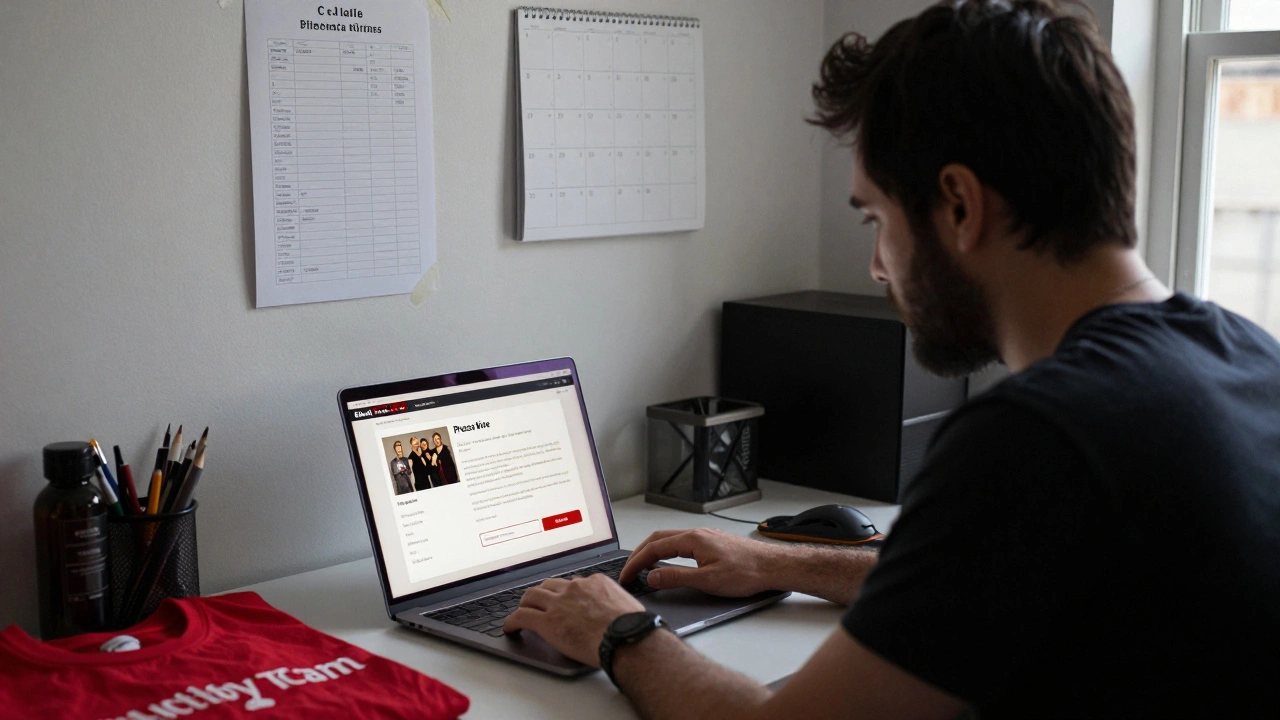
- Create a simple press kit: 1 photo, 1 bio, 1 video link, 1 line about your last show’s turnout
- Track every booking attempt. Use a free Google Sheet: Venue, Contact, Date Pitched, Response, Next Step
- Follow up once. If no reply in 7 days, send one polite reminder. Then move on.
Most bands give up after one email. You won’t. You’ll send 20 pitches a week. You’ll get 5 replies. You’ll book 2 shows. Then 4. Then 8. That’s how tours are built.
Common Mistakes That Kill Your Booking Chances
You’ve heard the advice. But here’s what actually goes wrong:
- Asking for a guarantee. Promoters don’t pay bands upfront. You’re asking them to take a risk. Show them why it’s worth it.
- Not knowing your market. If you’re a punk band and you pitch to a jazz club, you’re wasting time. Know the genre fit.
- Waiting for “the right time.” There is no right time. Book now. Play small. Build momentum. Bigger venues come later.
- Ignoring door splits. Most venues take 50-70% of ticket sales. You get the rest. Know that number before you agree.
- Not having a merch table. Promoters love bands who sell merch. It means more revenue for them. Bring 50 T-shirts. You don’t need to sell them all-you just need to show you’re ready.
Where to Look Beyond Your City
Don’t just book shows in your home state. Expand.
Use these tools:
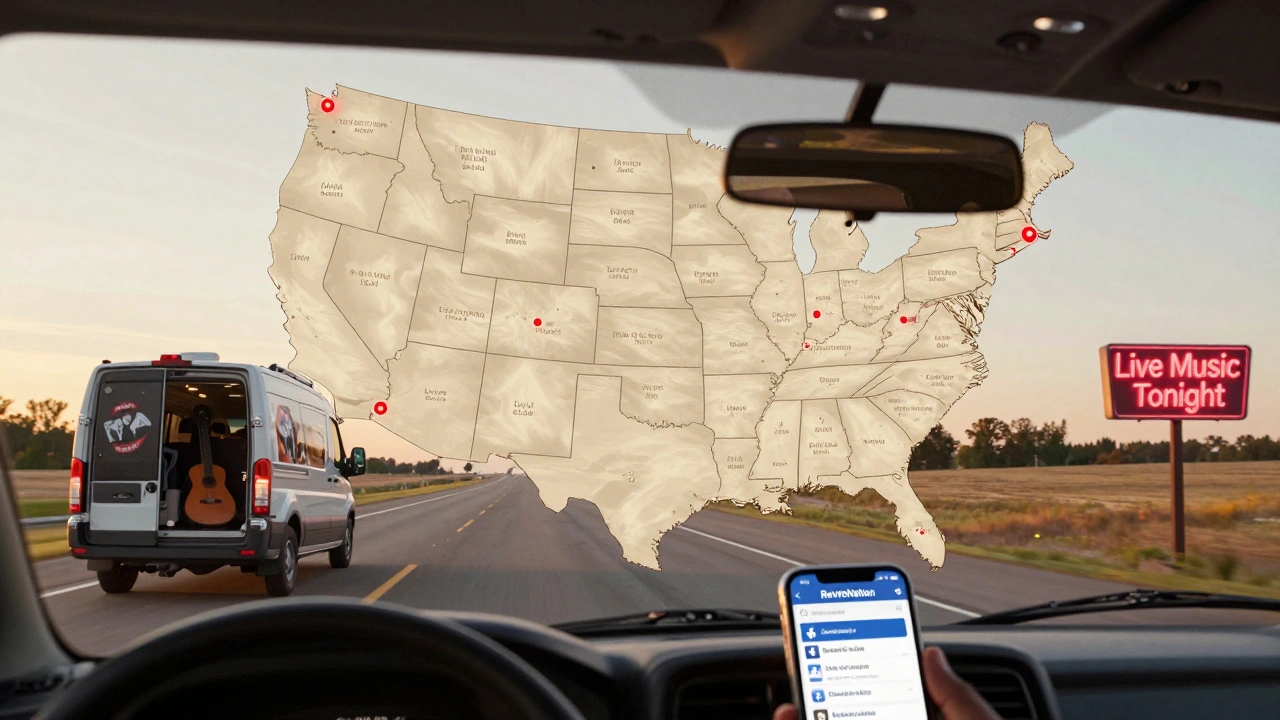
- ReverbNation - Search by city, genre, and venue type. Filter for “open to touring bands.”
- Music Venue Tracker - A crowdsourced map of venues that accept direct bookings.
- Facebook Groups - Search “Touring Musicians United” or “[State] Music Promoters.”
- Local college radio stations - They often partner with venues and know who’s booking.
One band from Austin booked 11 shows in 6 weeks by targeting small towns in Nebraska and Iowa. Why? No competition. Low venue fees. Strong local support. They didn’t need a big city. They needed smart choices.
What to Do After You Get the Booking
Getting the show is only half. Now you have to deliver.
- Confirm the date, time, door policy, and sound check time in writing.
- Send a reminder 7 days out. Then 3 days out.
- Post the show on your socials. Tag the venue and promoter.
- Bring a friend to help sell merch and manage the door.
- After the show, thank them. Send a photo. Send a video. Send a message saying, “We’d love to come back.”
That last part? It’s the secret. Promoters remember the bands who show up, sell tickets, and say thank you. They’ll book you again-even if you’re not famous yet.
Do I need to pay to play a show?
Never pay to play unless you’re certain of the return. Some venues charge a “door fee” or “rental fee,” but that’s usually a red flag. Legitimate promoters make money from ticket sales, not from bands. If a venue asks for $200 to play, ask: “What’s your average attendance? How many tickets do you typically sell?” If they can’t answer, walk away.
How many shows should I book per month?
Start with 1-2 shows a month. Focus on quality over quantity. Each show should be in a city where you have some fans, or where you can build them. Once you’re consistently selling 50+ tickets per show, increase to 3-4. Overbooking leads to burnout and weak performances. Better to play 6 strong shows than 12 weak ones.
What if a venue says no?
It’s not personal. Most venues book 10-20 bands a month. They can’t take everyone. Ask for feedback: “What would make you say yes next time?” Use that to improve your pitch. Then move on. Don’t beg. Don’t argue. Just keep pitching.
Can I book shows without a website?
Yes, but it’s harder. A website gives you credibility. If you don’t have one, create a simple landing page using Bandcamp, Linktree, or Carrd. Include your bio, a video, a tour date list, and contact info. It doesn’t need to be fancy. It just needs to exist.
Should I use a booking agent?
Only if you’re playing 20+ shows a year and have a solid fanbase. Most agents take 10-20% of your earnings. If you’re making $500 per show, that’s $100-$1000 lost. Learn to book yourself first. Use an agent only when you’re too busy to handle it yourself.