Most artists never talk about how their music project ends. They focus on the first album, the tour, the viral hit. But what happens when the energy fades? When the studio doors close for good? Or when you just don’t feel like writing another song? That’s where exit strategy and legacy planning for music projects actually matter-not as an afterthought, but as part of the creative process from day one.
Why Most Music Projects Die Quietly (And How to Avoid It)
Think about all the bands, solo acts, and collectives you loved that just… disappeared. No announcement. No farewell show. Just silence. That’s not artistry. That’s neglect. When a music project ends without intention, it leaves behind unfinished business: unreleased tracks, broken contracts, confused fans, and lost rights.
A 2024 study by the Independent Music Publishers Association found that 68% of independent artists who stopped releasing music had no plan for their catalog. Their Spotify streams dropped to zero. Their Bandcamp pages went dark. Fans couldn’t even find out if they were alive, let alone if new music was coming.
This isn’t about quitting. It’s about closure. A well-planned exit doesn’t mean giving up. It means honoring what you built.
What an Exit Strategy Actually Looks Like
An exit strategy for a music project isn’t a dramatic press release. It’s a checklist. Here’s what it includes:
- Ownership clarity: Who owns the masters? The publishing? The name? If you’re in a band, did you sign a partnership agreement? If not, you’re already behind.
- Release roadmap: Do you have one last EP? A final live recording? A curated compilation? Plan it like a launch-not a farewell.
- Fan communication: Don’t ghost your audience. Send a personal email. Post a video. Say thank you. People remember how you left more than how you showed up.
- Legal cleanup: Cancel unused contracts. Terminate distributor agreements. Transfer royalties to the right people. Handle taxes. This isn’t glamorous, but it’s essential.
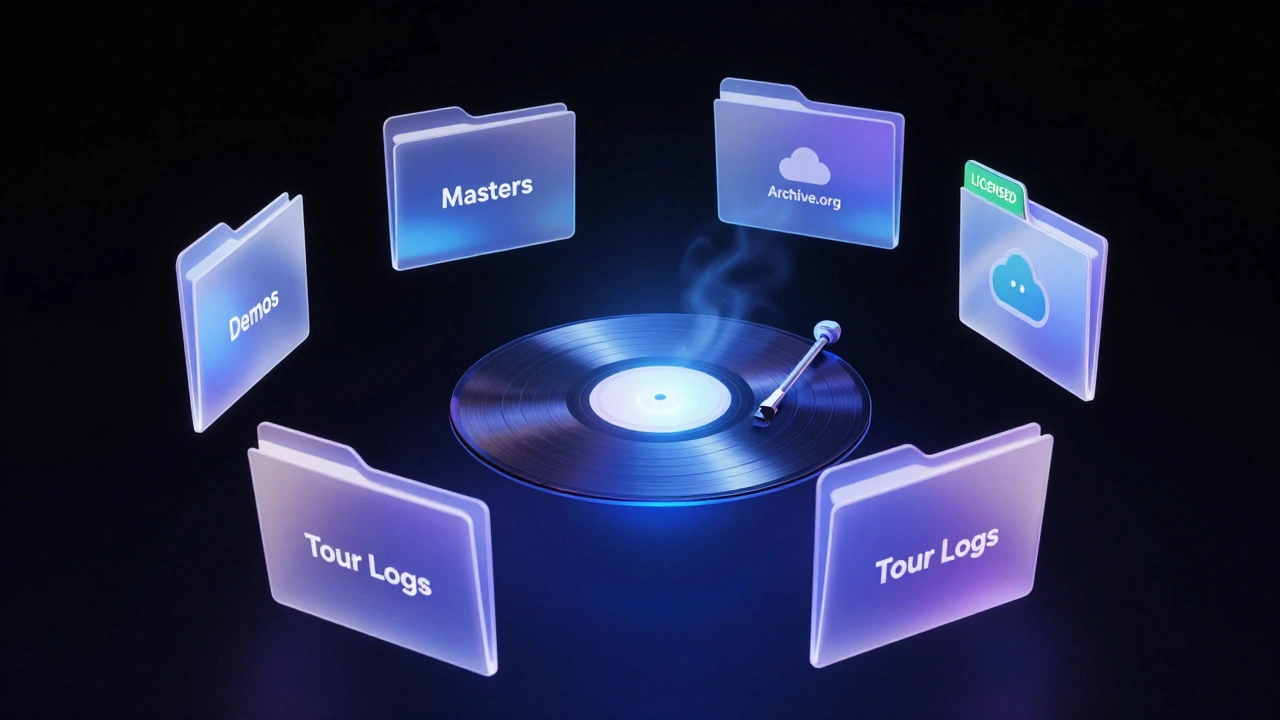
- Archive everything: Keep raw files, session notes, demos, photos, and tour logs. Store them in a cloud backup and one physical drive. Label them clearly. Future you-or a historian-will thank you.
Some artists turn their exit into a final act. Fiona Apple released her last album with a 45-minute spoken-word intro explaining why she was stepping away. Radiohead quietly transferred all rights to their fan club before going silent. These weren’t endings. They were completions.
Legacy Planning: More Than Just a Catalog
Legacy isn’t about fame. It’s about impact. What do you want your music to do after you’re done making it?
Ask yourself:
- Do you want your songs to be used in films, ads, or video games? If so, license them now through a sync agency-not later.
- Should your music be available forever? Or only for a set time? Some artists set expiration dates on digital releases to keep the work feeling alive.
- Do you want your project to live on through covers, remixes, or fan projects? If yes, create a simple license that allows non-commercial use with credit.
- Who inherits your rights? Your partner? Your sibling? A trust? If you don’t name someone, the law decides-and it rarely matches your wishes.
One producer in Portland, after 15 years of releasing ambient music under a pseudonym, set up a trust that donates 30% of royalties to music therapy programs. He didn’t retire-he redefined his purpose. His catalog now supports people who can’t afford therapy. That’s legacy.
When to Start Planning
You don’t need to be done to start. In fact, the best time is when you’re still going strong. That’s when you have clarity, energy, and access to people who can help.
Here’s a simple timeline:
- Year 1-3: Set up legal ownership. Register your publishing. Keep clean records.
- Year 4-6: Decide if you want to keep going, slow down, or pivot. Start thinking about your final release.
- Year 7+: Begin documenting your process. Record interviews. Write liner notes. Decide what to archive.
- Whenever you feel the shift: Don’t wait for burnout. If you’re dreading the studio, that’s your signal.
There’s no rule that says you have to keep making music forever. But if you do stop, make sure your art doesn’t vanish with you.
Tools and Resources That Actually Help
You don’t need a lawyer to start-but you might need one to finish. Here are practical tools:
- SoundExchange: For collecting digital performance royalties. Set up your account now.
- ASCAP/BMI/SESAC: Register your songs. Even if you’re not getting radio play, someone might cover your track.
- Archive.org: Free, public, permanent storage. Upload your final album as a ZIP with metadata.
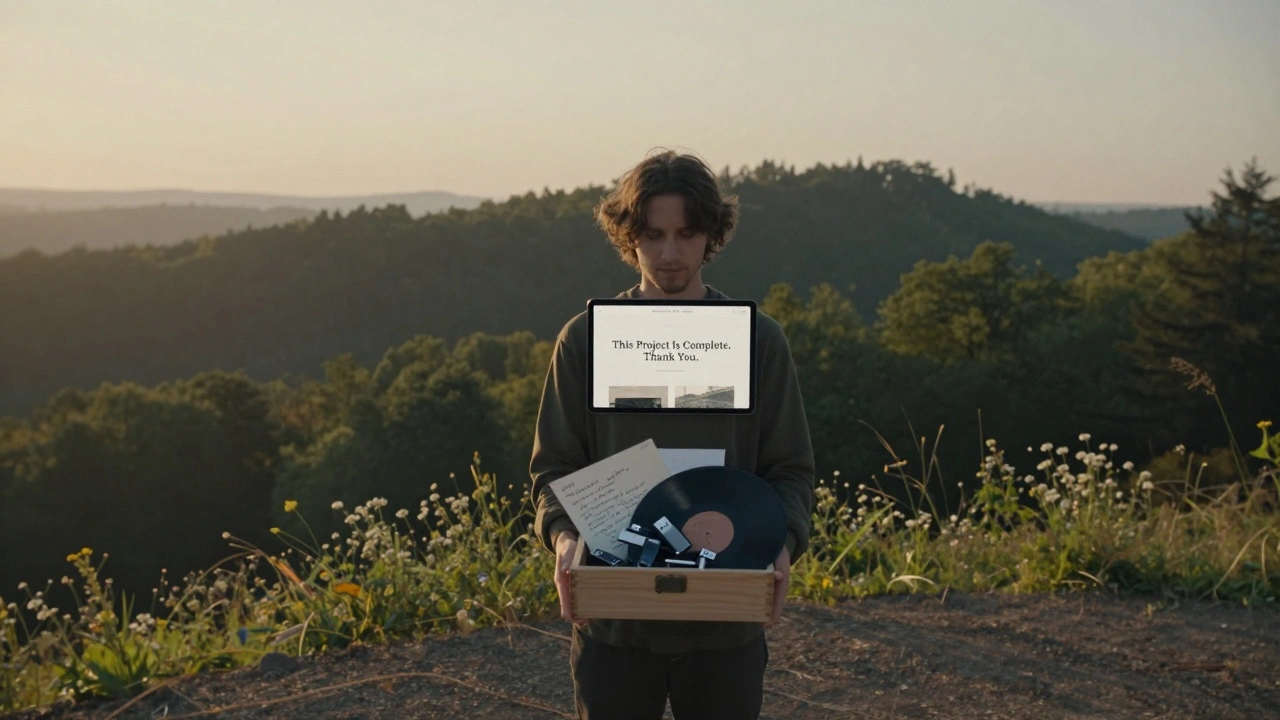
- Wix or Carrd: Build a simple, static site that says: "This project is complete. Here’s what’s left. Thank you."
- LegalZoom or Rocket Lawyer: Use templates to create a simple transfer agreement if you’re passing rights to someone.
Don’t wait for a crisis to learn this stuff. Do it while you still have the will to do it right.
What Happens If You Don’t Plan
Without a plan, your music doesn’t just fade-it gets stolen.
Unclaimed masters get sold by defunct labels. Unregistered songs get used without permission. Unpaid royalties pile up and vanish into bureaucratic voids. Fans create tribute pages that get taken down because no one owns the rights anymore.
One artist from Seattle lost control of her entire catalog after her label went bankrupt. She had no contract. No backup. No plan. Years later, her music was being sold as royalty-free loops on a Chinese stock site. She found out by accident. She couldn’t stop it.
This isn’t paranoia. It’s reality.
Legacy Isn’t About Being Remembered. It’s About Being Honored.
Think of your music project like a garden. You plant it. You tend it. You harvest from it. But when it’s time to let it go, you don’t just walk away. You compost the roots. You leave seeds. You mark the spot so someone else can grow something new there.
Your exit isn’t the end. It’s the final note. Make it intentional. Make it beautiful. Make it yours.
Do I need a lawyer to plan my music project’s exit?
You don’t need one to start, but you’ll thank yourself for having one if things get complicated. For simple cases-like transferring rights to a family member or setting up a trust-you can use templates from LegalZoom or Rocket Lawyer. But if you have multiple band members, international releases, or publishing deals, a music attorney is worth the cost. Look for someone who works with indie artists, not just major labels.
Can I just delete my music from streaming platforms?
Technically, yes-but you shouldn’t. Deleting your music doesn’t erase it. Copies exist on servers, hard drives, and fan devices. More importantly, you lose potential royalties and legacy. Instead, update your profiles with a final message: "This project has ended. All music remains available. Thank you." Then leave it up. Let it live.
What if I want to restart the project later?
That’s fine. Your exit plan doesn’t have to be permanent. You can say: "This chapter is closed, but the story isn’t over." Many artists return after years away. The key is to keep your rights intact and your catalog organized. Store your files clearly. Label your versions. Don’t burn bridges-you might want to walk back across them.
How do I handle royalties after I stop making music?
Set up automatic payments to a bank account you’ll keep active. Register with SoundExchange, ASCAP, or BMI so they know where to send money. If you’re passing rights to someone else, update the beneficiary info with your distributor. Royalties can keep flowing for decades-especially from streaming, sync licenses, and international plays. Don’t ignore them. They’re part of your legacy.
Is it too late if I’ve already stopped releasing music?
It’s never too late to start planning your legacy. Even if you’ve been quiet for years, you can still organize your files, update your contracts, and send a message to your fans. The goal isn’t perfection-it’s respect. Your music matters. Taking even one step now-like uploading your last album to Archive.org-makes a difference.