Robert Hill doesn’t have a Wikipedia page. No major interviews. No viral TikTok breakdowns. Just a quiet, 12-year career of albums that slipped into headphones and stayed there. His music isn’t loud. It doesn’t chart. But if you’ve ever listened to Robert Hill at 2 a.m. with the lights off, you know: his lyrics hit different. People don’t just listen to his songs. They dissect them. Argue about them. Write essays. Post Reddit threads that go 300 comments deep. Why? Because his words feel like secrets meant for you alone.
What’s So Strange About Robert Hill’s Lyrics?
He doesn’t write about love in the usual way. No "I miss you" or "you’re my everything." His songs are full of weather, empty rooms, train schedules, and forgotten voicemails. In "October Train," he sings: "The ticket was for Portland, but I got off in Eugene." On paper, it’s just a travel mishap. But fans have turned it into a metaphor for lost purpose, missed chances, or even grief disguised as geography.
His 2020 album Static in the Kitchen has a track called "Washing the Dishes at 3 AM." The whole song is one long monologue about scrubbing pots while listening to static on an old radio. No chorus. No bridge. Just repetition. And yet, thousands of fans say it’s the most honest song they’ve ever heard about depression. One fan wrote: "It’s not about dishes. It’s about doing something because it’s the only thing that doesn’t ask you to be okay."
Robert Hill never explains his lyrics. He doesn’t do Q&As. He doesn’t respond to DMs. That silence? It’s the reason the theories grew. Without an official meaning, every listener gets to build their own story.
The "Ghost in the Static" Theory
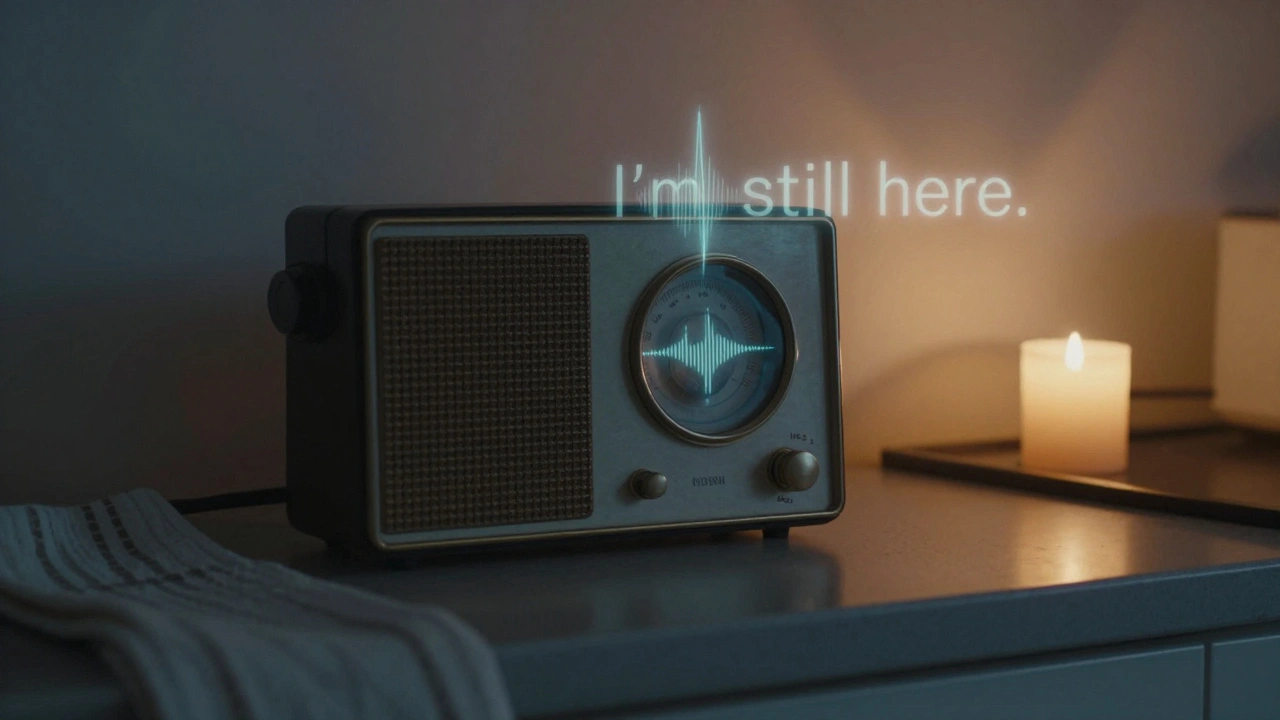
One of the most persistent fan theories comes from the album Static in the Kitchen. The opening track, "Static in the Kitchen," begins with the sound of a radio tuning through channels. Then, buried under the noise, you can hear a faint voice saying: "I’m still here."
Most people assume it’s a studio glitch. But fans who’ve slowed it down, flipped the phase, and run it through spectrogram software swear they hear a woman’s voice - clear, calm, and repeating those four words over and over. Some believe it’s his late sister, who died in 2017. Others think it’s a fictional character he wrote about in a journal he never published.
Here’s the kicker: Robert Hill’s only public statement about the album was a one-line post on his old blog in 2021: "The static was always there. I just finally let it speak."
That’s it. No clarification. No denial. So now, the theory has legs. Reddit threads have over 12,000 upvotes. YouTube videos analyzing the audio have millions of views. The voice isn’t proven. But it’s felt. And in Robert Hill’s world, feeling matters more than proof.
The "Portland Code" Theory
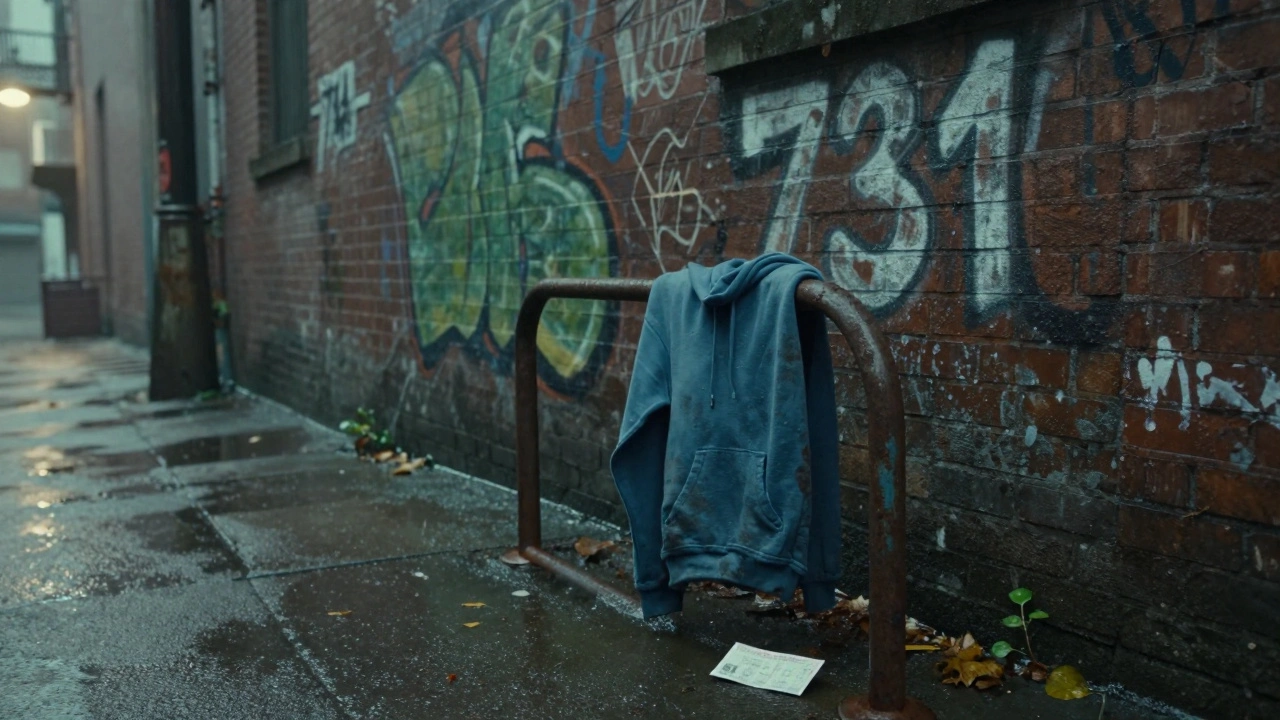
Robert Hill lives in Portland. He’s never said so publicly, but every photo taken since 2014 shows him wearing the same faded blue hoodie. The background? Always the same alley behind a coffee shop on SE 12th. The same brick wall. The same graffiti tag: "731."
Fans noticed that "731" appears in three of his songs: "731" (2015), "731 Reprise" (2019), and "731: After Rain" (2023). The numbers don’t match any known address. No one in Portland knows what it means. But then someone dug up an old city planning document from 1998: a proposed light rail stop at 731 SE 12th. It was canceled. The station was never built.
Now fans believe "731" represents a place that never existed - a destination that was promised but never reached. It’s not a location. It’s a feeling. A missed connection. A promise broken. One fan wrote: "He’s singing about the things we wait for that never come. And the silence after we stop waiting."
Robert Hill has never confirmed this. But in 2022, a fan found a handwritten note tucked inside a limited-edition vinyl pressing: "731 was never meant to be a stop. It was meant to be a question."
That note vanished after a week. No one knows who left it. But now, every time he plays live, fans hold up signs with "731" on them. He never acknowledges them. He just plays the song.
The "Echoes of a Forgotten Voicemail" Theory
On the 2023 album After Rain, the final track, "Voicemail 17," is 47 seconds of silence. Then, barely audible: a man breathing. Then, a woman’s voice saying: "I didn’t know you were still listening."
That’s it. No music. No context. Just that line. Fans have spent years trying to trace it. Was it his ex? His mother? A stranger he recorded on the street? One theory says it’s from a real voicemail left on his phone in 2016 - the last one before he deleted all his contacts. Another says it’s a sample from a 1980s public access TV show he found in a thrift store.
What makes this theory stick? The emotional weight. The line doesn’t sound like a memory. It sounds like a realization. Like someone finally noticed they were still being listened to - after years of being ignored. That’s the kind of thing that lingers. That’s why fans say it’s his most powerful lyric, even though there are no words.
Why Do These Theories Matter?
Robert Hill isn’t trying to be mysterious. He’s not writing riddles. He’s not hiding Easter eggs. He’s just telling stories in fragments. And in a world that demands instant answers, his silence gives people space to find their own.
These theories aren’t about being right. They’re about being seen. When someone says, "I think 'October Train' is about losing a parent," they’re not just interpreting lyrics - they’re naming their own grief. When someone hears "731" and says, "That’s the place I left and never came back to," they’re not quoting a song - they’re confessing.
Robert Hill’s music doesn’t tell you what to feel. It gives you the room to feel it. And that’s why his fan community is so deep. It’s not about fandom. It’s about belonging - to a group of people who all heard the same quiet voice and thought: "That was me."
What You’ll Find If You Listen Closer
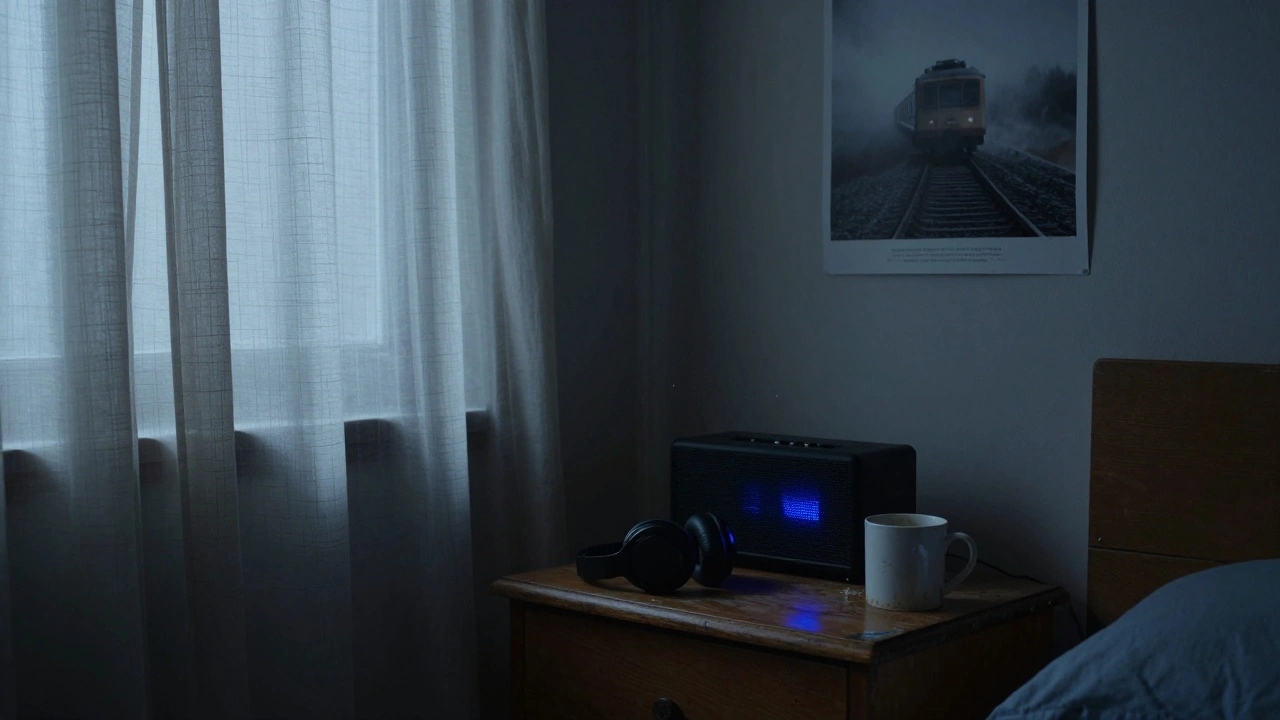
If you’ve never listened to Robert Hill, start with "October Train." Play it on headphones. Close your eyes. Don’t look up the lyrics. Just listen. Let the silence breathe. Notice how the train sounds change - sometimes it’s close, sometimes it’s far. That’s not production. That’s emotion.
If you’ve listened before, try this: pick one song you’ve heard a hundred times. Now, listen to it without knowing the title. What do you hear now? What do you feel? You might not find the "real" meaning. But you’ll find something real.
Robert Hill doesn’t give answers. But he gives questions. And sometimes, that’s all we need.
Is Robert Hill a real person?
Yes. Robert Hill is a real musician based in Portland, Oregon. He released his first album in 2014 and has since put out six studio records, all independently. He doesn’t tour often, avoids interviews, and doesn’t use social media. His only public presence is through his music and occasional handwritten notes included in vinyl pressings.
Are the fan theories about Robert Hill’s lyrics true?
There’s no official confirmation from Robert Hill about any of the theories. He never says whether they’re right or wrong. That’s intentional. The power of his music lies in the space between the note and the silence - where listeners find their own meaning. Whether the "ghost" in "Static in the Kitchen" is real or imagined doesn’t matter. What matters is that it moves people.
Where can I find Robert Hill’s music?
His music is available on Bandcamp, Apple Music, Spotify, and YouTube. All six albums are self-released and sold directly through his website. Limited vinyl pressings sometimes include handwritten notes or obscure lyrics not found anywhere else. He doesn’t have a label, so there are no official merch stores or streaming exclusives.
Why does Robert Hill never explain his lyrics?
He believes meaning lives in the listener, not the creator. In a rare 2018 handwritten note included with a vinyl release, he wrote: "Songs aren’t mine once they leave my hands. They belong to whoever hears them long enough to feel something." He doesn’t want to take that away. His silence isn’t secrecy - it’s generosity.
Is there a community for Robert Hill fans?
Yes. There’s a subreddit with over 45,000 members, a private Discord server with 1,200 active users, and an annual gathering in Portland called "731 Days," where fans meet at the old alley where his photos were taken. No one knows who started it. No one organizes it. It just happens every October. People bring candles, old voicemails, and tickets to places they never reached.