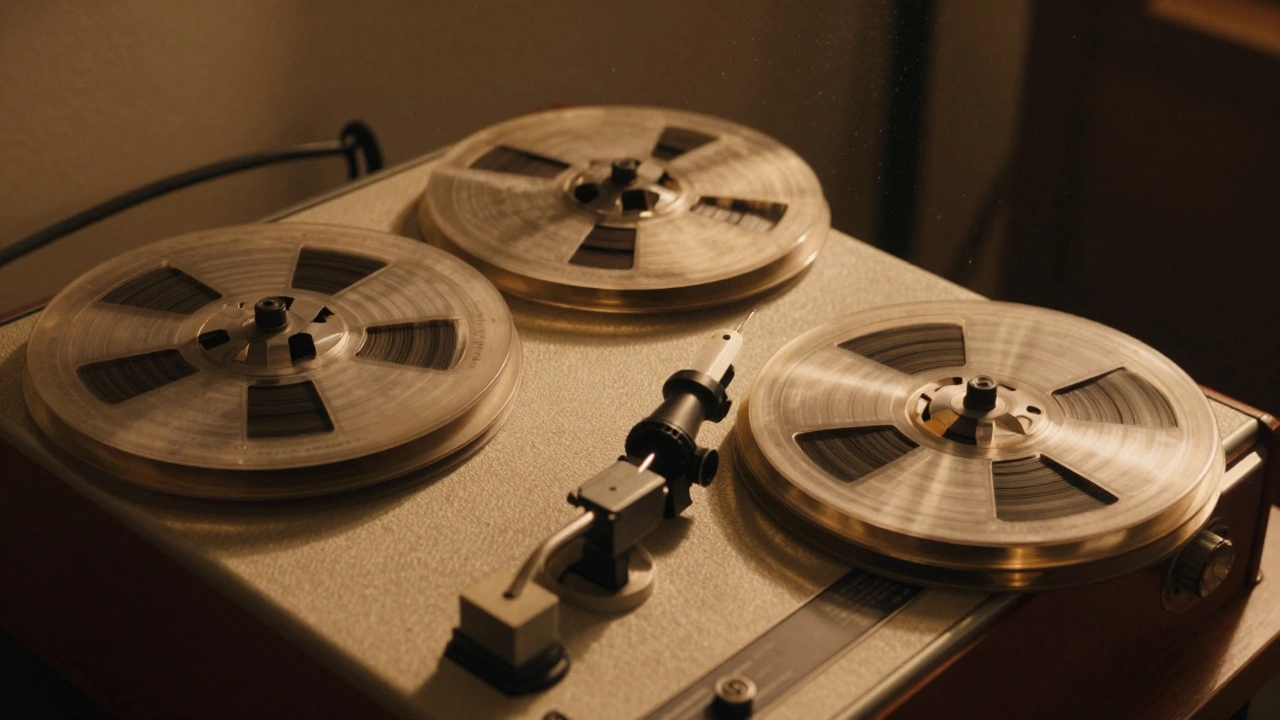
There is a specific crackle in the needle drop of a 1950s blues session that modern listeners crave. It is the sound of history. However, that same crackle can sometimes mask the soul of the performance. For independent labels keeping the blues alive, the decision to touch old masters is delicate. You are balancing preservation with clarity. You are balancing nostalgia with modern listening habits. This is where remastering plans come into play. Knowing when to update your catalog is not just about technology; it is about respect for the art and the business of keeping it alive.
Signs Your Catalog Needs Attention
Not every album from your back catalog needs a new pass. Some records stand the test of time because the original mix was perfect. But others suffer from technical limitations of their era. You might notice that the bass frequencies are muddy on modern sound systems. The high end might sound harsh on high-resolution streaming platforms. If you are hearing these issues consistently, it is time to look at your archives.
Consider the source material. If you have access to the original analog tapes, the potential for improvement is massive. If you only have digital transfers from the 1990s, your options are more limited. In 2026, we have tools that can separate instruments from background noise without destroying the natural room tone. This is crucial for blues, where the ambient sound of the studio is part of the vibe. If your current masters sound thin or compressed compared to what you hear on new releases, that is a clear signal.
Another sign is the format shift. Vinyl sales are still dominating the physical market. If your catalog was mastered for cassette or CD in the early 2000s, the dynamic range might be too low for vinyl cutting. A lacquer cutter today will tell you immediately if the signal is too hot or lacks the necessary low-end punch. When your engineer hesitates to cut a new pressing, that is your cue to remaster.
The Technology of 2026
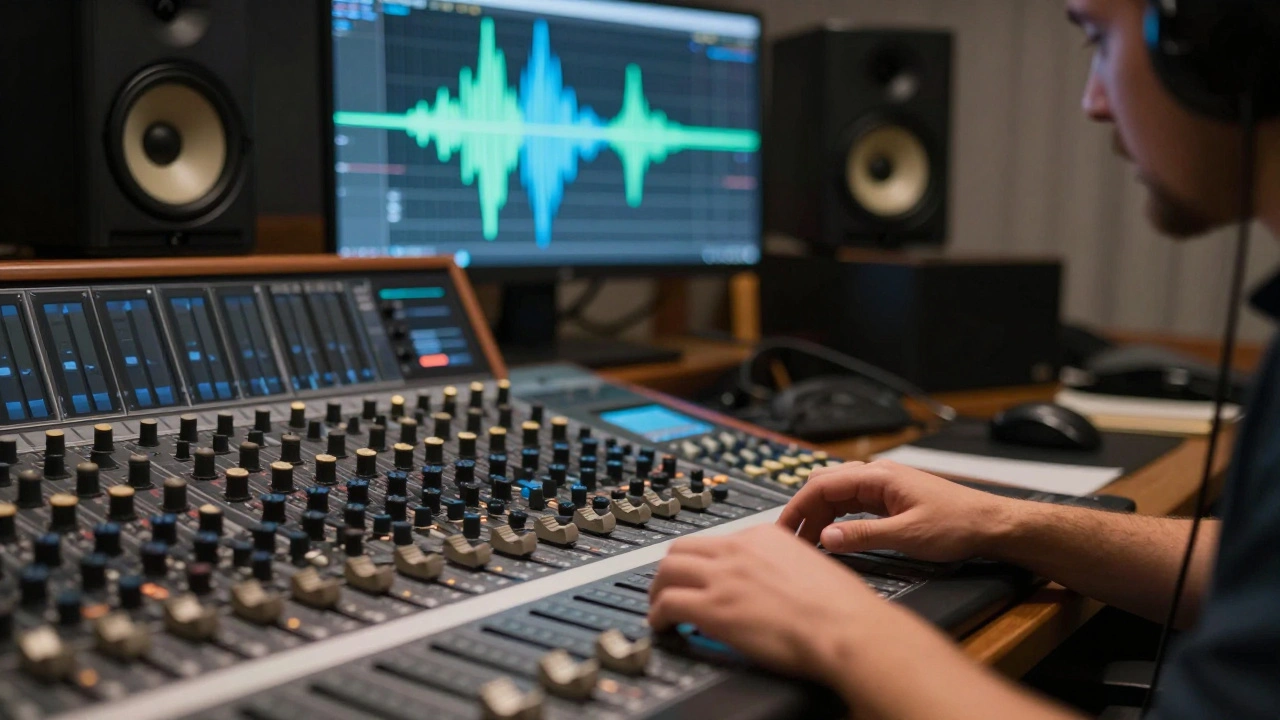
Technology has moved fast since the turn of the millennium. Today, we use AI-assisted tools for spectral editing, but the human ear remains the final judge. An Audio Engineer is a professional who uses technical equipment to record, edit, and mix sound. In the context of blues, you need someone who understands the genre. You cannot just slap a loudness plugin on a Muddy Waters track and call it done.
Modern mastering chains focus on dynamic range preservation. The Dynamic Range is the difference between the quietest and loudest parts of an audio signal. Blues thrives on this. The whisper of a harmonica needs to sit right next to the roar of a guitar amp. If your old masters are heavily compressed, the music feels lifeless. New technology allows us to expand that range without introducing artifacts. We can clean up tape hiss while keeping the warmth.
Streaming platforms have their own loudness standards, measured in LUFS (Loudness Units Full Scale). If your catalog was mastered in the era of the "Loudness War," it might be too quiet for Spotify or Apple Music. Conversely, if it is too loud, it might get normalized down, losing impact. Updating your masters ensures they hit the sweet spot of -14 LUFS for streaming while still having enough headroom for vinyl.
Financial and Legal Considerations
Remastering costs money. You need to budget for the engineer's time, the session fees, and the potential cost of restoring the source tapes. For an independent label, this is a significant investment. You must weigh the cost against the potential return. Will this new version sell more vinyl? Will it generate more streaming revenue? Often, the answer is yes, but only if marketed correctly.
Legal rights are another hurdle. You need to ensure you own the master rights or have the license to create new versions. If the original contract was signed in the 1970s, it might not cover digital distribution or remastering. You might need to renegotiate with the artist or their estate. This is especially true in the blues community, where families often hold rights to the recordings. Clear communication with rights holders prevents lawsuits down the line.
There is also the issue of metadata. When you release a remaster, you need to update the ISRC codes (International Standard Recording Codes). If you use the old codes, the streams won't be tracked correctly. You are essentially creating a new product, so it needs new identifiers. This ensures that royalties flow to the right people when someone listens to the updated version.
The Listener Experience
Why does the listener care? Because they want to hear the music as clearly as possible. Fans of the blues are audiophiles. They notice the difference between a 1990s remaster and a 2026 remaster. They notice the depth of the field. They notice the separation of the instruments. When you update your catalog, you are offering a better listening experience.
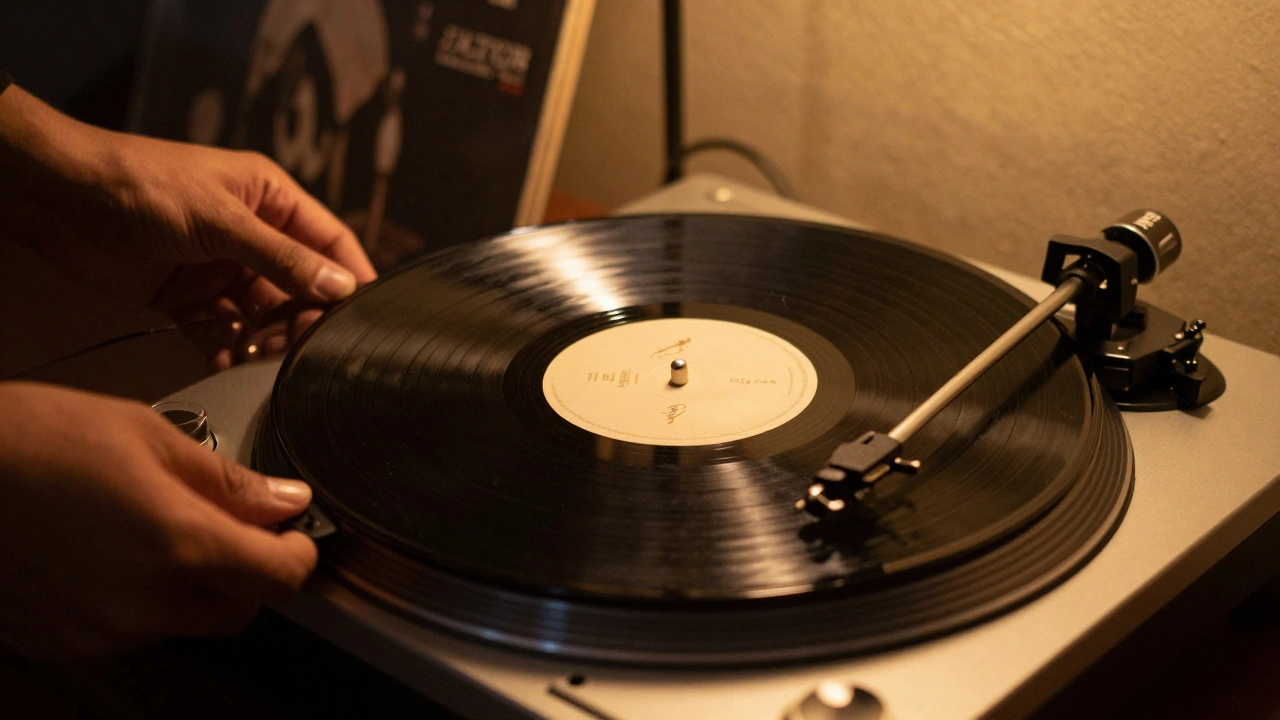
Consider the Vinyl is a physical music format that uses grooves on a rotating disc to reproduce sound. Vinyl has seen a massive resurgence. People are buying records again. They want the tactile experience. But they also want the sound to be crisp. A remastered vinyl edition can command a higher price point. It becomes a collector's item. You can offer a "Deluxe Remastered Edition" with liner notes explaining the process. This adds value beyond just the audio.
Streaming is different. Listeners there are often on mobile devices. The sound needs to translate well on small speakers. A good remaster ensures the mid-range frequencies are balanced. This is where the vocals and the guitar sit. If those are muddy, the listener skips the track. If they are clear, the listener stays. In the algorithmic world of streaming, retention is key. Better sound equals better retention.
| Feature | Old Standards (1990s-2000s) | Modern Standards (2026) |
|---|---|---|
| Loudness Target | -10 to -8 LUFS | -14 LUFS |
| Dynamic Range | Compressed | Preserved |
| Noise Floor | Higher Hiss | Reduced via AI |
| Format Focus | CD/Cassette | Vinyl/Streaming |
Decision Framework for Labels
How do you decide which albums to tackle first? Start with the best-sellers. If an album from 1995 is still selling vinyl copies, it is a prime candidate. It has proven demand. Remastering it will likely boost sales further. Next, look at the albums with the best source material. If you have the original two-inch tape, that is a goldmine. If you only have a cassette copy, the cost might not be worth the result.
Consider the artist's legacy. Is the artist still alive? Do they want their music updated? Some artists prefer the original sound. They feel the imperfections are part of the history. You must respect their wishes. If the artist is deceased, consult the estate. The goal is to honor the music, not just to make money. A respectful remaster can bring a new generation of fans to the artist's work.
Finally, think about the marketing angle. A remaster is a news hook. You can launch a campaign around the "New Sound of Classic Blues." You can host listening parties. You can release behind-the-scenes content showing the restoration process. This creates buzz. It gives your label something to talk about. In a crowded market, a high-quality remaster can be a differentiator.
Choosing the Right Engineer
Not every mastering engineer is right for blues. You need someone who understands the genre's history. They should know the difference between a Chicago blues tone and a Delta blues tone. They should know how to handle acoustic instruments. Look for engineers who have worked with similar artists. Check their portfolio. Listen to their before and after samples.
Communication is key. Tell the engineer what you want. Do you want it to sound vintage? Do you want it to sound modern? Do you want to keep the noise floor? Be specific. A good engineer will ask you questions. They will want to know the target audience. They will want to know the primary format. If they don't ask, find someone else.
Price varies. Some engineers charge per song. Some charge per album. Some charge a flat rate for the session. Get quotes from three different engineers. Compare the prices, but also compare the quality. The cheapest option is not always the best. You want an engineer who cares about the music. You want someone who treats your catalog with respect.
Future-Proofing Your Catalog
Once you remaster, you want it to last. Do not master for today only. Think about the next ten years. Technology will change again. Standards will shift. You want your masters to be flexible. Keep the high-resolution files. Keep the stems if possible. This allows you to create new mixes later if needed.
Store your masters properly. Use cloud storage with redundancy. Keep physical backups. Data loss is a real risk. If you lose the new masters, you lose the investment. Protect your files. Label them clearly. Organize your folder structure. Make it easy to find the files when you need them for a new release.
Remember that the blues is a living tradition. It evolves. Your catalog should evolve with it. Remastering is not about erasing the past. It is about bringing the past into the present. It is about making sure that the music continues to speak to new ears. When you do it right, the crackle remains, but the soul sings louder.
How much does a professional remaster cost?
Costs vary widely, but typically range from $50 to $200 per song for independent labels. High-profile engineers may charge more, while restoration work on damaged tapes can increase the price significantly.
Do I need to change the album cover art?
It is not required, but updating the art to indicate a "Remastered Edition" helps listeners distinguish it from the original. It also adds marketing value for physical releases.
Can I remaster from a CD copy?
It is possible, but not recommended. A CD is already a compressed digital file. Remastering from the original analog tape yields much better results with more dynamic range and clarity.
How long does the remastering process take?
A standard album remaster can take anywhere from one week to a month, depending on the engineer's schedule and the condition of the source material.
Will remastering affect my streaming royalties?
Yes, you must register new ISRC codes for the remastered tracks. This ensures that streams are tracked correctly and royalties are paid to the right rights holders.