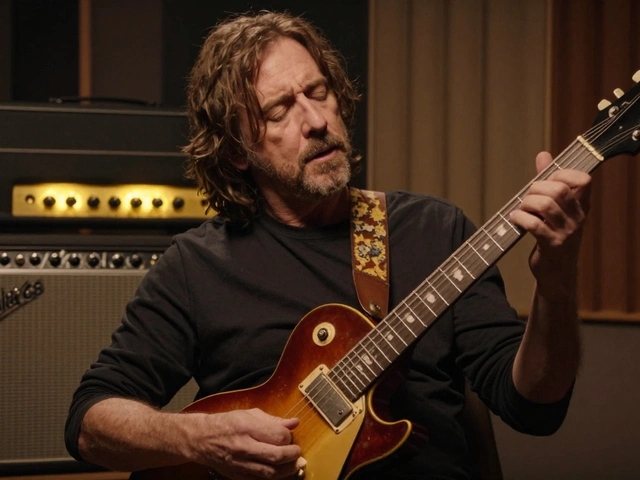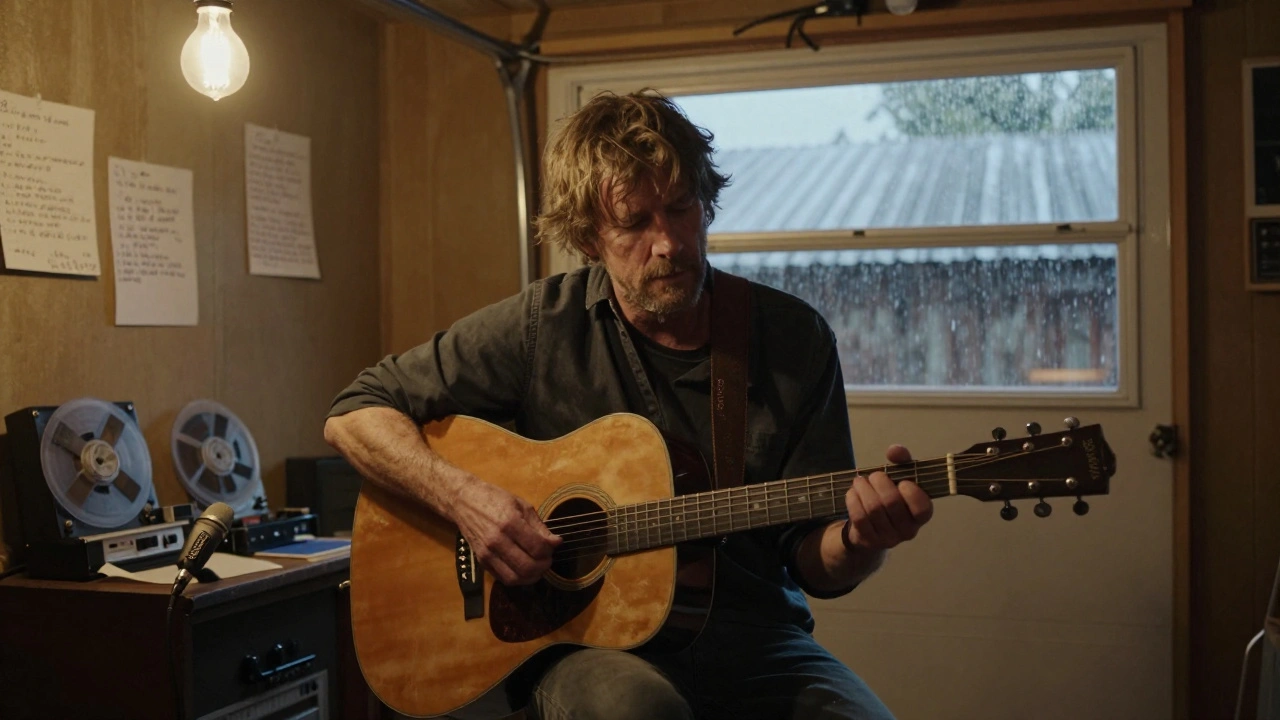
When Robert Hill walked onto the stage at the 2025 Americana Music Awards, no one expected him to win Best Emerging Artist. He wasn’t the flashy showman with the neon guitar or the viral TikTok sensation. He was just Robert Hill - a quiet, 38-year-old singer-songwriter from rural Tennessee, playing a 1967 Martin acoustic, singing about truck stops, broken clocks, and fathers who never said I love you. But when his name was called, the room went silent for three full seconds before erupting. That moment wasn’t just a win. It was a turning point for how we define Americana music - and who gets to be part of it.
What Americana Really Means Now
Americana music used to be easy to label: banjos, fiddles, dusty boots, and songs about trains. The genre had clear boundaries. But over the last decade, those lines have blurred. Artists like Jason Isbell, Margo Price, and now Robert Hill have pushed the sound into places it never went before - into soul, into punk, into spoken word, into minimalist electronic textures. The Americana Music Awards didn’t just recognize talent. They acknowledged a shift in what the genre stands for: authenticity over tradition.
Robert Hill’s album Backroads and Broken Radios didn’t have a single pedal steel guitar. It had field recordings of rain on a tin roof, a lone harmonica played through a vintage tape delay, and lyrics that sounded like diary entries found in a thrift store jacket. Critics called it “unconventional.” Fans called it “home.” And the awards committee? They called it Americana.
Why Robert Hill’s Win Changed Everything
Before 2025, the Americana Music Awards had a pattern. Winners came from Nashville. They had record deals. They played at Ryman Auditorium. They were vetted by industry gatekeepers. Robert Hill had none of that. He self-released his album in 2023 from his garage studio in Cookeville, Tennessee. He recorded everything on a $200 USB mic. He didn’t have a manager. He didn’t have a PR team. He just posted songs online - one a month - and waited.
His audience grew slowly. A college radio station in Vermont picked up “The Last Stop on Route 7.” A podcast in Portland featured him. A grandmother in Alabama shared his track with her book club. By the time the awards committee reviewed the submissions, his album had over 2.1 million streams - mostly from listeners who didn’t even know the term “Americana.” They just knew it felt real.
His win sent a message: You don’t need a label to belong. You don’t need a big stage. You just need to tell a truth people haven’t heard before.
The New Rules of Genre Recognition
The Americana Music Awards didn’t change their voting criteria. They just stopped looking for the same things. Here’s what they started valuing instead:
- Emotional impact over technical perfection - A shaky voice that cracks on the high note? That’s human. That’s worth more than a pitch-perfect studio track.
- Origin matters - Where the music comes from - a small town, a factory floor, a hospital waiting room - shapes its soul.
- Community resonance - If strangers are sharing your song because it makes them feel less alone, that’s louder than radio play.
- Genre fluidity - If your song has a banjo and a synth bass, and it still feels like truth, then it belongs.
Robert Hill’s win wasn’t an outlier. It was a signal. The genre is no longer defined by instruments. It’s defined by intention.
What Artists Are Learning From This
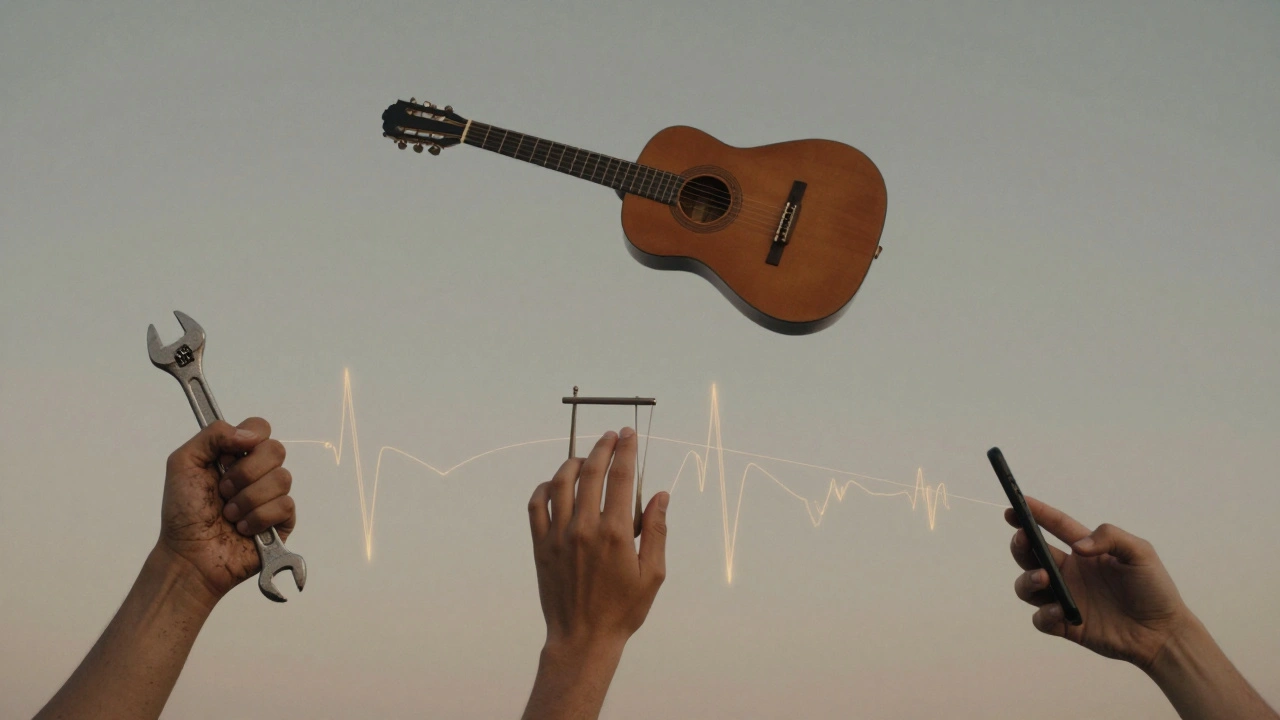
In the months after the awards, a wave of new artists started submitting entries. A 19-year-old from Detroit layered her poetry over a looped train whistle. A former coal miner from West Virginia released a record made entirely with tools he used on the job - hammers, wrenches, rusted pipes. A blind musician in New Orleans sang about grief using only his voice and a single tuning fork.
None of them had fancy gear. None of them had industry connections. But they all had one thing in common: they didn’t try to sound like anyone else. They just sounded like themselves.
The Americana Music Awards responded by opening their submission process to self-released work. They created a new category: “Unfiltered Voices.” They stopped requiring professional recordings. They started asking: “Does this song make you feel something you can’t explain?”
How This Affects the Future of Music
This isn’t just about Americana. It’s about music as a whole. For years, algorithms and playlists pushed the same formulas: upbeat tempo, three-chord structure, hook in the first 15 seconds. But listeners are tired of being told what to feel. They’re hungry for work that doesn’t try to please everyone.
Robert Hill’s win proves that audiences will find you - if you’re honest. You don’t need to be loud. You don’t need to be trendy. You just need to be real.
Look at the charts now. Songs that chart aren’t the ones with the biggest budgets. They’re the ones with the quietest moments - the ones that linger after the last note fades. That’s the new Americana. And it’s not going away.
What’s Next for Robert Hill?
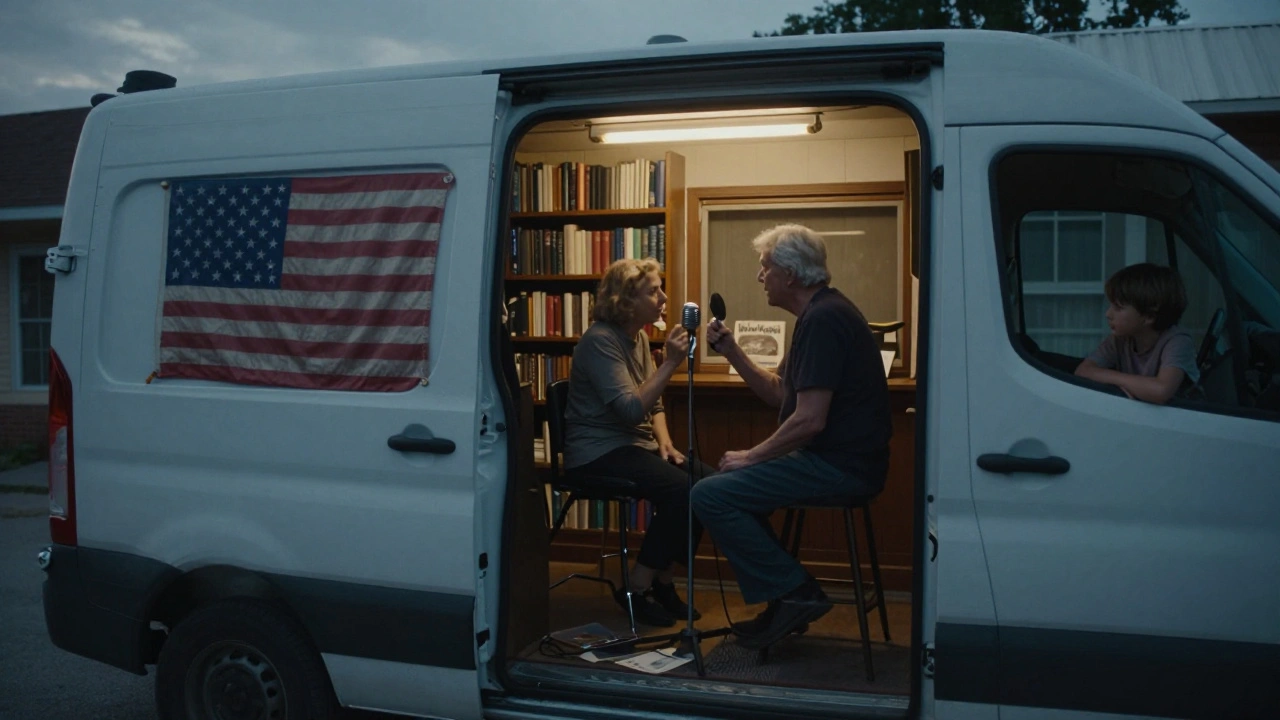
He didn’t take the money and run to Nashville. He used his award grant to buy a mobile recording van. Now he travels to towns with no music stores, no studios, no radio stations. He sets up in libraries, community centers, and church basements. He records people’s stories - their grandmothers’ lullabies, their brothers’ war letters, their kids’ first songs - and turns them into music.
His next album, Voices We Forgot, is being made with 47 everyday people from 17 states. No producers. No studio lights. Just microphones, silence, and truth.
He says he doesn’t care if it wins anything again. He just wants people to know: your story matters. Even if no one’s ever listened before.
What is the Americana Music Awards?
The Americana Music Awards is an annual event honoring artists and songs that represent the roots of American music - blending folk, country, blues, R&B, and rock. Unlike mainstream awards, it focuses on authenticity, storytelling, and artistic independence rather than commercial success. It’s run by the Americana Music Association and is considered one of the most respected honors in independent music.
Why is Robert Hill considered a game-changer for Americana music?
Robert Hill challenged the traditional image of Americana by proving that the genre doesn’t need banjos, fiddles, or Nashville connections to be authentic. His self-recorded, emotionally raw music - made with everyday sounds and lyrics about ordinary lives - resonated with listeners across the country. His win showed that genre boundaries are shifting from instrument-based definitions to emotion-based ones.
How did Robert Hill get discovered without a label?
Robert Hill self-released his music online, posting one song a month for two years. He didn’t use ads or influencers. Instead, his songs spread through word-of-mouth - shared by college radio, podcasts, and listeners who felt seen by his lyrics. A single track, "The Last Stop on Route 7," went viral in rural communities and small towns, eventually catching the attention of the Americana Music Awards committee.
Did Robert Hill change the rules of the Americana Music Awards?
He didn’t change the rules - but his win forced them to evolve. After his success, the awards opened submissions to self-released artists, removed professional recording requirements, and created the "Unfiltered Voices" category. The new focus is on emotional impact, personal origin, and community resonance - not industry polish.
What’s the future of Americana music after Robert Hill’s win?
The future of Americana is decentralized. It’s no longer tied to Nashville, record labels, or traditional instruments. It’s growing in garages, libraries, and backyards - wherever real stories are being told. Artists are now prioritizing honesty over polish, and listeners are responding by finding music that feels like their own lives. Robert Hill didn’t just win an award - he started a movement.