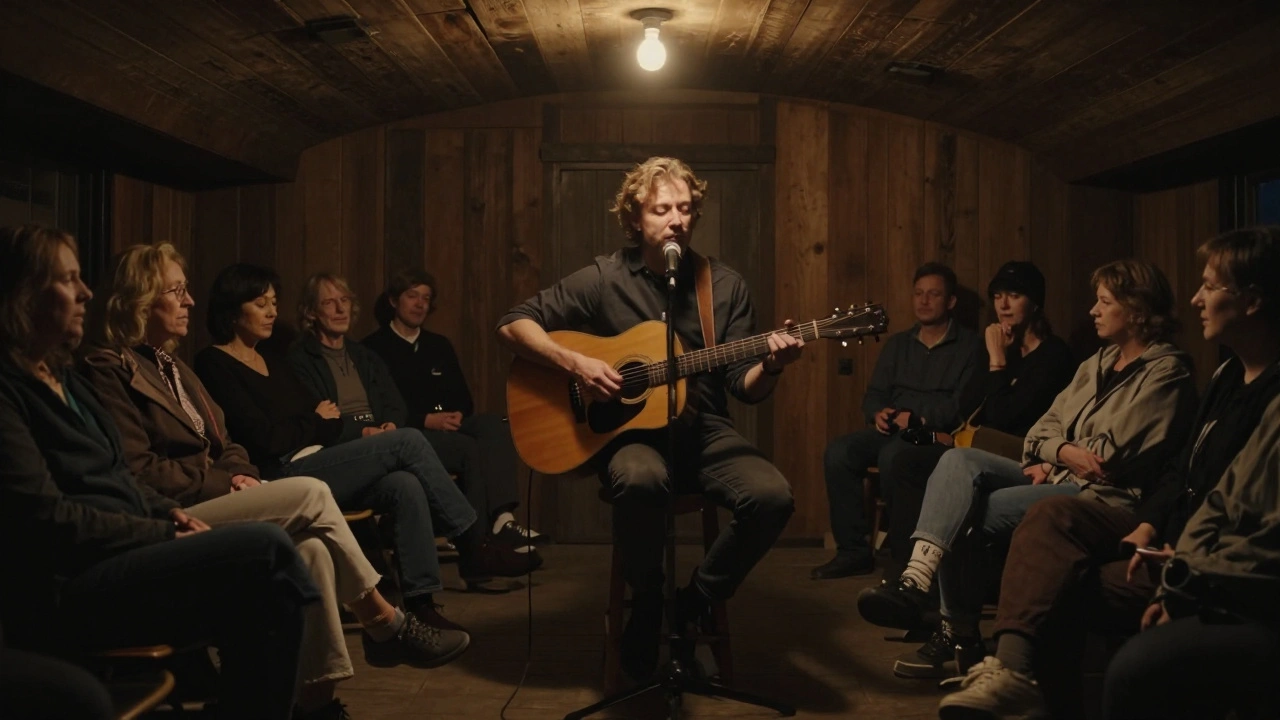
There’s something rare about sitting in a dimly lit room, the only sound a single guitar and a voice that doesn’t need amplification to fill the space. Robert Hill’s acoustic evenings aren’t just concerts-they’re quiet revolutions in a world that’s always shouting.
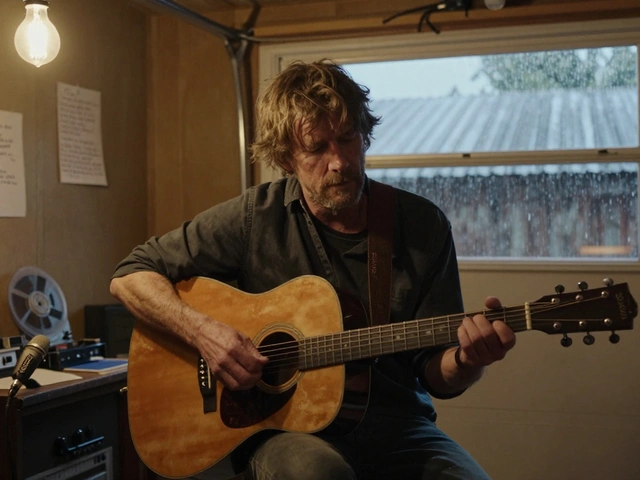
He started doing these shows in 2020, right after the last big tour got canceled. No agents. No lighting crew. Just him, a worn-out Martin D-28, a stool, and a small crowd of people who showed up because they’d heard the stories. By 2023, he was selling out 120-seat venues across the Pacific Northwest. Not because he was on the radio, but because people kept coming back-and bringing friends.
How It Works: No Stage, No Lights, No Distractions
There’s no opening act. No merch table up front. No beer stand. Robert Hill’s acoustic evenings begin when the house lights go down, and he walks out alone. No introduction. No fanfare. He sits on a low stool, adjusts his guitar, and starts playing. The first song is always the same: "The Quiet Way," a 2017 track he wrote after losing his father.
The room stays silent. Not because people are being polite. But because they feel something. You can hear a breath. A shift in a seat. A tear falling. That’s the point.
He doesn’t use a mic. Not because it’s "authentic" or trendy. He does it because the room is designed to carry his voice naturally. The walls are lined with reclaimed oak. The ceiling is curved to reflect sound evenly. The chairs? Handmade, padded, and angled so no one is more than 15 feet from him. Every detail serves one thing: presence.
Why This Format Sticks
Most live music today is built for spectacle. Pyrotechnics. LED screens. Dancers. Autotune. Robert Hill’s shows are the opposite. They’re built for connection.
People come because they’re tired of noise. Not just loud music-but the noise of distraction. The endless scroll. The performance of being okay. In his shows, you don’t have to pretend. You can cry. You can laugh. You can sit still and just listen.
One woman told him after a show in Eugene that she’d come because she was grieving her husband. She didn’t say a word during the concert. But she left with a folded note tucked into her coat: "Thank you for not filling the silence."
He doesn’t talk much between songs. Sometimes he’ll say, "This one’s for the ones who stayed up too late thinking." Other times, he’ll just smile and play. The songs are mostly originals-raw, unpolished, full of pauses and breaths you wouldn’t hear on a studio record.
The Setlist Isn’t Fixed
There’s no setlist posted. No playlist. He doesn’t rehearse the order. Each night, he picks songs based on how he’s feeling, what the room feels like, and sometimes, what someone whispered to him during intermission.
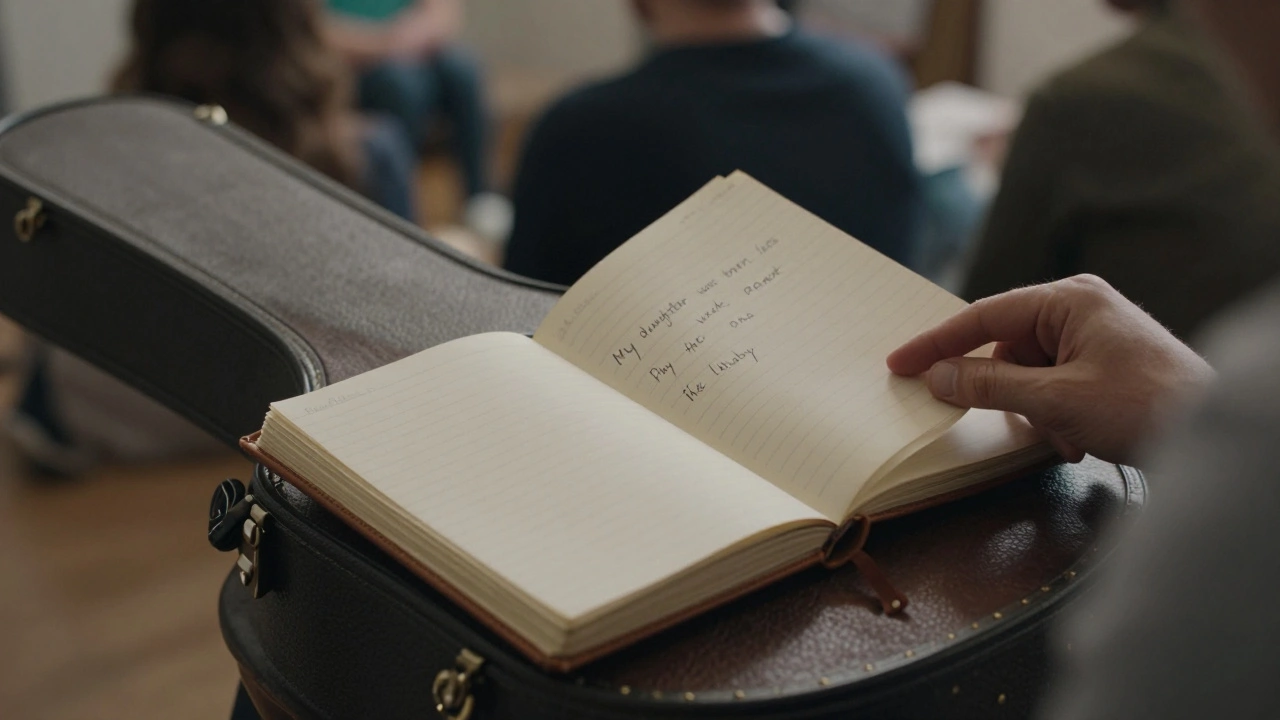
He keeps a small notebook in his guitar case. People write notes and slip them into it. One read: "My daughter was born last week. Play the one about the lullaby." He played it that night. And the next. And the next.
He’s played "The Harbor" 47 times since 2021. Each time, it’s different. Sometimes he skips the third verse. Sometimes he adds a hum. Once, he stopped mid-verse, looked up, and said, "I can’t sing this tonight." Then he just sat there for 90 seconds before starting over. No one left.
The Audience Isn’t Passive
You won’t see phones raised. Not because they’re banned. But because they don’t make sense here. The experience isn’t meant to be captured. It’s meant to be lived.
After the last song, he doesn’t say "Thank you." He just stands, nods, and walks off. The lights stay off for 30 seconds. Then they come up slowly. People don’t rush out. They sit. They breathe. Sometimes someone whispers, "That was beautiful." No applause. Just quiet recognition.
He started a ritual in 2022: after every show, he leaves his guitar on the stool for 10 minutes. Anyone who wants to can sit in the chair, touch the strings, and take a moment. No one’s ever broken it. No one’s ever taken it. But dozens have sat there, eyes closed, fingers resting on the wood like it’s a heartbeat.
What Makes It Different From Other Acoustic Shows
There are plenty of "unplugged" gigs out there. But most are just stripped-down versions of full-band shows. Robert Hill’s format doesn’t strip away instruments-it strips away the distance between artist and listener.
Compare it to a typical folk concert: singer on stage, crowd in the back, a few hundred people, a sound engineer tweaking levels, a merch table selling $30 shirts. Robert Hill’s show? 120 people. No merch. No tickets sold online. You pay at the door-cash only. $25. No refunds. No upgrades. You show up. You listen. You leave changed.
He doesn’t tour. He doesn’t do festivals. He plays 12 shows a year. One in Portland. One in Seattle. One in Boise. One in Bend. One in Ashland. One in Eugene. Then he takes three months off. He says he needs the silence to write the next songs.
The Ripple Effect
Since 2021, over 4,000 people have attended his shows. But the real impact? It’s in the quiet spaces between.
A music teacher in Portland started doing "quiet nights" in her classroom. A therapist in Eugene began recommending his recordings to clients with anxiety. A high school in Oregon started a "Silent Listening Club"-students sit together for 20 minutes after school, no phones, no talking, just one of Robert’s songs playing on loop.
He doesn’t do interviews. He doesn’t post on social media. But his name keeps showing up-in therapy blogs, in poetry readings, in college papers about modern silence.
Last year, a documentary filmmaker tried to make a film about him. He said no. "I don’t want to be a subject. I want to be a space."
What’s Next?
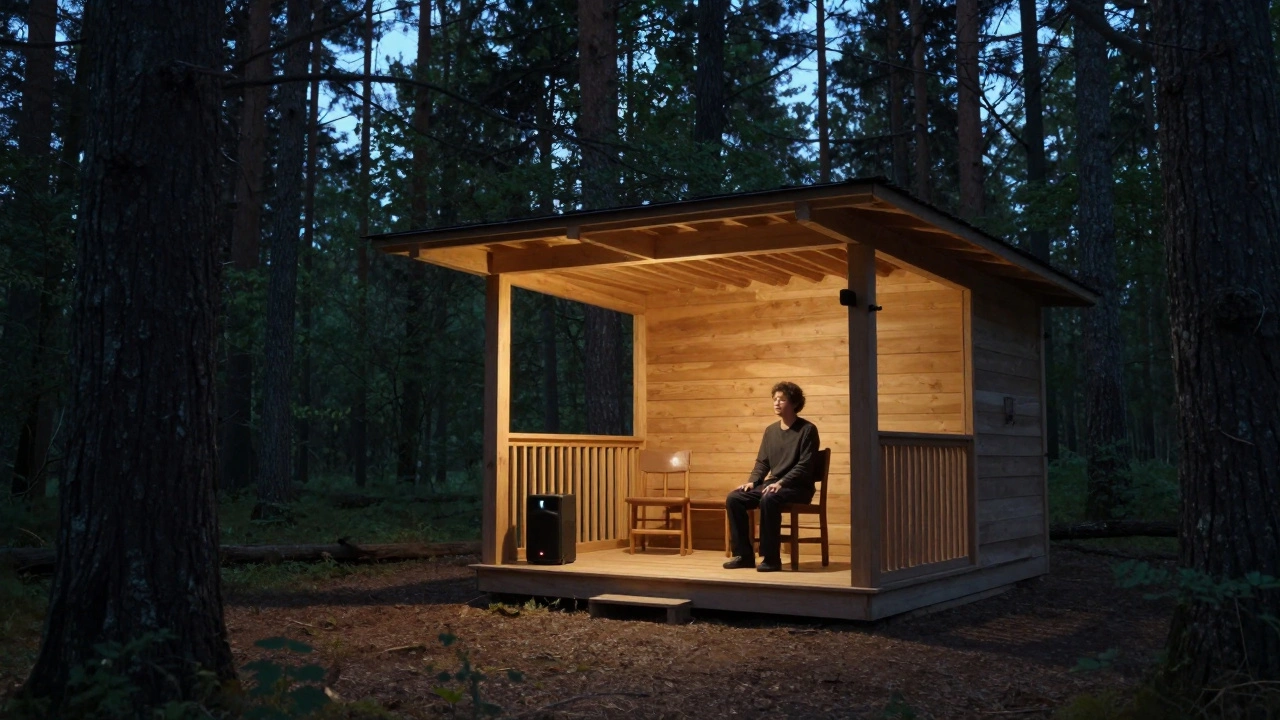
He’s building a small, 50-seat listening room in the woods outside Portland. No electricity. No internet. Just solar panels to power a single speaker for one song each night. He calls it "The Still Room."
He plans to open it in spring 2026. You can’t book it. You can’t reserve it. You write him a letter-handwritten, on paper-telling him why you need to be there. He reads every one. Then he picks five people a month.
"I’m not trying to make music for everyone," he said in a rare moment of explanation. "I’m trying to make space for the ones who’ve forgotten how to be still."
What makes Robert Hill’s acoustic evenings different from other live music events?
Robert Hill’s acoustic evenings remove every layer of performance spectacle-no lights, no microphones, no merch, no setlists. The focus is purely on presence. The room is acoustically designed to carry his voice naturally, and the audience is expected to engage quietly, without phones or distractions. Unlike typical concerts, this format invites deep listening, not passive watching.
How can someone attend a Robert Hill acoustic evening?
Tickets aren’t sold online. You show up at the venue-usually a small, intimate space like a bookstore, church hall, or community center-on the night of the show. Payment is cash only, $25 at the door. There are no reservations. No refunds. If you’re serious about attending, you go early. The shows often sell out within minutes of doors opening.
Are Robert Hill’s concerts recorded or available online?
No. Robert Hill refuses to record or stream his acoustic evenings. He believes the experience is meant to be lived, not captured. There are no official videos, audio recordings, or live streams. Some audience members have made unofficial recordings, but he doesn’t endorse or share them. The only way to experience the show is to be there in person.
Why does Robert Hill not use a microphone?
He doesn’t use a microphone because the venues are built to carry his voice naturally. The architecture-curved ceilings, oak-lined walls, and carefully spaced seating-is designed to amplify human sound without electronics. It’s not a gimmick; it’s a deliberate choice to remove technological barriers between performer and listener. The result? A sound that feels more alive, more vulnerable, and more real.
What’s the purpose of the "Still Room" he’s building?
The Still Room is a 50-seat listening space in the woods outside Portland, designed for one song per night, played on a single solar-powered speaker. It’s not meant to be a venue-it’s meant to be a pause. You can’t book it. You write a handwritten letter explaining why you need to be there. Robert reads every letter and invites five people per month. It’s his answer to a world that never stops talking.